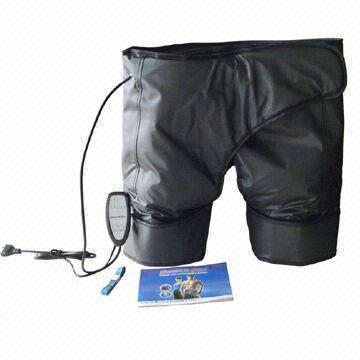
Sauna Suits
Source high-quality sauna suits from vetted manufacturers and wholesale suppliers across Asia. Built for importers, distributors, and fitness brands seeking reliable OEM and private-label production, our network delivers bulk volume with strict quality control and competitive pricing.
Sourcing sauna suits in bulk requires balancing material cost with functional durability. For fitness apparel brands and wholesalers, the primary challenge lies in specifying the right fabric coatings and seam constructions to prevent blowouts during high-intensity training, while ensuring the materials comply with international toxicity standards. Navigating the manufacturer landscape means distinguishing between factories that produce cheap promotional items and those capable of engineering technical athletic wear.
Core Material Specifications
The foundation of any sauna suit is its ability to trap body heat while withstanding dynamic movement. If the material lacks elasticity or the coating is applied poorly, the suit will tear under stress. Manufacturers typically offer three primary material pathways, each dictating the product's price point, performance, and target market.
| Material Type | Durability | Heat Retention | Best Application |
|---|---|---|---|
| PVC (Polyvinyl Chloride) | Low to Medium | High | Entry-level retail, promotional bulk |
| Neoprene | High | Very High | Premium fitness brands, combat sports |
| PU-Coated Nylon | Medium to High | High | Mid-tier athletic wear, active training |
When specifying PU-coated nylon, you must detail the denier (thickness) of the nylon and the thickness of the polyurethane coating. A common specification for mid-tier suits is 210D or 420D nylon with a waterproof PU backing. For neoprene, specify the thickness (typically 1.5mm to 3mm) and the type of lining (e.g., nylon jersey on one or both sides) to manage comfort against the skin.
Manufacturing and Seam Construction
The most frequent point of failure in a sauna suit is the seam. Because the fabrics used are inherently non-breathable and often lack high stretch (except for neoprene), movement places immense stress on the joints—particularly the crotch, underarms, and shoulders.
Seam Construction Methods
Advantages
- Welded/Taped Seams: Fuses the material together (often via high-frequency welding), ensuring complete heat retention and exceptional burst strength.
- Flatlock Stitching (Neoprene): Provides a comfortable, chafe-free interior for thicker materials, handling dynamic stretch well.
Disadvantages
- Standard Overlock Stitching: Pierces the waterproof coating, creating micro-tears that compromise heat retention and serve as starting points for fabric blowouts.
- Poor Taping: If seam tape is applied at the wrong temperature during manufacturing, it will peel off after the first few uses.
Struggling to find factories capable of reliable high-frequency seam welding? We can connect you with specialized fitness apparel manufacturers.
Talk to our teamQuality Control and Compliance Standards
Because sauna suits sit directly against sweating skin and are exposed to high body heat, chemical safety is just as critical as physical durability. When auditing factories or setting up Quality Control & Inspection protocols, you cannot rely on visual checks alone.
You must ensure your supplier understands your market's regulatory requirements. Utilizing professional Compliance & Testing services early in the sampling phase prevents costly border rejections.
Critical Factory Checkpoints
- Chemical Compliance: Ensure PVC and PU coatings are free from restricted phthalates, heavy metals, and azo dyes (crucial for REACH and Prop 65).
- Seam Tensile Strength: Conduct burst testing specifically on crotch and underarm seams using a dynamometer.
- Colorfastness to Perspiration: Test inner linings to ensure dyes do not bleed when exposed to sweat and elevated temperatures.
- Hardware Integrity: Verify that elastic cuffs maintain their retention after repeated stretching and that zippers operate smoothly under lateral tension.
Typical MOQs, Pricing, and Lead Times
When engaging factories for OEM/ODM Services, your Minimum Order Quantity (MOQ) will depend heavily on your fabric choices and custom dyeing requirements. Standard black fabrics offer the most flexibility, while custom Pantone-matched materials will require the factory to meet the fabric mill's minimums.
Sizing Runs
Most fitness apparel manufacturers will allow you to split your total MOQ across a standard size run (for example, Small through XXL), provided the fabric color and core design remain the same. Always confirm the size breakdown ratios before finalizing the purchase order.
Need accurate pricing for your custom tech pack? Let us negotiate with vetted manufacturers on your behalf.
Get a free consultationSourcing FAQ
Successfully sourcing sauna suits requires looking past the surface design and scrutinizing the factory's material sourcing and seam construction capabilities. Partnering with an expert in Product Sourcing ensures you are working with manufacturers who understand technical apparel, protecting your brand from costly quality fade and compliance failures.
Get Sourcing Help for Sauna Suits
Tell us your requirements and our experts will connect you with verified manufacturers.