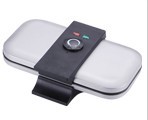
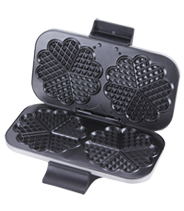
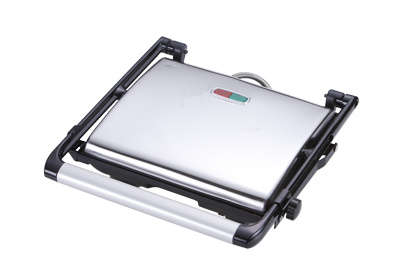
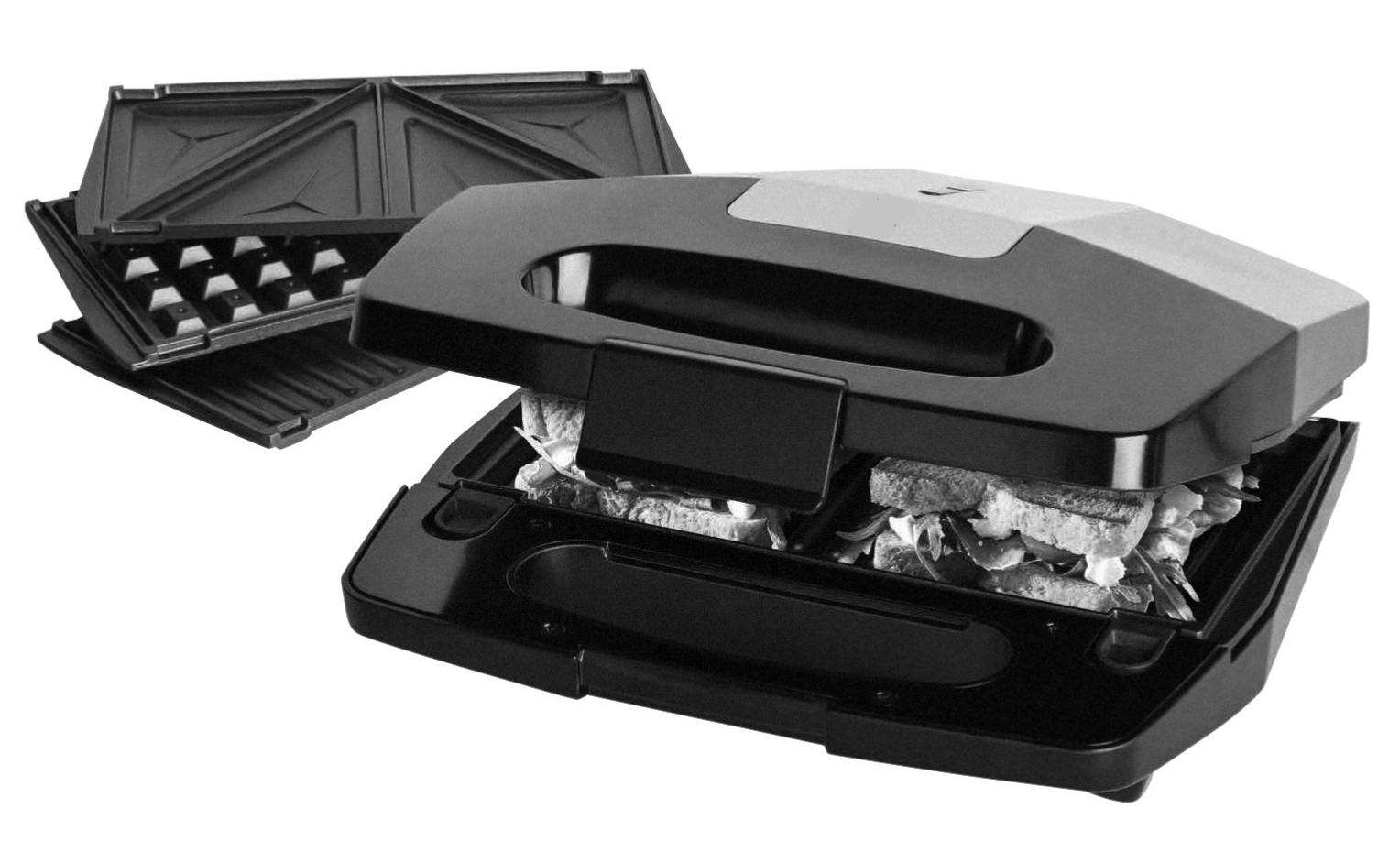
Sandwich Makers
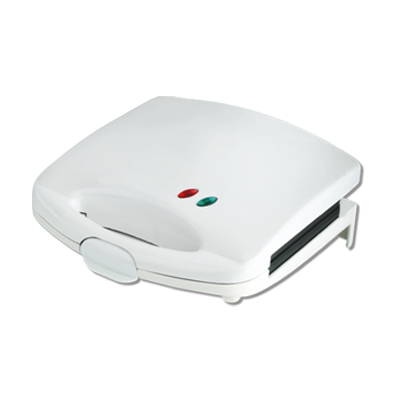
Source high-quality sandwich makers in bulk from vetted manufacturers and suppliers. Designed for importers, appliance distributors, and brands seeking reliable OEM or private-label production, our network delivers consistent performance and rigorous safety compliance.
Sourcing sandwich makers at scale requires balancing rapid heating efficiency, housing durability, and strict electrical safety standards. While the core technology is mature, variations in plate casting, coating application, and thermostat calibration significantly impact the final product's lifespan and user safety. For volume buyers, specifying the right internal components is critical to preventing high return rates and compliance failures.
Core Specifications for OEM Production
When developing a private-label line or modifying an existing factory mold, the technical specifications dictate both unit cost and market positioning. Relying on a factory's default "off-the-shelf" spec often results in subpar non-stick performance or inconsistent browning.
Heating Elements and Plate Construction
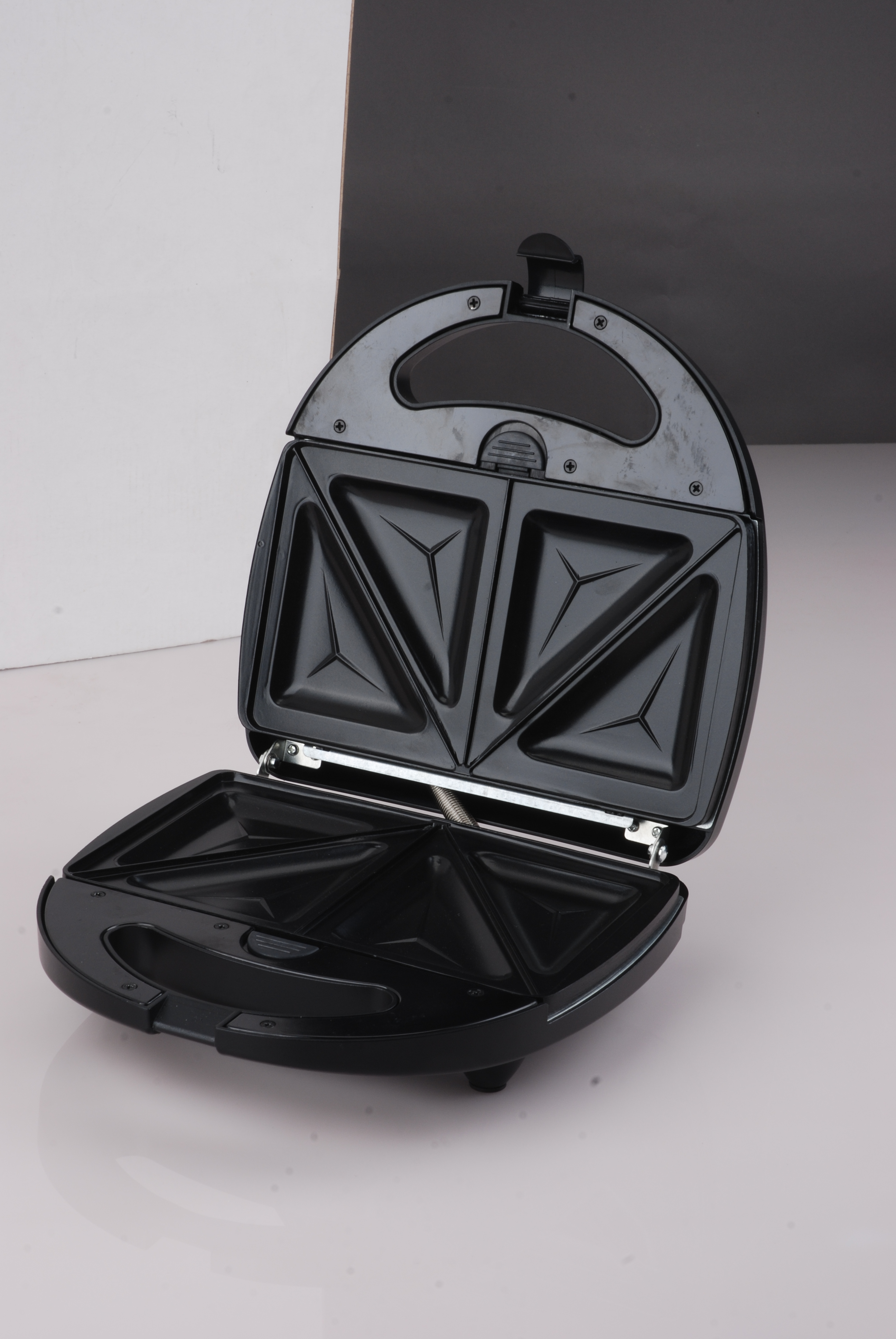
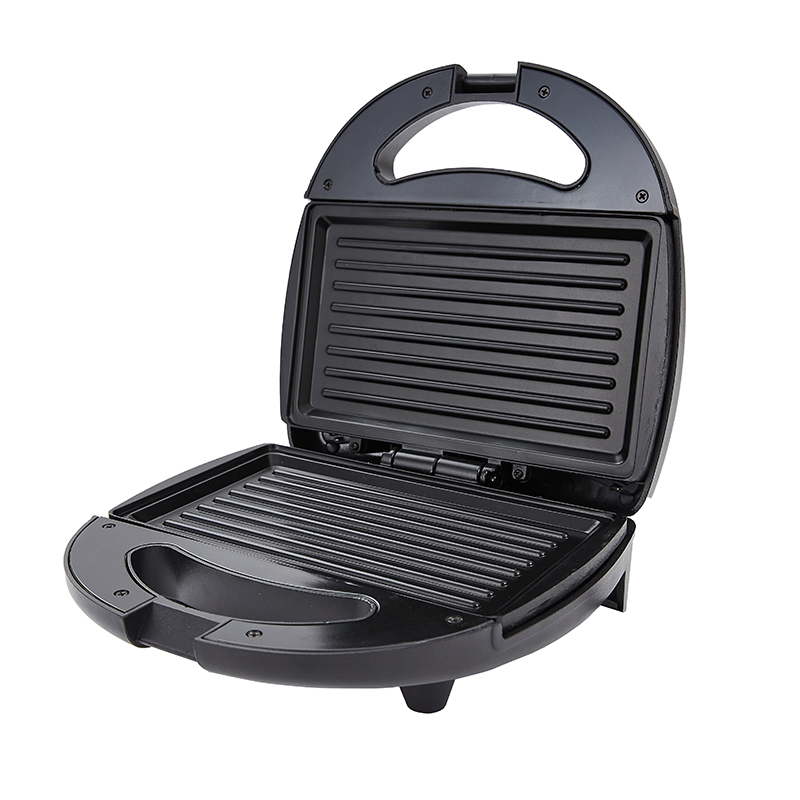
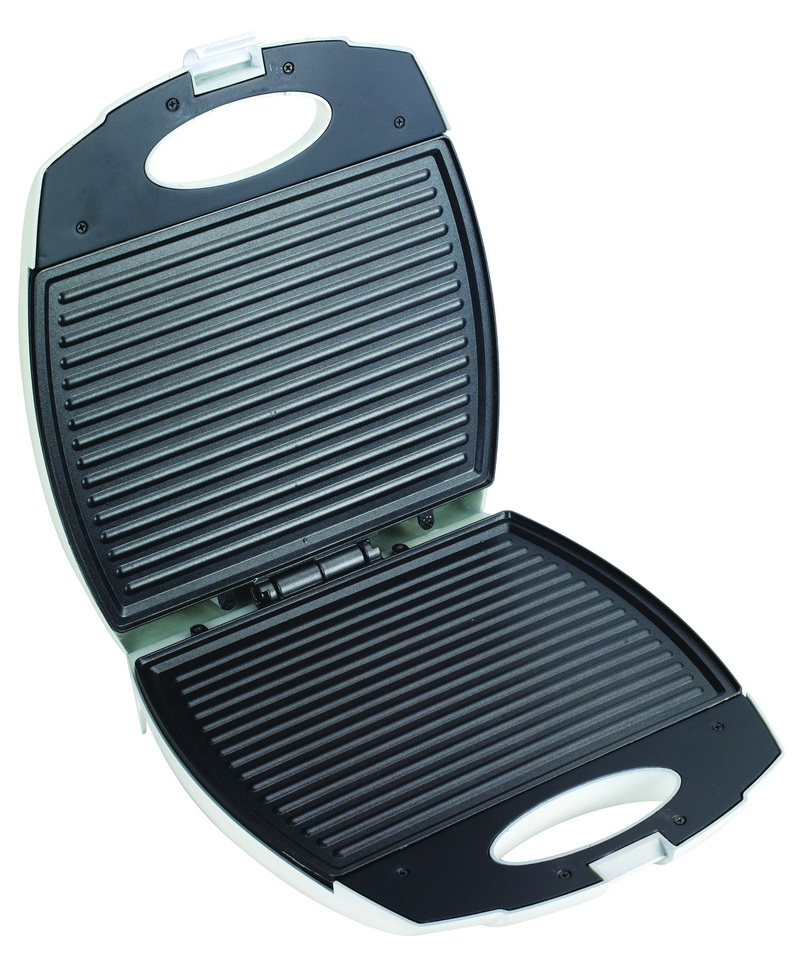
The standard for sandwich maker plates is die-cast aluminum, which offers rapid heat transfer. The thickness of this casting matters; plates under 1.5mm are prone to warping under repeated thermal stress, leading to uneven contact with the heating element. High-end models often utilize tubular heating elements embedded directly into the plate, whereas standard models use stamped aluminum plates resting on a separate heating coil.
Non-Stick Coatings
The longevity of a sandwich maker is almost entirely dependent on its coating. Factory standard is typically a single-layer PTFE (Teflon-style) coating, which is cost-effective but degrades quickly.
| Coating Type | Durability | Cost Impact | Best Application |
|---|---|---|---|
| Single-Layer PTFE | Low | Baseline | Budget/Promotional models |
| Double-Layer PTFE | Medium | Moderate increase | Standard retail models |
| Ceramic Coating | High (Scratch resistant) | Premium pricing | High-end & health-focused brands |
If you are customizing your product line, leveraging OEM/ODM Services allows you to specify double-layer coatings or PFOA-free ceramic alternatives that align with your brand's quality standards.
Need help standardizing your appliance specifications across multiple suppliers?
Talk to our teamQuality Control and Compliance Standards
Small kitchen appliances carry inherent fire and electrical risks. A reliable manufacturer will have robust incoming material inspections, particularly for the bi-metal thermostats and thermal fuses that prevent overheating.
Critical Inspection Points
Relying solely on factory self-reporting is risky. Implementing independent Quality Control & Inspection protocols during and after production is essential.
Pre-Shipment Inspection Focus Areas
- Hi-Pot (High Potential) testing to ensure electrical insulation integrity.
- Earth continuity testing for all metal-housed units.
- Thermostat calibration checks (verifying cut-off temperatures).
- Coating adhesion tests (cross-hatch test) to prevent flaking.
- Hinge fatigue testing to ensure durability over thousands of open/close cycles.
Market Certifications
Your target market dictates the required electrical certifications. Ensure your supplier can provide valid test reports from recognized third-party labs. Common requirements include CE and RoHS for Europe, and UL or ETL for North America. If a factory claims certification, verifying the test reports match the exact components used in your production run is a necessary step in Compliance & Testing.
Manufacturing MOQs, Pricing, and Lead Times
Understanding the commercial realities of small appliance manufacturing helps in negotiating realistic contracts and planning your supply chain.
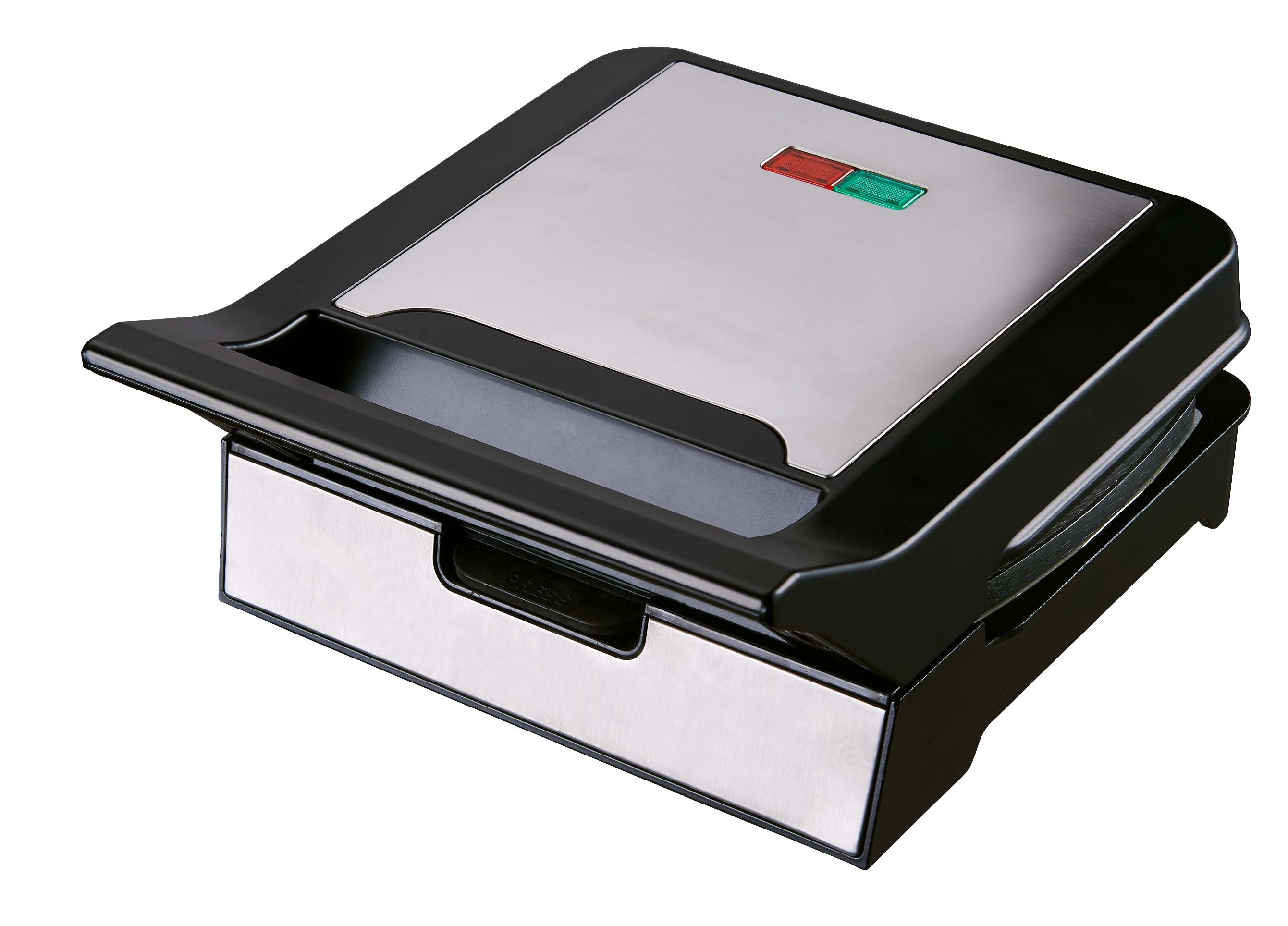
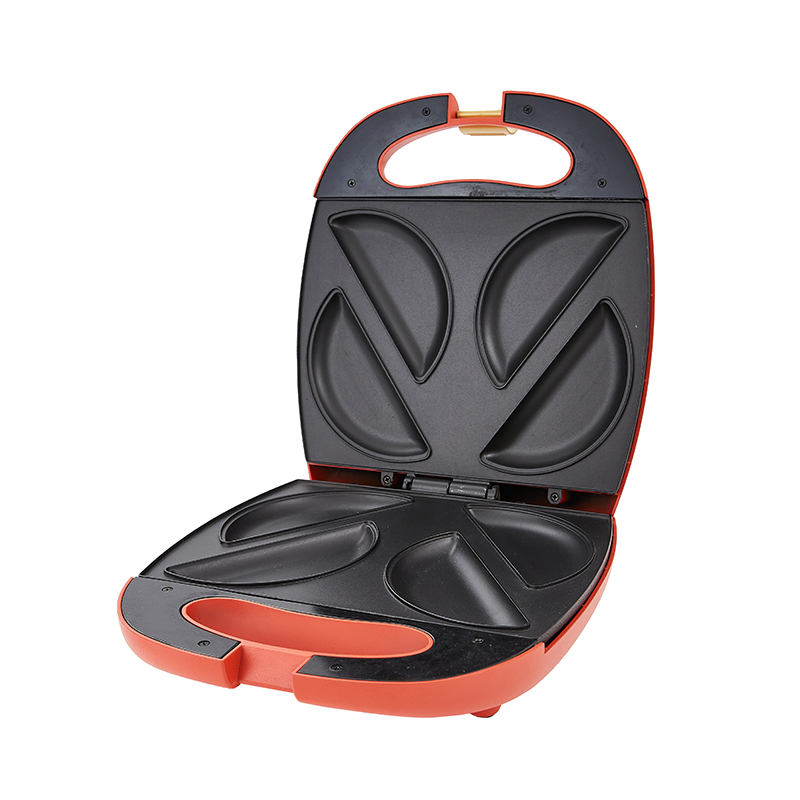
Pricing is heavily influenced by the housing material (injection-molded Bakelite vs. stainless steel wrapping) and whether the heating plates are fixed or detachable. Detachable plates require more complex mold designs and robust locking mechanisms, increasing the unit cost but offering higher retail value.
Optimize your appliance supply chain and secure better pricing.
Get a free consultationFrequently Asked Questions
Securing a reliable supply of sandwich makers requires looking past the glossy factory catalogs to understand the internal components driving performance. By specifying exact coating thicknesses, enforcing strict electrical safety tolerances, and verifying compliance documentation, volume buyers can build a profitable and safe appliance portfolio.
Get Sourcing Help for Sandwich Makers
Tell us your requirements and our experts will connect you with verified manufacturers.