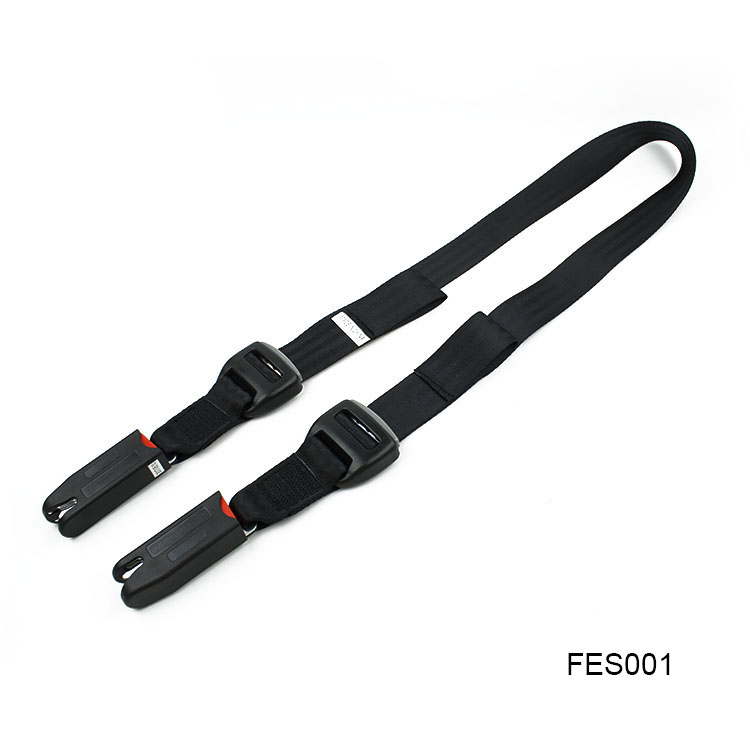
Saftey Belt
Source high-quality automotive Saftey Belts in bulk from vetted manufacturers and trusted factory partners. Designed for auto parts importers, aftermarket wholesalers, and brands requiring OEM/ODM production, our network provides certified seat belt assemblies, retractors, and webbing that meet stringent global safety standards.
Sourcing automotive safety belts is fundamentally different from procuring standard interior accessories. Because these are critical, highly regulated life-saving devices, your supply chain must be built around strict compliance, traceable high-tenacity materials, and zero-defect manufacturing tolerances. Identifying a factory that can consistently meet these demands requires looking past basic assembly capabilities and deeply evaluating their testing infrastructure and quality management systems.
Core Specifications and Component Engineering
A complete safety belt assembly relies on the precise interaction of multiple engineered components. When detailing your requirements to a manufacturer, you must specify the exact parameters for each subsystem to ensure the final product performs under extreme dynamic loads.
Webbing Material and Dimensions
The webbing is the primary load-bearing component. Standard automotive applications require 100% high-tenacity polyester (PET) due to its optimal balance of tensile strength, low elongation under load, and resistance to UV degradation and abrasion.
- Width: Standard automotive webbing is typically woven to a width of 47mm to 48mm.
- Tensile Strength: Must generally exceed 20,000 Newtons (N) depending on the target market's regulations.
- Elongation: Regulated strictly (often capped between 7 percent and 10 percent under specific testing loads) to prevent excessive occupant excursion during an impact.
Retractor Mechanisms
The retractor dictates both user comfort and crash performance. Buyers must specify the correct locking mechanism for their target application.
| Retractor Type | Locking Mechanism | Primary Application |
|---|---|---|
| ELR (Emergency Locking Retractor) | Locks only during rapid deceleration or sudden webbing extraction. | Standard passenger vehicle seating positions. |
| ALR (Automatic Locking Retractor) | Locks automatically as the belt is retracted, preventing further extension. | Securing child safety seats, heavy commercial machinery. |
| WLR (Webbing Locking Retractor) | Clamps directly onto the webbing rather than the spool during impact. | High-performance or specialized commercial vehicles. |
Regulatory Compliance and Factory Verification
You cannot import or distribute safety belts legally without proving they meet the specific safety standards of your destination market. A factory's claim that they "can meet" a standard is insufficient; they must possess the actual certifications and the in-house testing equipment to verify every batch.
Key global standards include:
- FMVSS 209 & 302: Mandatory for the United States, covering seat belt assemblies and interior flammability.
- ECE R16: The E-mark standard required for the European market.
- CCC: Compulsory certification for the Chinese domestic market.
When vetting a supplier, verify their quality management framework. A legitimate safety belt manufacturer must hold IATF 16949 certification, the global quality standard for automotive supply chains. If you are uncertain about a factory's true capabilities, conducting thorough factory audits is a non-negotiable first step before placing a volume order.
Navigating international automotive safety standards is complex. Speak with our sourcing engineers to ensure your next order meets all necessary regulatory requirements.
Discuss Your Compliance NeedsManufacturing Quality Control
The manufacturing process involves webbing weaving, metal stamping for hardware, plastic injection molding for buckles, and highly sensitive spring calibration for the retractors. Quality is often won or lost in the final assembly and the rigor of the factory's inline testing.
Critical QC Checks for Safety Belts
- Dynamic sled testing to simulate crash impacts and verify retractor lock-up times.
- Tensile testing of the webbing and the anchor points to ensure no structural failure under load.
- Durability cycling of the buckle release mechanism (typically tested to 10,000+ cycles).
- Salt spray testing for metal hardware to verify corrosion resistance.
- Flammability testing of the webbing and plastic components.
Catching defects after the products have shipped is a costly failure. Implementing strict quality control protocols, including inline and pre-shipment inspections, ensures that every batch matches your approved golden sample.
Buying Mechanics: MOQs, Pricing, and Lead Times
Pricing for safety belt assemblies is driven by the complexity of the retractor, the certifications required, and the degree of customization. Off-the-shelf aftermarket replacements are highly commoditized, while custom-branded OEM parts require significant investment in tooling and testing.
If you are developing a proprietary design or require specific webbing colors and branded hardware, leveraging specialized OEM/ODM services will help you navigate the tooling costs and prototype validation phases efficiently.
Need accurate pricing and lead times for your specific safety belt requirements? Connect with our team to map out your supply chain.
Get a Sourcing QuoteFrequently Asked Questions
Sourcing automotive safety belts demands a rigorous approach to supplier selection, material specification, and regulatory compliance. By prioritizing factories with robust in-house testing and proven automotive quality management systems, you protect both your brand's reputation and the end user's safety.
Get Sourcing Help for Saftey Belt
Tell us your requirements and our experts will connect you with verified manufacturers.