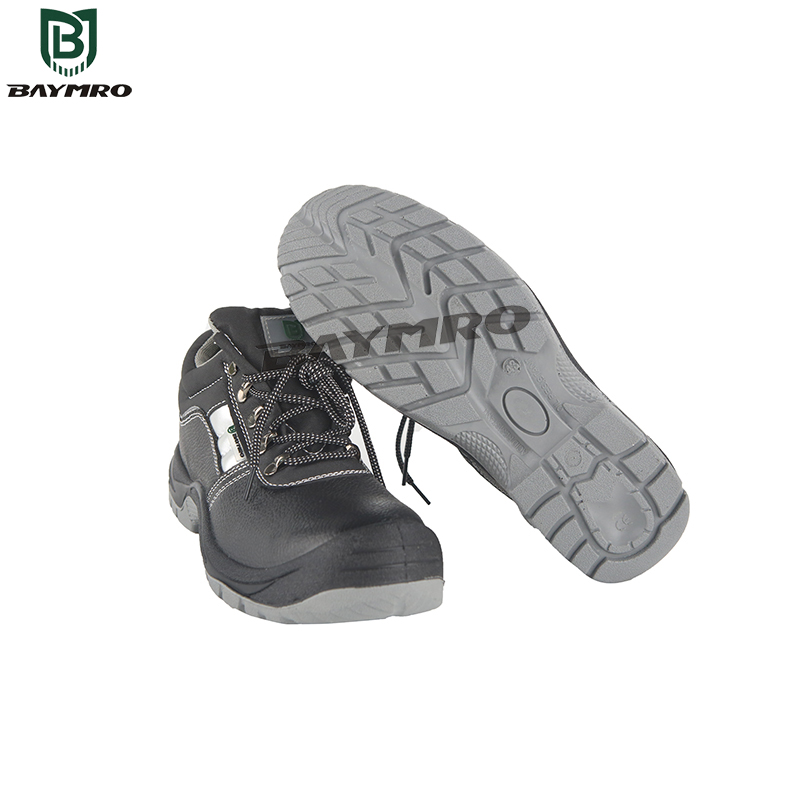
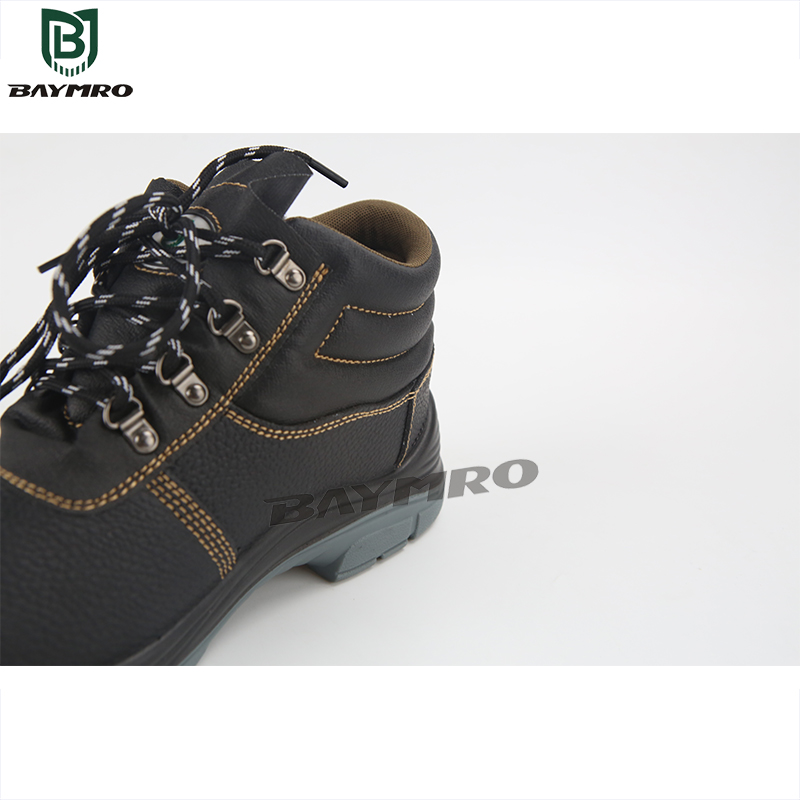
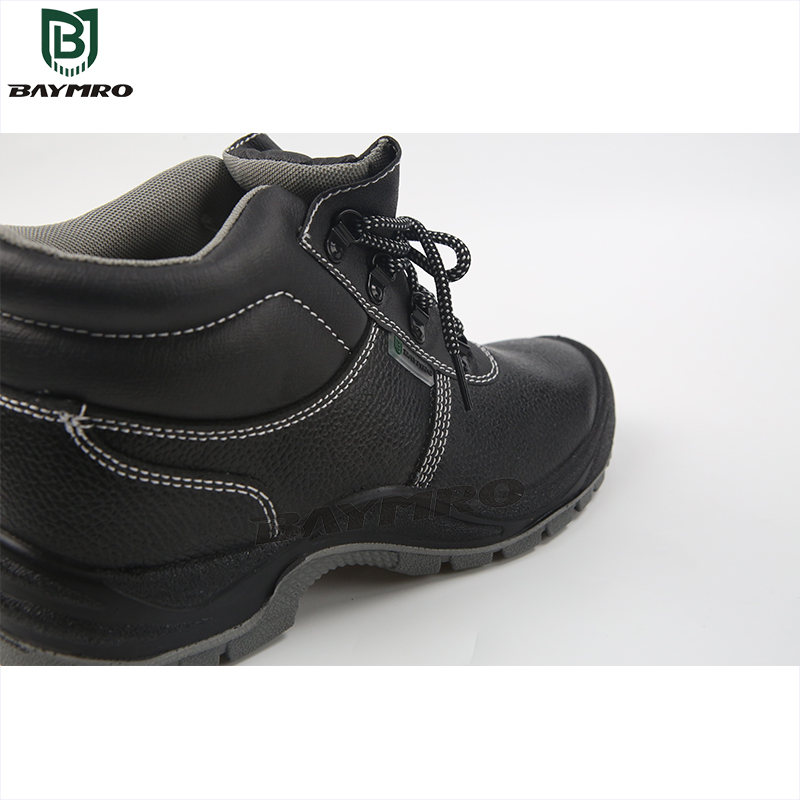
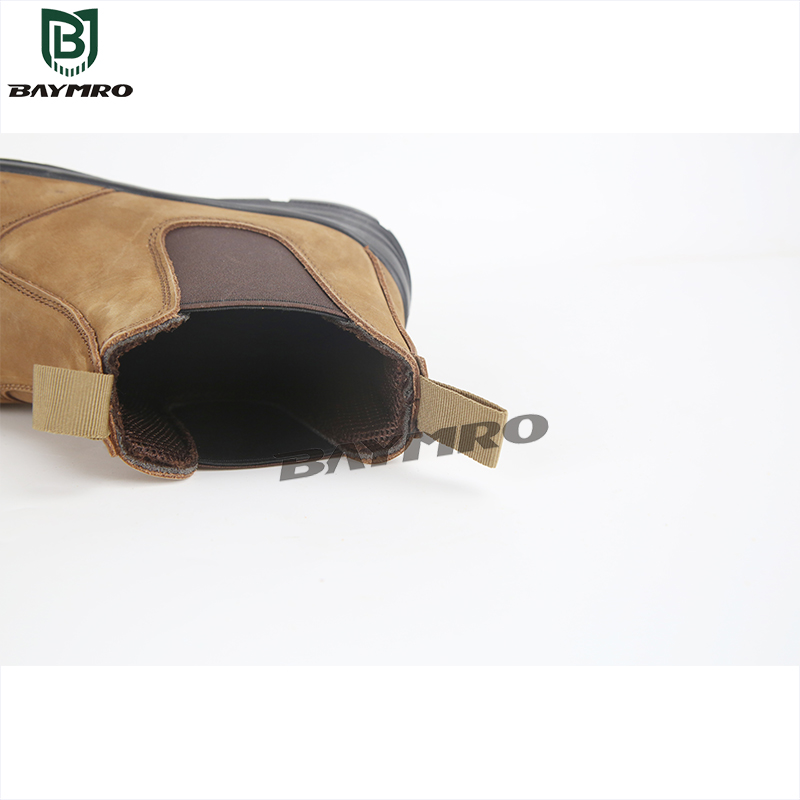
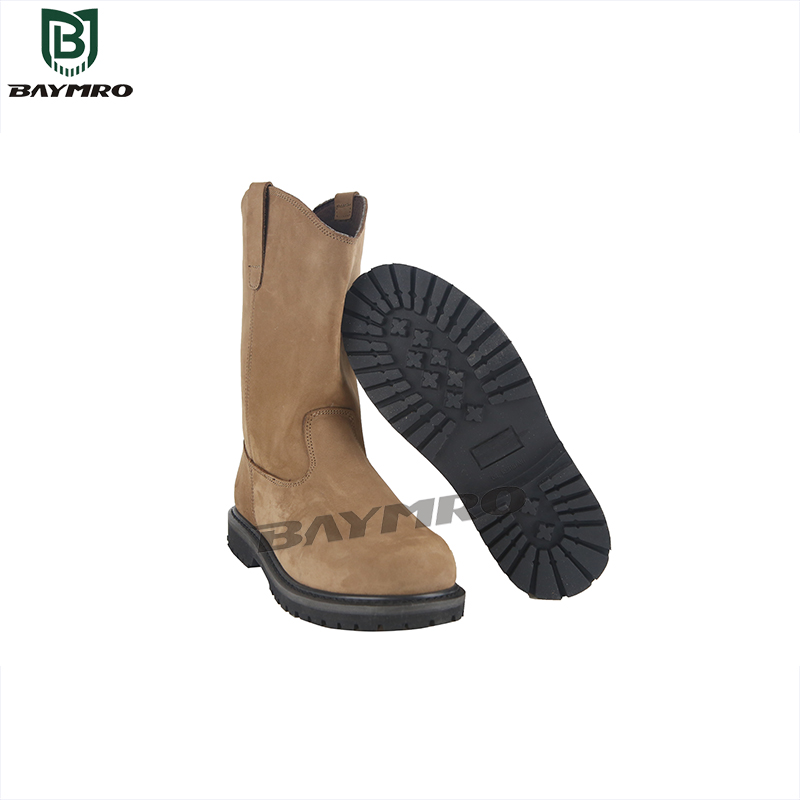
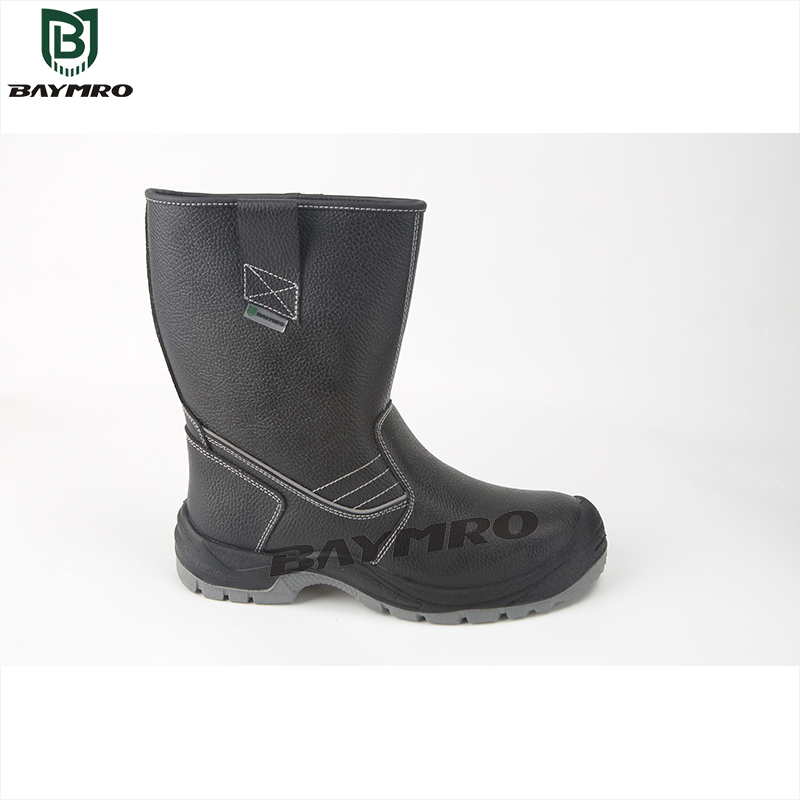
Safety Shoes
Source premium Safety Shoes from vetted suppliers and manufacturers across Asia. Designed for importers, industrial distributors, and brands seeking reliable OEM and private-label production, our network delivers compliant, high-volume footwear built for rigorous workplace environments.
Sourcing industrial safety footwear requires balancing strict regulatory compliance with unit economics. A failure in outsole adhesion or a substandard composite toe cap is not just a quality defect; it is a critical liability. Procuring in bulk means navigating complex material specifications, verifying factory testing capabilities, and ensuring every production run meets the exact occupational safety standards of your target market.
Defining Your Safety Specifications
Safety shoes are highly regulated. You cannot simply order "work boots" and expect them to clear customs or satisfy industrial buyers. Your bill of materials (BOM) and purchase orders must explicitly state the required ratings, typically EN ISO 20345 for Europe or ASTM F2413 for North America.
When communicating with manufacturers, the core components dictate both the compliance tier (e.g., S1P, S3) and the unit cost:
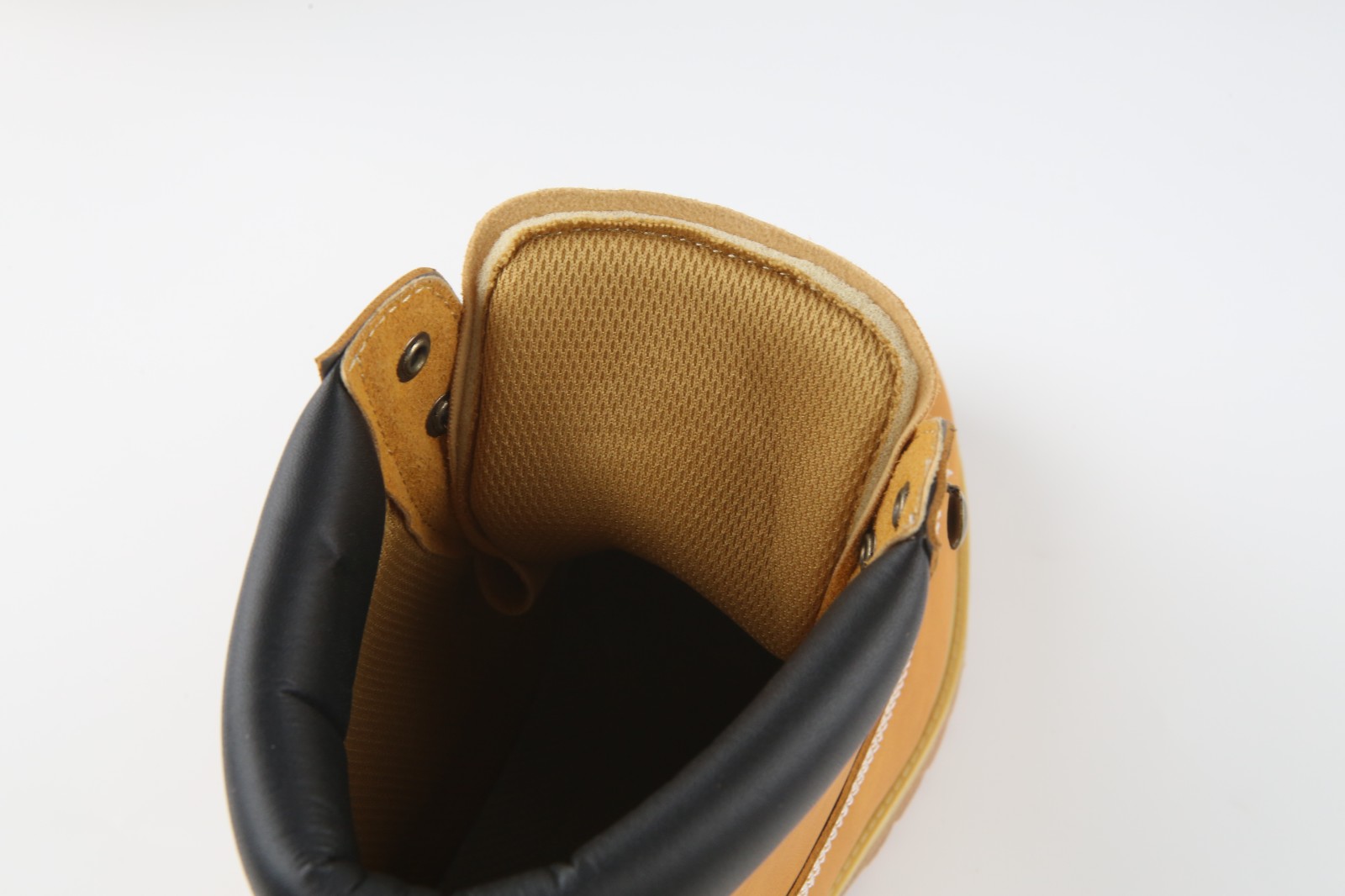
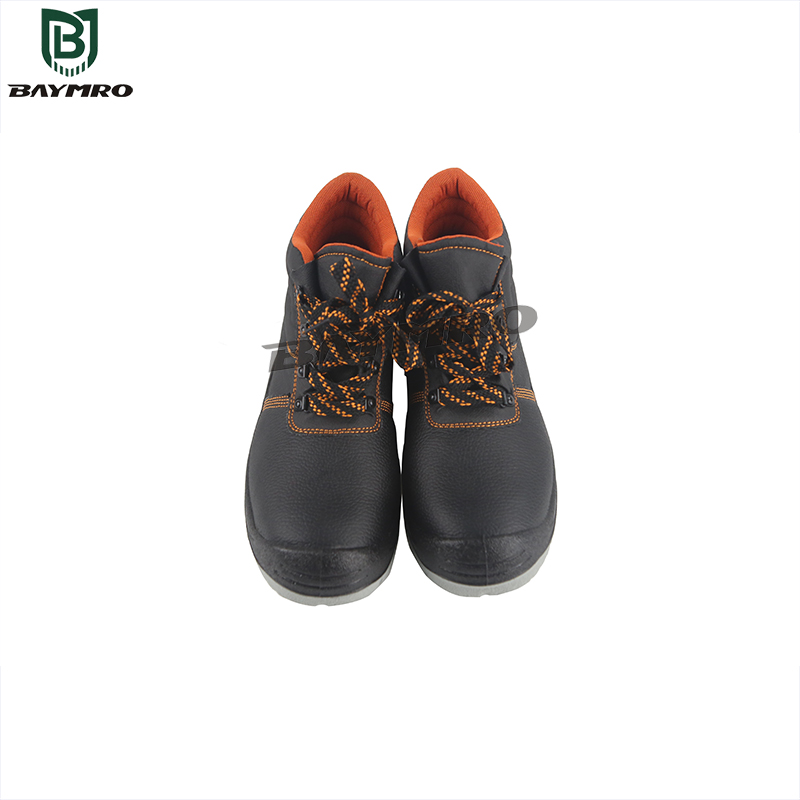
- Uppers: Full-grain leather offers maximum durability and water resistance (essential for S3 ratings). Split leather with a PU coating (action leather) is common for budget-friendly S1P models. Breathable flyknit or KPU uppers are increasingly popular for lightweight, indoor logistics footwear.
- Toe Caps: Steel toe caps are the industry standard for impact resistance (200 Joules) and are highly cost-effective. Composite or fiberglass toe caps are lighter, do not conduct cold or electricity, but add to the unit cost and require a bulkier shoe profile to achieve the same impact rating.
- Midsoles: Penetration resistance is achieved via steel plates (cheaper, rigid) or woven aramid/Kevlar fabrics (flexible, lightweight, non-metallic).
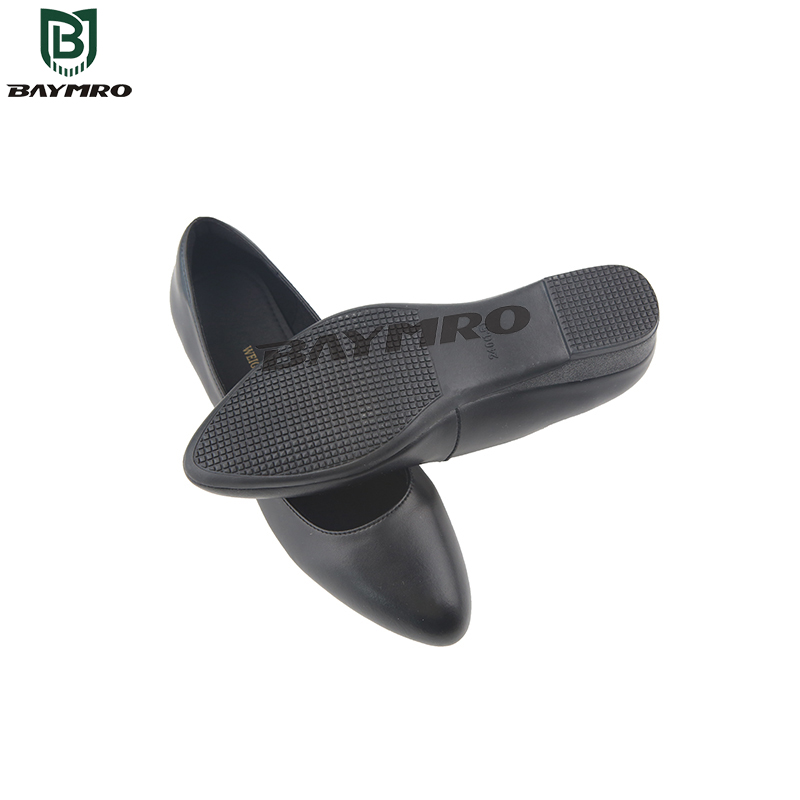
- Outsoles: The sole construction dictates slip resistance (SRC), heat resistance (HRO), and lifespan.
| Outsole Construction | Typical Application | Performance Characteristics |
|---|---|---|
| Dual-Density PU (PU/PU) | Indoor, light industry | Lightweight, excellent shock absorption, susceptible to hydrolysis over time. |
| PU / Rubber | Heavy industry, outdoor | High heat resistance (up to 300°C), excellent abrasion resistance, heavier. |
| EVA / Rubber | Athletic safety shoes | Extremely light, highly flexible, higher tooling costs for custom molds. |
Navigating complex safety standards and material specs? Let us help you align your product requirements with capable manufacturers.
Talk to our teamManufacturing Processes and Quality Control
The durability of a safety shoe heavily depends on how the outsole is attached to the upper. The two dominant methods in Asian manufacturing hubs (primarily China, Vietnam, and Indonesia) are injection molding and cold bonding (cementing).
Direct injection (using PU pouring machines like those from Desma or reliable domestic equivalents) creates a chemical bond between the upper and the sole. This method is highly efficient for large volumes but requires significant upfront investment in molds. Cold bonding is more versatile for complex, multi-color rubber soles but introduces the risk of delamination if the factory uses inferior adhesives or fails to properly rough and prime the leather.
Verifying a supplier's machinery and their in-house testing lab is a critical step in Factory Audits. A legitimate safety shoe manufacturer should have in-house equipment for testing impact resistance, compression, flex cracking, and anti-static properties.
Critical Defect Checks
During Quality Control & Inspection, inspectors must look beyond cosmetic flaws. Critical checks include:
Pre-Shipment Inspection Focus Areas
- Bonding strength: Minimum peel strength testing (typically requiring at least 3 N/mm).
- Toe cap alignment: Ensuring the steel/composite cap hasn't shifted during the lasting process, which can cause severe discomfort or compromise protection.
- Symmetry and lasting: Checking for twisted uppers or uneven heel counters.
- Electrical resistance testing: Verifying anti-static (100kΩ to 1000MΩ) or ESD properties.
- Labeling compliance: Permanent CE/ASTM markings, production dates, and batch numbers on the tongue label.
Pricing Drivers, MOQs, and Tooling
Volume buyers must understand how customization impacts the bottom line. Off-the-shelf designs using open molds will have lower barriers to entry, while custom tooling requires capital and higher commitments.
When utilizing OEM/ODM Services for private-label footwear, remember that outsoles require a unique mold for every single size. Developing a full size run (e.g., EU 36 to 47) for a custom sole can easily cost over $10,000 in tooling alone. To mitigate this, many buyers use a factory's existing "open mold" outsole and customize the upper design, colors, and branding.
Ready to optimize your footwear supply chain? Contact us to discuss pricing, factory selection, and quality management.
Get a free consultationRegulatory Compliance and Certification
Do not assume a factory's CE certificate covers your private-label brand. In the EU, safety footwear falls under Category II Personal Protective Equipment (PPE). The certification is tied to the specific manufacturer, brand, and exact material composition. If you change the leather supplier or brand the shoe with your own logo, the original CE certificate is generally invalidated.
You must factor in the cost and time (often 4 to 8 weeks) for proper Compliance & Testing through notified bodies like SATRA, CTC, or SGS to ensure the technical file legally covers your brand.
Frequently Asked Questions
Successful safety footwear sourcing is a meticulous process of matching exact technical requirements with the right manufacturing partner. By locking down your specifications, understanding mold economics, and enforcing strict in-line quality control, you can build a resilient and compliant footwear supply chain.
Get Sourcing Help for Safety Shoes
Tell us your requirements and our experts will connect you with verified manufacturers.