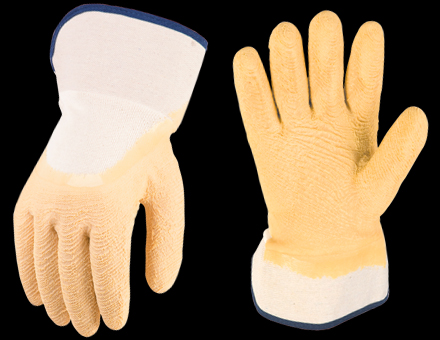
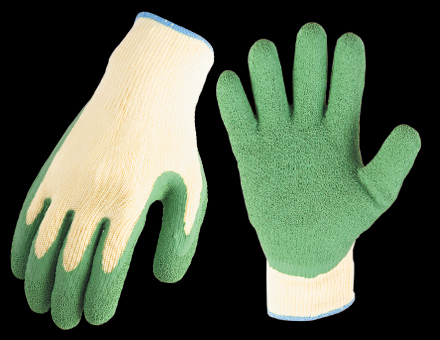
Safety Gloves
Source premium Safety Gloves in bulk from vetted manufacturers and wholesale suppliers. Designed for importers, distributors, and brands requiring OEM or private-label production, our global supply chain network ensures reliable fulfillment, strict compliance, and competitive pricing at scale.
Industrial safety gloves require precise engineering to balance dexterity with mechanical, thermal, or chemical protection. Sourcing these products at scale means navigating complex yarn blends, specialized coating formulations, and strict international safety standards where a minor manufacturing deviation can lead to compliance failure and rejected shipments.
Deconstructing Glove Specifications
When communicating specifications to a manufacturer, precision is critical. Vague requirements lead to material substitution and inconsistent performance. A professional spec sheet must clearly define the liner, the coating, and the knitting gauge.
| Component | Material Options | Performance Impact |
|---|---|---|
| Liner Yarn | HPPE, Aramid, Fiberglass, Steel Core | Dictates baseline cut resistance, tensile strength, and breathability. |
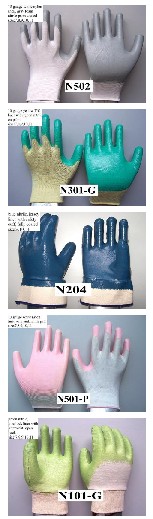
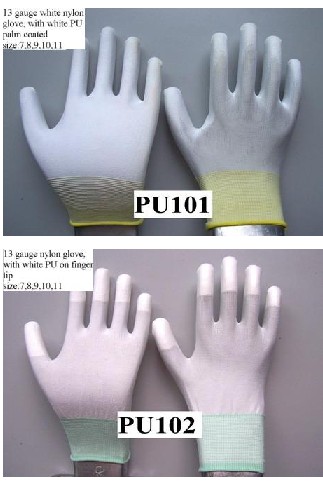
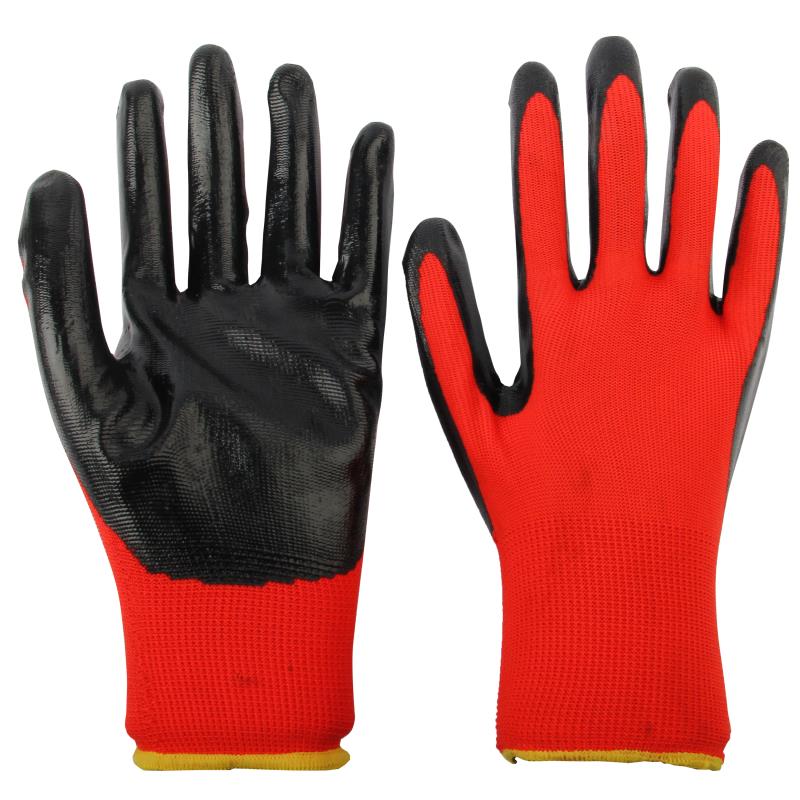
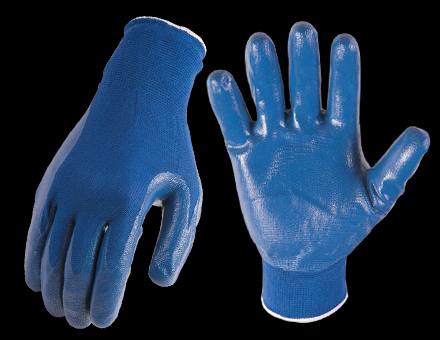
| Polymer Coating | Polyurethane (PU), Nitrile, Sandy Nitrile, Latex | Determines grip in oily/wet conditions, abrasion resistance, and liquid repellency. |
| Knitting Gauge | 10g, 13g, 15g, 18g | Lower numbers mean thicker, heavier gloves; higher numbers (18g) offer maximum bare-hand dexterity. |
The interaction between the yarn and the dipping process is where factory expertise is truly tested. An 18-gauge liner requires advanced engineered yarns (like tungsten or ultra-high-molecular-weight polyethylene) to achieve high ANSI cut levels without the bulk.
Ensure your technical specifications translate perfectly to the factory floor with our engineering support.
Talk to our teamManufacturing Quality and Compliance Standards
Safety gloves are heavily regulated. In the US, buyers look for ANSI/ISEA 105 ratings (Cut Levels A1 to A9), while the European market requires EN388:2016 certification (evaluating abrasion, cut, tear, and puncture resistance). Securing authentic certification requires rigorous compliance testing by accredited third-party labs.
Quality is won or lost during the knitting and dipping stages. If the factory's environmental controls (temperature and humidity) are poorly managed during polymer curing, the coating will degrade prematurely or exhibit pinholes, compromising chemical and liquid resistance.
Critical Factory QC Checks
- Coating consistency: Check for uneven dipping lines, pinholes, or excess polymer buildup between fingers.
- Overlock stitching: Ensure the wrist cuff binding is secure and color-coded correctly for sizing.
- Weight tolerance: Weigh samples per dozen to ensure yarn density meets the agreed specification.
- Adhesion testing: Verify the polymer coating does not delaminate from the knit liner under stress.
Implementing strict in-line quality control prevents these defects from being packed and shipped. Catching a curing issue early saves entire production runs from being scrapped.
Purchasing Mechanics: MOQs, Pricing, and Lead Times
Because safety gloves are produced on automated knitting machines and continuous dipping lines, factories require significant volume to justify setup times and material dyeing.
- Typical MOQs: Most reliable manufacturers set MOQs around 12,000 pairs (1,000 dozen) per style and color. This volume can usually be split across standard sizes (e.g., S, M, L, XL) according to your specified ratio.
- Pricing Drivers: The primary cost variables are the complexity of the yarn blend (adding fiberglass or steel core increases cost) and the coating material (sandy nitrile is generally more expensive than standard PU).
- Lead Times: Standard production runs require 30 to 45 days, depending on whether the raw yarn needs to be custom-dyed.
For brands looking to build proprietary product lines, utilizing OEM/ODM services allows for custom TPR (Thermoplastic Rubber) impact bumpers, branded heat transfers, and tailored retail packaging.
Optimize your bulk purchasing, negotiate better MOQs, and streamline your supply chain.
Get a free consultationFrequently Asked Questions
Sourcing safety gloves requires balancing unit economics with uncompromising protective standards. By partnering with vetted manufacturers and enforcing rigorous quality control, you can build a reliable supply chain that protects both the end-user and your brand's reputation.
Get Sourcing Help for Safety Gloves
Tell us your requirements and our experts will connect you with verified manufacturers.