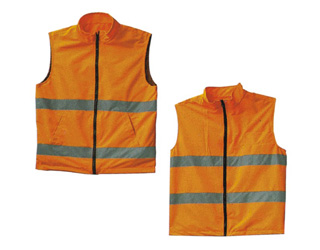
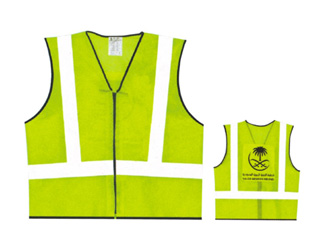
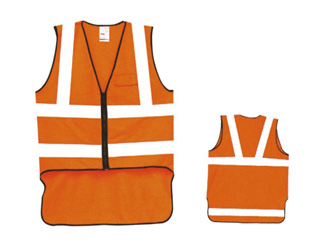
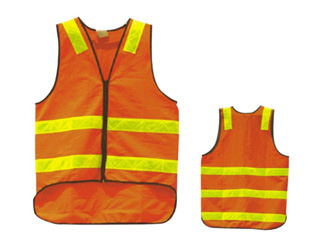
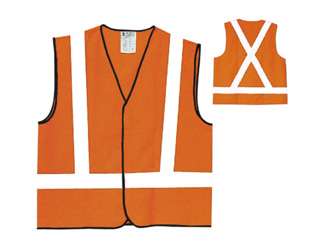
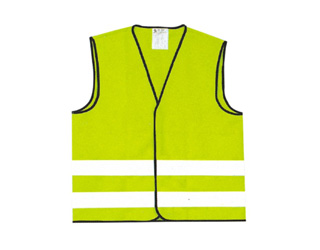
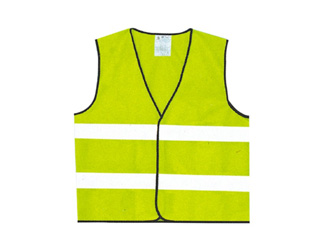
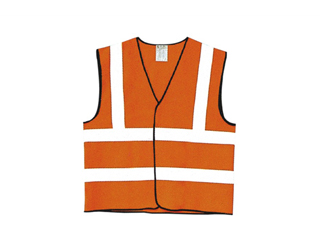
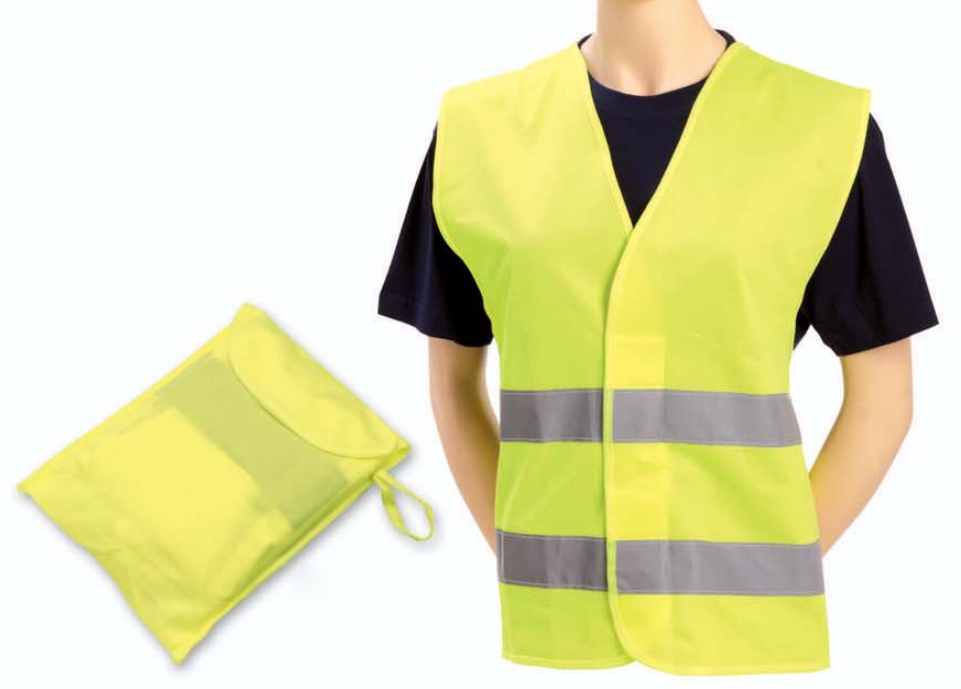
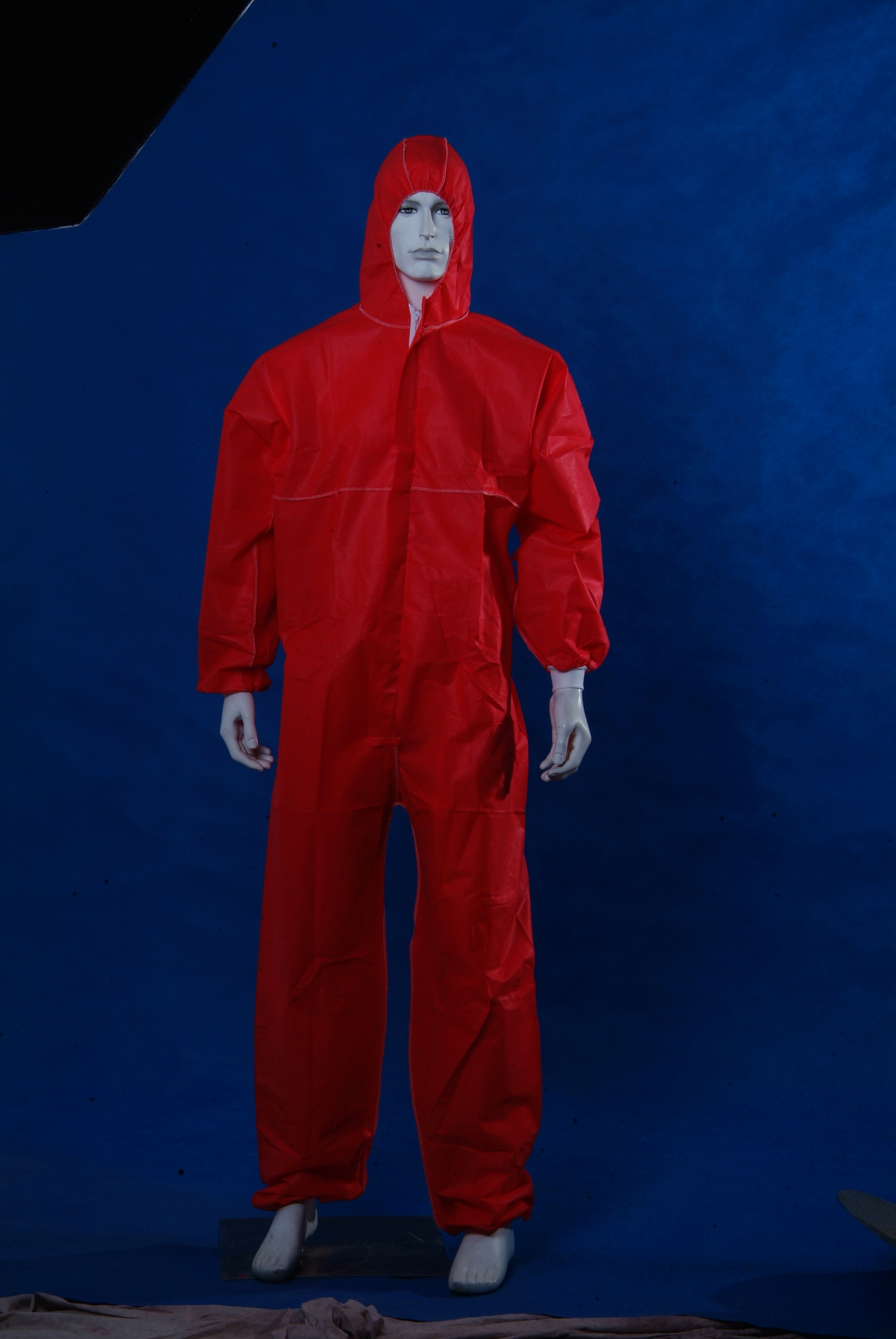
Safety Clothing
Source high-quality Safety Clothing from vetted suppliers and manufacturers. Designed for importers, wholesalers, distributors, and brands seeking reliable OEM/private-label production, our network delivers bulk PPE apparel that meets strict international safety and compliance standards.
Sourcing industrial safety clothing requires balancing strict regulatory compliance with durability, worker comfort, and cost at scale. When buying in bulk, the primary challenge is ensuring consistency across production batches. A slight deviation in fabric weight, reflective tape luminosity, or seam integrity can result in failed compliance tests, rejected shipments, and compromised worker safety.
Core Material Specifications and Tolerances
Professional buyers must specify exact material parameters to avoid supplier shortcuts. Factory defaults often lean toward cheaper, lighter fabrics if tolerances are not explicitly defined in the tech pack.
- Fabric Weight (GSM): Safety garments typically range from 120 GSM for lightweight cooling shirts to over 300 GSM for heavy-duty winter or flame-resistant (FR) gear. Specify an acceptable variance (usually plus or minus 3 percent).
- Fabric Composition: Blends dictate durability and comfort. Standard high-visibility gear often uses 100% polyester for dye retention, while FR garments require specific blends.
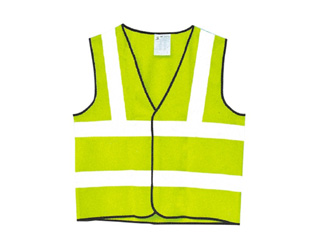
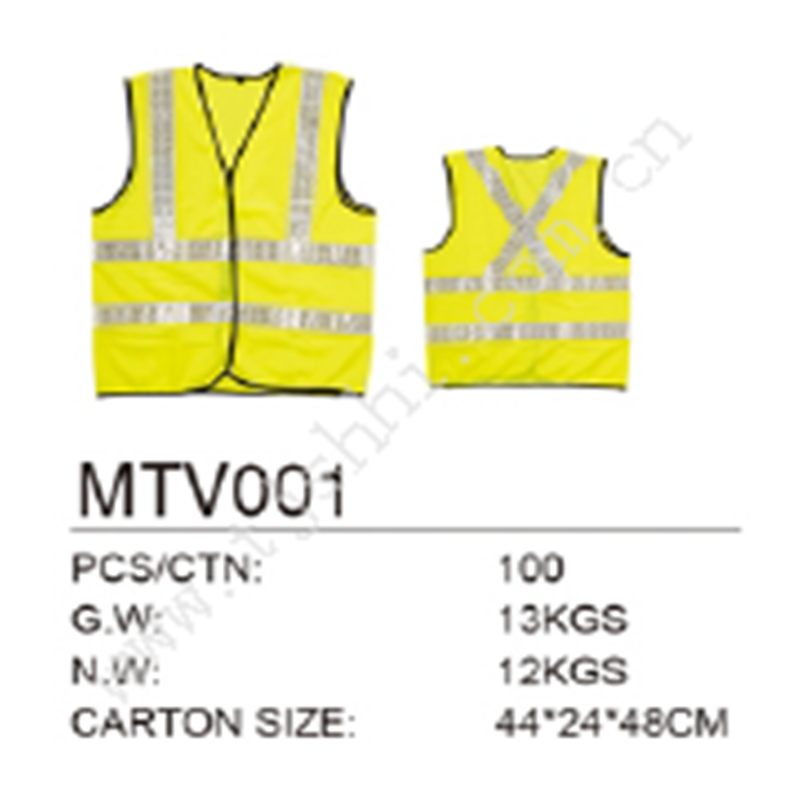
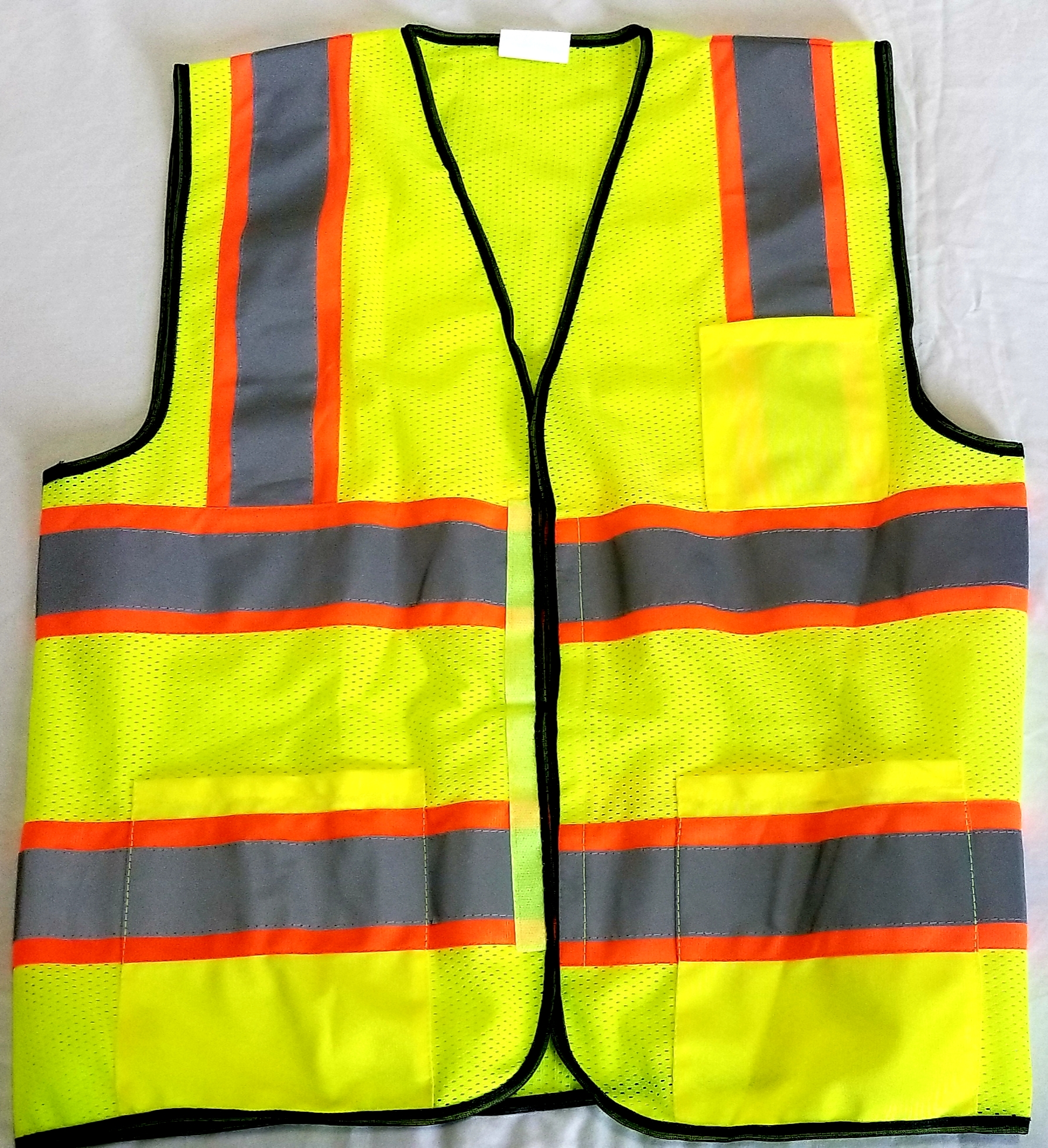
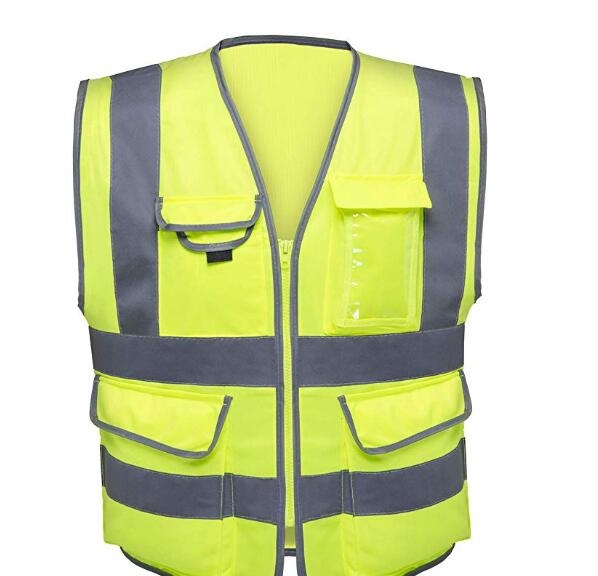
- Reflective Tape: The retroreflective coefficient is critical. Generic tapes may pass initial testing but degrade rapidly after washing. Specify the required wash-cycle retention (e.g., 25, 50, or 100 cycles) and whether the tape should be sewn-on or heat-transferred.
| FR Fabric Technology | Wash Life (Typical) | Cost Profile | Best Application |
|---|---|---|---|
| Treated Cotton/Poly | 50-100 cycles | Moderate | General industrial, welding |
| Inherent FR (Aramid/Modacrylic) | Life of garment | Premium | Petrochemical, electrical utility |
Manufacturing Execution and Quality Control
Quality in safety clothing is won or lost on the factory floor during assembly. High-speed production lines can cause needle damage to technical fabrics or result in uneven tape application, which compromises the garment's safety rating.
Struggling with inconsistent production quality? Let us manage your factory communications and quality assurance.
Talk to our teamCritical Assembly Points
- Seam Construction: Safety garments endure heavy physical stress. Look for double or triple-needle stitching on major seams and reinforced bartacking at pocket corners, belt loops, and zipper bases.
- Tape Application: Sewn-on reflective tape must be applied with correct thread tension. If the tension is too high, the fabric will pucker, leading to premature wear and failure during wash cycles.
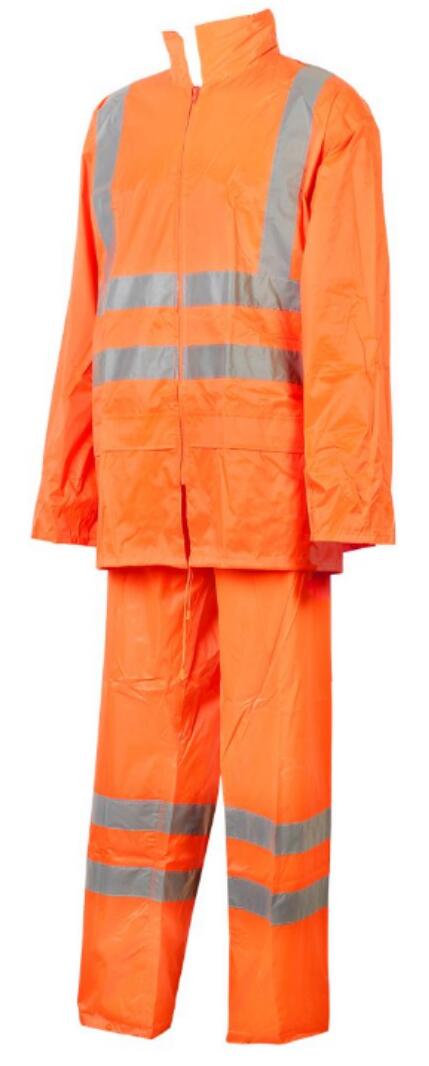
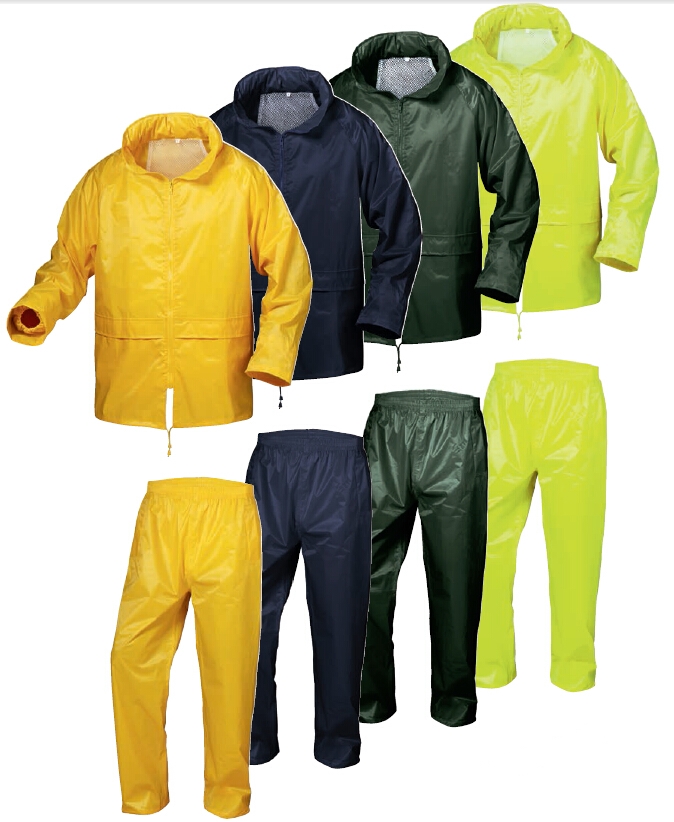
- Dye Sublimation and Colorfastness: Fluorescent fabrics (yellow, orange, red) must maintain their chromaticity. Poor dyeing processes lead to fading under UV exposure, causing the garment to fall out of ANSI/EN compliance.
To mitigate these risks, implementing rigorous in-line inspections is essential to catch stitching and tape errors before the garments are finished and packed.
Pre-Shipment Inspection Focus Areas
- Retroreflectometer testing on tape luminosity
- Colorfastness to washing, rubbing, and UV light
- Dimensional stability (shrinkage limits under 3%)
- Hardware durability (zippers, snaps, and velcro cycle testing)
- Verification of permanent compliance labeling
Compliance, Testing, and Certification
Importing safety clothing into regulated markets like North America or the EU requires strict adherence to standards (e.g., ANSI/ISEA 107, EN ISO 20471, EN ISO 11612).
A common sourcing pitfall is relying on a manufacturer's outdated or fabricated certificates. The certificate must match the exact fabric, tape, and design of your production run. For brands engaged in OEM/ODM manufacturing, any modification to the garment's design—such as moving a pocket across a reflective band—can void existing certifications. Always budget for third-party independent compliance testing for new custom designs.
MOQs, Lead Times, and Pricing Reality
Pricing in safety apparel is highly sensitive to raw material costs, specifically the brand of reflective tape (e.g., 3M vs. generic) and specialized fabric treatments.
When negotiating, remember that pushing suppliers too hard on price often results in invisible downgrades—such as using a 100 GSM fabric instead of 120 GSM, or swapping to a tape that loses reflectivity after 10 washes instead of 25.
Need realistic pricing and vetted suppliers for your next bulk order? We can help you source safely.
Get a free consultationFrequently Asked Questions
Sourcing safety clothing at scale is an exercise in risk management. Success depends on airtight specifications, rigorous verification of raw materials, and persistent oversight on the factory floor. By controlling these variables, you ensure your bulk imports protect both the end-user and your brand's reputation.
Get Sourcing Help for Safety Clothing
Tell us your requirements and our experts will connect you with verified manufacturers.