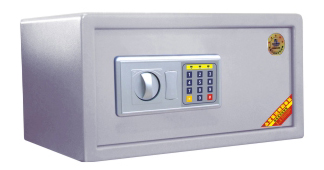
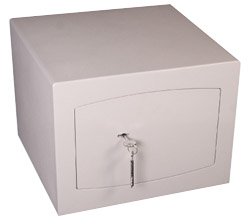
Safes
Source high-quality safes from vetted manufacturers and reliable suppliers. Designed for importers, wholesalers, distributors, and security brands requiring dependable OEM and private-label production, our network delivers certified security solutions in bulk. Partner with us for competitive pricing and rigorous quality control.
Sourcing safes in bulk requires balancing rigorous security specifications with the logistical realities of shipping heavy steel products. Whether you are importing standard hotel room lockboxes or engineering high-grade commercial vaults, success depends on partnering with factories capable of precise metal fabrication, reliable electronic integration, and consistent quality control.
Key Specifications for OEM & Private Label Safes
When working with a manufacturer, vague specifications lead to subpar products. The structural integrity of a safe is dictated by the materials and fabrication methods used. If you are utilizing OEM/ODM Services to develop a custom line, you must define the exact parameters for both the body and the door.
- Steel Gauge and Quality: Do not accept generic "carbon steel" descriptions. Specify the exact gauge (e.g., 12-gauge, 10-gauge, or thicker) or millimeter thickness for both the door and the body. The door typically requires thicker steel than the body to resist pry attacks.
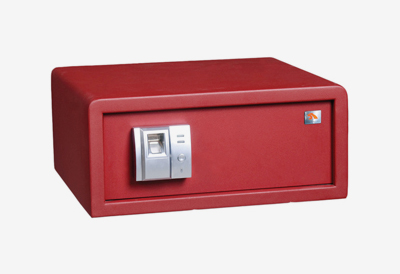
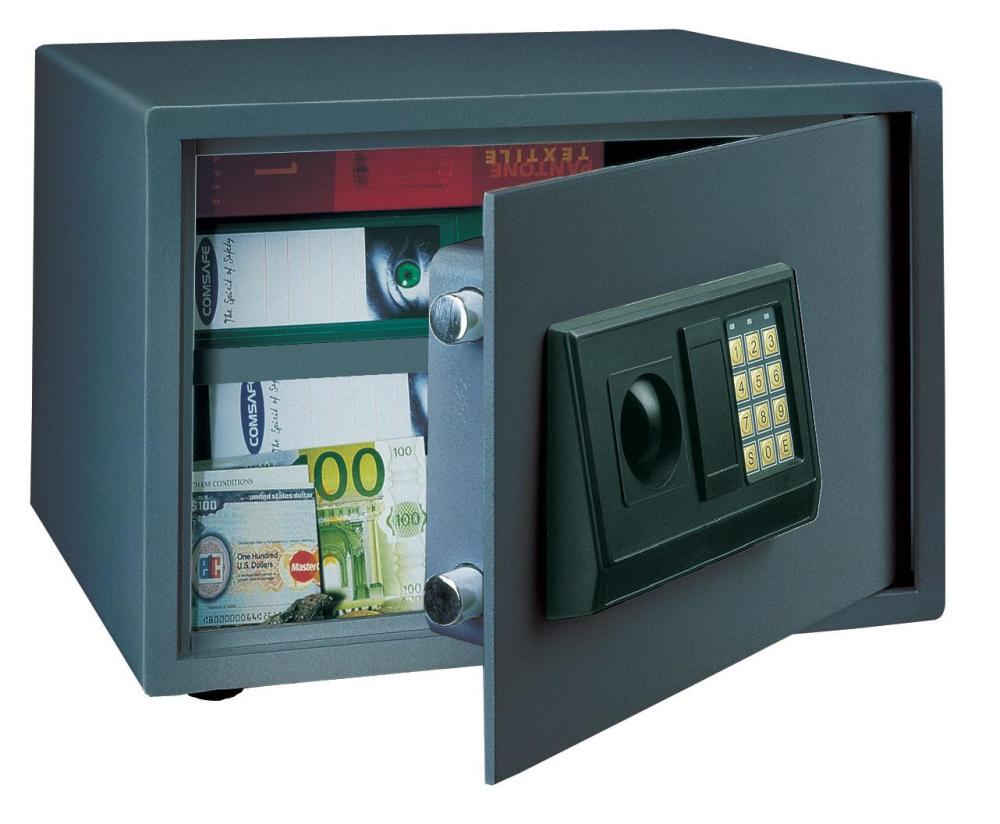
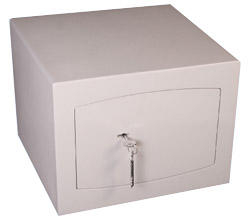
- Locking Mechanisms: The reliability of the safe depends heavily on the lock. For electronic and biometric locks, specify the sensor type (e.g., optical vs. semiconductor fingerprint readers) and the solenoid quality. For mechanical locks, clarify the brass pin count and anti-drill hardplate integration.
- Hinge Design: Internal hinges offer better protection against cutting but limit the door's opening angle. External hinges allow a 180-degree opening but must be paired with active or passive locking bolts on the hinge side to maintain security if the hinges are defeated.
| Safe Category | Typical Construction | Primary Security Focus |
|---|---|---|
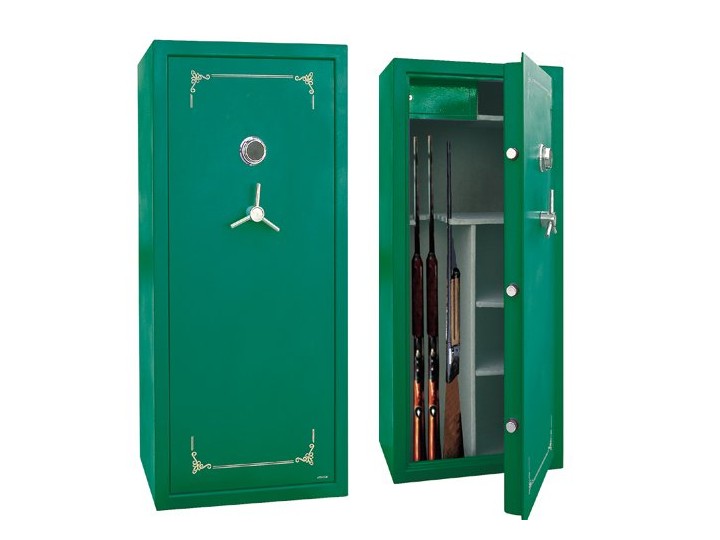
| Burglary / Security | Solid steel, anti-drill hardplates, relockers | Defeating drill, pry, and physical attacks |
| Fire Resistant | Double-wall sheet metal + gypsum/concrete composite | Thermal insulation and structural integrity in heat |
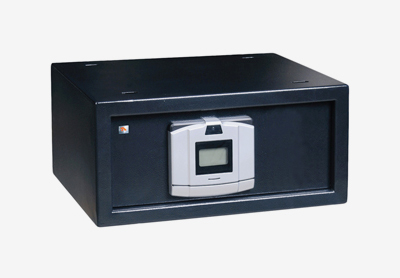
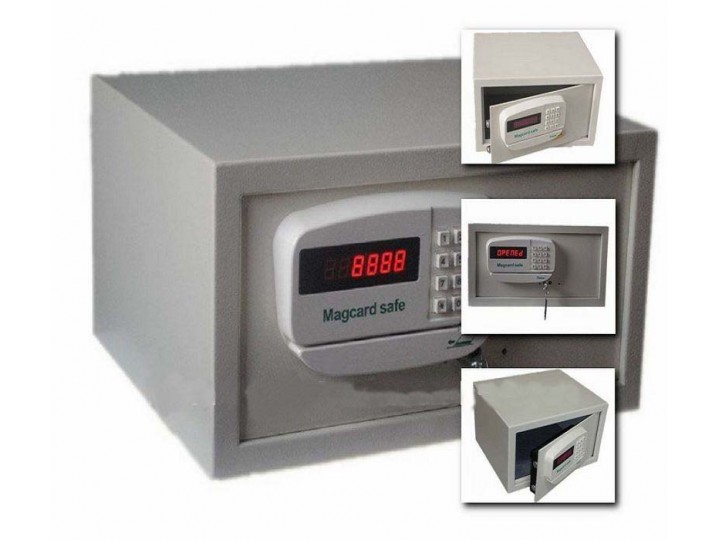
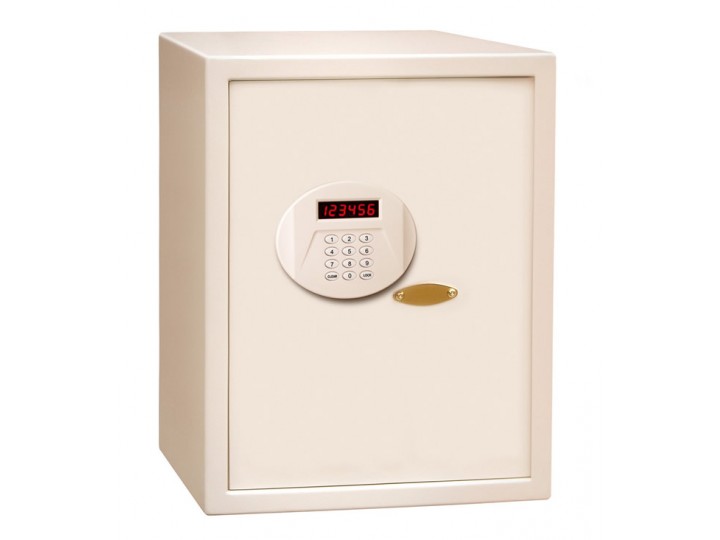
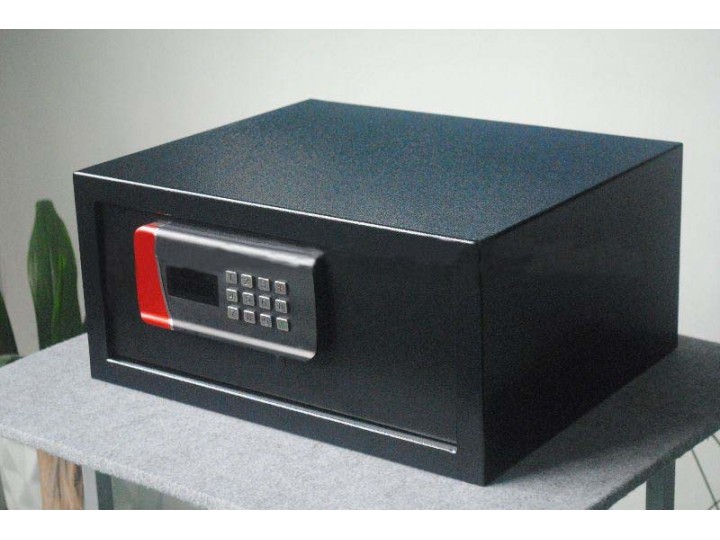
| Hotel / Lightweight | Thin-gauge steel (14-16 gauge), basic solenoid lock | Deterring opportunistic theft, low shipping weight |
Need to identify factories capable of meeting strict security specifications?
Talk to our teamManufacturing Quality and Factory Floor Risks
The difference between a high-security safe and a heavy metal box is often determined on the factory floor. Welding quality, paint application, and lock installation are critical failure points. Conducting thorough Factory Audits is essential to verify that a supplier has the automated laser cutting and robotic welding equipment necessary for consistent production.
Critical Pre-Shipment Inspection Points
- Seam Welding: Check for continuous, slag-free welds. Spot welding is unacceptable for high-security models.
- Powder Coating: Inspect for uniform thickness. Uneven coating leads to rapid rust, especially in humid climates.
- Door Clearance: Measure the gap between the door and the frame. Gaps larger than 2mm invite pry attacks.
- Bolt Work Actuation: Test the locking bolts for smooth deployment without binding or excessive play.
- Electronic Override: Verify that the mechanical override key functions smoothly and bypasses the solenoid completely.
Catching these issues requires rigorous Quality Control & Inspection before the container is sealed. Reworking a 200kg safe after it arrives in your domestic warehouse is cost-prohibitive.
Certifications and Compliance Testing
Selling safes in regulated markets or to commercial buyers often requires specific certifications. Do not take a factory's claim of "fireproof" or "burglar-proof" at face value without verified test reports.
- Burglary Ratings: Familiarize yourself with standards like EN 14450 (for secure safe cabinets), EN 1143-1 (for high-security safes), or UL standards (like TL-15 or TL-30).
- Fire Ratings: Look for UL 72, EN 1047-1, or JIS S 1037 certifications. These dictate how long the internal temperature remains under a specific threshold (e.g., 177 degrees Celsius for paper) during a fire.
- Electronic Compliance: If the safe features a digital keypad or biometric scanner, it must comply with FCC, CE, or RoHS standards depending on your target market.
Managing these requirements often involves third-party Compliance & Testing to ensure the first production run matches the approved golden sample.
Pricing Drivers, MOQs, and Logistics
The economics of sourcing safes are heavily influenced by their weight and volume. Shipping costs often represent a significant percentage of the total landed cost.
Because safes are dense, you will frequently "weigh out" a shipping container before you "cube it out." This means a 20-foot container might hit its maximum weight limit while still half empty. Strategic product mixing—combining heavy safes with lighter security accessories—can optimize freight spend.
Optimize your safe sourcing, from factory vetting to landed logistics.
Get a free consultationFrequently Asked Questions
Successfully sourcing safes requires a deep understanding of metal fabrication, locking technology, and heavy freight logistics. By controlling the specifications tightly and verifying quality at the factory level, buyers can secure reliable products that protect both their end-users' valuables and their own brand reputation.
Get Sourcing Help for Safes
Tell us your requirements and our experts will connect you with verified manufacturers.