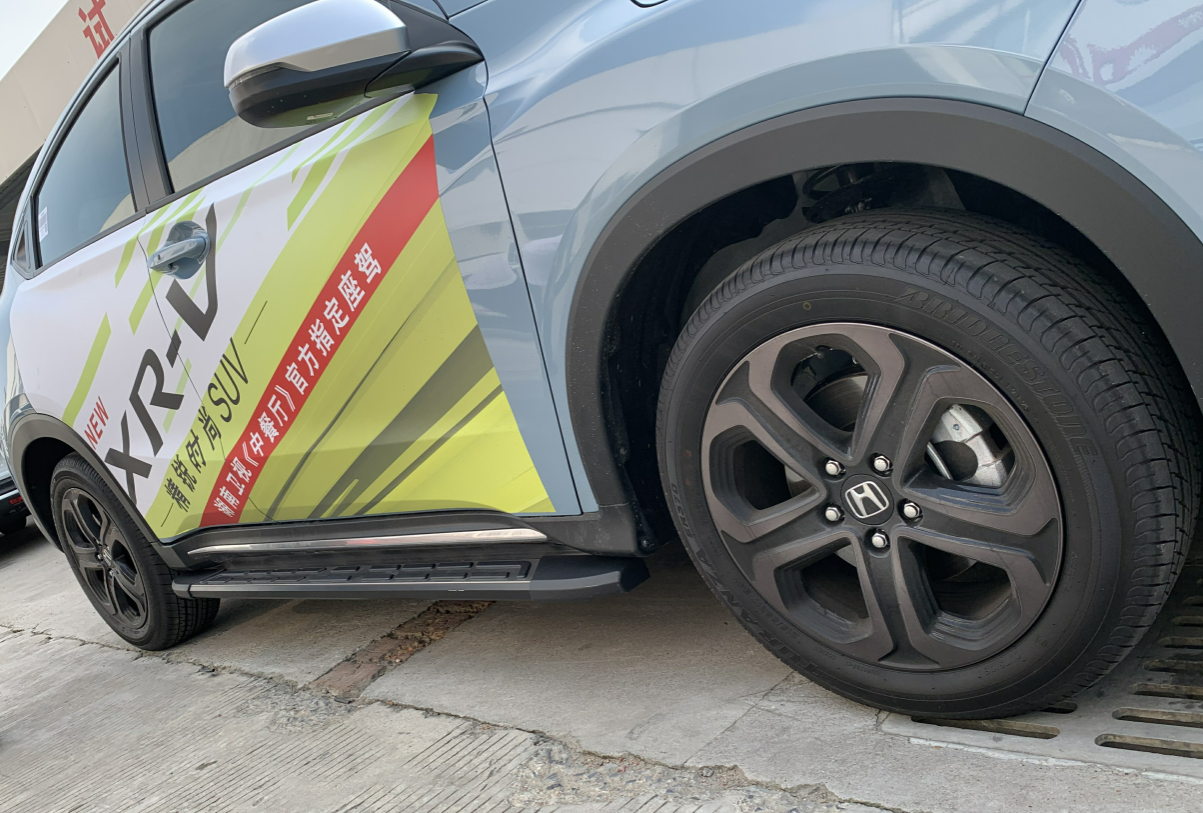
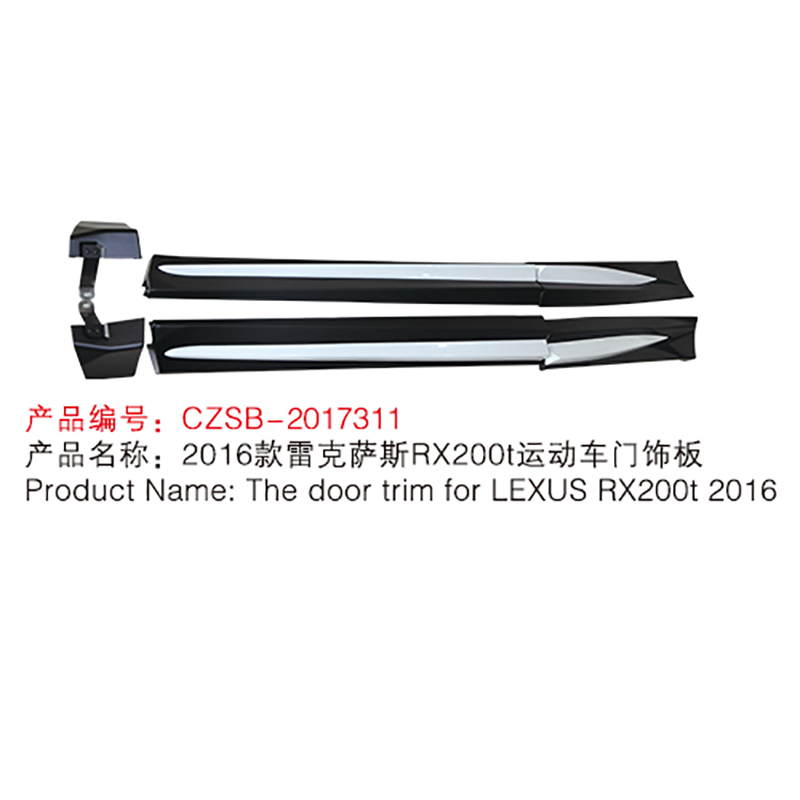
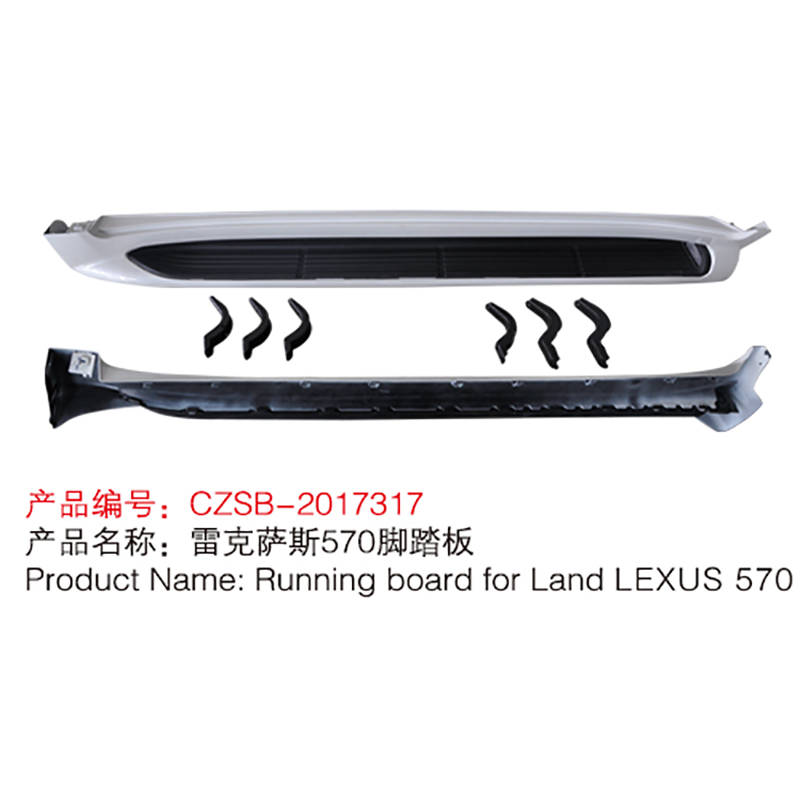
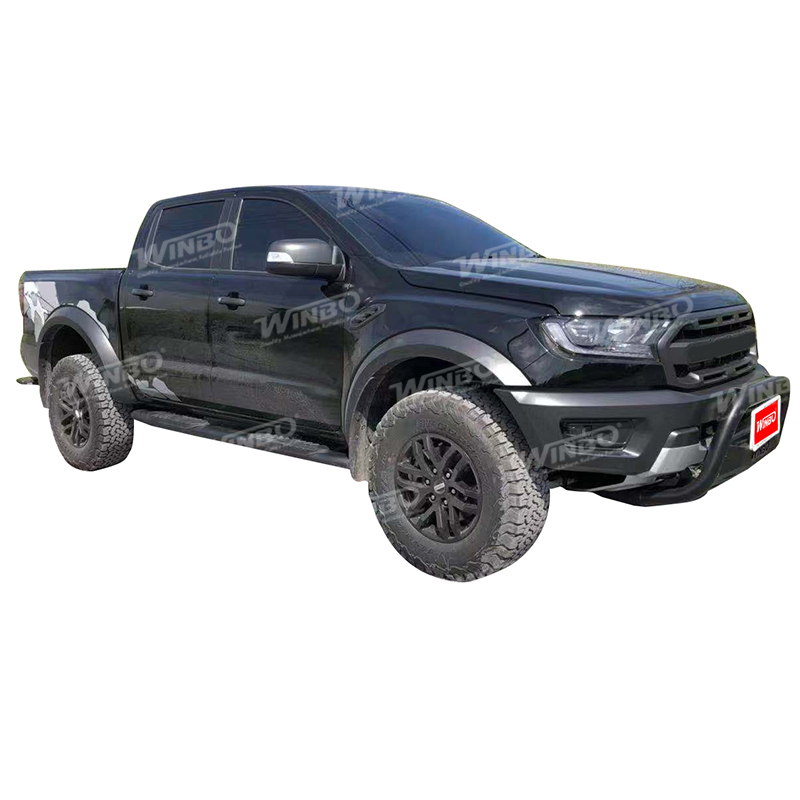
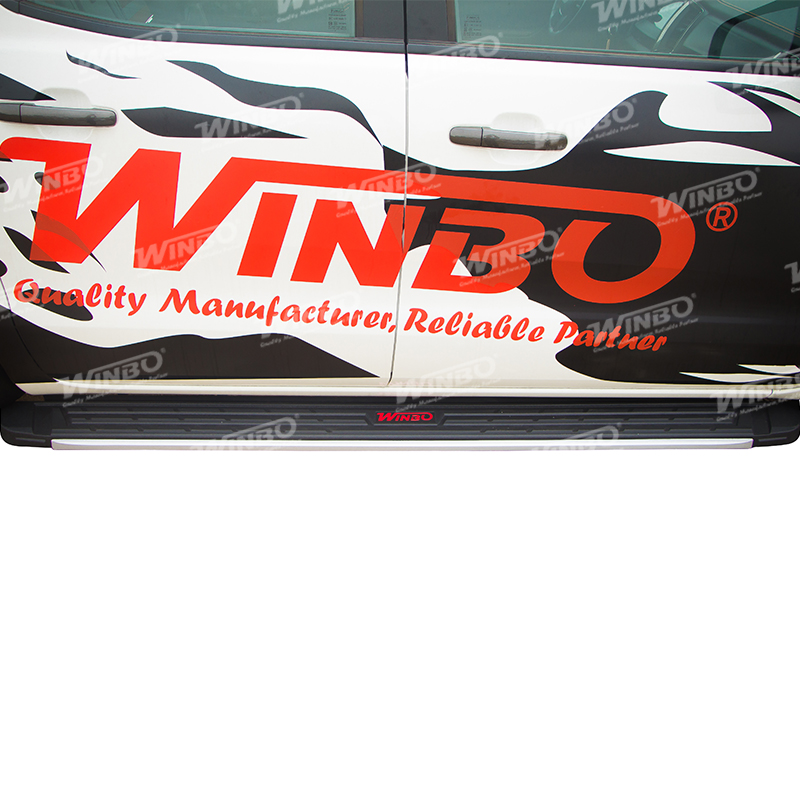
Running Boards
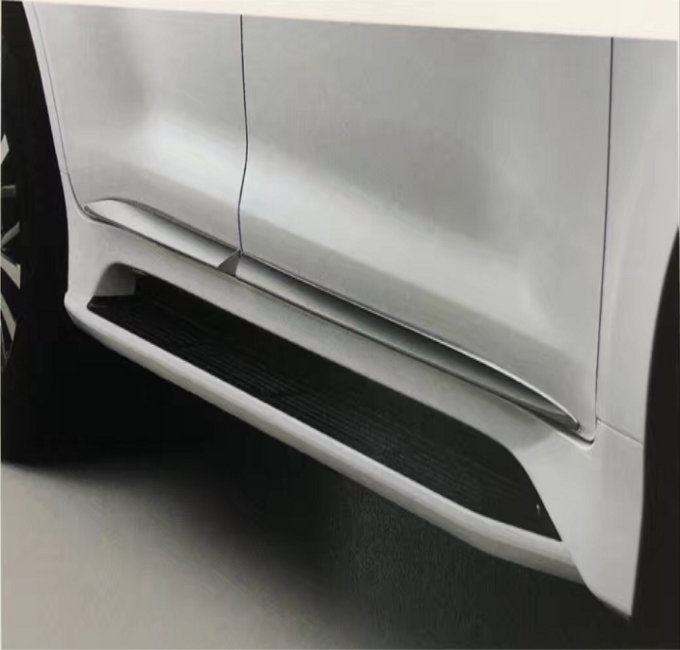
Source premium running boards directly from vetted manufacturers and wholesale suppliers. Tailored for automotive accessory importers, distributors, and brands seeking reliable OEM/ODM production, our network delivers high-quality side steps engineered for durability, exact fitment, and competitive volume pricing.
Sourcing running boards and side steps at volume requires balancing three critical engineering factors: structural integrity, corrosion resistance, and exact vehicle fitment. A failure in any of these areas leads to high return rates, safety liabilities, and damaged brand reputation. For B2B buyers, selecting a manufacturing partner capable of precision fabrication and rigorous quality management is the difference between a profitable product line and a logistical headache.
Material Selection and Fabrication
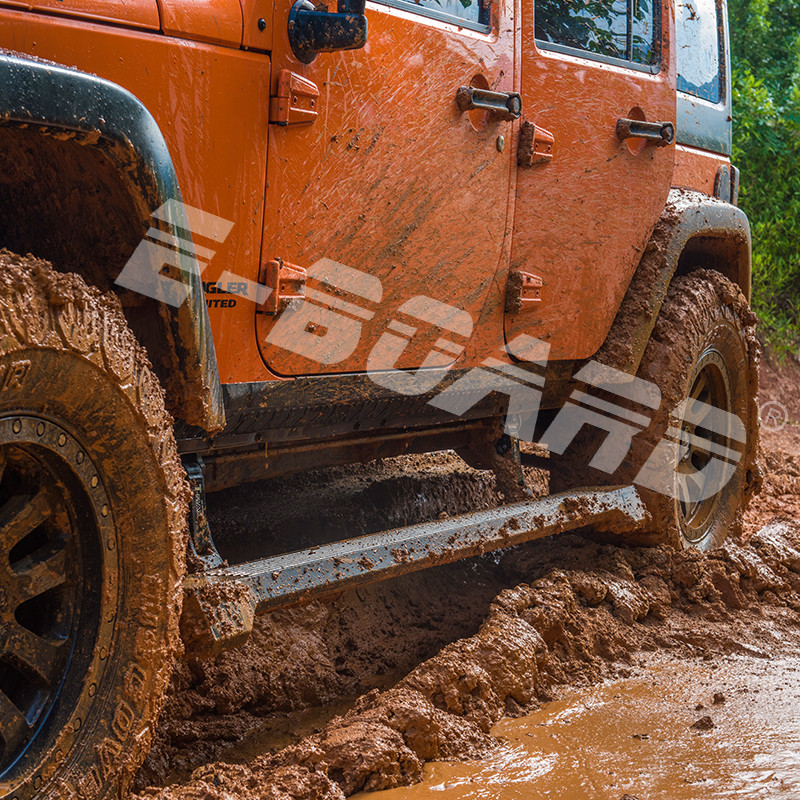
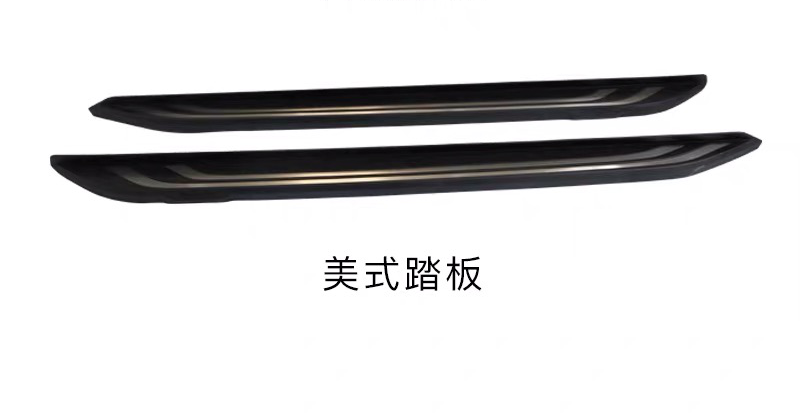
The core material dictates the running board's weight, load capacity, and manufacturing cost. Most modern consumer-grade boards utilize extruded aluminum, while heavy-duty and off-road applications rely on carbon steel.
When evaluating factories, review their extrusion and welding capabilities. Suppliers should maintain tight tolerances on aluminum extrusion dies to ensure the step pads and end caps seat perfectly without gaps.
| Material Profile | Extruded Aluminum | Carbon Steel |
|---|---|---|
| Primary Application | SUVs, CUVs, light trucks | Heavy-duty trucks, off-road vehicles |
| Corrosion Resistance | Excellent (inherent + anodized) | Moderate (relies entirely on coating) |
| Weight Impact | Lightweight (lower freight costs) | Heavy (higher shipping overhead) |
| Tooling Complexity | Requires custom extrusion dies | Requires heavy stamping/welding fixtures |
Struggling to find a manufacturer with the right fabrication capabilities? Let our sourcing engineers match you with a vetted supplier equipped for your exact specifications.
Discuss your sourcing requirementsThe Critical Point of Failure: Mounting Brackets
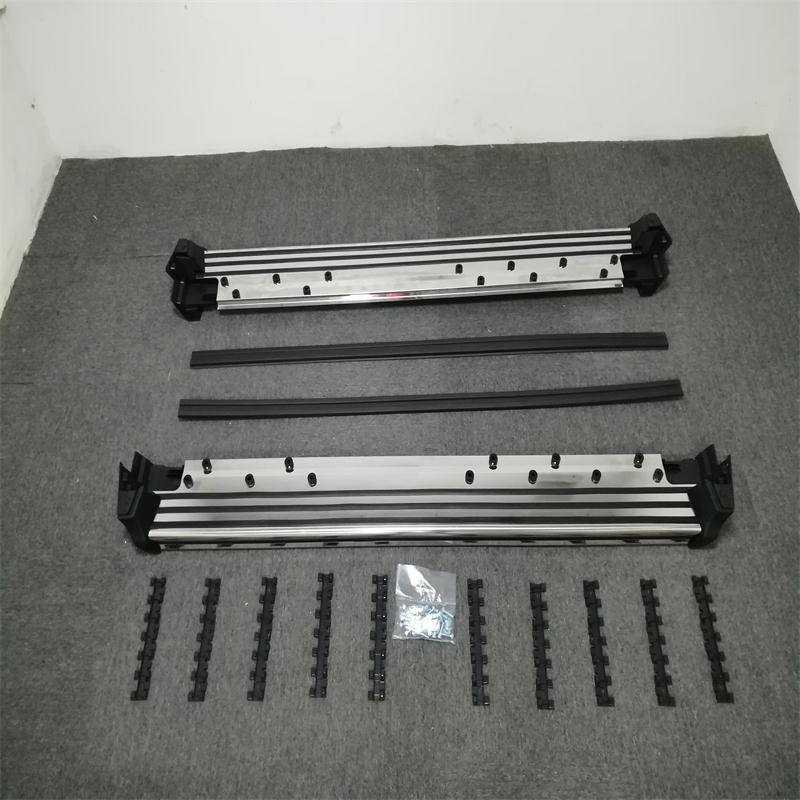
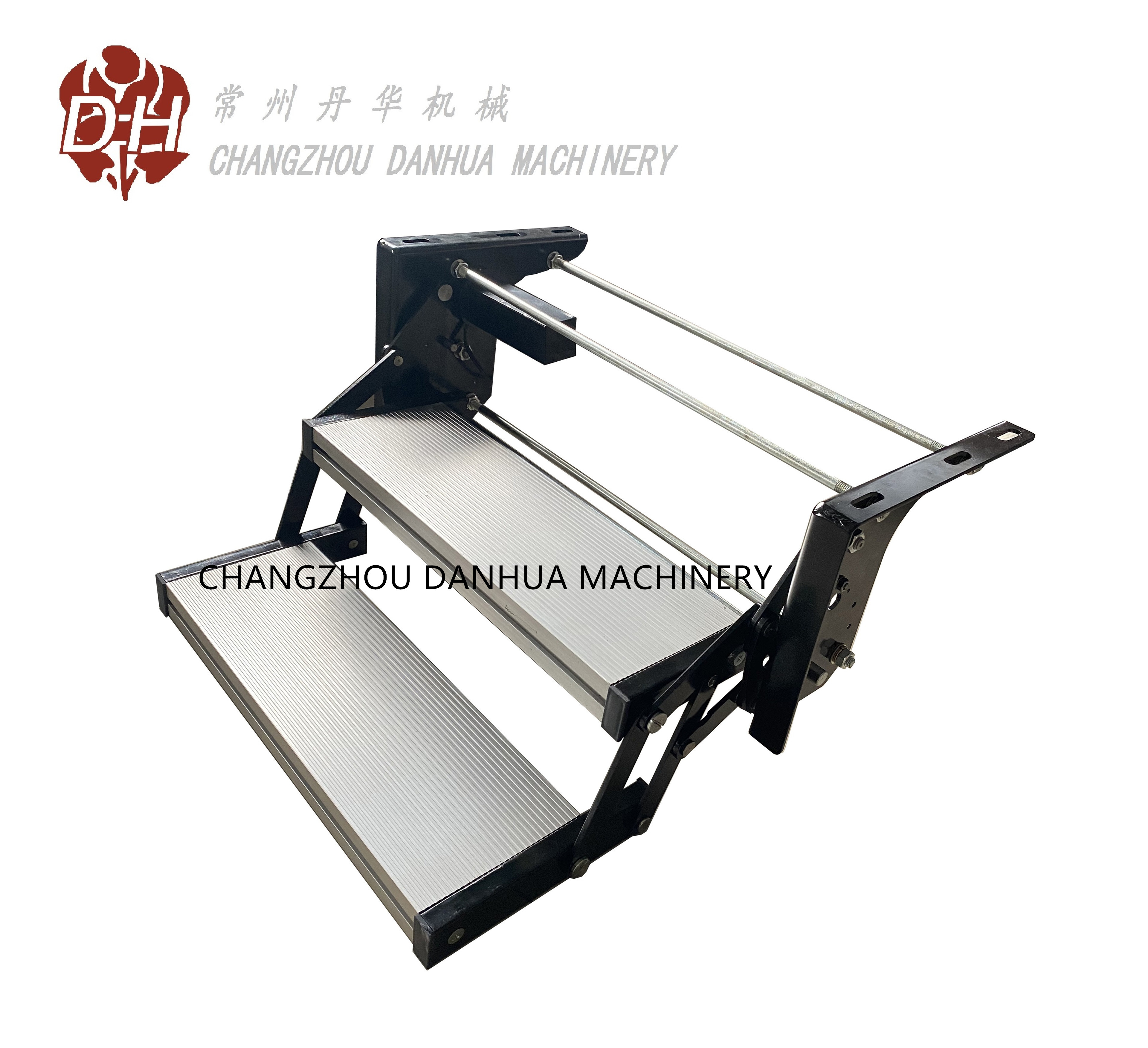
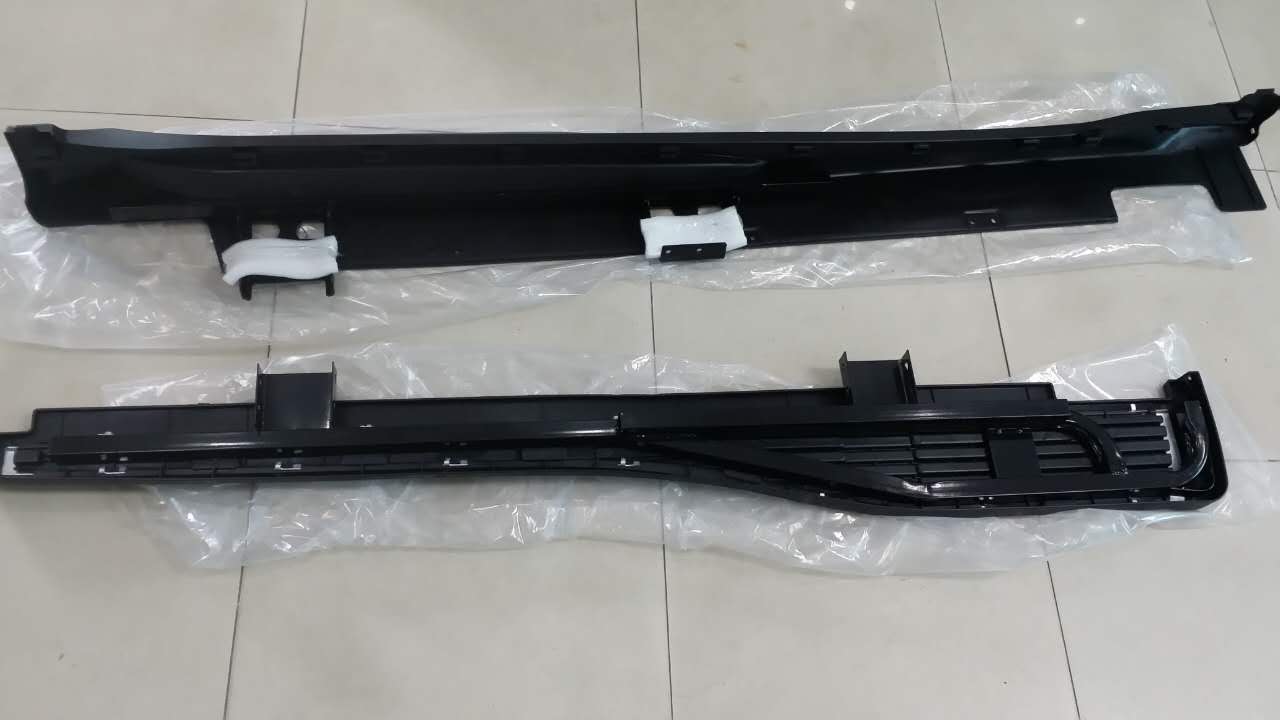
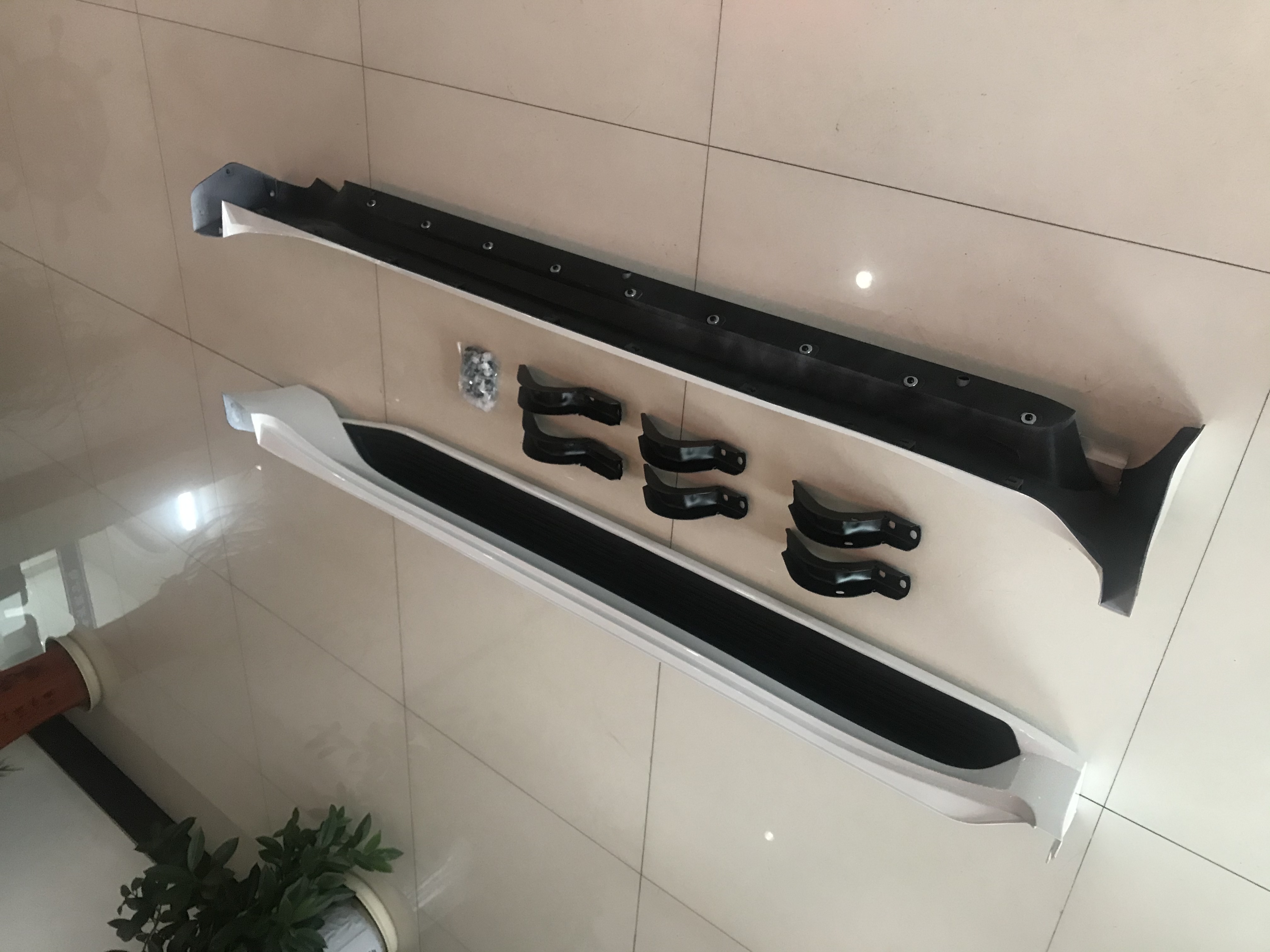
A running board is only as reliable as its mounting hardware. Brackets are typically stamped from Q235 or Q345 high-strength carbon steel. Because vehicle frames change with nearly every redesign or mid-cycle refresh, precise CAD data and 3D scanning are mandatory for bracket development.
Fitment Verification
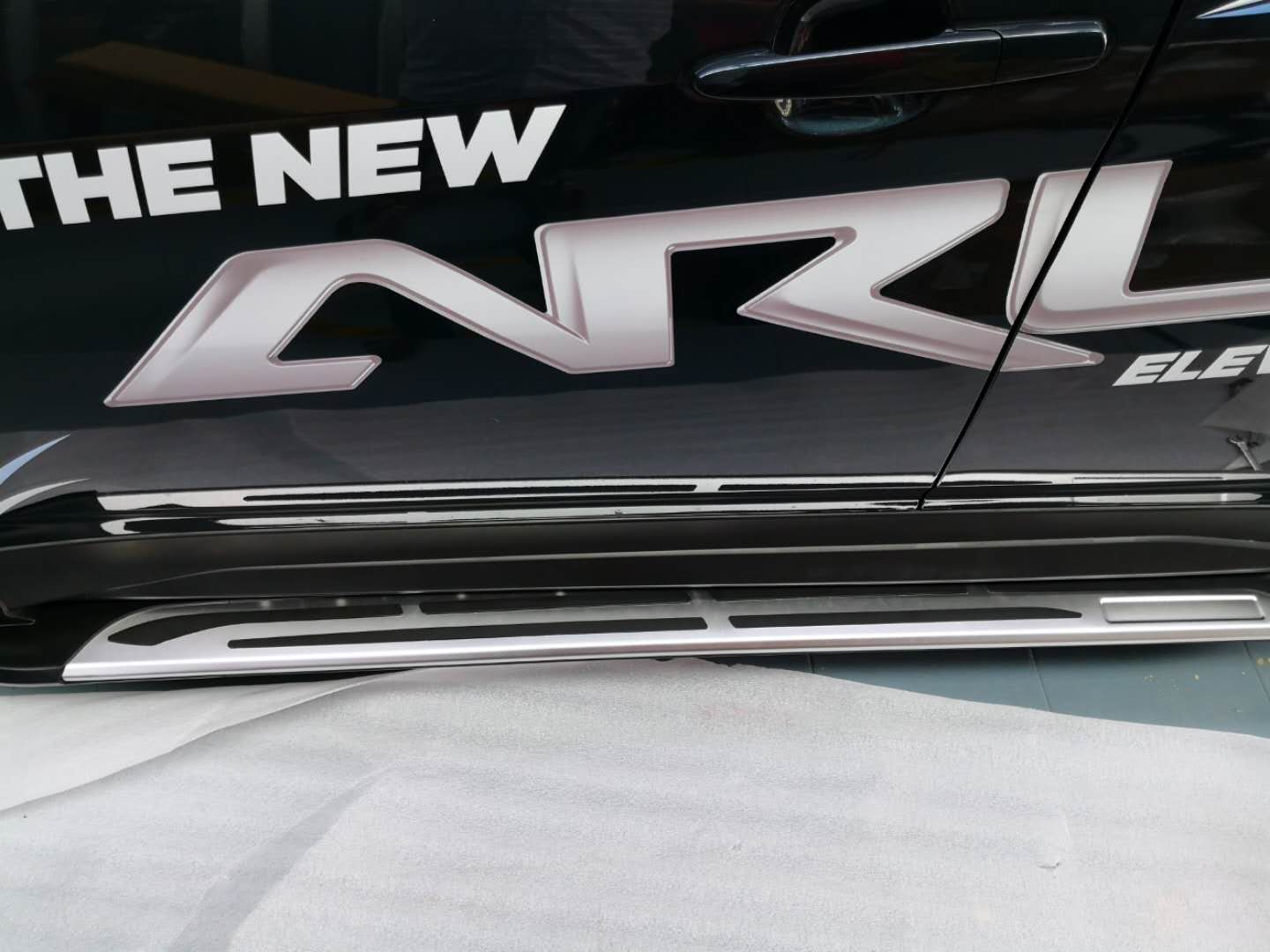
Do not rely on a supplier's claim of "universal fit" or outdated mold catalogs. Always require physical fitment testing on the target vehicle model year before approving mass production.
When auditing a supplier's engineering department, verify their approach to bracket design:
Bracket Quality Indicators
- Use of 3D scanning for precise chassis mapping
- Minimum 4mm to 6mm steel thickness for primary load-bearing brackets
- Electrophoresis (E-coating) applied prior to final powder coat for rust prevention
- Included hardware meets minimum Grade 8.8 tensile strength
- No-drill installation designs utilizing factory chassis mounting points
If you are developing proprietary designs for the aftermarket, leveraging robust OEM/ODM Services ensures your intellectual property is protected while the factory handles the heavy lifting of chassis-specific bracket engineering.
Quality Control and Testing Standards
Running boards are subjected to harsh environmental conditions and repeated dynamic loads. A comprehensive Quality Control & Inspection protocol must be established before the first container ships.
Key testing parameters to define in your purchase agreement include:
- Static Load Testing: Boards must support a minimum of 500 lbs (often up to 800 lbs for heavy-duty models) without permanent deflection.
- Salt Spray Testing: To validate corrosion resistance, coatings should withstand a minimum of 500 hours (preferably 1,000 hours) of neutral salt spray testing (ASTM B117 standard) without blistering or red rust.
- UV Resistance: Polymer step pads and end caps must be UV-stabilized to prevent fading, chalking, or cracking after prolonged sun exposure.
Procurement Realities: MOQs, Lead Times, and Pricing
Volume pricing for running boards is heavily influenced by raw material costs (aluminum/steel indices), surface finish requirements, and packaging volume. Because running boards are bulky, optimizing packaging to maximize container utilization is a critical step in Product Sourcing that directly impacts your landed cost.
Need to optimize your landed costs? We help buyers negotiate favorable MOQs, consolidate shipments, and secure competitive pricing directly from top-tier manufacturers.
Get a free consultationFrequently Asked Questions
Successfully sourcing running boards requires looking past the polished exterior to scrutinize the underlying engineering, bracket strength, and coating chemistry. By partnering with factories that prioritize rigorous testing and precise fitment data, you can build a highly profitable, low-return product line.
Get Sourcing Help for Running Boards
Tell us your requirements and our experts will connect you with verified manufacturers.