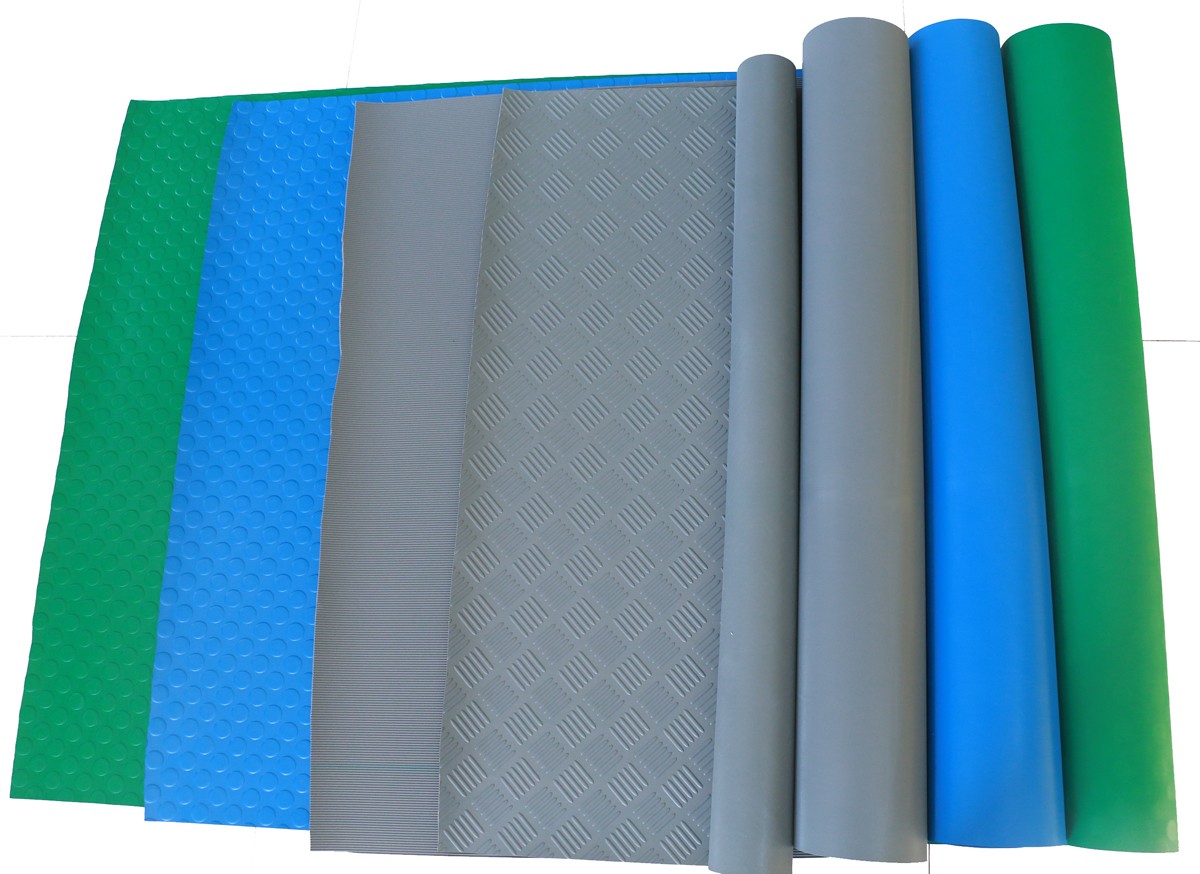
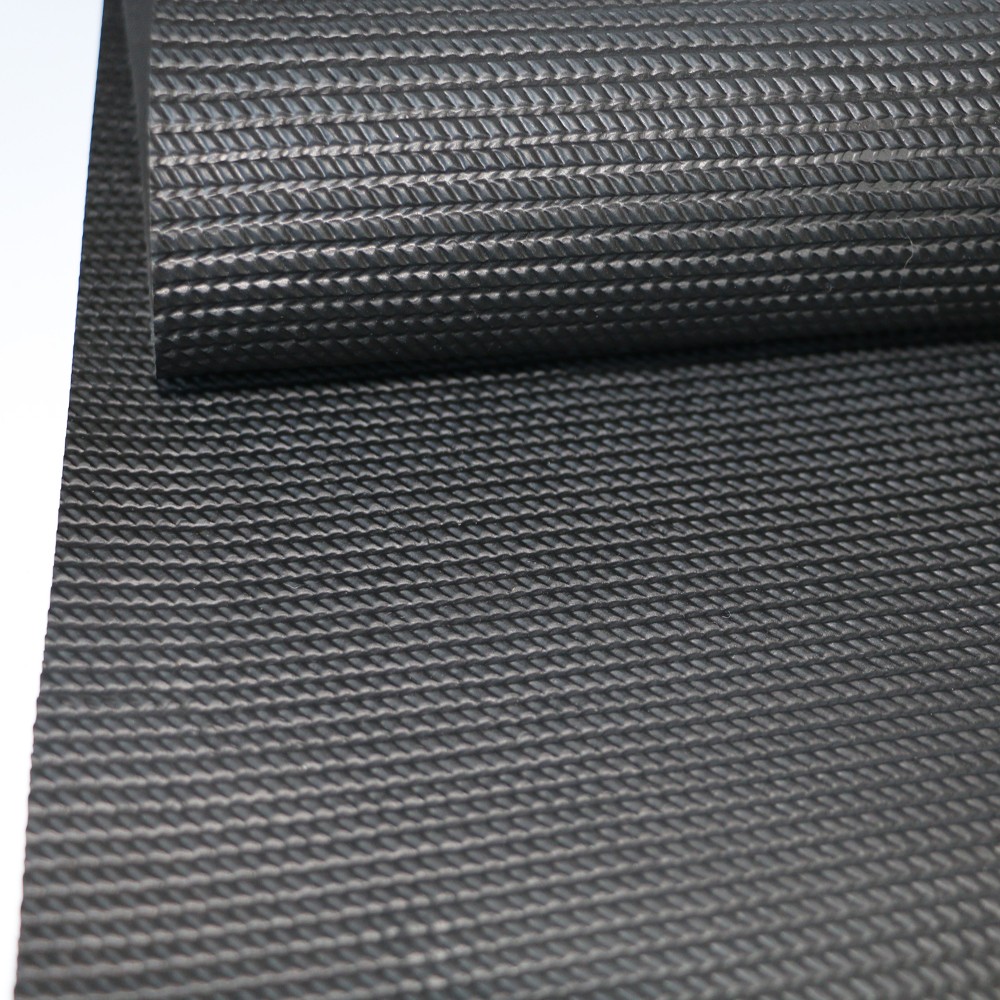
Rubber Sheets
Source high-quality rubber sheets in bulk from vetted manufacturers and wholesale suppliers. Designed for importers, industrial distributors, and brands requiring OEM production, our network delivers reliable materials with strict quality control.
Sourcing industrial rubber sheets in volume requires strict alignment between the application's demands and the factory's compounding capabilities. The primary challenge isn't just finding a supplier; it is ensuring the delivered rolls match your specified polymer ratio, mechanical properties, and dimensional tolerances without unauthorized filler substitution.
Defining Your Polymer Specifications
A generic request for "rubber sheets" will invariably result in a race to the bottom on price, usually achieved by increasing reclaimed rubber or calcium carbonate filler content. To get accurate quotes and reliable performance, you must specify the exact technical parameters of the compound.
Key metrics to define on your purchase order include:
- Hardness (Shore A): Typically ranging from 40 to 90 Shore A. A tolerance of ±5 points is standard in the industry.
- Tensile Strength (MPa): Indicates the material's resistance to breaking under tension.
- Elongation at Break (%): How far the material can stretch before failing.
- Specific Gravity (g/cm³): A critical indicator of filler content. A specific gravity over 1.6 often indicates heavy use of cheap fillers, which degrades mechanical properties.
| Polymer Type | Primary Characteristic | Common Industrial Use |
|---|---|---|
| NBR (Nitrile) | Excellent oil and fuel resistance | Automotive gaskets, industrial seals |
| EPDM | Superior UV, ozone, and weather resistance | Outdoor roofing, HVAC seals |
| Neoprene (CR) | Balanced chemical and flame resistance | Marine environments, chemical plants |
| SBR / Natural | High abrasion resistance and elasticity | Conveyor skirting, wear pads |
Manufacturing Methods and Quality Control
Rubber sheets are typically produced via one of two vulcanization methods: rotocure (continuous curing) or press cure. Rotocuring is ideal for long, continuous rolls with smooth finishes, while press curing is used for thicker sheets or specialized textured finishes.
Quality is won or lost during the compounding and vulcanization stages. Poor dispersion of carbon black or curing agents in the internal mixer will lead to weak spots. Inadequate temperature control during vulcanization causes porosity (trapped gas bubbles) or surface blooming.
Implementing rigorous Quality Control & Inspection protocols before shipment is essential to catch these defects before they enter your supply chain.
Pre-Shipment Inspection Focus Areas
- Dimensional tolerances: Verify thickness uniformity across the width of the roll.
- Surface inspection: Check for blooming (white powdery residue), pitting, or localized porosity.
- Mechanical testing: Pull samples for tensile strength and Shore A hardness verification.
- Packaging: Ensure rolls are tightly wound on sturdy cores and wrapped in moisture-resistant film to prevent deformation.
Struggling with inconsistent rubber quality? Let us manage your factory communications, specification sheets, and pre-shipment inspections.
Talk to our teamSourcing Mechanics: Pricing, MOQs, and Lead Times
Rubber sheet pricing is highly sensitive to global commodity markets for raw polymers and crude oil. When comparing quotes, extreme price discrepancies usually point to a high percentage of reclaimed rubber or inert fillers.
When navigating the supplier landscape, prioritize manufacturers that maintain in-house mixing capabilities (Banbury mixers) rather than those who purchase pre-mixed compounds. In-house mixing provides the factory with total control over the recipe and batch consistency. Verifying this setup is a core component of professional Factory Audits.
If you are consolidating multiple thicknesses or polymer types, leveraging a partner for end-to-end Product Sourcing can help aggregate volume to meet factory MOQs while maintaining strict quality oversight.
Need reliable bulk pricing for industrial rubber sheets? We vet the factories, negotiate the MOQs, and secure your supply chain.
Get a free consultationFrequently Asked Questions
Securing a reliable supply of industrial rubber sheets requires moving past generic product descriptions and enforcing strict technical specifications at the factory level. By tightly defining your polymer requirements and auditing the mixing process, you protect your margins and your product's performance. When you are ready to scale your purchasing with vetted manufacturers, our team is here to manage the process.
Get Sourcing Help for Rubber Sheets
Tell us your requirements and our experts will connect you with verified manufacturers.