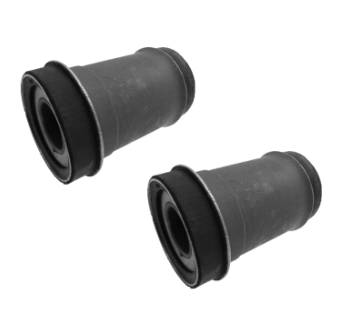
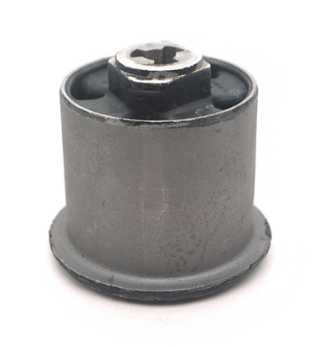
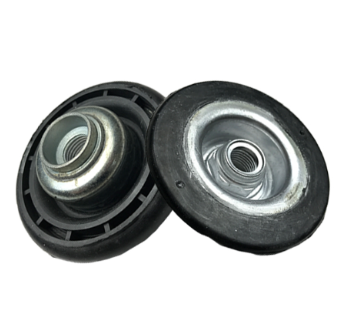
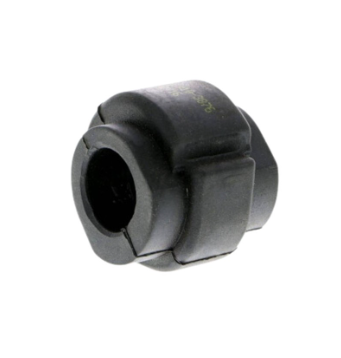
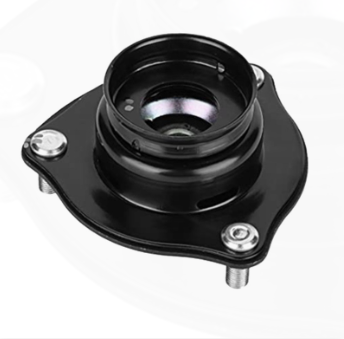
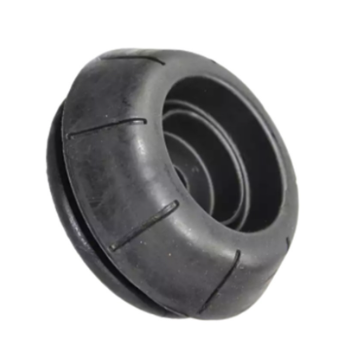
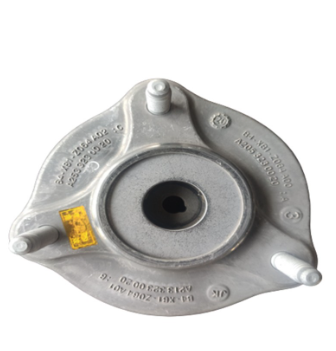
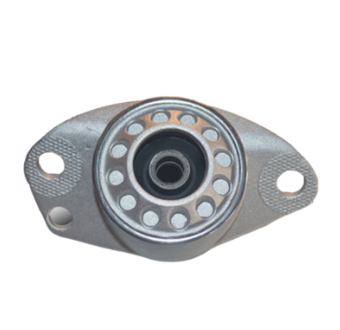
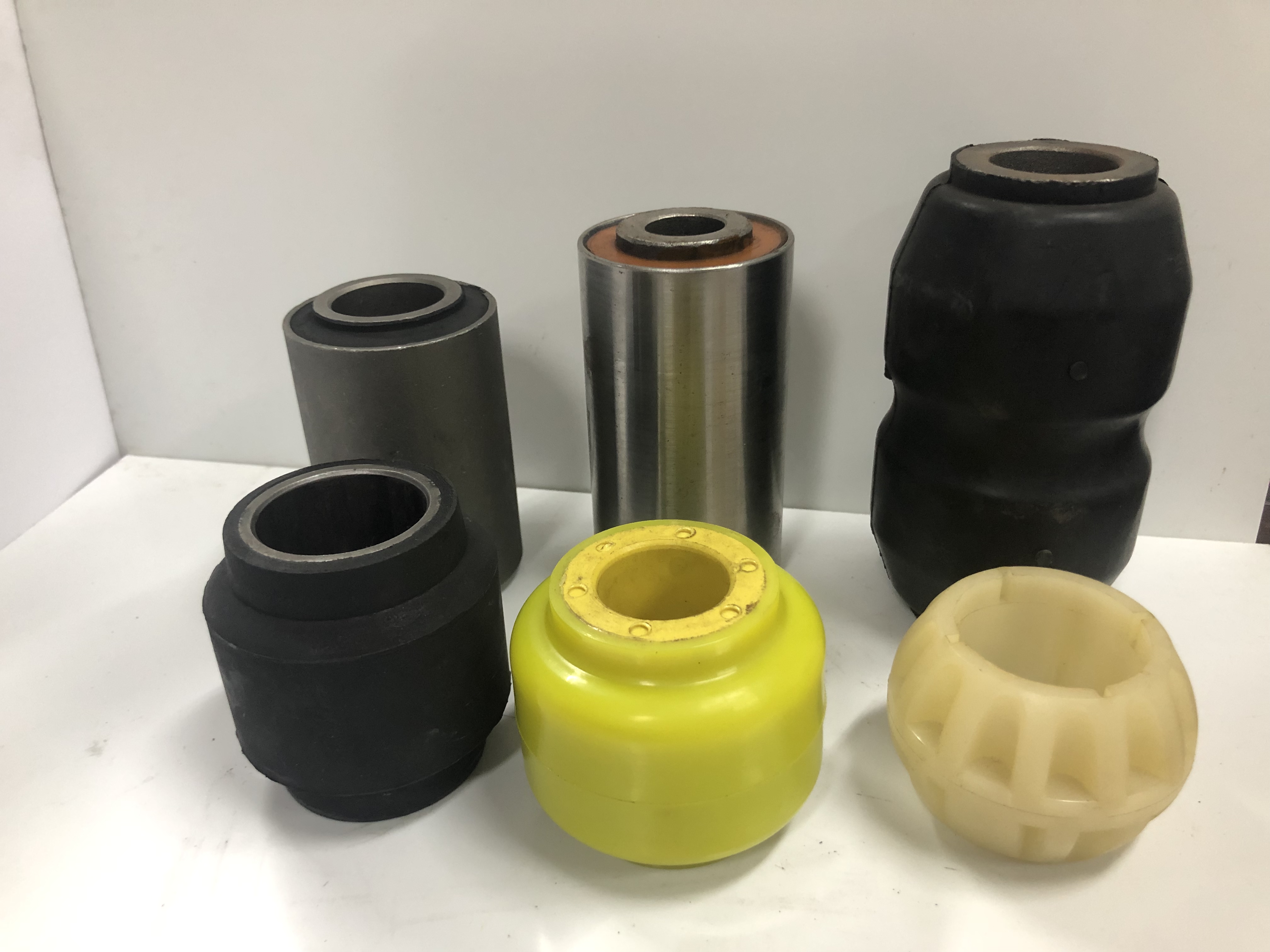
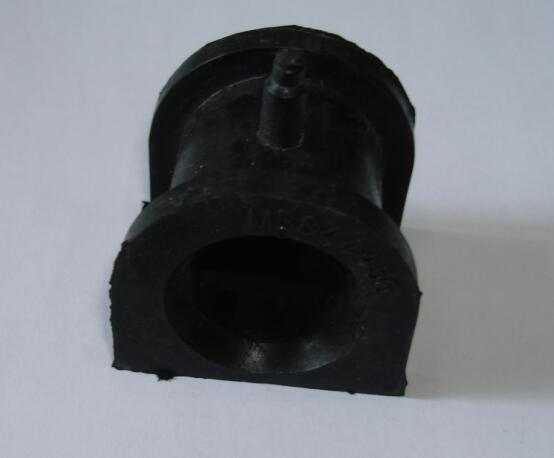
Rubber Mountings
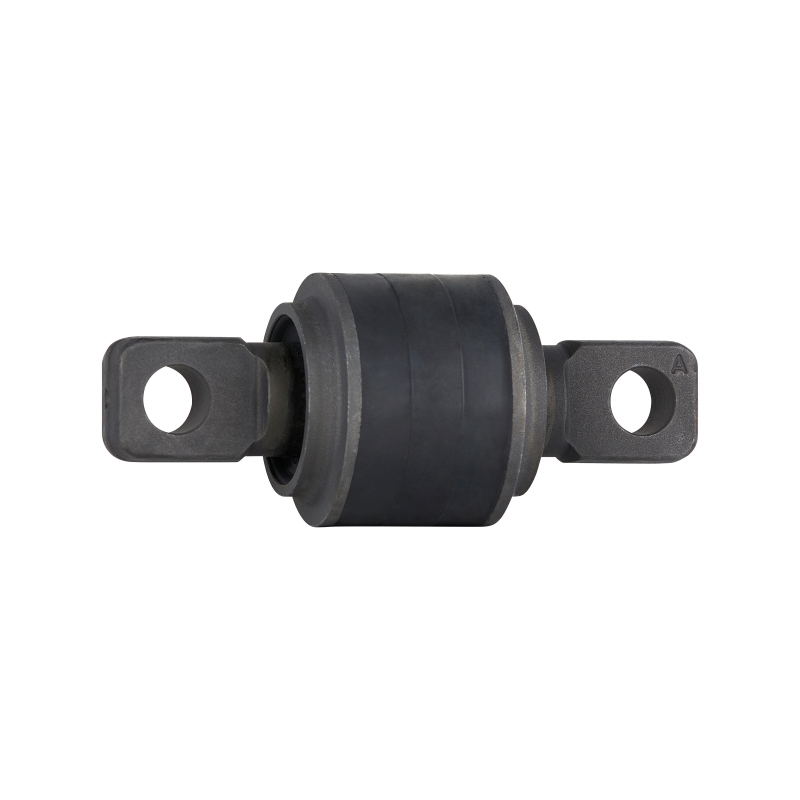
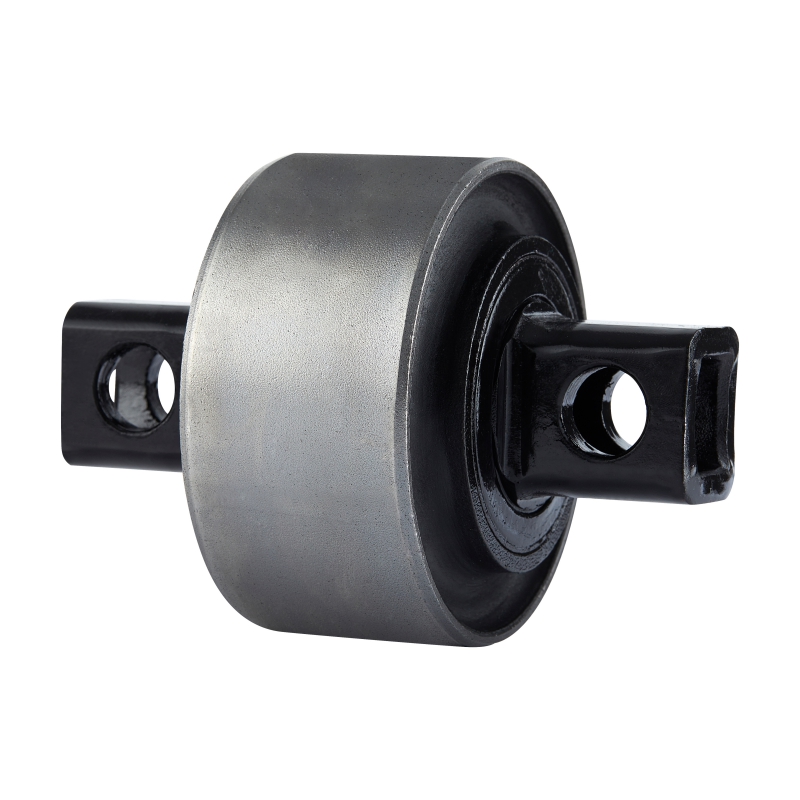
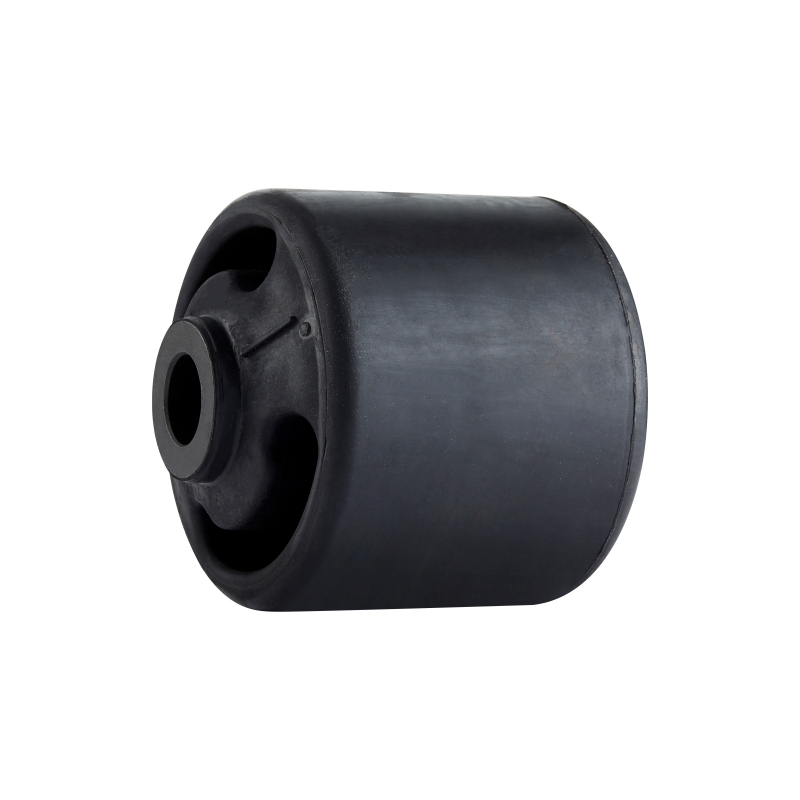
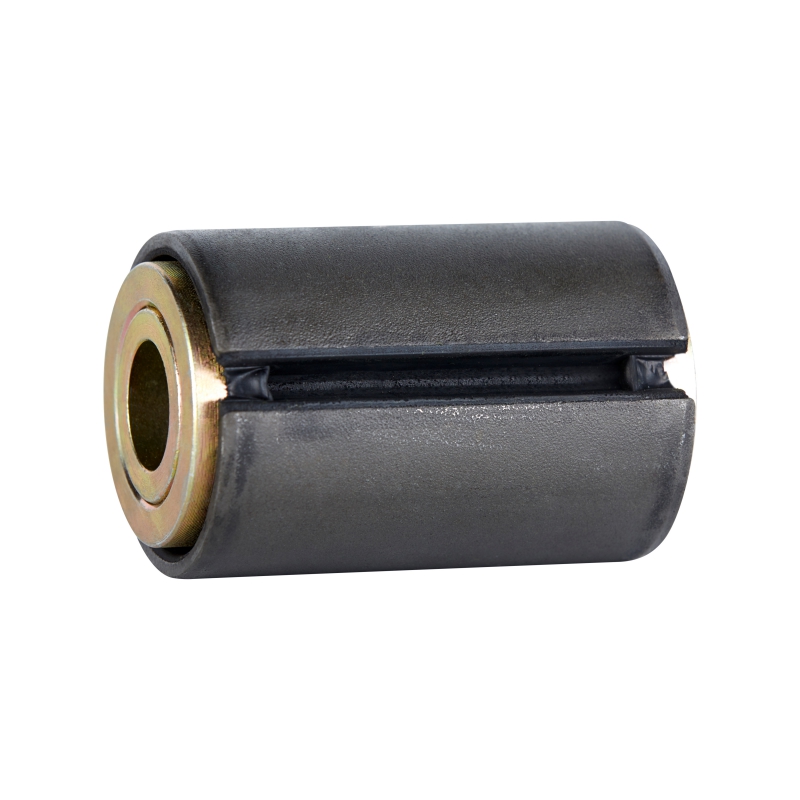
Source premium automotive rubber mountings from vetted manufacturers and suppliers in China and Asia. Designed for importers, wholesalers, and automotive brands requiring reliable OEM production, our network delivers bulk supply with stringent quality control and competitive pricing.
Automotive rubber mountings are critical components for NVH (Noise, Vibration, and Harshness) suppression and structural integrity in suspension systems. Sourcing these parts in volume requires strict attention to elastomeric compound formulations and the integrity of the metal-to-rubber bond. A failure in either aspect leads to premature fatigue, excessive vibration transfer, and ultimately, part failure.
Defining Rubber Mounting Specifications
When briefing a supplier, generic material callouts are insufficient. Automotive applications demand precise control over the elastomeric properties to ensure the mount performs under dynamic loads and varying thermal conditions.
| Elastomer Type | Key Characteristics | Typical Suspension Application |
|---|---|---|
| Natural Rubber (NR) | Exceptional tear strength, high resilience, excellent dynamic fatigue resistance. | Engine mounts, heavy-duty suspension bushings. |
| EPDM | Superior ozone, UV, and weather resistance; handles wide temperature extremes. | Chassis mounts, external suspension components. |
| Neoprene (CR) | Good balance of mechanical strength with moderate oil and chemical resistance. | Mounts exposed to localized fluid leaks or road grime. |
Beyond the base polymer, you must specify the Shore A Hardness (typically ranging from 45 to 80, depending on the required stiffness) and the allowable tolerance, which is standardly plus or minus 5 points. For custom formulations, engaging in proper OEM/ODM Services ensures the factory develops a compound that meets your exact load-deflection curve requirements.
Manufacturing Vulnerabilities and Quality Control
The core of a reliable rubber mounting lies in the vulcanization process and the metal-to-rubber adhesion. If the metal substrate (usually steel or aluminum) is not properly degreased, sandblasted, and coated with a high-quality bonding agent (such as Chemlok), the rubber will peel away from the metal under shear stress.
Need to verify a supplier's vulcanization and bonding processes before placing a bulk order? We can help.
Talk to our teamTo prevent catastrophic batch failures, robust Quality Control & Inspection is non-negotiable. Relying solely on final visual inspection is dangerous; the bonding integrity cannot be verified by eye.
Critical Factory QC Checks for Rubber Mounts
- Metal Substrate Prep: Verification of sandblasting profile and bonding agent application thickness.
- Vulcanization Parameters: Continuous monitoring of mold temperature and curing time to prevent under-curing (softness) or over-curing (brittleness).
- Adhesion Testing: Destructive peel testing (e.g., ASTM D429) to ensure the rubber tears before the bond fails.
- Dynamic Fatigue Testing: Cyclic load testing to simulate real-world suspension stress over time.
- Dimensional Tolerances: CMM checks on the metal brackets and mounting hole alignments.
If you are evaluating a new supplier, conducting comprehensive Factory Audits is highly recommended to verify they have the in-house testing equipment (like rheometers and tensile testers) required to maintain batch-to-batch consistency.
Pricing, MOQs, and Lead Times
The economics of sourcing rubber mountings depend heavily on whether you are buying off-the-shelf aftermarket replacements or developing custom mounts requiring new tooling.
Unit costs are driven by the weight of the metal bracket, the specific polymer compound used, and the complexity of the mold. Multi-cavity molds increase upfront tooling costs but significantly reduce the per-unit price for high-volume orders.
Looking to optimize your tooling costs and unit pricing for a new product line?
Get a free consultationFrequently Asked Questions
Sourcing reliable automotive rubber mountings requires looking past the unit price and scrutinizing the factory's chemical compounding and bonding capabilities. Ensuring your supplier has the right process controls in place from day one is the only way to guarantee long-term performance in the field.
Get Sourcing Help for Rubber Mountings
Tell us your requirements and our experts will connect you with verified manufacturers.