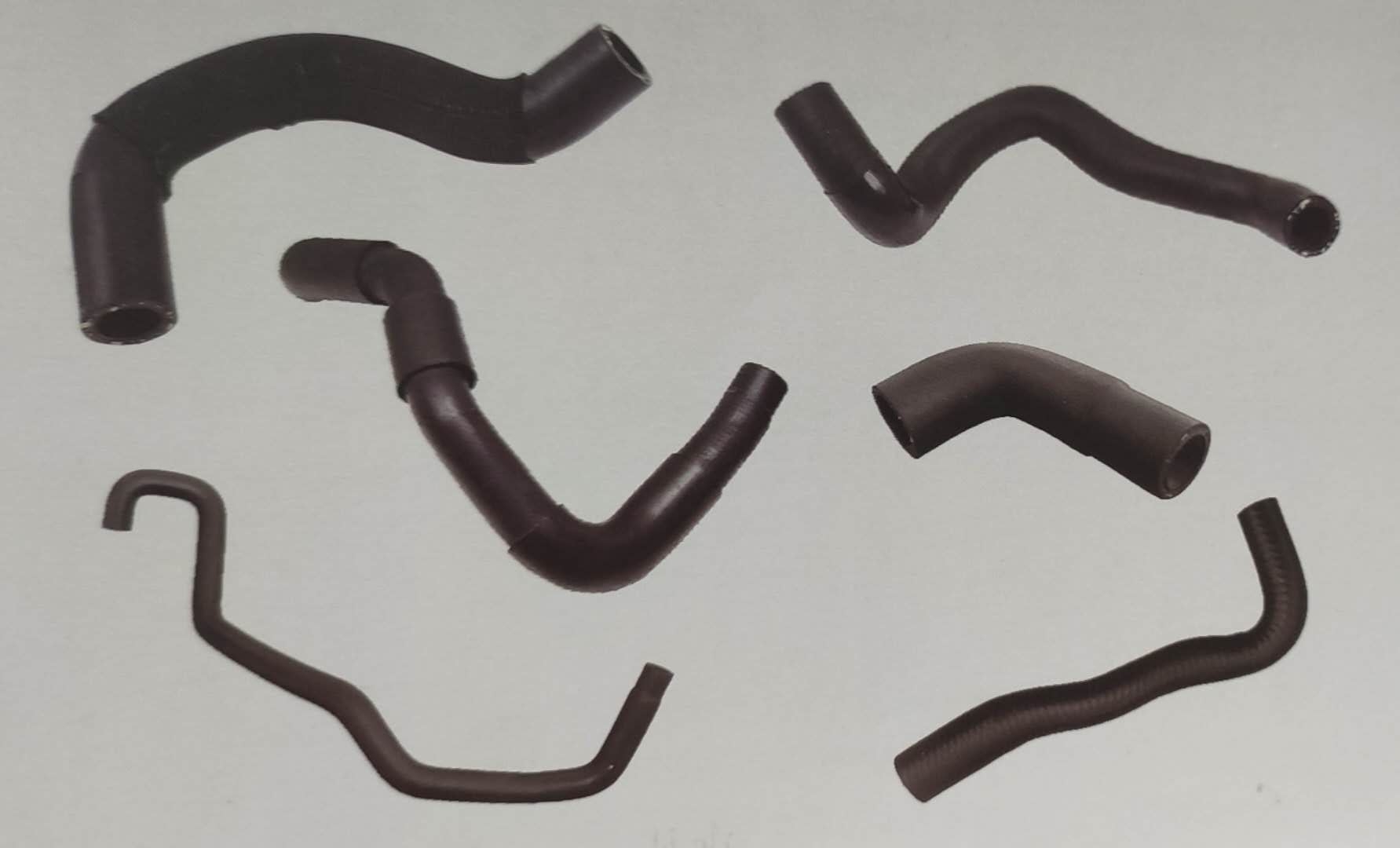
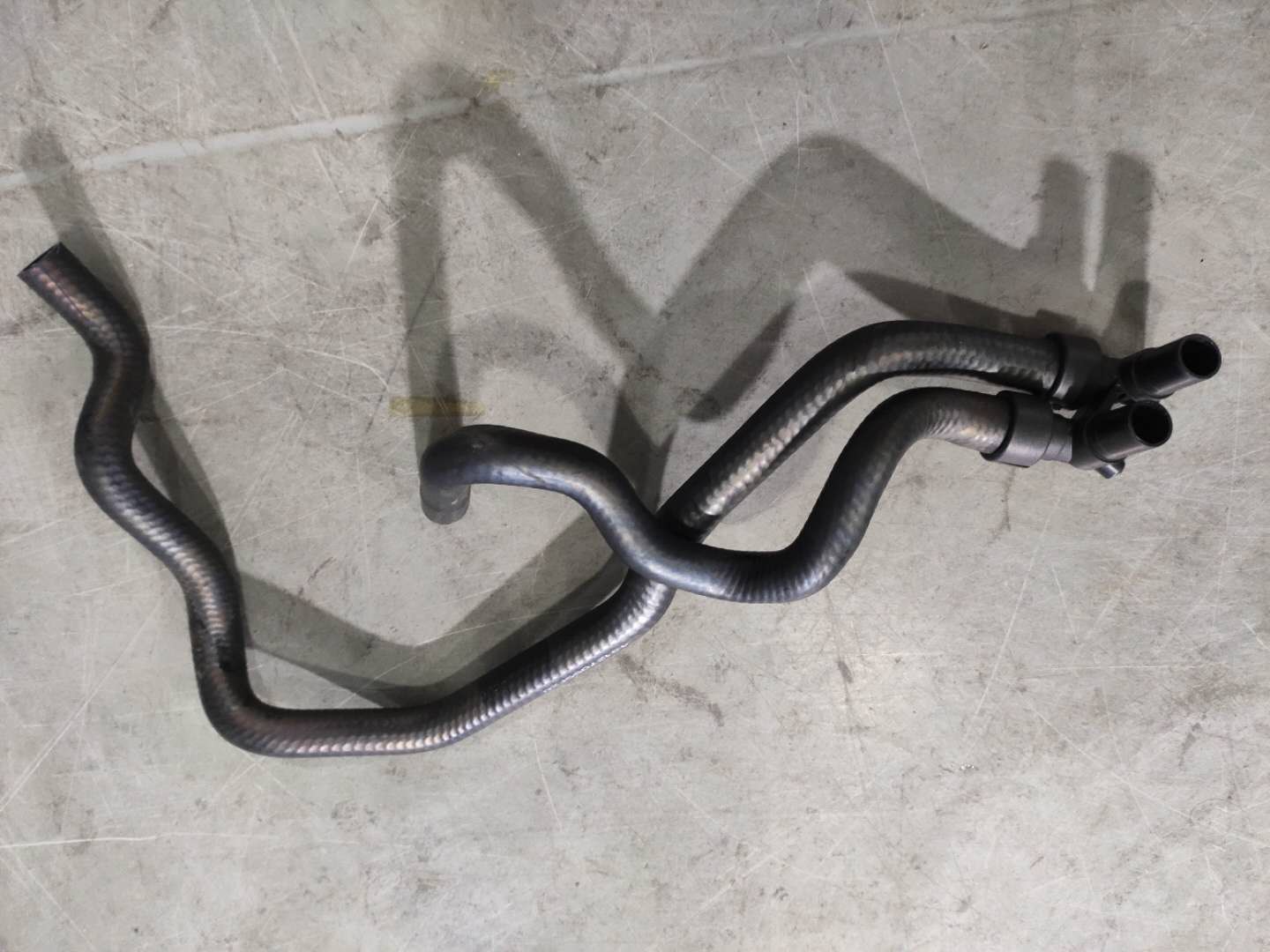
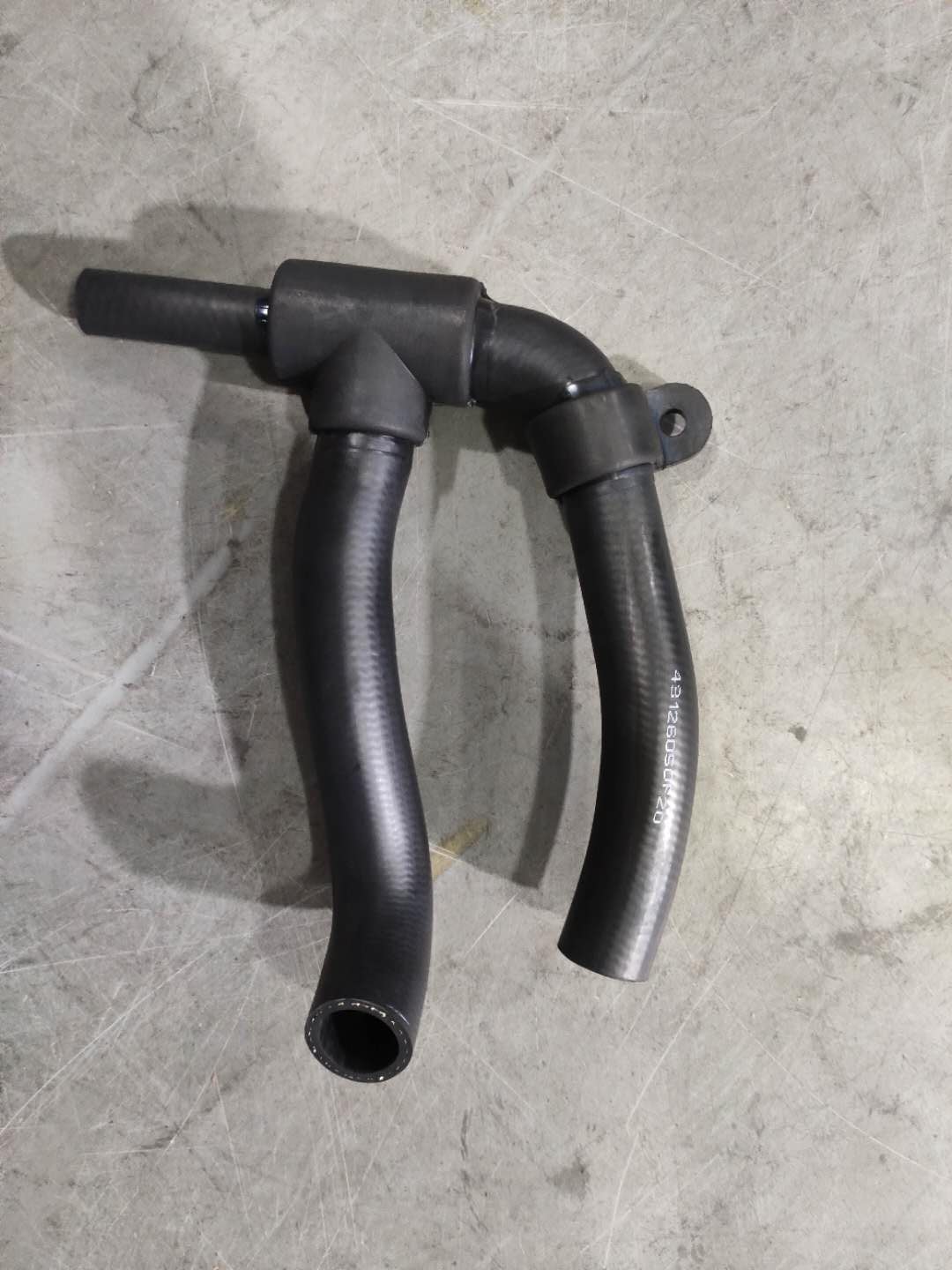
Rubber Hoses
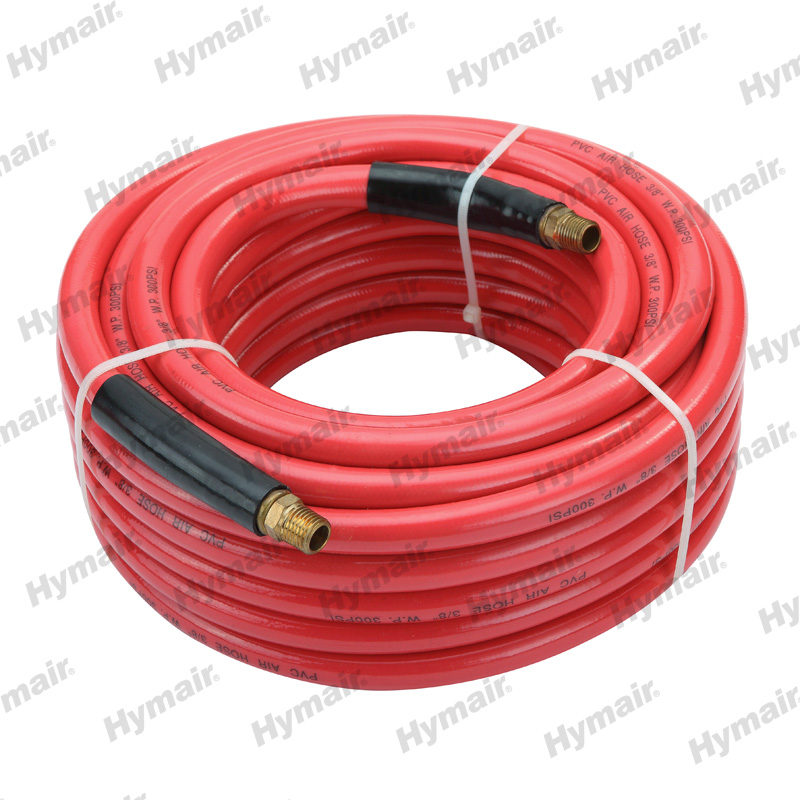
Source industrial and commercial rubber hoses from vetted suppliers and manufacturers across Asia. Designed for importers, wholesalers, distributors, and brands requiring OEM/private-label production, this catalog connects you with reliable factories capable of delivering high-volume, specification-compliant fluid transfer solutions.
Sourcing industrial rubber hoses at scale requires strict alignment between the fluid conveyed, operating pressures, and environmental exposure. The core challenge for volume buyers isn't just finding a factory capable of extruding rubber, but securing a manufacturing partner that consistently uses high-grade virgin compounds and maintains precise tension in the reinforcement layers to prevent premature failure in the field.
Critical Specifications and Compound Selection
The foundation of any reliable rubber hose is its polymer compound. Suppliers often attempt to cut costs by increasing the ratio of carbon black, calcium carbonate, or reclaimed rubber in the mix. While this reduces the price per meter, it severely compromises flexibility, ozone resistance, and burst pressure.
When specifying hoses, you must define the exact compound for both the inner tube (which contacts the media) and the outer cover (which faces environmental stress).
| Base Polymer | Primary Resistance | Typical Industrial Applications |
|---|---|---|
| NBR (Nitrile) | Oils, fuels, and petroleum-based fluids | Fuel lines, hydraulic returns, oil transfer |
| EPDM | Ozone, weathering, steam, and water | Radiator hoses, agricultural spray, steam lines |
| SBR | Abrasion and general mechanical wear | Air hoses, water discharge, general construction |
| Silicone | Extreme temperatures (up to 250°C) | Food grade (FDA), medical, high-temp coolant |
Beyond the compound, buyers must strictly define the Working Pressure (WP) and Burst Pressure (BP). A standard industrial safety factor is 1:3 or 1:4. If your application requires a 300 PSI working pressure, the hose must be engineered to burst at no less than 900 to 1,200 PSI.
Struggling to verify if your supplier is using virgin rubber compounds? We can help you audit factories and test material compositions before you place a volume order.
Talk to our teamThe Manufacturing Process: Where Quality is Won or Lost
Understanding how hoses are built helps you identify where factory shortcuts occur. High-quality production relies on synchronized extrusion and precise curing.
Inner Tube Extrusion
The raw rubber compound is extruded into a continuous tube. High-end factories use mandrel-built processes for large diameters to ensure a perfectly concentric inner wall and uniform wall thickness.
Reinforcement Application
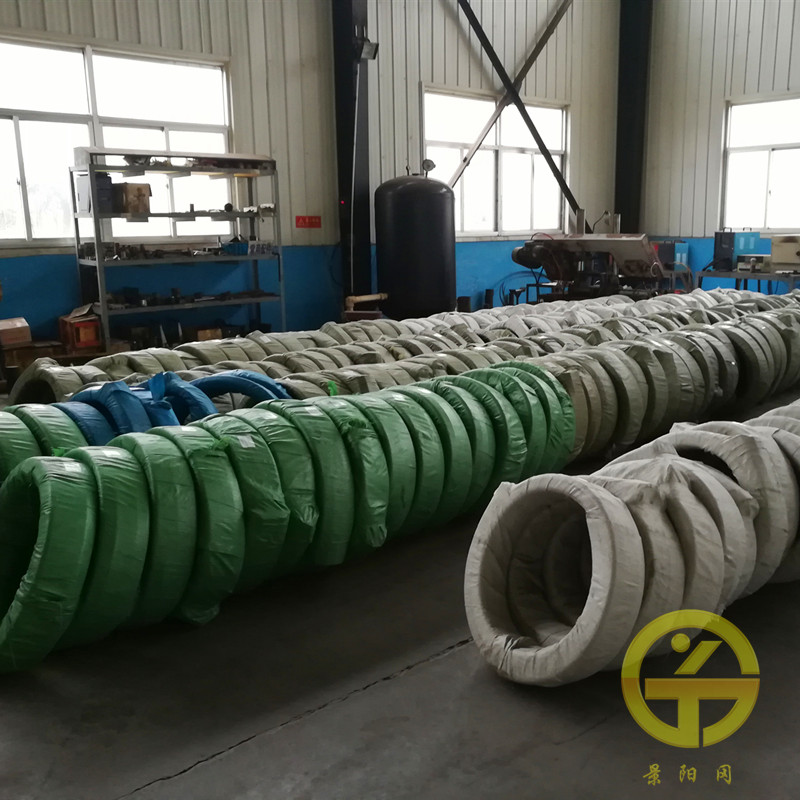
Depending on the pressure rating, textile yarn (polyester, PVA) or high-tensile steel wire is braided or spiraled over the inner tube. Uneven tension here creates weak points that lead to ballooning under pressure.
Outer Cover Extrusion
The final rubber layer is applied. Proper adhesion between the tube, reinforcement, and cover is critical to prevent delamination.
Vulcanization (Curing)
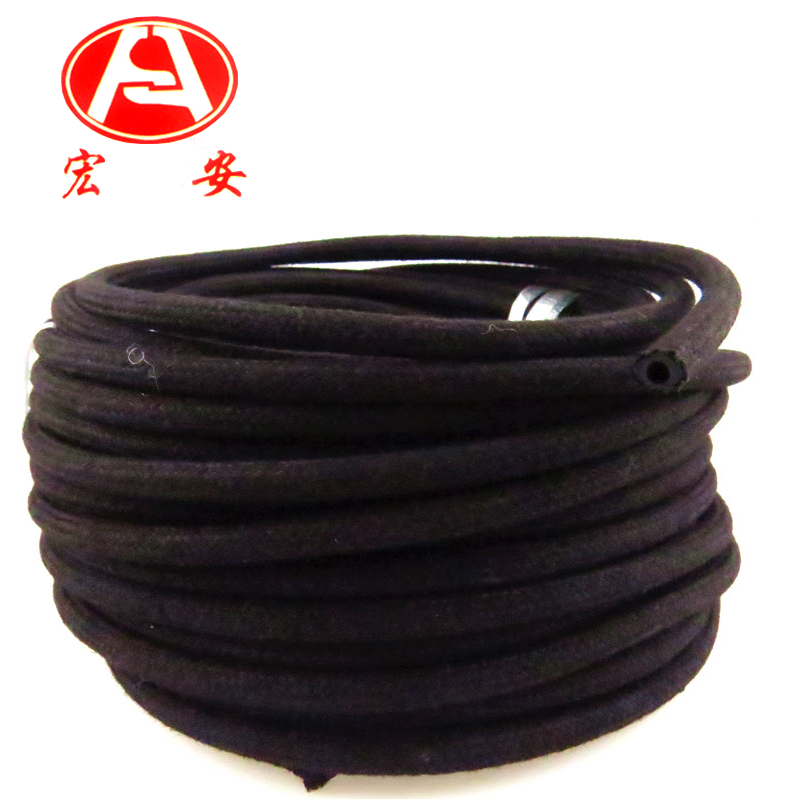
The hose is cured under heat and pressure. Lead curing provides a smooth finish and high consolidation, while cloth-wrap curing leaves a textured finish and is standard for heavy-duty mandrel-built hoses.
Before committing to a manufacturer, conducting thorough Factory Audits is essential to verify the condition of their extrusion lines, braiding tensioners, and curing autoclaves.
Pre-Shipment Quality Control Checklist
Defects in rubber hoses are rarely visible to the naked eye until the product is under pressure. Relying solely on a visual check of the outer cover is a common sourcing mistake. A robust Quality Control & Inspection protocol should include specific laboratory and functional tests.
Essential Batch Testing Parameters
- Hydrostatic Pressure Testing: Verifying working pressure and burst pressure on random batch samples.
- Adhesion Testing: Measuring the peel strength between the inner tube, reinforcement, and outer cover (delamination check).
- Dimensional Tolerances: Checking Inner Diameter (ID), Outer Diameter (OD), and concentricity using calibrated gauges.
- Ozone Aging Test: Exposing EPDM or Neoprene covers to ozone chambers to check for micro-cracking.
- Elongation and Tensile Strength: Testing the raw rubber plaques from the same batch to ensure compound integrity.
Buying Mechanics: MOQs, Pricing, and Lead Times
Rubber hose manufacturing is a continuous process, which dictates how factories structure their minimum order quantities and pricing.
- Minimum Order Quantities (MOQs): Extrusion lines require significant setup and purge times. Typical MOQs range from 1,000 to 3,000 meters per size and color. For specialized mandrel-built hoses, MOQs might be lower (e.g., 200 to 500 meters), but setup costs are higher.
- Pricing Drivers: The primary cost driver is the weight and grade of the raw polymer, followed by the reinforcement material (e.g., standard polyester vs. Kevlar or high-tensile steel). Custom laylines (the printed branding and specs on the hose) are inexpensive, making OEM/ODM Services highly accessible for brands wanting private-label products.
- Lead Times: Standard production lead times run 25 to 35 days. However, if you require custom tooling for a non-standard inner diameter, add 10 to 15 days for die creation and sample approval.
Need to negotiate better terms or consolidate shipments from multiple rubber manufacturers? Let our sourcing experts manage your supply chain.
Get a free consultationFrequently Asked Questions
Sourcing rubber hoses successfully means looking past the surface finish and understanding the chemistry and engineering beneath the cover. By tightly controlling your compound specifications and mandating strict batch pressure testing, you can secure industrial-grade hoses that perform reliably under the most demanding conditions.
Get Sourcing Help for Rubber Hoses
Tell us your requirements and our experts will connect you with verified manufacturers.