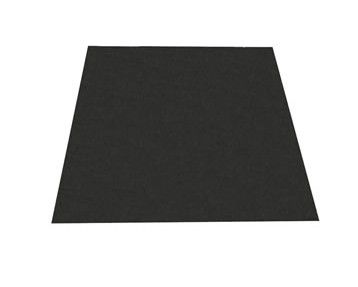
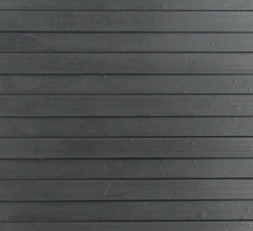
Rubber Flooring
Source commercial-grade rubber flooring from vetted manufacturers and wholesale suppliers. Designed for importers, distributors, and brands seeking bulk purchasing and OEM production, our network delivers reliable gym, industrial, and commercial flooring solutions at competitive factory-direct pricing.
Sourcing rubber flooring at scale requires a strict balance of material density, raw material purity, and precise vulcanization. Whether you are importing heavy-duty rolls for commercial fitness centers or interlocking tiles for industrial facilities, inconsistent manufacturing can lead to severe odor issues, surface crumbling, or dimensional instability. Success in this category depends on identifying factories that utilize high-grade polyurethane binders and maintain strict temperature controls during the pressing process.
Material Composition and Specifications
The foundational cost and performance drivers for rubber flooring are the raw materials and the density at which they are pressed. Buyers must specify the exact ratio of recycled SBR (Styrene-Butadiene Rubber) to virgin EPDM (Ethylene Propylene Diene Monomer).
While 100% SBR is cost-effective for base layers and standard black tiles, commercial buyers typically request a laminated structure or a mixed composition (e.g., 15% EPDM fleck) for better aesthetics, wear resistance, and UV stability.
| Specification | Standard SBR Tile | SBR Base + EPDM Surface |
|---|---|---|
| Composition | 100% recycled tire crumb | Recycled base, virgin EPDM top |
| Density Requirement | 850 to 950 kg/m3 | 900 to 1050 kg/m3 |
| UV & Color Stability | Poor (fades in sunlight) | Excellent |
| Typical Application | Indoor weight rooms, underlayment | Premium gyms, outdoor playgrounds |
Beyond material type, density is the most critical specification. Low-density tiles (under 800 kg/m3) will compress under heavy loads, leading to premature failure and edge curling. Always specify a minimum density of 900 kg/m3 for commercial applications.
Manufacturing Variables and Defect Control
Rubber flooring is manufactured through a process of granulating rubber, mixing it with a polyurethane (PU) binder, and pressing it in heated molds (vulcanization). The quality of the PU binder is the single most common point of failure. Cheap binders result in high VOC emissions (the notorious "tire smell") and poor cohesion, causing the tile to shed rubber granules over time.
Critical Factory-Level Quality Checks
- Binder Quality: Verify the use of low-VOC, non-toxic MDI polyurethane binders.
- Curing Temperature: Ensure molds are heated evenly to prevent soft spots or brittle edges.
- Dimensional Tolerance: Check for strict thickness consistency (tolerance should be ±0.5mm) to prevent tripping hazards.
- Granule Sizing: Inspect the mesh size of the crumb rubber; overly large granules reduce structural integrity.
Because visual inspection cannot easily identify poor binder ratios or internal curing defects, implementing rigorous Quality Control & Inspection protocols before shipment is essential. Independent tear-strength and density testing should be part of your pre-shipment routine.
Struggling with inconsistent quality or excessive odor in your current supply? Let our experts connect you with vetted manufacturers utilizing premium binders and strict quality controls.
Talk to our sourcing teamSourcing Realities: MOQs, Pricing, and Customization
The Asian manufacturing landscape for rubber flooring is highly concentrated, with varying levels of automation. When negotiating with suppliers, understand that pricing is highly sensitive to the EPDM content and the thickness of the product.
For brands requiring specific color matches, custom logos, or unique interlocking mold shapes, engaging OEM/ODM Services is standard practice. Custom molds for interlocking tiles require upfront tooling costs, but they allow you to lock customers into your proprietary flooring system.
Before committing to a large OEM run, it is highly recommended to conduct comprehensive Factory Audits to verify the supplier's actual production capacity, environmental compliance, and raw material sourcing channels.
Ready to scale your rubber flooring imports? Partner with Merhein to handle supplier vetting, price negotiation, and end-to-end quality assurance.
Get a free consultationFrequently Asked Questions
Navigating the rubber flooring supply chain requires strict oversight of raw material inputs and factory-floor processes. By prioritizing density, binder quality, and dimensional stability, importers can secure highly durable products that meet commercial standards. If you are looking to streamline your procurement and eliminate quality risks, professional sourcing support can bridge the gap between factory capabilities and your market requirements.
Get Sourcing Help for Rubber Flooring
Tell us your requirements and our experts will connect you with verified manufacturers.