Rubber Bale Cutters
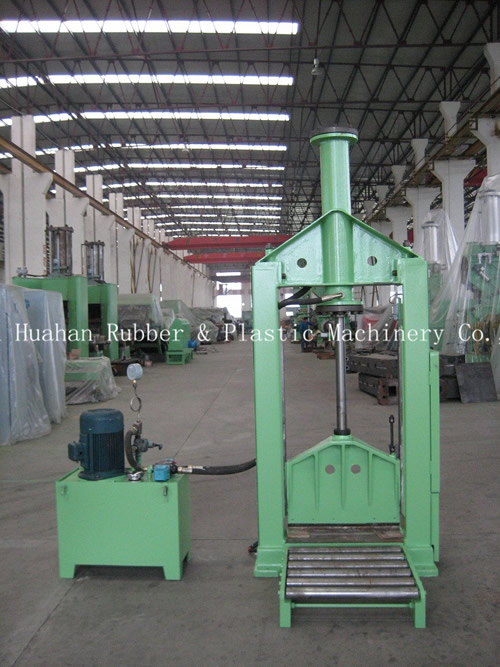
Source industrial-grade Rubber Bale Cutters from vetted suppliers and manufacturers. Designed for procurement managers, distributors, and equipment importers, our network offers robust hydraulic cutters for raw rubber processing. Ensure reliable cutting force and safety compliance for your bulk machinery sourcing needs.
Sourcing rubber bale cutters requires balancing sheer hydraulic force with precision and operator safety. As the critical first step in the rubber compounding process—breaking down natural or synthetic rubber bales for the Banbury mixer or open mill—any mechanical failure or hydraulic downtime here halts the entire production line. The primary sourcing challenge is identifying manufacturers who invest in high-grade hydraulic seals, durable blade metallurgy, and properly stress-relieved frames, rather than those simply competing on baseline tonnage specifications.
Key Specifications for Rubber Bale Cutters
When evaluating suppliers, the technical specifications must align with the hardness and size of the rubber bales your end-users process. Synthetic rubbers (like SBR or NBR) often require significantly higher cutting force than standard natural rubber bales.
| Specification | Standard Duty (Natural Rubber) | Heavy Duty (Synthetic/Hard Bales) |
|---|---|---|
| Cutting Force | 60 - 80 Tons | 100 - 160 Tons |
| Blade Stroke | 600mm - 700mm | 800mm - 1000mm |
| Motor Power | 5.5kW - 7.5kW | 11kW - 15kW |
| Blade Material | Standard Alloy Steel | 9CrSi or High-Carbon Alloy (Heat Treated) |
Beyond tonnage, pay close attention to the hydraulic system pressure (typically around 16 to 20 MPa). A poorly matched motor and hydraulic pump will lead to overheating during continuous operation.
Manufacturing Quality and Factory Vetting
Not all machinery assemblers manufacture their own core components. The longevity of a bale cutter depends heavily on the structural integrity of the frame and the precision of the hydraulic cylinder. Conducting thorough factory audits is essential to verify a supplier's in-house machining capabilities and quality management systems.
Critical Factory Verification Points
- Frame Construction: Ensure the main frame is made of heavy-duty welded steel plates that have undergone stress-relief annealing to prevent deformation under load.
- Cylinder Machining: Verify that the factory uses precision CNC boring for hydraulic cylinders to prevent premature seal wear.
- Hydraulic Components: Check if they use internationally recognized brands for hydraulic valves and seals (e.g., NOK, Rexroth) rather than unbranded alternatives.
- Safety Compliance: Confirm the integration of mandatory safety features, including two-hand anti-tie-down operation and photoelectric light curtains.
Ensure your machinery suppliers meet stringent international safety and manufacturing standards.
Talk to our teamSourcing Mechanics: Pricing, MOQs, and Lead Times
Because rubber bale cutters are heavy industrial machinery, the purchasing mechanics differ significantly from smaller commodities. Production is often semi-customized to match the buyer's voltage requirements and safety standards.
When calculating landed costs, factor in the logistics. These machines are exceptionally heavy and top-heavy, requiring specialized crating and secure lashing inside the container. Coordinating proper shipping and freight is critical to ensure the machinery arrives without structural damage or misalignment.
Quality Control Before Shipment
Never authorize the final balance payment without rigorous quality control and inspection at the factory. Static checks are insufficient; the machine must be tested under load.
Hydraulic Pressure Hold Test
Run the cutter to maximum stroke and hold the pressure to check for micro-leaks in the cylinder seals and valve blocks.
Blade Hardness Verification
Test the cutting blade using a portable hardness tester to ensure it meets the specified HRC rating (typically HRC 55-60).
Safety Interlock Testing
Intentionally attempt to bypass the light curtains and two-hand operation buttons to verify that the emergency stop and safety relays function instantly.
Need expert assistance managing overseas machinery procurement, inspection, and logistics?
Get a free consultationA reliable rubber bale cutter sets the pace and safety standard for the entire mixing operation. By focusing on hydraulic integrity, verifiable safety features, and rigorous pre-shipment testing, you can source equipment that delivers decades of continuous service.
Get Sourcing Help for Rubber Bale Cutters
Tell us your requirements and our experts will connect you with verified manufacturers.