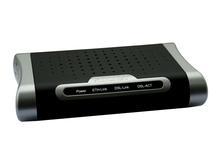
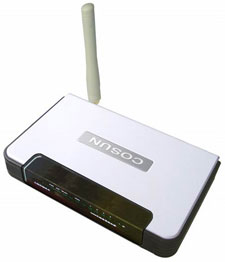
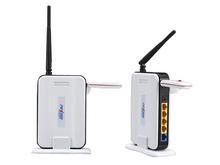
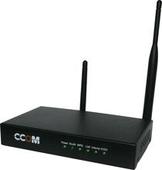
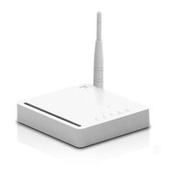
Routers
Source high-performance routers from vetted manufacturers and suppliers across Asia. Designed for importers, networking distributors, and brands seeking OEM/ODM production, our network delivers reliable, compliant hardware in bulk. We manage factory vetting, quality control, and logistics to ensure secure, scalable supply chains.
Sourcing networking hardware in volume requires navigating volatile chipset supply chains, strict RF compliance standards, and complex firmware integration. Success depends on partnering with factories that possess advanced PCBA capabilities and rigorous RF testing protocols.
Defining Hardware Specifications for OEM/ODM Routers
The core of any router is its SoC (System on Chip) and the RF (Radio Frequency) front-end. When specifying requirements to a manufacturer, you must balance raw throughput with thermal management and firmware stability.
| Wi-Fi Standard | Typical Bands | Target Application |
|---|---|---|
| Wi-Fi 5 (802.11ac) | Dual-band (2.4/5GHz) | Entry-level consumer, budget ISP |
| Wi-Fi 6/6E (802.11ax) | Dual/Tri-band (inc. 6GHz) | Mainstream enterprise, high-density residential |
| Wi-Fi 7 (802.11be) | Tri-band (up to 320MHz channels) | Premium gaming, future-proof enterprise deployments |
Memory (RAM and Flash) is equally critical. A common mistake is under-specifying Flash memory, which limits future firmware updates or the ability to run custom OS environments like OpenWRT.
Need help identifying the right chipset and factory for your networking hardware? We manage the technical vetting process from start to finish.
Talk to our teamManufacturing Quality and RF Calibration
Router manufacturing is heavily reliant on precise PCBA (Printed Circuit Board Assembly) and rigorous RF tuning. Poor soldering on the RF shielding or mismatched antenna impedance will severely degrade wireless performance, even if the underlying chipset is premium.
Critical QC Checks for Router Production
- RF Calibration: Verifying transmit power (Tx) and receive sensitivity (Rx) using specialized shielding boxes and network analyzers.
- Thermal Stress Testing: Running units at maximum throughput in 40 to 50 degree Celsius environments to check for throttling or reboot loops.
- Throughput & Stability: Long-duration Iperf testing across all bands to ensure zero packet loss under sustained load.
- Firmware Flashing Verification: Ensuring the correct bootloader and OS version are installed and locked down against unauthorized access.
Implementing robust Quality Control & Inspection at the factory level is non-negotiable. Catching an RF calibration issue pre-shipment is a minor delay; catching it after distribution is a costly recall.
Navigating Compliance and Certifications
Networking devices transmit radio frequencies, placing them under strict regulatory scrutiny worldwide. Importers must ensure the factory can provide valid test reports for the exact component configuration being purchased.
For North America, FCC Part 15 (Subpart B for unintentional radiators, Subpart C/E for intentional radiators) is mandatory. In Europe, devices must meet CE RED (Radio Equipment Directive), RoHS, and REACH requirements. If you modify the antenna design or change the housing material, previous certifications may be voided. Engaging specialized Compliance & Testing services early in the development cycle prevents customs seizures and market bans.
Typical MOQs, Lead Times, and Pricing Drivers
Router pricing is heavily dictated by the global IC (Integrated Circuit) market. Chipsets from Broadcom, Qualcomm, or MediaTek often dictate the baseline cost and the production timeline.
When negotiating OEM/ODM Services, be aware that factories prioritize buyers who can forecast IC requirements 6 months in advance. Spot-buying routers is risky due to the volatility of memory and chipset pricing.
Struggling with high MOQs or volatile chipset pricing? Let us negotiate with top-tier networking manufacturers on your behalf.
Get a free consultationSourcing routers successfully requires more than just picking a design from a catalog; it demands tight control over component selection, RF tuning, and regulatory compliance. The alignment between hardware capabilities and firmware stability is where market leaders separate themselves from the rest.
Get Sourcing Help for Routers
Tell us your requirements and our experts will connect you with verified manufacturers.