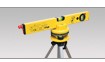
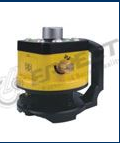
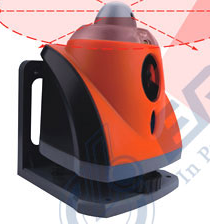
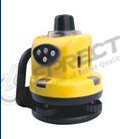
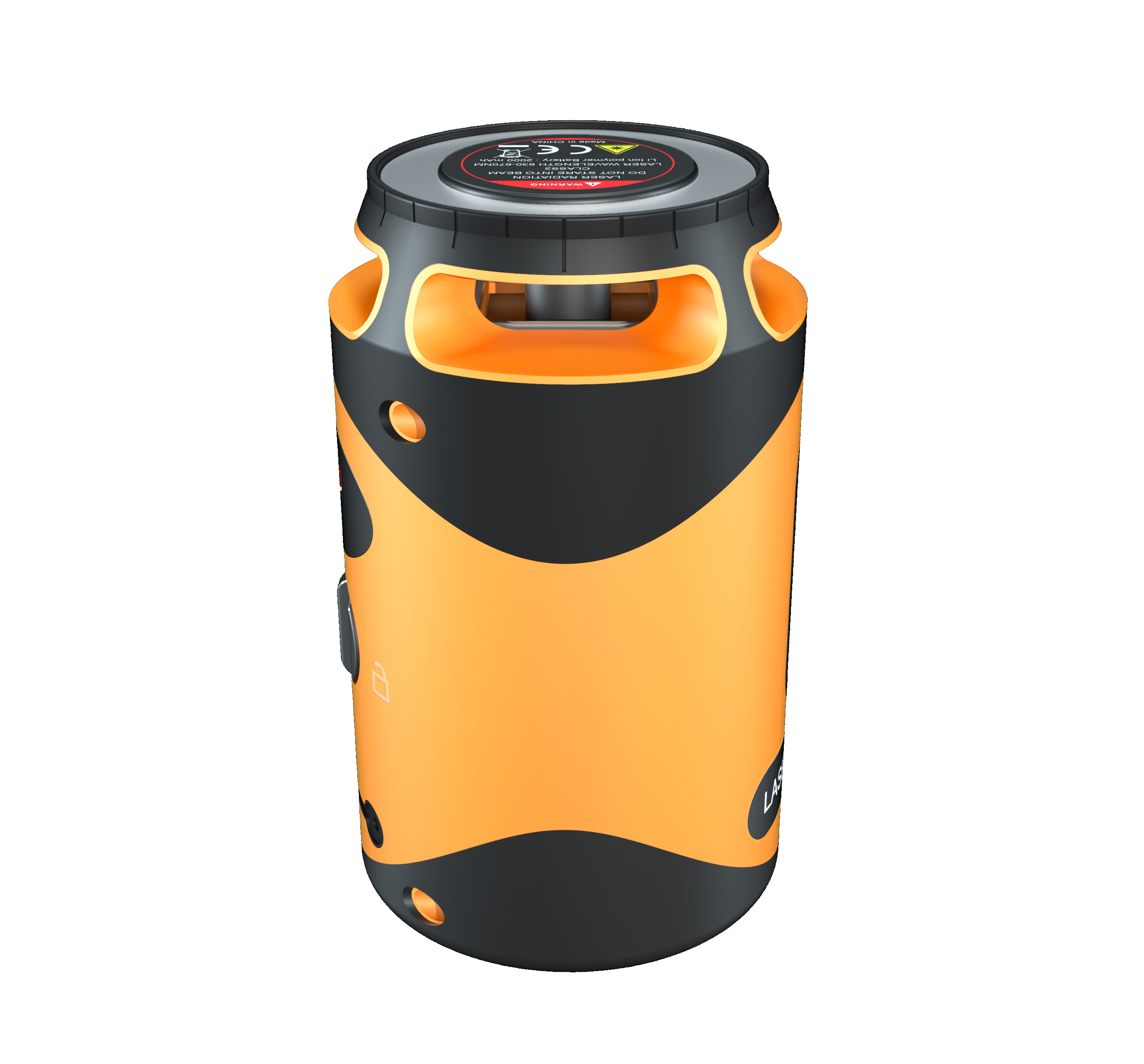
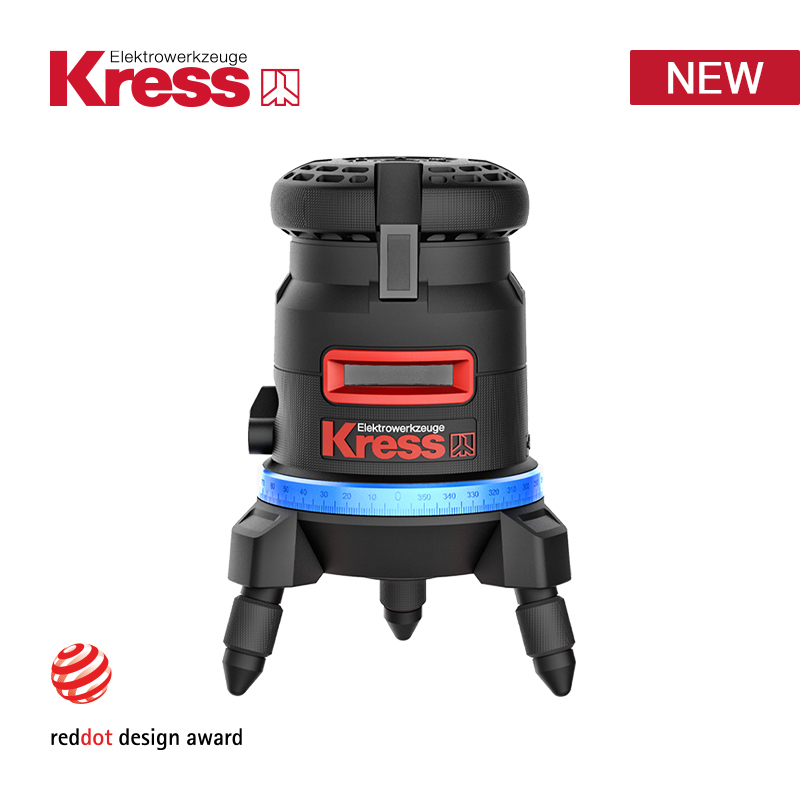
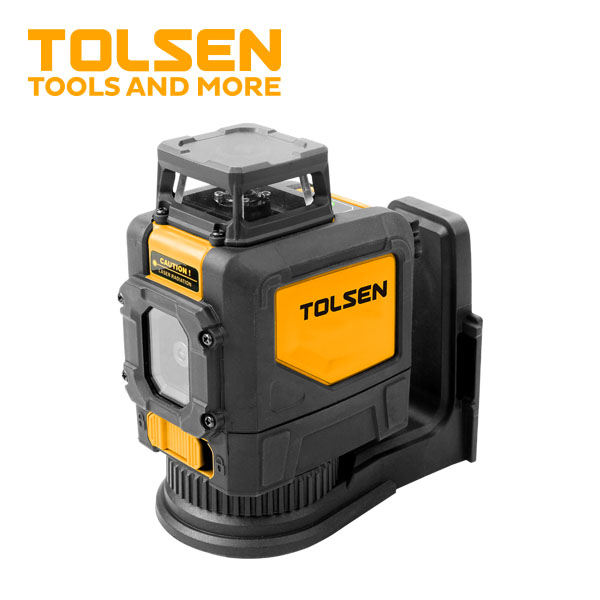
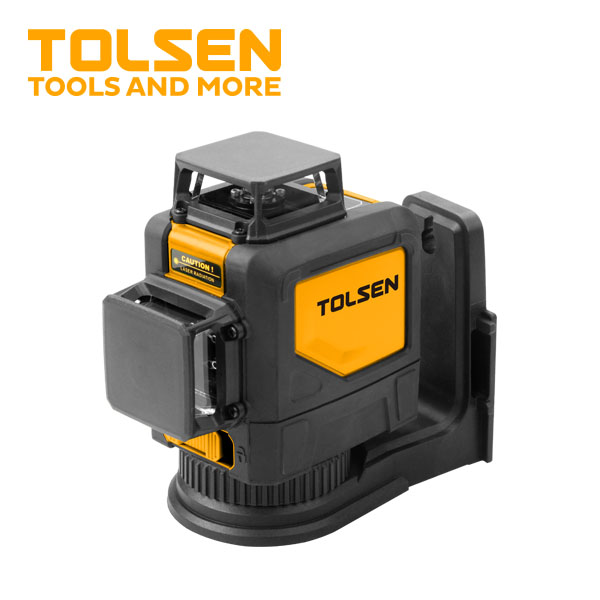
Rotary Laser Levels
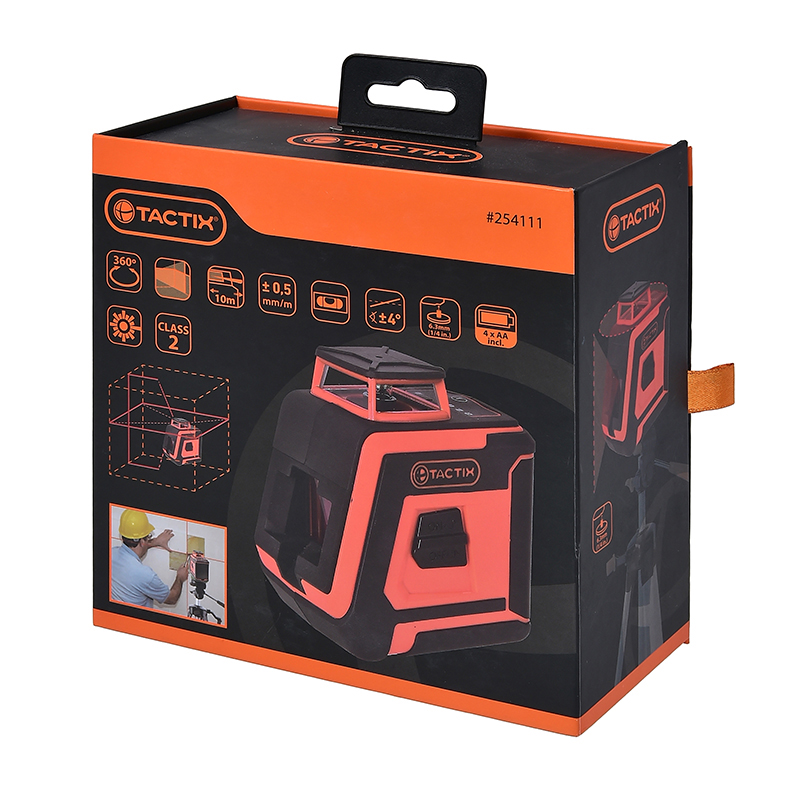
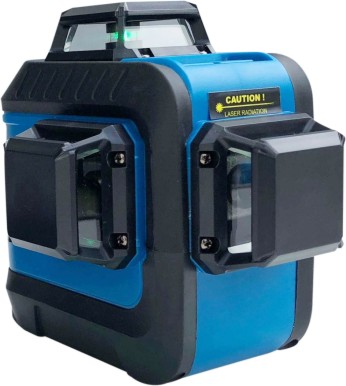
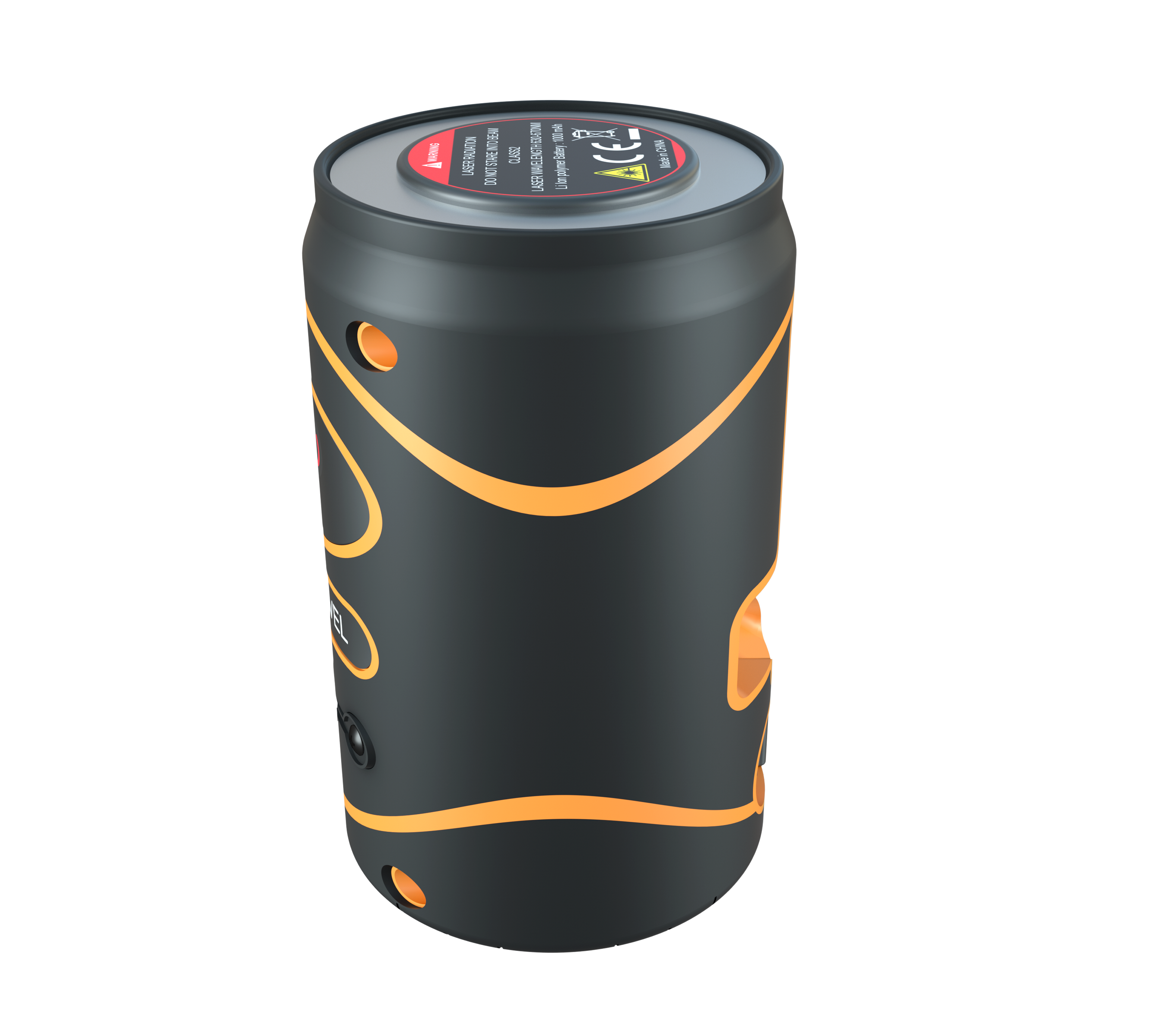
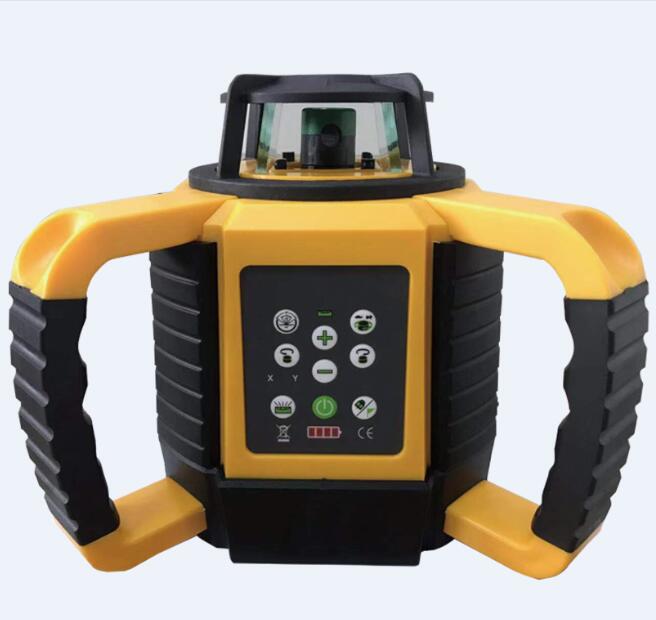
Source Rotary Laser Levels in bulk from vetted manufacturers and wholesale suppliers. Designed for importers, distributors, and tool brands seeking reliable OEM and private-label production. Ensure precision, durability, and competitive pricing for your professional measuring equipment supply chain.
Sourcing rotary laser levels at scale requires navigating a complex intersection of optical precision, electronic stability, and rugged mechanical design. For professional end-users in construction and grading, an instrument that loses calibration on a job site is a massive liability. The primary challenge when importing these tools is identifying manufacturers capable of consistent environmental sealing, reliable servomotor calibration, and high-quality laser diode integration, rather than those just assembling off-the-shelf components in generic housings.
Struggling to find laser level manufacturers with reliable calibration standards? Let our sourcing experts vet the right factory for your brand.
Talk to our teamDefining Professional-Grade Specifications
When specifying rotary lasers for bulk production, the technical requirements dictate both the component cost and the factory capabilities required. Consumer-grade factories often struggle with the tight tolerances demanded by professional users.
| Specification | Standard Commercial | Professional/Heavy Duty |
|---|---|---|
| Accuracy | ±1/8 inch at 100 ft | ±1/16 inch at 100 ft |
| Leveling Mechanism | Pendulum (Wire-hung) | Electronic Servomotor |
| Ingress Protection | IP54 (Dust/splash) | IP66 to IP67 (Washdown/submersion) |
| Operating Range | Up to 1,000 ft (with detector) | Up to 4,000 ft (with detector) |
Beam Color and Diode Quality
The choice between red and green laser diodes significantly impacts sourcing. Green beams are up to four times more visible to the human eye, making them highly desirable for interior work. However, green diodes require more power, generate more heat, and are more sensitive to temperature fluctuations. Ensuring the factory sources high-grade diodes (often imported from Japan or Germany) and implements proper heat dissipation is critical to preventing premature failure.
Leveling Mechanisms
Entry-level rotary lasers use wire-hung pendulums with magnetic dampening. While cost-effective, they are prone to damage from drops and vibration. Professional models utilize electronic self-leveling systems driven by precision servomotors and digital tilt sensors. Manufacturing these requires a cleanroom environment and advanced calibration equipment that many lower-tier suppliers simply do not possess.
Factory Quality Control and Common Defects
The difference between a reliable rotary laser and a defective one is entirely dependent on the manufacturer's quality assurance processes. Calibration drift—where the laser loses accuracy over time or after mild impacts—is the most common failure point.
Implementing robust Quality Control & Inspection protocols is non-negotiable. Relying solely on the factory's internal QC often leads to high return rates once the product reaches your distribution network.
Critical Factory QC Checkpoints
- Temperature Cycling: Testing calibration stability across extreme temperature ranges (e.g., -10°C to 50°C).
- Drop Testing: Verifying the integrity of the internal shock mounts and glass housing.
- Vibration Testing: Ensuring electronic servomotors and wiring harnesses remain secure during transit and heavy equipment operation.
- Ingress Protection Verification: Pressure testing seals and gaskets to confirm IP66/IP67 compliance.
OEM/ODM Customization for Tool Brands
Most importers and tool brands utilize OEM/ODM Services to differentiate their rotary lasers in a crowded market. Customization goes far beyond simply applying a logo to a stock housing.
Key areas for private-label development include:
- Overmolding and Housing: Custom TPR (Thermoplastic Rubber) overmolding for enhanced drop protection and brand color matching.
- Battery Ecosystems: Transitioning from standard alkaline batteries to proprietary lithium-ion packs, or integrating adapters for widely used power tool battery platforms.
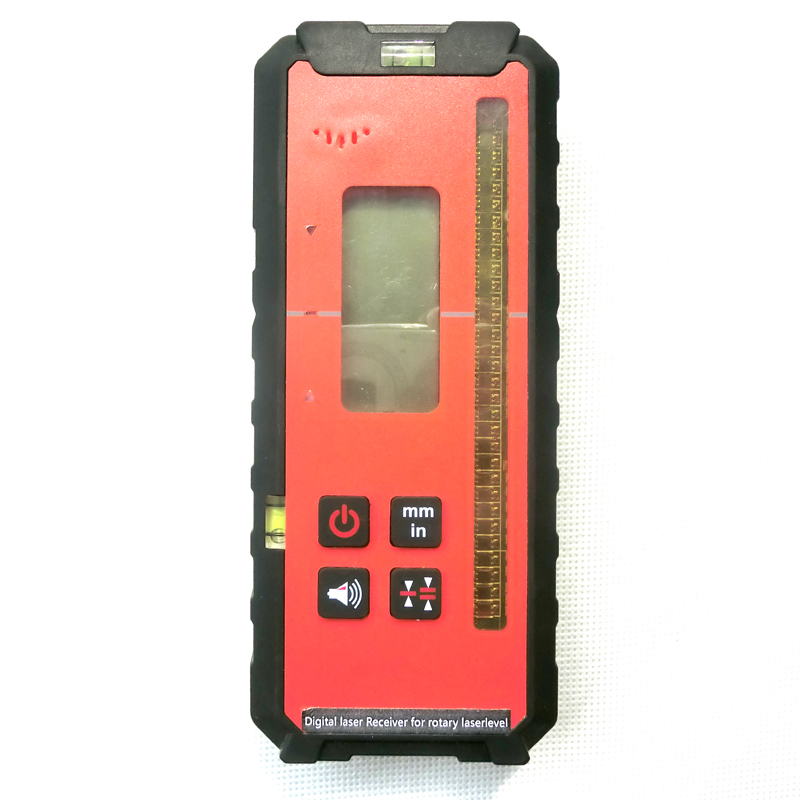
- Detector and Remote Pairing: Customizing the communication protocols (IR or RF) between the laser and the laser receiver to prevent interference on busy job sites.
Pricing, MOQs, and Lead Times
Understanding the commercial realities of manufacturing rotary lasers helps in negotiating terms and planning inventory. Prices fluctuate based on diode selection, leveling technology, and included accessories (tripods, grade rods, receivers).
Because the internal components are delicate and expensive, verifying a supplier's assembly capabilities before placing a deposit is crucial. Conducting comprehensive Factory Audits ensures the supplier actually manufactures the optical and electronic components, rather than merely acting as a trading company marking up sub-assembled parts.
Need to verify a supplier's technical capabilities before placing a bulk order? Our on-the-ground team can audit their facilities and production lines.
Get a free consultationFrequently Asked Questions
Successfully sourcing rotary laser levels requires prioritizing long-term reliability over the lowest possible unit price. A marginally cheaper unit that suffers from calibration drift will ultimately cost your brand significantly more in returns, warranty claims, and damaged reputation. Working with vetted manufacturers who understand professional tolerances is the only sustainable strategy.
Get Sourcing Help for Rotary Laser Levels
Tell us your requirements and our experts will connect you with verified manufacturers.