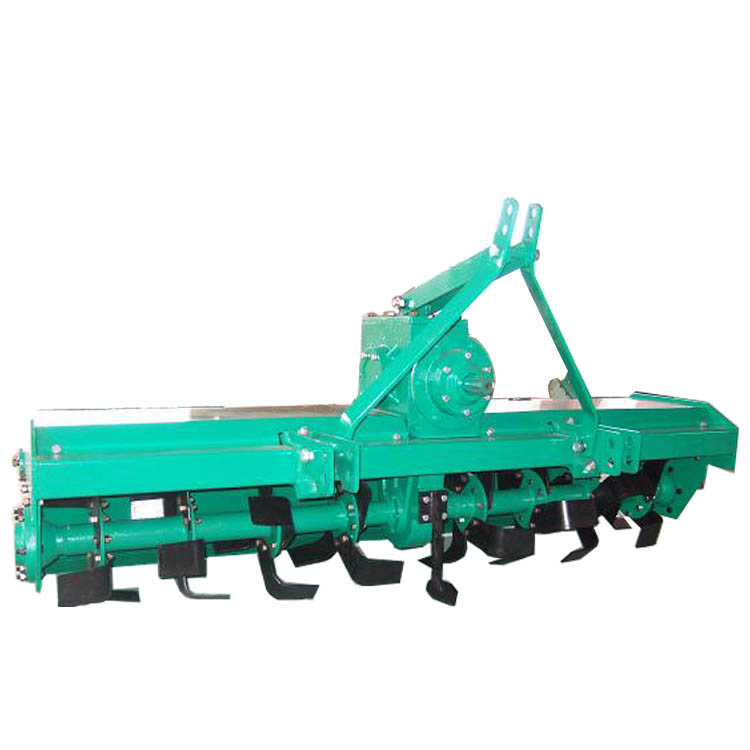
Rotary Cultivator
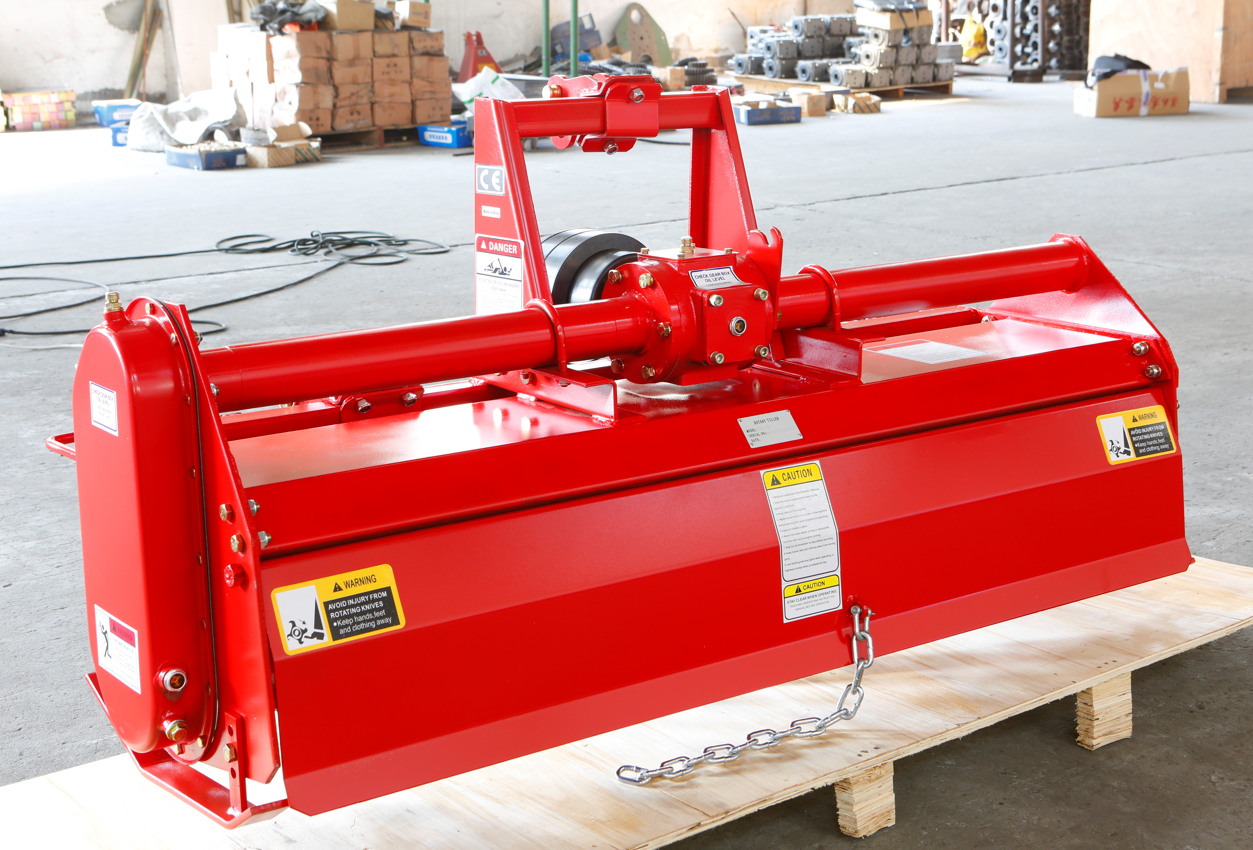
Source high-performance rotary cultivators from vetted manufacturers and suppliers in China and Asia. Designed for agricultural machinery importers, wholesale distributors, and brands seeking reliable OEM production, our bulk sourcing solutions ensure you secure durable, field-tested equipment at competitive wholesale prices.
Sourcing rotary cultivators at scale requires strict attention to mechanical tolerances, metallurgy, and drivetrain compatibility. Because these implements operate in high-torque, high-vibration environments, structural failures or gearbox defects can quickly destroy a brand's reputation. Navigating the manufacturing landscape in hubs like Shandong or Jiangsu means distinguishing between assembly workshops that bolt together off-the-shelf parts and specialized manufacturers with in-house machining and heat-treatment capabilities.
Critical Technical Specifications
When negotiating with factories, defining the exact operating parameters is non-negotiable. Off-the-shelf models are often built for local soil conditions; export markets usually require upgraded specifications.
- Tractor HP Compatibility: The implement must match the tractor's horsepower and Power Take-Off (PTO) output. Specifying a cultivator rated for 40 HP on an 80 HP tractor will result in immediate gearbox or PTO shaft failure.
- Gearbox Construction: The heart of the cultivator. Cast iron housings are standard for heavy-duty applications. You must specify the gear ratio and whether you require a single-speed or multi-speed gearbox.
- Blade (Tine) Metallurgy: Standard export models use 65Mn spring steel. For highly abrasive soils, specify 28MnB (boron steel) or 30MnB5, which offer superior wear resistance.
- Driveline Protection: Ensure the PTO shaft includes adequate overload protection. Shear bolts are economical, but slip clutches are mandatory for premium markets or rocky soil conditions.
| Specification | Light-Duty / Compact | Heavy-Duty / Commercial |
|---|---|---|
| Tractor HP Range | 15 to 45 HP | 60 to 120+ HP |
| Gearbox Material | Aluminum or Light Cast Iron | Heavy Nodular Cast Iron |
| Driveline Protection | Shear Bolt | Slip Clutch |
| Typical Blade Type | C-Type (65Mn) | L-Type or J-Type (Boron Steel) |
Need to match specific agricultural requirements with capable manufacturers? Let us handle the factory vetting and technical negotiations.
Get a free consultationManufacturing Quality Control
The durability of a rotary cultivator is determined by the factory's machining precision and welding standards. Relying solely on a supplier's spec sheet is risky; verifying their production methods through rigorous factory audits is essential before placing volume orders.
Pay close attention to the rotor tube. It must be perfectly balanced after the blade flanges are welded on. An unbalanced rotor causes severe vibration, leading to premature bearing failure and structural cracking.
Critical Factory QC Checkpoints
- Rotor balancing: Verify the factory uses dynamic balancing machines on the assembled rotor shaft.
- Gearbox run-in testing: Ensure each gearbox is tested for noise, leaks, and temperature under load before painting.
- Welding standards: Check for continuous, slag-free welds on the main frame and 3-point linkage, preferably robotic.
- Paint quality: Specify powder coating or multi-layer epoxy paint over shot-blasted steel to prevent field corrosion.
Implementing strict quality control protocols, including pre-shipment inspections, ensures these standards are met before the machinery is containerized.
Buying Mechanics: MOQs, Pricing, and Logistics
Purchasing agricultural machinery in bulk involves managing significant capital and complex logistics. Most Chinese manufacturers base their pricing on current steel commodity rates and the specific component upgrades requested.
If you are developing a proprietary implement line, utilizing OEM/ODM services allows you to customize working widths, gearbox configurations, and branding.
Logistics also play a massive role in unit cost. Rotary cultivators are heavy and awkwardly shaped. Shipping them fully assembled is highly inefficient. They are typically shipped Semi-Knocked Down (SKD) in iron crates. Coordinating this requires experienced shipping and freight management to optimize the cubic volume of a 40HQ container and handle the necessary customs documentation for heavy machinery.
Streamline your agricultural machinery supply chain. We manage everything from spec finalization to container loading.
Talk to our teamFrequently Asked Questions
Successfully importing rotary cultivators requires looking past the glossy catalog photos to scrutinize the underlying engineering and factory capabilities. By standardizing your technical requirements and enforcing strict quality oversight on the production floor, you can secure reliable machinery that performs season after season.
Get Sourcing Help for Rotary Cultivator
Tell us your requirements and our experts will connect you with verified manufacturers.