Ropes
Source commercial and industrial ropes directly from vetted manufacturers and suppliers. Designed for importers, wholesalers, and brands requiring reliable bulk production, our network delivers high-performance lifting, pulling, and positioning ropes with full OEM and private-label capabilities.
Sourcing industrial ropes requires balancing breaking strength, elongation, and environmental resistance against strict cost constraints. Whether you are supplying marine, construction, or heavy logistics sectors, securing consistent quality at scale hinges on precise material specification and rigorous factory-level oversight.
Specifying Industrial Ropes for Bulk Production
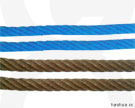
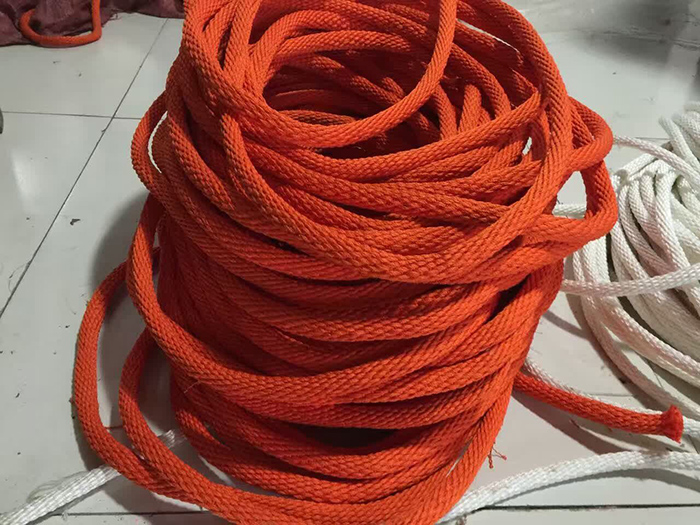
Material selection dictates performance, but construction dictates application. When engaging suppliers for bulk orders, specifying the exact polymer grade and braid structure is critical to ensuring the final product meets the demands of its intended environment.
| Material | Primary Advantage | Typical Applications |
|---|---|---|
| UHMWPE (HMPE) | Extreme strength-to-weight ratio | Heavy lifting, winch lines |
| Nylon (Polyamide) | High shock absorption and elasticity | Towing, dynamic loading |
| Polyester | Low stretch, excellent UV resistance | Static rigging, pulling |
| Polypropylene | Floats, highly chemical resistant | Light marine, general utility |
Beyond the raw material, the construction method—such as 3-strand twisted versus 12-strand or double-braided—determines torque resistance and handling characteristics. If you are developing custom product lines, leveraging professional OEM/ODM Services ensures your exact specifications for tracer yarns, coatings, and splice terminations are engineered correctly from the start.
Manufacturing Variables and Quality Control
In rope manufacturing, inconsistencies often stem from the extrusion and braiding phases. Variations in yarn tension during the braiding process can lead to uneven load distribution across the strands, causing premature failure well below the stated Minimum Breaking Load (MBL).
Struggling with inconsistent breaking strengths from your current supplier? Let us audit your supply chain and establish rigorous manufacturing protocols.
Talk to our teamTo mitigate risks, buyers must implement strict factory oversight. Standardized testing should include destructive tensile testing and abrasion resistance evaluations on every production batch.
Critical Factory Inspection Points
- Yarn tension uniformity during the braiding process
- Coating application consistency (e.g., polyurethane for abrasion resistance)
- Accurate measurement of diameter under standard tension
- Verification of Minimum Breaking Load (MBL) via destructive testing
Relying solely on supplier-provided certificates is a common pitfall. Implementing independent Quality Control & Inspection prior to shipment is the only reliable way to ensure the batch meets your required safety factors. Furthermore, for specific regional markets, integrating proper Compliance & Testing ensures your products meet ISO, EN, or Cordage Institute standards before they leave the factory.
Sourcing Realities: MOQs, Pricing, and Lead Times
Industrial rope manufacturers generally calculate Minimum Order Quantities (MOQs) by raw material weight rather than finished length. This means thinner diameters will require significantly longer run lengths to meet the factory's minimum threshold.
Pricing fluctuates based on petroleum derivatives (for synthetic fibers) and the complexity of the braid. Double-braided ropes, which require a core and a cover to be braided in separate passes, naturally carry higher manufacturing costs than simple 3-strand twisted ropes.
Need to negotiate better terms or consolidate orders across multiple rope manufacturers? We can streamline your procurement.
Get a free consultationFrequently Asked Questions
Procuring industrial ropes at scale requires looking past the surface price to evaluate the structural integrity and manufacturing consistency of the product. By partnering with experienced sourcing professionals, you can ensure your supply chain delivers reliable, compliant, and cost-effective lifting and pulling solutions every time.
Get Sourcing Help for Ropes
Tell us your requirements and our experts will connect you with verified manufacturers.