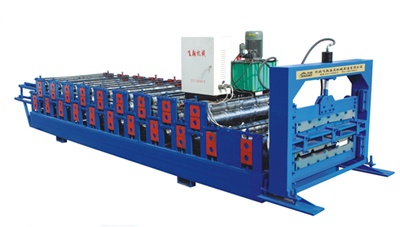
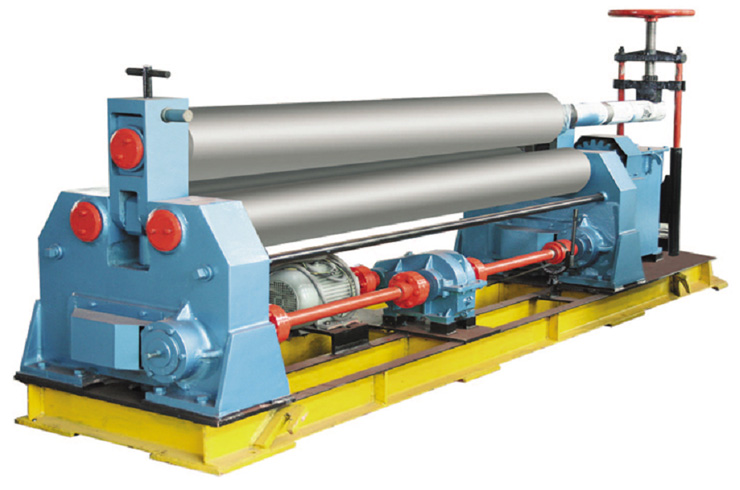
Rolling Mill
Source high-performance rolling mills directly from vetted manufacturers and suppliers. Designed for importers, industrial equipment distributors, and brands seeking OEM production, our network delivers reliable metal forming machinery in bulk. Ensure competitive pricing, strict quality control, and seamless logistics for your commercial rolling mill orders.
Sourcing rolling mills requires balancing heavy-duty mechanical reliability with high-precision output. Whether you are importing benchtop jewelry mills in volume for retail distribution or procuring large-scale cold rolling lines for industrial clients, the core challenge remains the same: verifying the metallurgical integrity of the rollers and the durability of the drive systems before the equipment leaves the factory floor.
Heavy machinery sourcing is unforgiving; a single batch of improperly heat-treated rollers or an undersized gearbox can render the equipment useless and damage your reputation as a supplier.
Key Specifications to Define
When negotiating with a rolling mill factory, generic specifications will result in inconsistent product quality. You must clearly define the mechanical and electrical parameters to ensure the machine meets your market's demands.
| Component | Standard Configuration | Premium / OEM Upgrade |
|---|---|---|
| Roller Material | Cr12MoV or GCr15 Steel | Tungsten Carbide (extreme wear resistance) |
| Drive System | Standard AC Motor & Chain Drive | Servo Motor & Direct Gearbox (Siemens/ABB) |
| Thickness Adjustment | Manual T-bar / Handwheel | Motorized PLC-controlled adjustment |
| Cooling System | Air cooled (low speed) | Integrated liquid cooling circulation |
The material and hardness of the rollers dictate the lifespan of the mill. For standard cold rolling of non-ferrous metals, Cr12MoV hardened to 60-62 HRC is typical. For high-volume wire flattening or working with harder alloys, upgrading to tungsten carbide is often necessary.
Manufacturing Quality and Factory Vetting
The true quality of a rolling mill is determined in the machine shop. The precision grinding of the rollers and the quality of the bearings dictate the final runout (eccentricity) of the machine. If the factory lacks high-precision CNC grinding equipment, the rollers will transfer surface defects directly onto the processed metal.
Before committing to a bulk order, conducting thorough Factory Audits is critical. You need to verify that the supplier actually mills and heat-treats their own rollers, rather than assembling cheap, off-the-shelf components. Check their testing equipment—capable factories should have surface roughness testers and dynamic balancing machines on-site.
Need to verify a machinery supplier's production capabilities and quality systems?
Talk to our teamInspection and Quality Control
Catching defects in heavy machinery after it has been shipped is a costly mistake. Comprehensive pre-shipment inspection is mandatory.
Critical Inspection Points for Rolling Mills
- Roller Hardness Testing: Verify HRC values match specifications across multiple points on the roller surface.
- Runout Tolerance: Measure dynamic eccentricity under load; premium mills should maintain tolerances under 0.01mm.
- Thermal Performance: Run the mill continuously for 60 minutes to check for motor overheating or bearing friction.
- Electrical Safety: Ensure control panels meet destination market standards (CE, UL) with proper grounding and emergency stops.
- Surface Finish: Inspect the roller surface for micro-cracks or poor grinding marks (Ra value verification).
Implementing rigorous Quality Control & Inspection protocols ensures that every unit in your container functions safely and meets your precise tolerances.
Pricing, MOQs, and Logistics
The economics of sourcing metal forming machinery differ significantly from consumer goods. Because rolling mills are capital-intensive and heavy, production schedules and shipping arrangements require careful planning.
Shipping heavy machinery introduces risks of transit damage and complex customs clearance. Coordinating Shipping & Freight with a partner experienced in industrial equipment ensures that your mills are properly crated, secured against moisture (to prevent roller rust), and cleared efficiently at the destination port.
Planning a bulk machinery import and need end-to-end logistics and sourcing support?
Get a free consultationSuccessful procurement in the rolling mill category relies entirely on strict supplier vetting and uncompromising pre-shipment testing. By defining exact mechanical tolerances and controlling the inspection process, you can secure industrial-grade machinery that delivers long-term reliability.
Get Sourcing Help for Rolling Mill
Tell us your requirements and our experts will connect you with verified manufacturers.