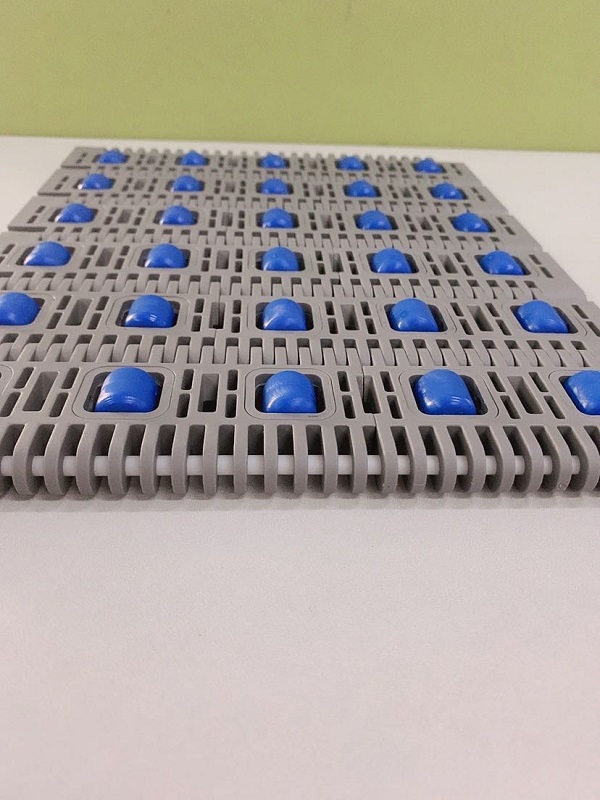
Roller Conveyors
Source high-quality roller conveyors from vetted manufacturers and suppliers in Asia. Built for importers, industrial distributors, and brands seeking reliable OEM production, our network delivers scalable material handling solutions at competitive wholesale prices.
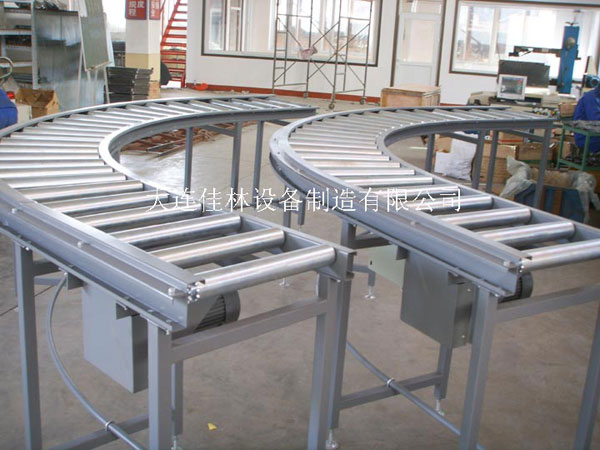
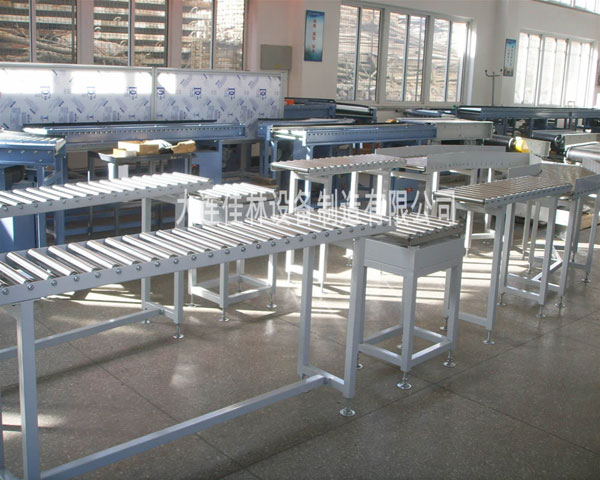
Sourcing roller conveyors at scale requires strict attention to load ratings, bearing specifications, and dimensional tolerances. Whether you are importing standardized gravity rollers for regional distribution or procuring custom chain-driven live roller (CDLR) systems for a specific material handling project, identifying a factory capable of consistent precision is critical to ensuring long-term operational reliability.
Defining Roller Conveyor Specifications
To secure accurate pricing and prevent performance failures, buyers must define precise technical parameters. Vague specifications often result in suppliers defaulting to commercial-grade components that may not withstand industrial duty cycles.
When approaching manufacturers, your specification sheet must explicitly detail:
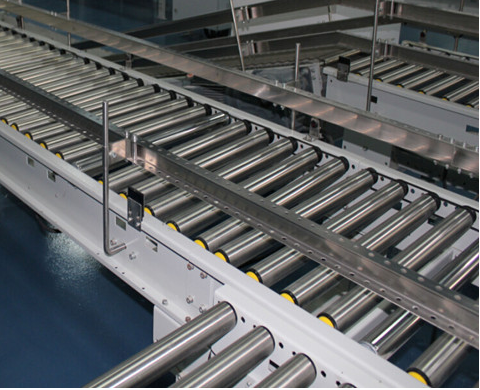
- Roller Pitch: The center-to-center distance between rollers. A standard rule is that a minimum of three rollers must support the conveyed item at all times.
- Bearing Type: Gravity systems can often utilize unground commercial bearings, while powered or high-speed accumulation lines require precision bearings (ABEC-1 or higher) housed in pressed steel or impact-resistant polymer housings.
- Shaft Configuration: Spring-loaded hex shafts (commonly 11mm or 14mm) allow for rapid installation, whereas internally threaded fixed shafts provide higher structural rigidity for heavy loads.
| Tube Material | Relative Cost | Corrosion Resistance | Primary Application |
|---|---|---|---|
| Galvanized Steel | Low | Moderate | Standard dry warehousing |
| Stainless Steel (SUS304) | High | Excellent | Food grade and washdown environments |
| PVC / High-Impact Polymer | Lowest | High | Lightweight loads and highly corrosive areas |
Manufacturing Quality and Factory Vetting
The primary failure points in roller conveyors are bearing seizure and tube deformation. During the manufacturing process, precision tube cutting and deburring are essential. If a tube is not perfectly deburred before the bearing housing is pressed in, metal shavings will inevitably penetrate the bearing race, leading to premature failure and excessive noise.
Assessing a factory's capability requires looking beyond their product catalog. Utilizing Factory Audits ensures the supplier possesses the necessary CNC milling equipment for shaft fabrication and automated presses for bearing assembly, rather than relying on inconsistent manual labor.
Ensure your roller conveyor specifications are met with vetted manufacturers.
Talk to our teamCritical Quality Control Checks
Before a container is sealed, rigorous inspection is necessary to verify performance under load.
Pre-Shipment Inspection Focus Areas
- Runout and Eccentricity: Verify rollers spin true; excessive runout causes vibration and noise.
- Bearing Seating: Ensure housings are pressed flush and securely crimped or welded.
- Surface Finish: Check for uniform galvanization thickness or powder coat adhesion on frames.
- Rotational Resistance: Test starting torque on gravity rollers to ensure free movement.
- Dimensional Tolerance: Confirm shaft protrusion lengths and overall roller widths match CAD files.
Implementing professional Quality Control & Inspection directly at the factory floor prevents defective batches from entering your supply chain.
OEM Customization and Powered Systems
Beyond standard gravity rollers, many buyers require powered systems utilizing O-rings, Poly-V belts, or welded sprockets. These components demand higher precision to prevent belt slippage or chain derailment. For brands developing proprietary material handling equipment, engaging in OEM/ODM Services allows for custom frame fabrication, specialized polyurethane (PU) roller coatings for noise reduction, and tailored drive mechanisms built to your exact engineering tolerances.
Pricing, MOQs, and Lead Times
Roller conveyors and individual rollers are high-volume, low-margin commodities. Pricing is heavily tied to global steel indices and the specific bearing grades selected.
- Minimum Order Quantities (MOQs): For individual replacement rollers, factories typically require MOQs of 500 to 1,000 pieces per size. For complete conveyor frame assemblies, MOQs usually start at 50 to 100 linear meters.
- Lead Times: Standard production runs require 25 to 40 days, depending on raw material availability and custom finishes (like specialized powder coating).
- Logistics: Complete conveyor frames have a notoriously poor volume-to-weight ratio, meaning they consume shipping volume rapidly. Shipping rollers completely knocked down (CKD) or relying on expert Shipping & Freight consolidation is vital to maintaining competitive landed costs.
Optimize your supply chain and freight strategy for bulky material handling equipment.
Get a free consultationSuccessfully sourcing roller conveyors is about managing total cost of ownership. A fraction of a cent saved on a substandard bearing can result in massive downtime and maintenance costs for the end user. By partnering with capable manufacturers and enforcing strict quality standards, you ensure a reliable product that meets demanding industrial requirements.
Get Sourcing Help for Roller Conveyors
Tell us your requirements and our experts will connect you with verified manufacturers.