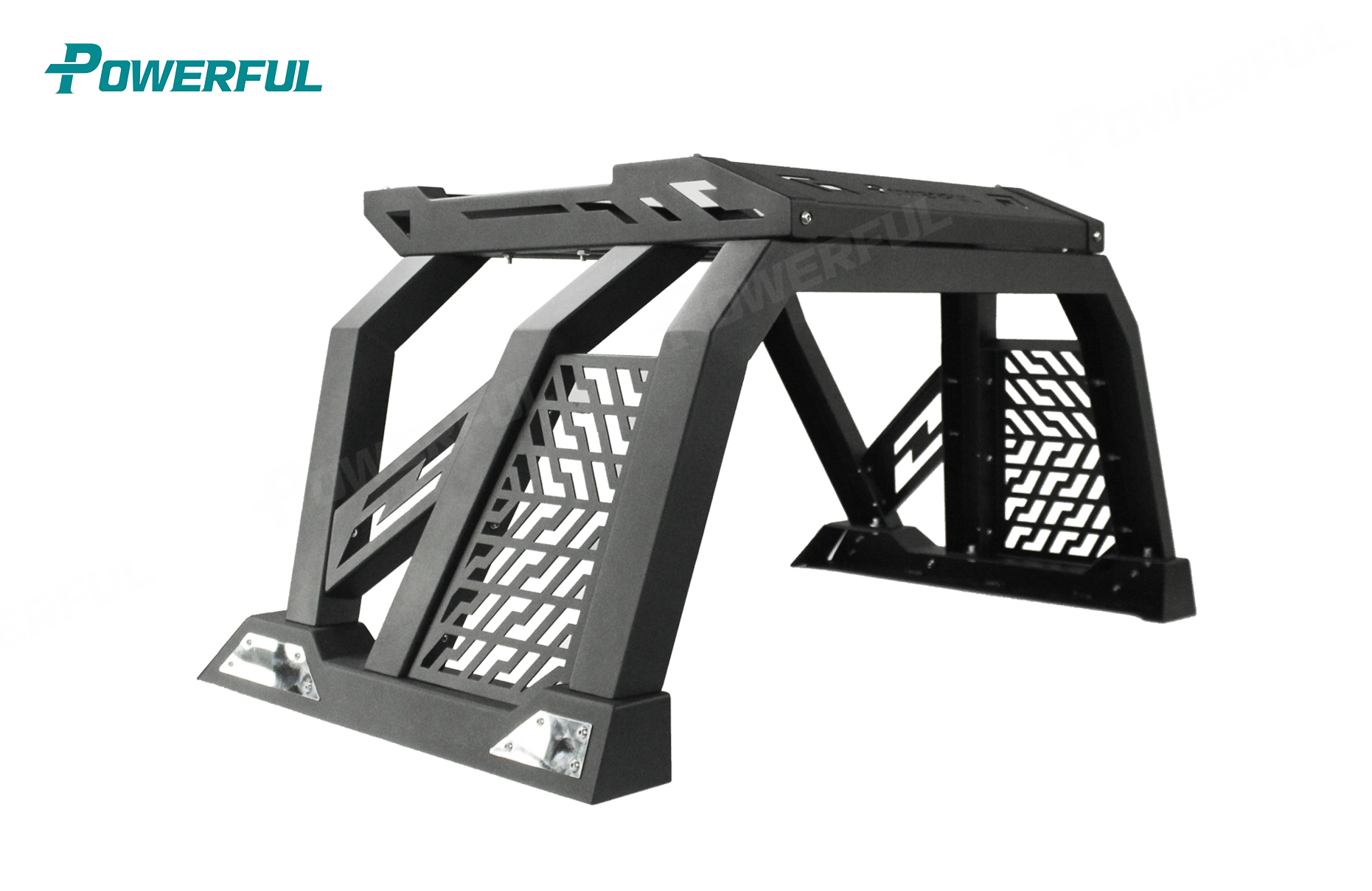
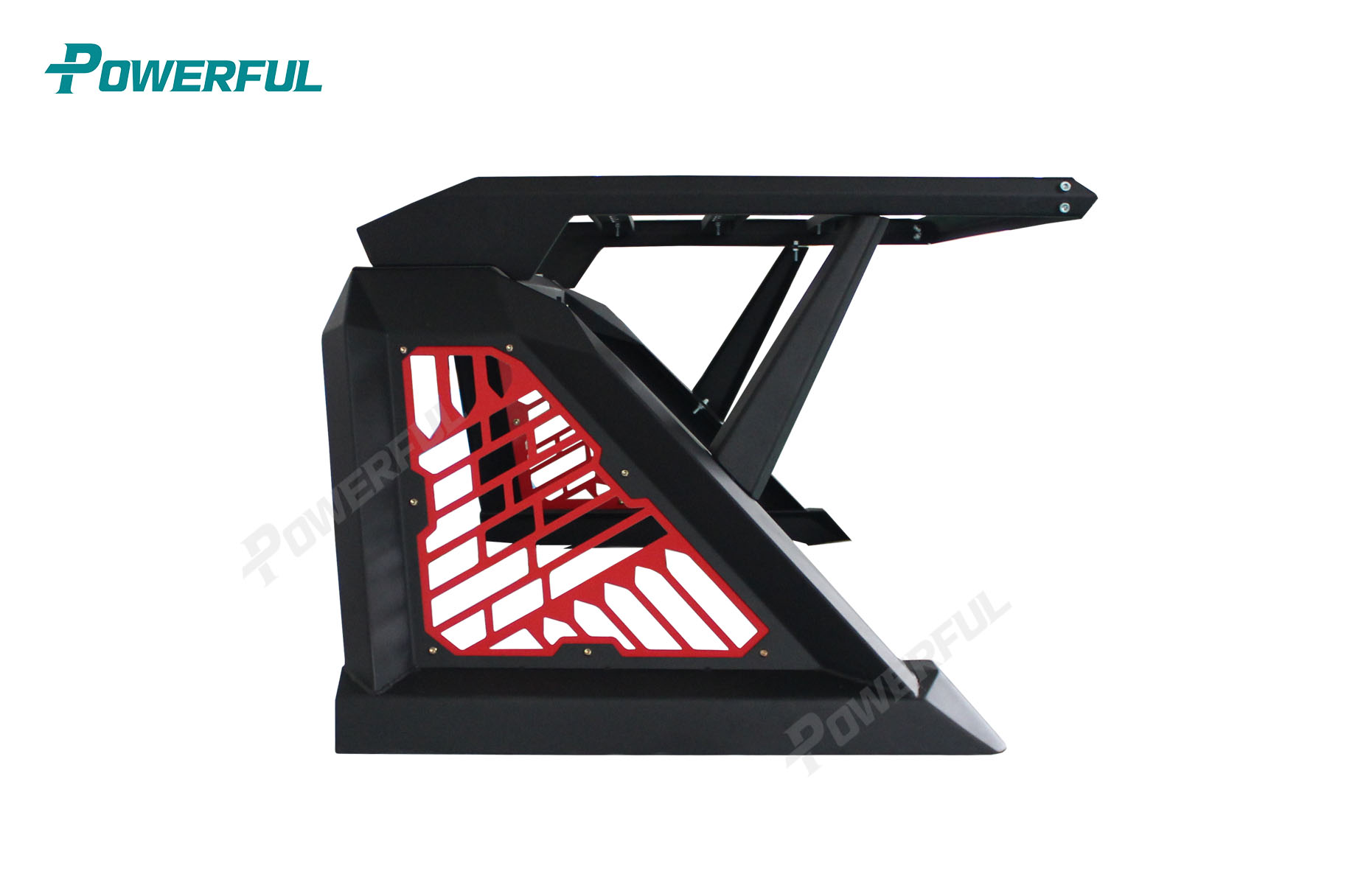
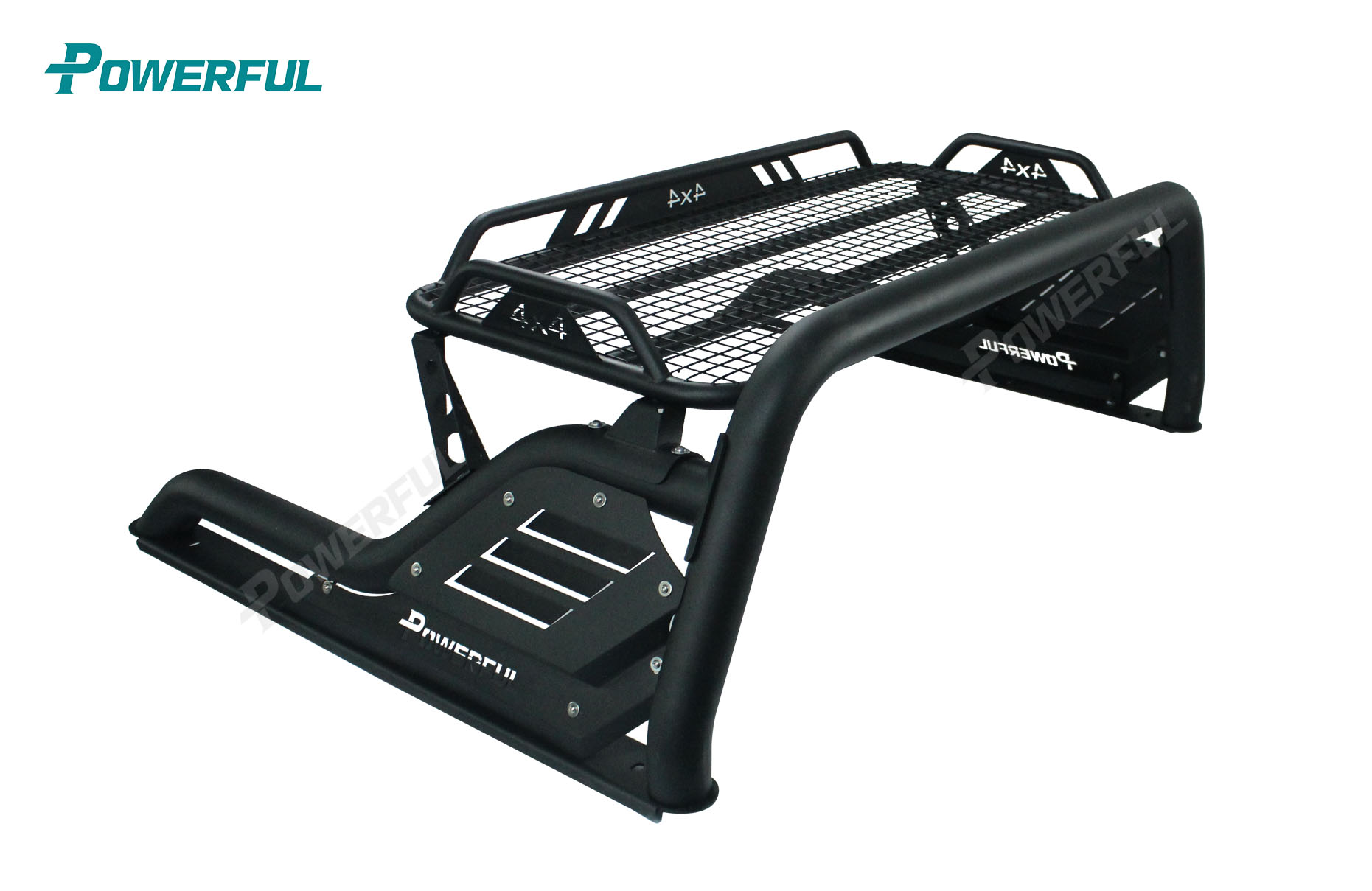
Roll Bars
Source high-quality roll bars from vetted suppliers and manufacturers across Asia. Designed for automotive accessory importers, distributors, and off-road vehicle brands seeking OEM or private-label production, this catalog connects you with factory-direct partners capable of meeting strict structural, fitment, and aesthetic standards at scale.
Sourcing roll bars in bulk requires balancing structural integrity with surface durability and logistics efficiency. Whether you are importing heavy-duty rollover protection structures (ROPS) for commercial fleets or aesthetic sports bars and chase racks for the aftermarket truck segment, the quality of the raw materials, tube bending, and welding dictates the final product's market viability.
A reliable manufacturing partner must demonstrate precise fitment tolerances and robust corrosion resistance, while also offering packaging solutions that prevent shipping damage and optimize container space.
Material Specifications and Tube Processing
The core of any roll bar is its tubing. Buyers must specify both the material grade and the exact dimensional tolerances (outer diameter and wall thickness) to ensure the factory does not substitute thinner, cheaper steel to pad their margins.
| Material | Typical Application | Key Sourcing Consideration |
|---|---|---|
| Mild Steel (Q235/Q345) | Aftermarket sports bars, chase racks | Cost-effective but heavy; requires premium e-coating to prevent internal rust. |
| High-Tensile Steel | Heavy-duty off-road, structural ROPS | Requires advanced CNC mandrel bending to prevent wall thinning or kinking. |
| Aluminum Alloy (6061-T6) | Premium lightweight truck accessories | Demands highly skilled TIG welding; lower load capacity than steel. |
When assessing a supplier's processing capabilities, focus on their tube bending equipment. Standard crush bending compromises the structural integrity and aesthetic of the bend. Ensure the factory utilizes CNC mandrel bending, which inserts a solid mandrel inside the tube during the bend to maintain a perfectly round profile without wrinkling the inner radius or stretching the outer wall beyond safe limits.
Need to verify a manufacturer's bending and welding capabilities before committing to a bulk order? We can evaluate their production lines directly.
Talk to our teamManufacturing Quality: Welding and Surface Finish
Welding and surface treatment are the two areas where quality is most frequently compromised on the factory floor. For steel roll bars, automated MIG welding is standard, but manual TIG welding is often required for aluminum or premium exposed welds.
Corrosion resistance is a major failure point for exterior vehicle accessories. A standard powder coat applied directly to bare steel will chip and rust within months of off-road use. For OEM-level durability, specify a dual-stage finish: an initial electrophoretic deposition (e-coating) to coat both the interior and exterior of the tubes, followed by a UV-resistant powder coat.
To avoid costly defect rates, your Factory Audits and pre-production checks should focus on the following parameters:
Factory Floor Quality Indicators
- Weld penetration and consistency: Inspect for spatter, undercut, or porosity in the weld seams.
- Jig and fixture usage: Verify the factory uses dedicated welding jigs for your specific vehicle models to ensure exact mounting hole alignment.
- Pre-treatment processes: Confirm sandblasting or acid-pickling is used to remove mill scale before coating.
- Salt spray testing: Ensure the factory performs in-house salt spray testing (target a minimum of 480 to 720 hours for exterior accessories).
Customization and OEM/ODM Production
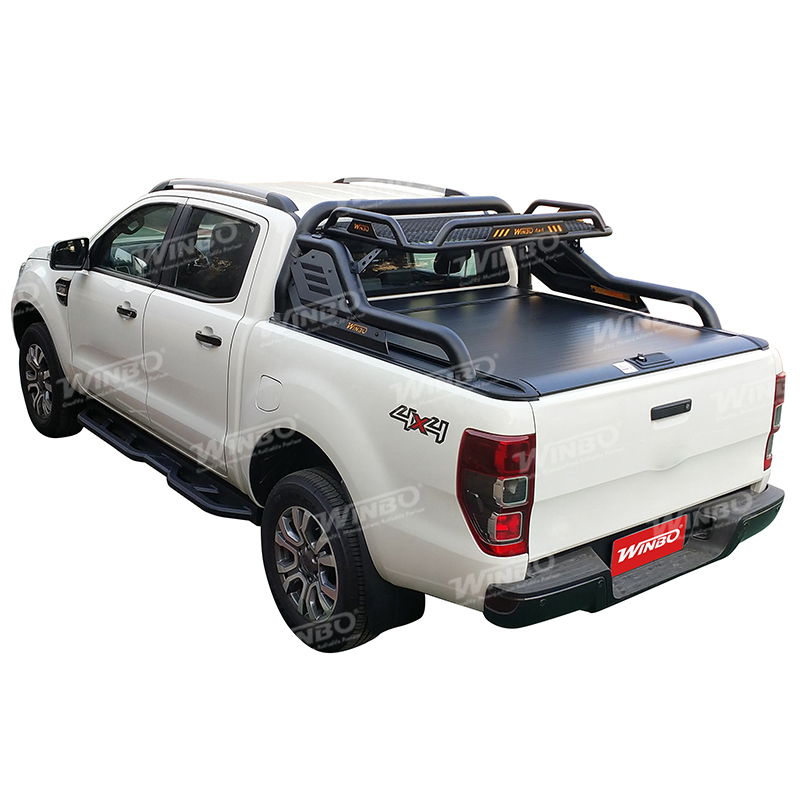
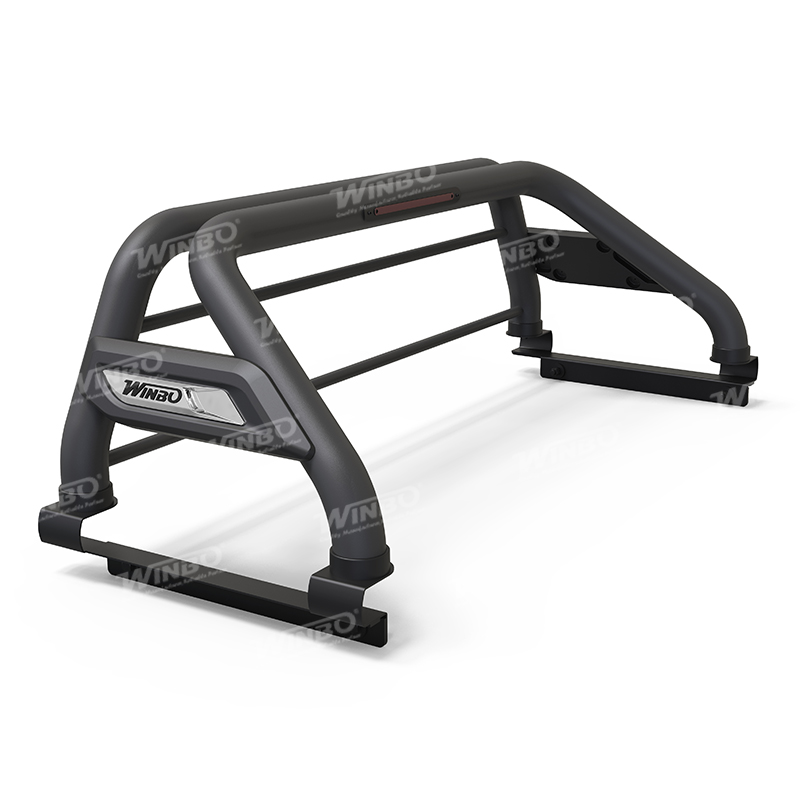
Many buyers are moving away from generic designs toward proprietary modular chase racks with integrated LED light mounts, roof basket compatibility, and custom side plates. When engaging factories for OEM/ODM Services, clear CAD drawings and 3D vehicle scanning data are essential.
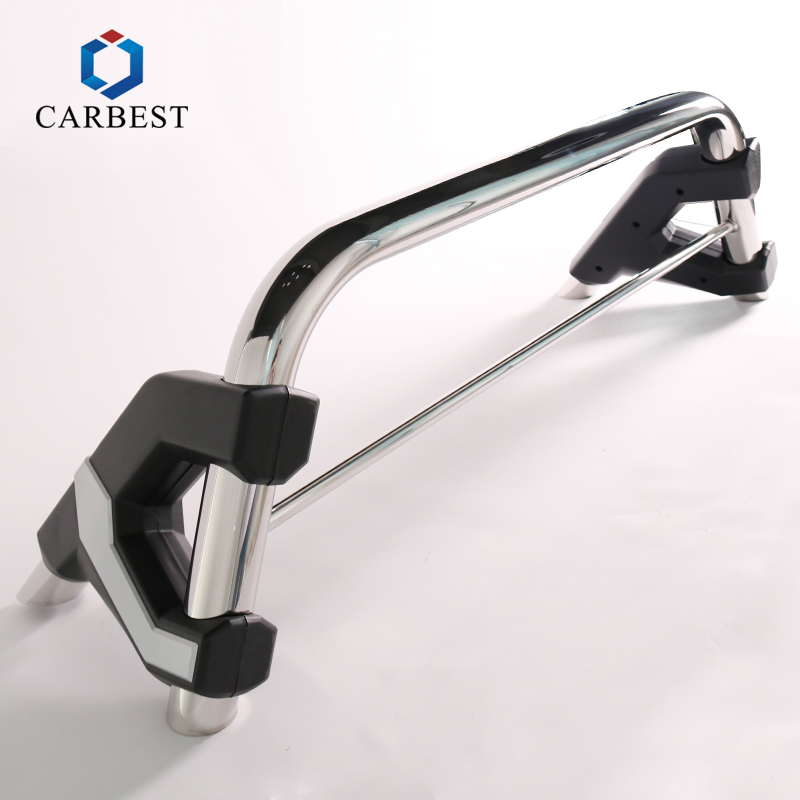
Modular, bolt-together designs have become increasingly popular for bulk importers. While fully welded, one-piece roll bars offer maximum rigidity, they ship with massive amounts of "dead air," drastically increasing freight costs. A well-engineered three-piece modular design can reduce packaging volume by up to 60 percent, allowing you to fit significantly more units into a 40HQ container.
Struggling with high freight costs on bulky exterior accessories? Let's optimize your product design and supply chain for better container utilization.
Get a free consultationPricing Drivers, MOQs, and Lead Times
Pricing for wholesale roll bars fluctuates based on global steel and aluminum indices, but the primary cost drivers within the factory's control are the complexity of the welds, the quality of the powder coat, and the packaging materials (such as custom molded EPE foam to prevent transit scratches).
- Typical MOQs: Expect Minimum Order Quantities of 50 to 100 sets for standard, existing factory designs. For custom OEM designs requiring new welding jigs or laser-cut side plates, MOQs typically start at 200 sets.
- Production Lead Times: Standard production runs take 30 to 45 days. Initial OEM tooling and prototyping will add an additional 20 to 30 days.
- Quality Verification: Because fitment issues cannot be corrected once the goods arrive at your warehouse, rigorous Quality Control & Inspection is mandatory. Inspectors must mount a random sampling of the production run onto a test jig or actual vehicle bed to verify dimensional accuracy.
Sourcing roll bars effectively means looking past the initial unit price and evaluating the total landed cost—factoring in container utilization, defect rates, and long-term finish durability. Partnering with a manufacturer who understands strict fitment tolerances and advanced surface treatments will protect your brand's reputation in the demanding automotive accessory market.
Get Sourcing Help for Roll Bars
Tell us your requirements and our experts will connect you with verified manufacturers.