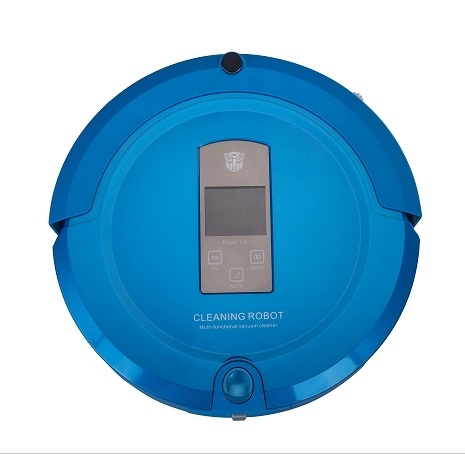
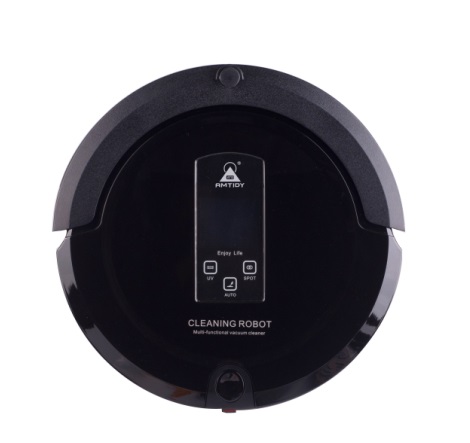
Robot Vacuums
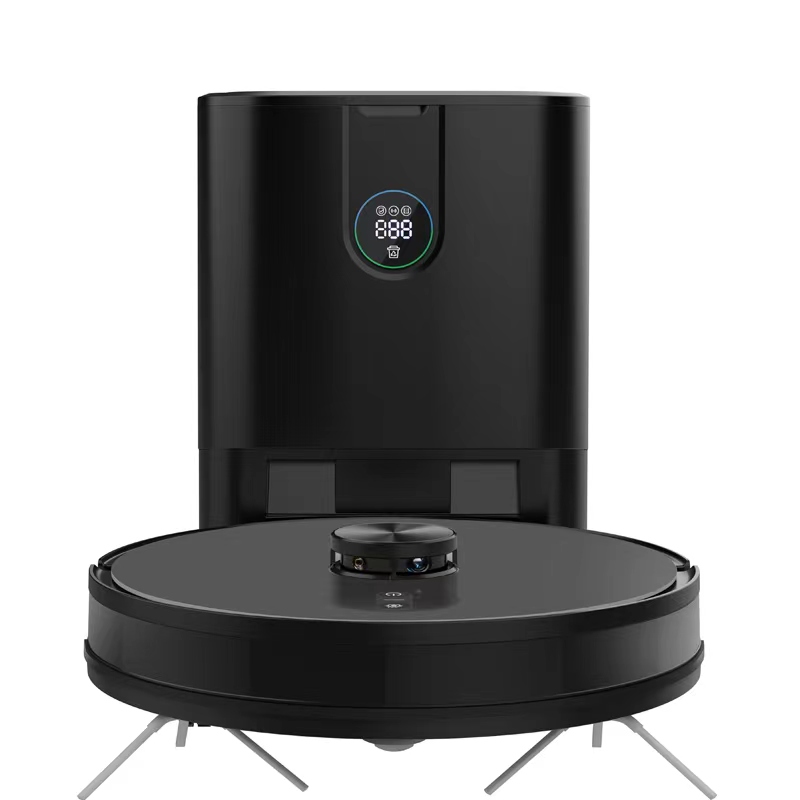
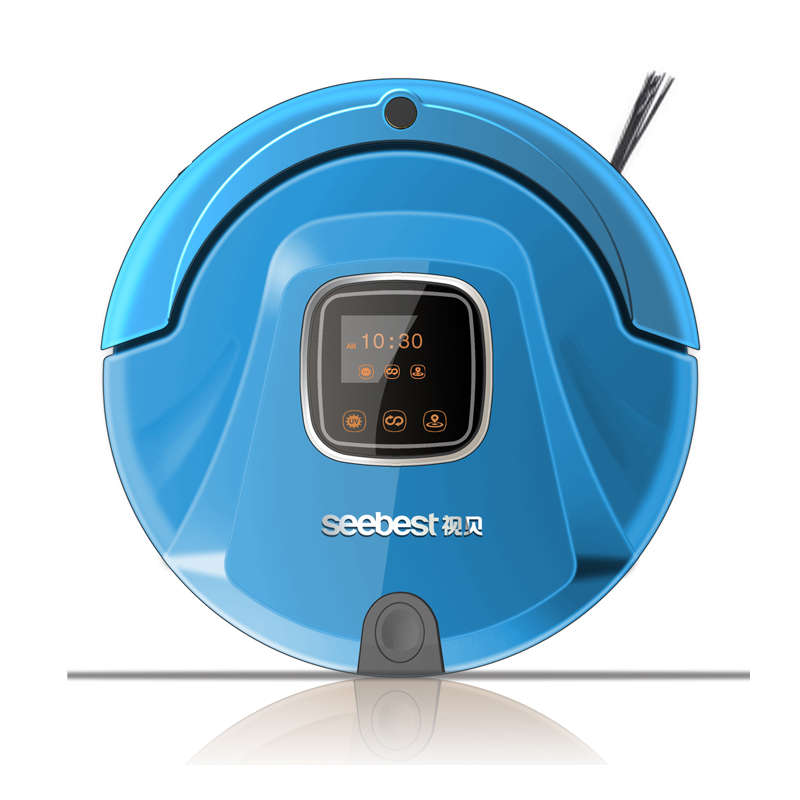
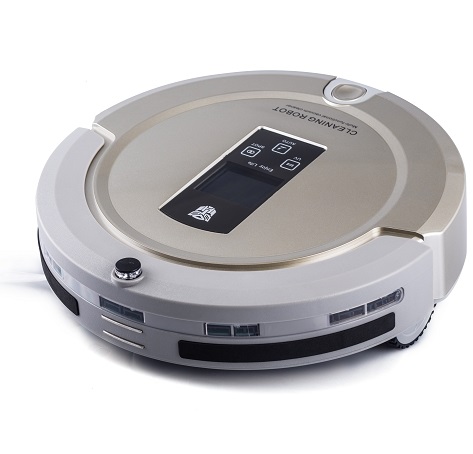
Source high-performance robot vacuums directly from vetted manufacturers and suppliers in Asia. Designed for importers, distributors, and brands seeking reliable OEM and private-label production, our network delivers scalable manufacturing for advanced, smart floor care appliances.
Sourcing robot vacuums requires balancing complex hardware—motors, high-capacity batteries, and sensitive sensors—with stable software like app connectivity and mapping algorithms. The primary challenge for volume buyers is ensuring the factory's R&D and assembly lines can deliver consistent navigation accuracy and motor longevity without unnecessarily inflating the Bill of Materials (BOM).
Defining Specifications and Navigation Technology
A robot vacuum’s performance is heavily dictated by its navigation module, suction power, and battery capacity. When specifying requirements with a manufacturer, the navigation technology is the single largest cost driver and defines the product's market positioning.
| Navigation Technology | Typical Application | Cost Impact | Accuracy |
|---|---|---|---|
| Gyroscope / Inertial | Entry-level budget models | Low | Basic bump-and-map |
| vSLAM (Camera-based) | Mid-range smart vacuums | Medium | Good visual landmarks |
| LiDAR (Laser distance) | Premium & self-emptying | High | Millimeter precision |
Beyond navigation, you must define the core hardware specifications clearly:
- Suction Power: Measured in Pascals (Pa). Standard entry-level units typically pull 2,000 to 2,500 Pa, while premium models exceed 4,000 Pa.
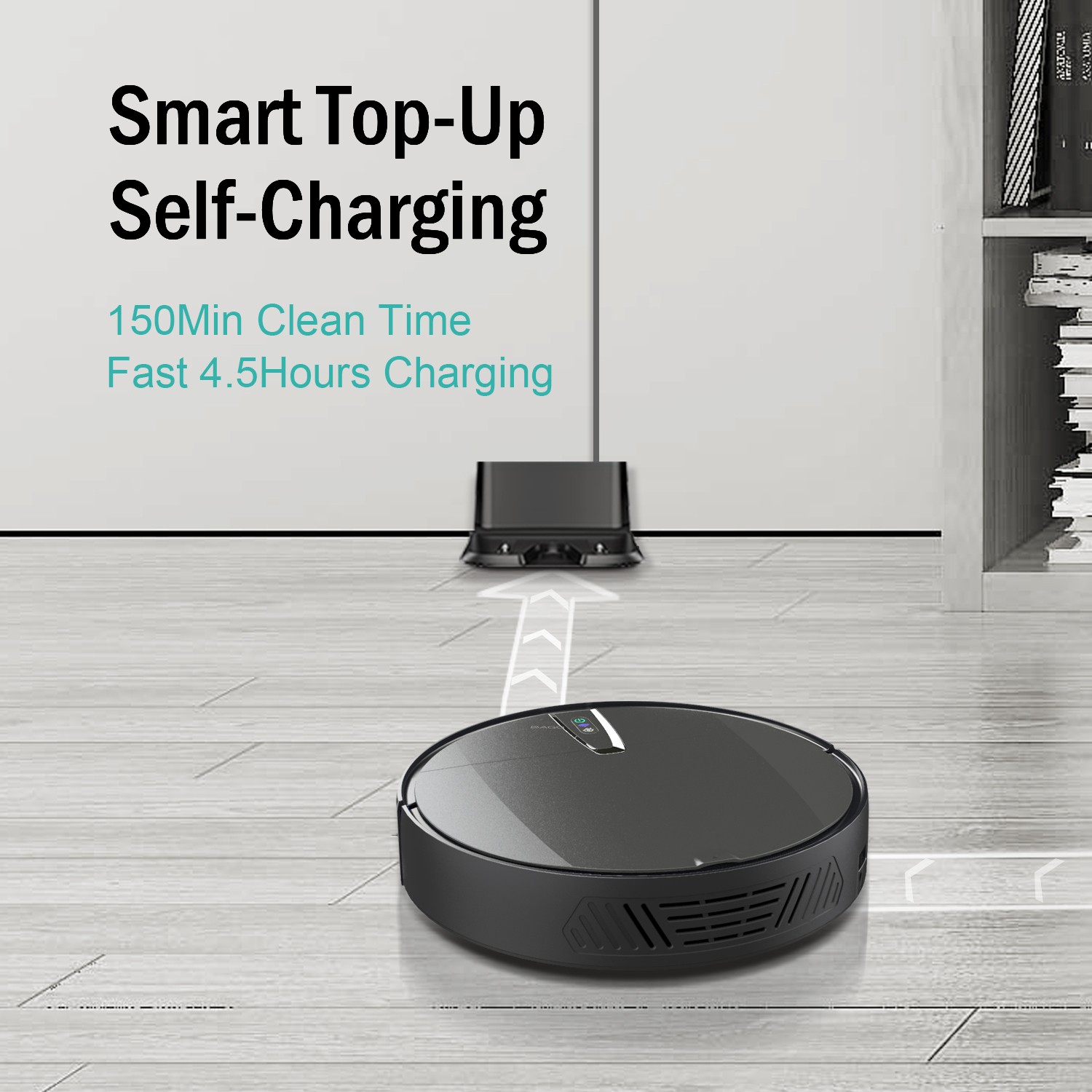
- Battery Capacity: Lithium-ion cells are standard. Specify capacities between 2,600mAh (approx. 90 minutes runtime) to 5,200mAh (up to 180 minutes). Ensure the factory uses matched cells to prevent uneven degradation.
- Connectivity: Most white-label manufacturers utilize IoT platforms like Tuya, which allow for rapid app deployment. If you require custom firmware, ensure the factory has an in-house software engineering team.
Navigating complex electronics sourcing is risky. Let our on-the-ground experts vet factory R&D capabilities and manage your production.
Talk to our teamManufacturing Quality Control and Compliance
Robot vacuums are highly susceptible to high defect rates if assembly is not strictly monitored. A minor misalignment in a cliff sensor can result in catastrophic product failure (e.g., falling down stairs), while poorly calibrated motors generate excessive noise (dB). Implementing rigorous quality control & inspection during the in-line assembly phase is non-negotiable.
Critical QC Inspection Points
Essential Factory Floor Checks
- Sensor calibration: Drop, cliff, and wall-following sensor accuracy testing.
- Battery stability: Charge/discharge cycle testing to prevent overheating.
- Firmware reliability: OTA (Over-The-Air) update testing and app latency checks.
- Acoustic testing: Verifying decibel output under maximum suction load.
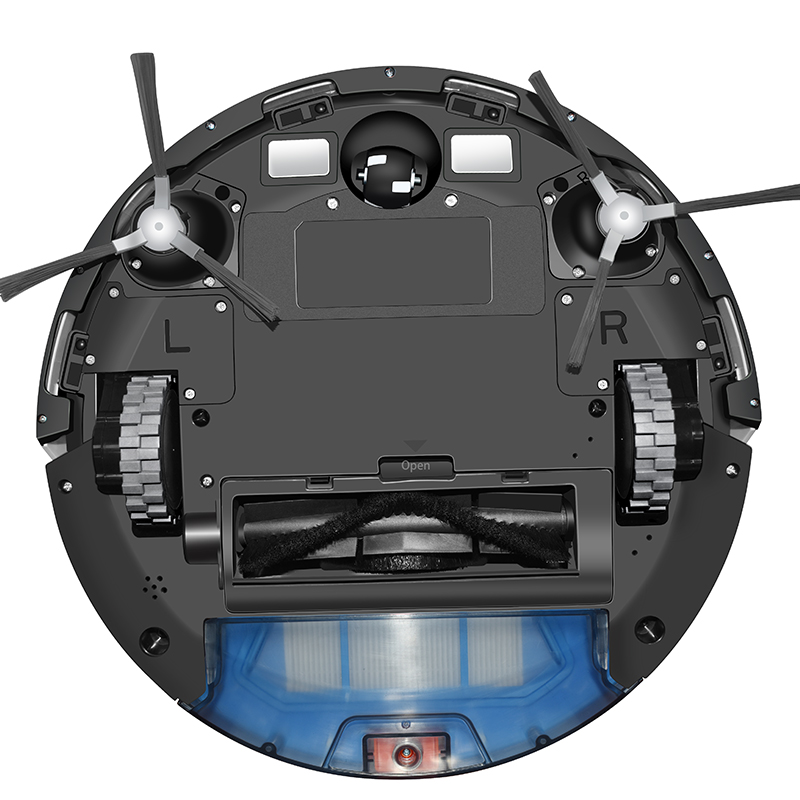
- Wheel torque: Ensuring the drivetrain can clear standard thresholds (typically 1.5 to 2.0 cm).
Because these devices house high-capacity lithium batteries and wireless modules, regulatory compliance is strict. You will need to verify CE, FCC, and RoHS certifications. Furthermore, the battery packs must pass UN38.3 and IEC 62133 standards for safe transport. Navigating these requirements often requires dedicated compliance & testing support to ensure your shipments are not held up at customs.
Pricing, MOQs, and Production Lead Times
When engaging factories for OEM/ODM services to customize colors, packaging, or app interfaces, volume dictates leverage. Because of the upfront costs associated with PCB programming and custom injection molding, factories require substantial commitments.
Pricing is highly volatile based on sensor selection. An inertial-navigation vacuum might run a fraction of the cost of a dual-spinning-mop, self-emptying LiDAR base station model. Before committing to a supplier, conducting thorough factory audits is crucial to verify that the supplier actually manufactures the PCB and software in-house, rather than just assembling purchased components, which limits your ability to troubleshoot firmware bugs later.
Need to lock in accurate pricing and reliable lead times for your floor care lineup? We manage the negotiations and production schedules.
Get a free consultationFrequently Asked Questions
Successfully sourcing robot vacuums means looking past the spec sheet to evaluate the manufacturer's software stability and quality assurance processes. Aligning with a factory that possesses robust in-house engineering ensures your product performs reliably in the real world, protecting your brand's reputation. If you need experienced oversight on your next electronics production run, our team is ready to assist.
Get Sourcing Help for Robot Vacuums
Tell us your requirements and our experts will connect you with verified manufacturers.