Road Sweepers
Source commercial and industrial road sweepers from vetted suppliers and manufacturers across Asia. Designed for heavy equipment importers, municipal machinery distributors, and brands seeking reliable OEM production in bulk. We handle factory verification and quality assurance to ensure your fleet meets strict performance standards.
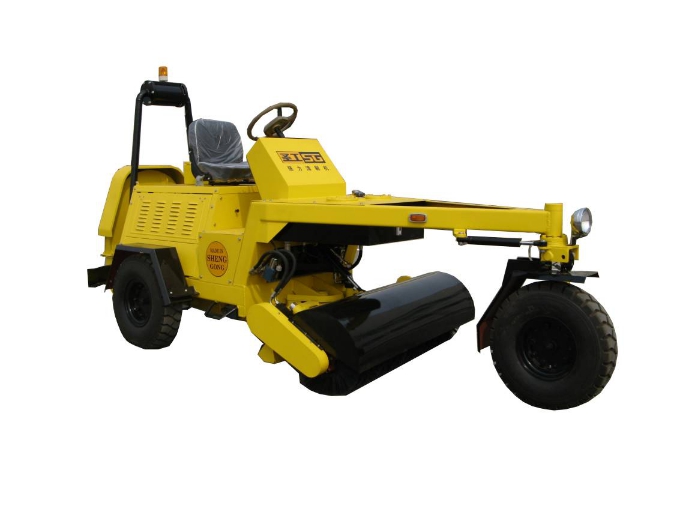
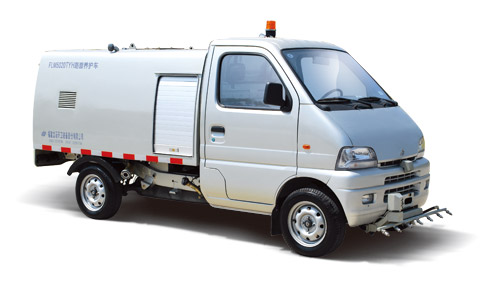
Sourcing municipal and industrial road sweepers requires balancing sweeping efficiency, powertrain reliability, and long-term durability. Whether you are importing heavy-duty street sweepers for municipal contracts or compact ride-on units for commercial facilities, the core challenge lies in verifying that a manufacturer’s specifications match their actual production capabilities. Many suppliers use off-the-shelf components that fail under continuous operational stress, making rigorous vetting and technical oversight essential.
Core Specifications for Volume Buyers
When evaluating a manufacturer's catalog or developing a custom unit, clarity on technical specifications dictates the operational lifespan of the equipment. Industrial buyers must look past top-line sweeping widths and focus on component-level engineering.
| Specification | Walk-Behind Sweepers | Ride-On Industrial | Municipal Truck-Mounted |
|---|---|---|---|
| Typical Sweeping Width | 700mm - 1,000mm | 1,200mm - 2,000mm | 2,500mm - 3,500mm+ |
| Hopper Capacity | 40L - 60L | 100L - 250L | 4,000L - 8,000L |
| Powertrain | Lead-Acid / Li-ion | Li-ion / Diesel | Diesel (Euro V/VI) / EV |
| Dust Suppression | Standard Filter | Water Spray + HEPA | High-Pressure Wash + Vacuum |
Powertrain and Hydraulic Systems
The shift toward electrification in municipal machinery has introduced new sourcing variables. For electric models, specify the battery chemistry (LiFePO4 is preferred for industrial cycles) and the BMS (Battery Management System) rating. For hydraulic sweepers, the quality of the hydraulic manifold, pumps, and hoses is where budget manufacturers cut costs. Specify recognized brands for hydraulic components to prevent system leaks and pressure drops during extended use.
Struggling to verify if a factory's hydraulic and electrical components meet your market's standards? Let our engineering team evaluate your supplier's technical capabilities.
Talk to our teamManufacturing Quality and Factory Floor Realities
A road sweeper's durability is determined long before assembly. The chassis and hopper must withstand constant exposure to abrasive debris, moisture, and varying climates.
When conducting a factory audit, pay close attention to the metal fabrication and surface treatment processes. A manufacturer relying on basic spray painting will produce units that rust within a year. Look for facilities that utilize electrophoretic coating (e-coating) or heavy-duty powder coating for the main frame.
Critical Factory Floor Checks
- Chassis Welding: Ensure robotic welding is used for main structural seams to guarantee consistency.
- Surface Treatment: Verify the presence of shot blasting and e-coating lines prior to final assembly.
- Brush Motor Torque: Test the stall torque of the side and main brush motors under load.
- Wiring Harnesses: Check that all electrical harnesses are marine-grade, sealed (IP67 or higher), and routed away from high-heat or abrasive zones.
- Testing Facilities: Confirm the factory has an active testing track with varying gradients and debris types.
Quality Control and Market Compliance
Road sweepers are heavily regulated, particularly regarding emissions, noise levels, and safety. If you are importing combustion-engine sweepers into Europe or North America, Euro V/VI or EPA Tier 4 Final certifications are mandatory. For electric models, CE and UL certifications for the battery and charging systems are non-negotiable.
Implementing strict pre-shipment inspection protocols is vital. Inspections should include continuous run-time tests, hydraulic pressure retention tests, and water tank leak checks. Catching a faulty CAN bus controller or a misaligned vacuum fan at the factory saves thousands in warranty claims later.
Pricing Drivers, MOQs, and Lead Times
Procurement costs for road sweepers vary wildly based on the level of automation, battery capacity, and component origin. Custom OEM/ODM production, such as integrating proprietary fleet management software or custom hopper designs, will increase both lead times and initial tooling costs.
Logistics Consideration
Road sweepers are high-volume cargo. Walk-behind units can be densely packed in standard containers, but large ride-on or truck-mounted sweepers often require specialized racking, Flat Rack containers, or RoRo (Roll-on/Roll-off) shipping. Optimize your order quantities to maximize container space.
Need to optimize your container loading or negotiate better volume pricing with a manufacturer? Our sourcing experts can manage the entire procurement cycle.
Get a free consultationFrequently Asked Questions
Successful procurement of road sweepers requires moving beyond basic catalog specs and diving deep into component origin, chassis treatment, and rigorous factory testing. By establishing strict technical requirements and maintaining oversight during production, you can secure equipment that performs reliably in the field. If you need experienced boots on the ground to manage supplier vetting, coordinate international freight forwarding, and ensure quality compliance, Merhein is ready to support your supply chain.
Get Sourcing Help for Road Sweepers
Tell us your requirements and our experts will connect you with verified manufacturers.