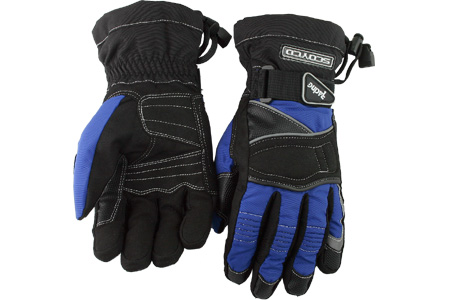
Riding Gloves
Source premium riding gloves from vetted manufacturers and wholesale suppliers across Asia. Built for importers, distributors, and brands requiring reliable OEM/ODM production, our network delivers high-performance gloves engineered for grip, durability, and rider safety at scale.
Sourcing riding gloves at scale requires balancing tactile sensitivity with high-abrasion durability. The primary challenge lies in maintaining consistent sizing tolerances and material quality across bulk production runs. Even minor variations in pattern cutting or stitching tension can compromise the fit, flexibility, and grip that riders rely on for safety and performance.
Material Specifications and Performance
The foundation of any high-quality riding glove is the material selection. Buyers must specify distinct materials for the palm (which requires high abrasion resistance and grip) and the backhand (which requires breathability and stretch).
| Material | Primary Application | Key Advantage | Cost Profile |
|---|---|---|---|
| Cabretta Leather | Premium equestrian palms | Exceptional tactile sensitivity | High |
| Synthetic Suede (Amara) | Standard grip panels | Washable and highly durable | Medium |
| Spandex / Lycra | Backhand and gussets | Maximum four-way stretch | Low |
| Pittards Leather | Elite performance wear | Water and sweat resistant | Very High |
When defining your bill of materials (BOM), ensure you specify the exact thickness of the leather or synthetic suede. For riding gloves, palm materials typically range from 0.6mm to 0.8mm. Anything thinner compromises durability against rein or handlebar friction, while thicker materials severely limit finger dexterity.
Manufacturing Tolerances and Quality Control
The complexity of glove manufacturing lies in the assembly. A standard riding glove consists of 15 to 25 individual pieces. If the factory's die-cutting blades are dull or if the sewing operators lack experience, the resulting gloves will suffer from twisted fingers, asymmetric sizing, or weak seams.
Struggling with inconsistent sizing or poor stitching in your current supply chain? Let us help you find and manage factories with proven technical glove expertise.
Talk to our teamTo prevent catastrophic batch failures, robust Quality Control & Inspection protocols must be implemented directly on the factory floor, focusing on both in-line assembly and pre-shipment checks.
Critical QC Checkpoints for Riding Gloves
- Seam strength at high-stress points (rein reinforcements, thumb crotch)
- Colorfastness to perspiration and rubbing (ISO 105 standards to prevent dye bleeding)
- Symmetry of finger lengths between left and right gloves in the same pair
- Hook-and-loop closure cycle testing (minimum 5,000 cycles without failure)
- Die-cut precision to ensure consistent sizing across the entire production run
OEM/ODM Development and Tech Packs
For brands developing custom designs, leveraging professional OEM/ODM Services is highly recommended. A factory cannot guess your fit requirements. You must provide a comprehensive tech pack that includes graded sizing charts with precise measurements for palm width, finger length, and wrist opening circumference.
If you are integrating custom TPR (Thermoplastic Rubber) logos, molded knuckle protection, or touchscreen-compatible conductive threads, these must be specified during the initial Product Development phase. Custom TPR molds require upfront tooling costs, and conductive threads must be tested for electrical resistance before mass production begins.
Pricing, MOQs, and Production Realities
Understanding the commercial realities of glove manufacturing helps in negotiating better terms and planning your inventory cycles.
Factories base their pricing heavily on material yield. Leather hides have natural defects, meaning the cutting yield is lower than that of rolled synthetic materials. If you specify premium Cabretta leather, expect higher costs not just for the material itself, but for the increased waste generated during the cutting process.
Need accurate pricing and lead times for your specific tech pack? We can connect you with vetted manufacturers capable of meeting your exact specifications.
Get a free consultationFrequently Asked Questions
Successfully sourcing riding gloves requires rigorous attention to material grading, precise die-cutting, and strict assembly oversight. By partnering with factories that specialize in technical sports gloves rather than generic winter apparel, buyers can secure the consistency and durability required for high-performance markets.
Get Sourcing Help for Riding Gloves
Tell us your requirements and our experts will connect you with verified manufacturers.