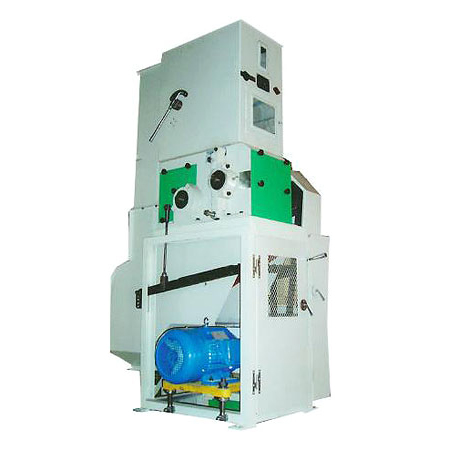
Rice Mills
Source commercial and industrial Rice Mills directly from vetted manufacturers and suppliers. Designed for agricultural machinery importers, wholesalers, and distributors procuring in bulk. Secure reliable milling equipment with verified processing capacities, high yields, and durable components for your market.
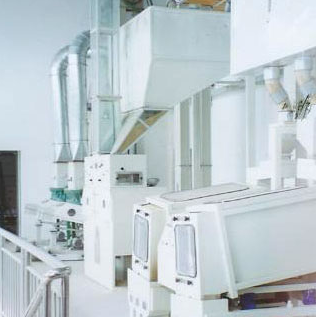
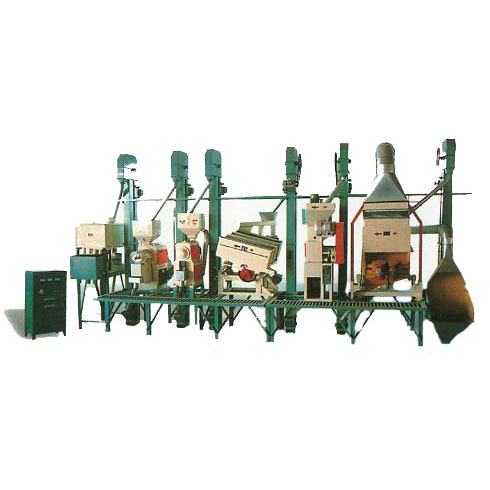
Procuring rice milling machinery at scale requires balancing capital cost against long-term operational reliability. Whether you are sourcing compact commercial hullers for regional distribution or integrated high-capacity milling lines for industrial agricultural projects, the primary sourcing challenge remains the same: verifying that the manufacturer’s claimed throughput and yield metrics match their real-world performance under continuous load.
Critical Specifications to Define
When negotiating with manufacturers in major agricultural machinery hubs like Shandong, Henan, or Sichuan, vague requirements lead to substituted components. To ensure consistent performance, you must dictate exact technical parameters.
Key Technical Directives for Rice Mill Orders
- Throughput Capacity: Specify exact kg/h or Tons Per Hour (TPH) requirements based on target input (paddy) or output (white rice).
- Milling Yield & Broken Rate: Mandate a minimum whole-rice yield (typically over 70%) and a maximum broken rice rate (strictly under 5%).
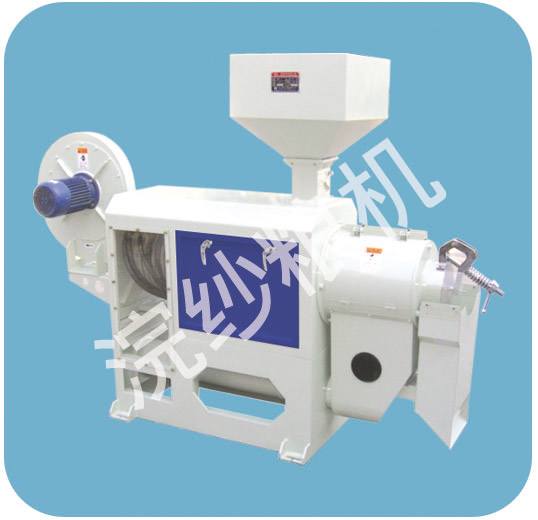
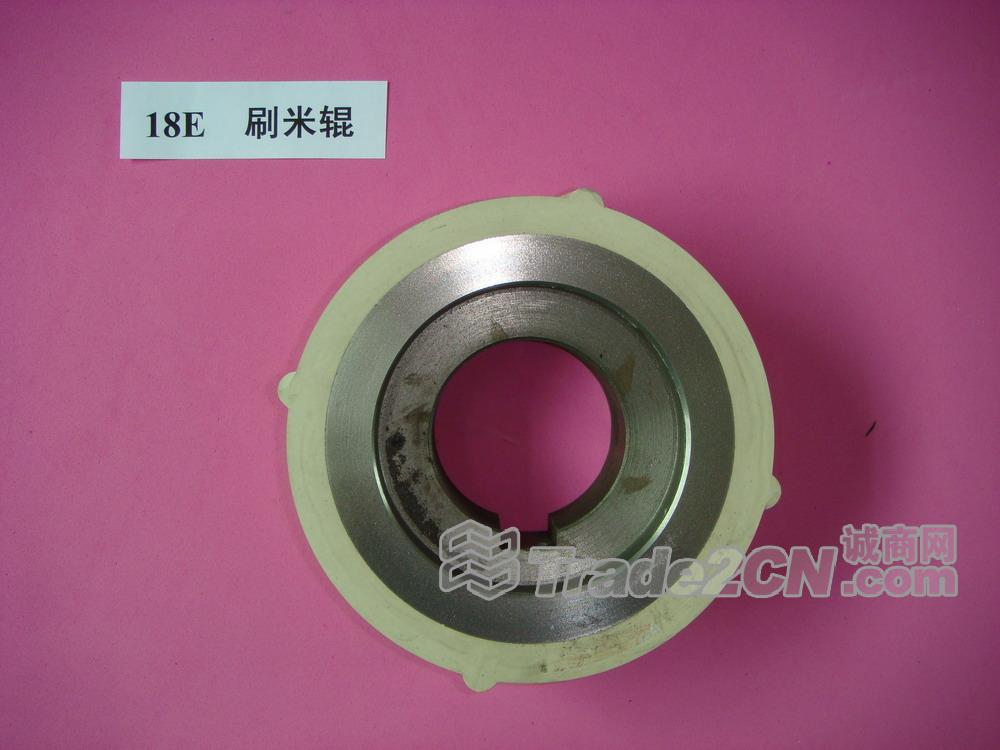
- Roller Configuration: Specify the material and lifespan expectations for rubber husking rollers and emery whitening rollers.
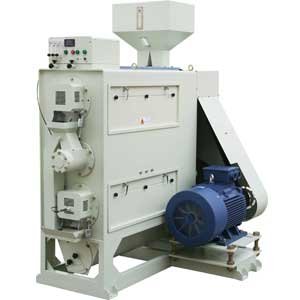
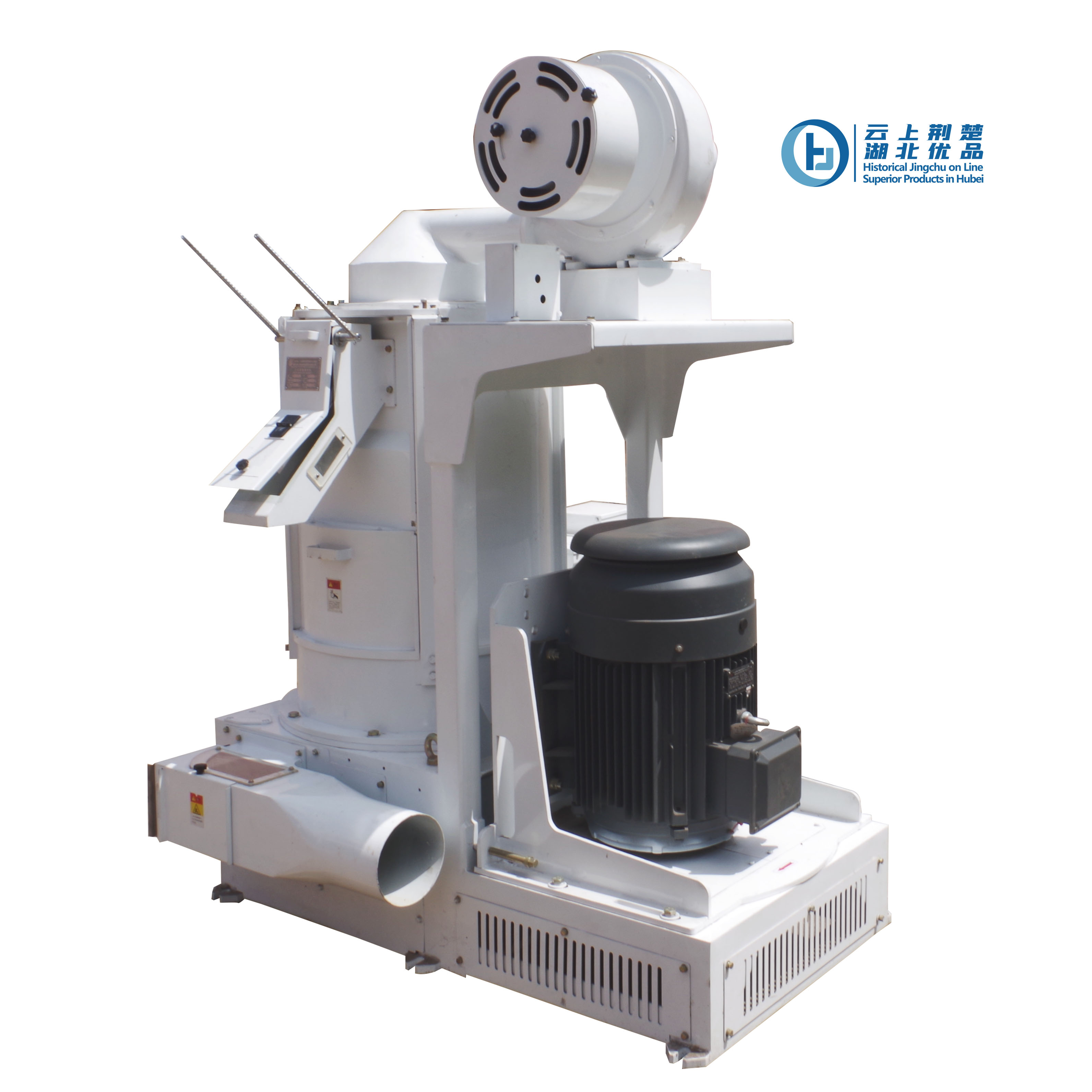
- Motor Specifications: Require 100% copper wire windings and specify the exact voltage/frequency (e.g., 380V/50Hz 3-phase) required for the destination market.
Manufacturing Variances: Standard vs. Export-Grade
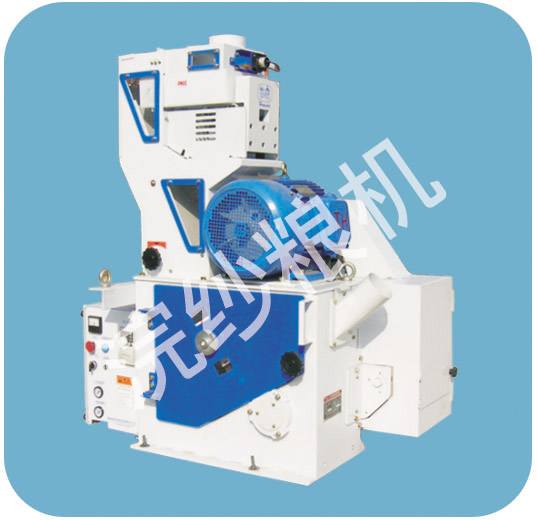
The visual appearance of a rice mill often masks significant internal cost-cutting. Many trading companies will offer highly aggressive pricing by sourcing machines built for light, intermittent domestic use rather than rigorous commercial environments.
Conducting thorough Factory Audits is essential to verify that the supplier has the in-house CNC machining and balancing equipment required to produce vibration-free milling chambers.
| Component | Standard Domestic Build | Export-Grade Standard |
|---|---|---|
| Motor Winding | Aluminum or copper-clad aluminum | 100% pure copper for continuous duty |
| Frame Thickness | 1.2mm to 1.5mm mild steel | 2.5mm+ reinforced steel with anti-corrosion coating |
| Rotor Balancing | Static balancing only (higher vibration) | Dynamic precision balancing (extends bearing life) |
| Screen Material | Standard punched iron | Heat-treated stainless steel for high wear resistance |
Struggling to verify the true manufacturing capabilities of your shortlisted suppliers? Let our engineers handle the technical vetting and factory qualification.
Talk to our machinery expertsProduction Realities: Pricing, MOQs, and Lead Times
Machinery procurement operates on different timelines and volume expectations than consumer goods. Understanding baseline market conditions helps in structuring your purchasing schedule.
- Minimum Order Quantities (MOQs): For large, multi-stage industrial milling lines, an MOQ of 1 set is standard. For smaller, standalone commercial mills (e.g., 500 kg/h to 1 TPH units), factories typically require MOQs of 10 to 20 units to optimize production runs.
- Lead Times: Standard lead times range from 25 to 45 days. Custom voltage requirements, specific motor brands (like Siemens or WEG), or integrated packing lines will push lead times closer to 60 days.
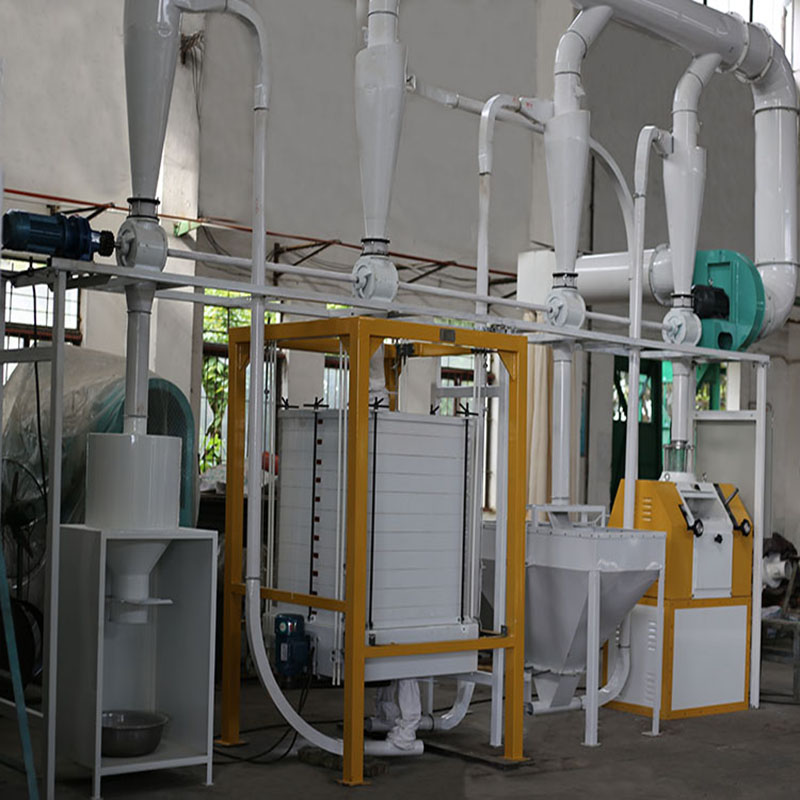
- Pricing Drivers: The cost of raw steel, the grade of the electric motors, and the inclusion of advanced features (like automated color sorters or integrated dust collection cyclones) are the primary cost variables.
Because heavy machinery is highly susceptible to transit damage if improperly secured, coordinating robust Quality Control & Inspection prior to container loading is non-negotiable. Factory Acceptance Testing (FAT) should be performed using actual paddy rice to verify the broken rate before the balance payment is released.
Need to optimize freight costs for heavy machinery? Our team manages specialized loading, consolidation, and customs clearance for industrial equipment.
Get a logistics consultationFrequently Asked Questions
Successfully sourcing rice milling machinery requires moving past glossy catalog specifications to rigorously verify motor quality, rotor balancing, and component durability. By implementing strict pre-shipment performance testing and securing reliable Shipping & Freight handling, importers can deliver high-yield, low-maintenance equipment to their local agricultural sectors.
Get Sourcing Help for Rice Mills
Tell us your requirements and our experts will connect you with verified manufacturers.