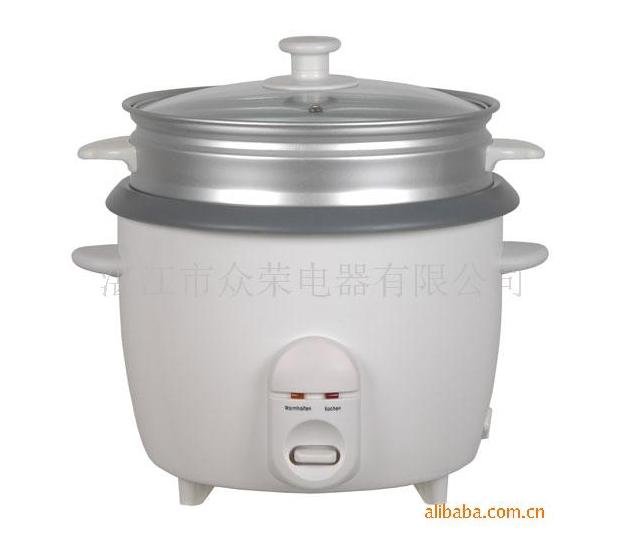
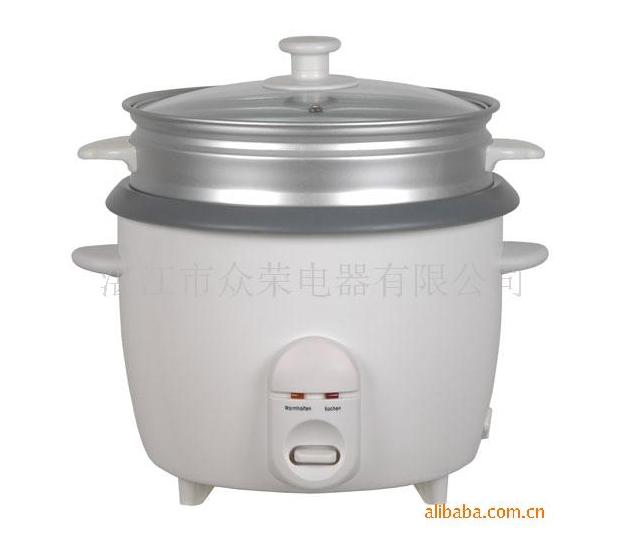
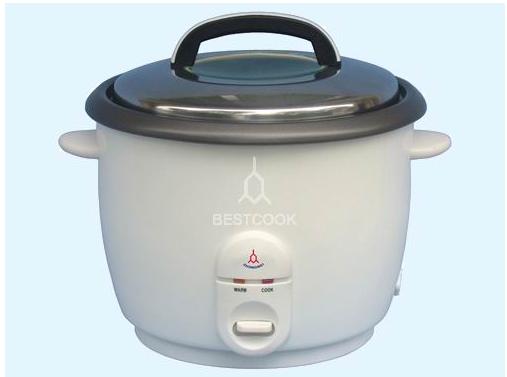
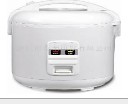
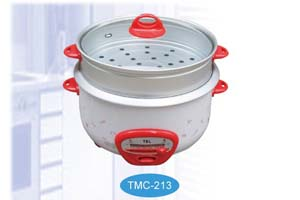
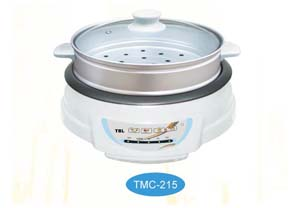
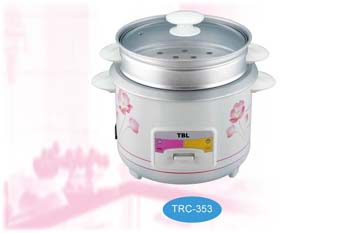
Rice Cookers
Source bulk Rice Cookers from vetted suppliers and manufacturers across Asia. Designed for importers, appliance distributors, and brands seeking reliable OEM and ODM production partners. Ensure consistent heating performance and market compliance for your next high-volume kitchen appliance order.
Sourcing rice cookers in commercial volumes requires balancing unit cost with long-term reliability. For a product designed to operate daily under high heat and moisture, the primary manufacturing challenges lie in consistent thermal management, the durability of non-stick coatings, and the stability of the logic control boards under repeated thermal cycling.
Core Heating Technologies
The foundation of any rice cooker sourcing program is selecting the appropriate heating architecture for your target market. The technology dictates the required tooling, the complexity of the printed circuit board (PCB), and the materials used for the inner pot.
| Technology | Heating Method | Inner Pot Requirement | Target Market Segment |
|---|---|---|---|
| Mechanical / Thermal | Bottom heating plate (spring thermostat) | Single-layer aluminum | Entry-level / Budget |
| Micom (Microcomputer) | Bottom plate + side/lid elements | Thicker aluminum with multi-layer coating | Mid-market / Everyday |
| Induction Heating (IH) | Electromagnetic field (entire pot heats) | Multi-layer composite (steel/aluminum/copper) | Premium / Enthusiast |
When sourcing Micom or IH models, the logic board programming is a critical differentiator. Factories often offer standard "off-the-shelf" cooking algorithms, but brands looking to stand out will need to customize the firmware to handle specific grain types (e.g., jasmine, brown, GABA rice). This requires partnering with a manufacturer that has strong in-house engineering capabilities for OEM/ODM Services.
Specifying the Inner Pot
The inner pot is the most scrutinized component by end-users. Factory defaults often prioritize cost over longevity, leading to premature coating degradation. When defining your specifications with a supplier, you must explicitly detail the pot's construction.
- Base Material and Thickness: Standard aluminum pots range from 1.0mm to 1.5mm. Premium models utilize 2.0mm to 3.0mm thickness to prevent warping and ensure even heat distribution. IH models require a ferrous layer (usually stainless steel) bonded to the aluminum core.
- Coating Type: PTFE (commonly known by the brand name Teflon) is standard. Ceramic coatings offer a PFAs-free marketing angle but can be more prone to chipping if the application process is not strictly controlled.
- Coating Thickness: Do not accept generic "non-stick" descriptions. Specify the coating thickness in microns. A standard acceptable range is 15 to 20 microns, while premium multi-layer coatings should exceed 25 microns.
Need help verifying factory capabilities for premium appliance manufacturing? We can evaluate supplier engineering teams and production lines on your behalf.
Talk to our teamManufacturing Quality Control
Quality is won or lost on the assembly line, particularly during the casting of the heating plate and the assembly of the electronics.
Critical Inspection Points for Rice Cookers
- Heating Plate Planarity: The cast aluminum heating plate must be perfectly flat. Any warping reduces contact with the inner pot, causing uneven cooking and triggering the thermostat prematurely.
- Thermostat Calibration: For mechanical models, the center magnetic thermostat must release at the exact temperature threshold (usually around 103-105 degrees Celsius).
- Moisture Sealing: The PCB housing must be properly gasketed. Steam ingress is the leading cause of electronic failure in Micom models.
- Lid Hinge Durability: Spring-loaded hinges must undergo cycle testing (typically over 10,000 cycles) to ensure they do not fatigue or misalign the steam seal.
Implementing rigorous Quality Control & Inspection protocols before shipment is non-negotiable. In-line inspections should focus on the die-casting quality of the heating plates, while pre-shipment inspections must include high-voltage (hi-pot) testing and functional cooking tests on a randomized sample.
Compliance and Food Safety Certifications
Electrical appliances that come into contact with food face dual regulatory burdens. You must ensure the factory holds valid, verifiable test reports for your specific destination market. Never assume a factory's existing "CE" mark covers your specific custom configuration.
- Electrical Safety: UL or ETL for North America; CE (LVD/EMC) for Europe.
- Food Contact Materials: FDA compliance for the US; LFGB for Germany/Europe. This applies to the inner pot coating, the aluminum steamer basket, the inner lid gasket, and any included plastic accessories (spatulas, measuring cups).
- Environmental & Chemical: RoHS and REACH compliance for the electronics and plastics.
Working with a partner who understands Compliance & Testing ensures that the factory uses certified components (like correctly rated thermal fuses and internal wiring) from the start, avoiding costly redesigns after a failed lab test.
Sourcing Mechanics: MOQs, Lead Times, and Pricing
The appliance manufacturing hub of the world is concentrated in Guangdong province, China (specifically Zhanjiang, Zhongshan, and Shunde).
Pricing is highly sensitive to raw material costs (aluminum and copper) and the complexity of the PCB. A basic 1.5L mechanical cooker can be sourced for a fraction of the cost of a 1.8L IH model with a touch-capacitive glass interface. When negotiating, be aware that suppliers may quote aggressively by thinning the inner pot or using lower-grade internal wiring.
Struggling to get transparent pricing or verify if a supplier's certifications are legitimate? Let us manage the sourcing and vetting process.
Get a free consultationSuccessfully sourcing rice cookers requires looking past the cosmetic exterior and focusing heavily on thermal engineering and component longevity. By defining strict tolerances for heating plates, coatings, and electronics upfront, you protect your brand from the high costs of appliance returns and safety recalls. Ensure you audit the factory's assembly line and testing facilities before committing to a high-volume run.
Get Sourcing Help for Rice Cookers
Tell us your requirements and our experts will connect you with verified manufacturers.