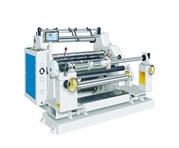
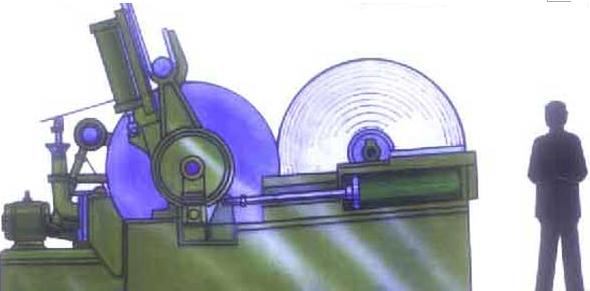
Rewinding Machines
Source high-performance rewinding machines from vetted manufacturers and suppliers. Designed for importers, distributors, and brands seeking OEM production, our wholesale industrial rewinders offer precise tension control and high-speed operation for films, foils, and paper packaging materials.
Sourcing industrial rewinding machines requires strict attention to tension dynamics and substrate compatibility. Whether the end-user is processing stretch film, aluminum foil, or heavy kraft paper, the difference between a profitable production run and excessive material waste comes down to the rewinder's edge alignment and tension control precision. Procuring these machines overseas means navigating a vast landscape of suppliers with varying degrees of engineering capability and component quality.
Defining Core Machine Specifications
To avoid costly misalignments between the machine's capabilities and the intended packaging material, buyers must define precise technical parameters before engaging suppliers. A machine built for rigid paperboard will fail to properly rewind extensible LDPE films without the correct drive systems.
Critical Specifications to Define for Suppliers
- Maximum Web Width: Must accommodate the largest jumbo roll expected, typically ranging from 600mm to over 2000mm.
- Unwind and Rewind Diameters: Dictates the maximum roll size the machine can handle (e.g., 600mm unwind, 300mm rewind).
- Mechanical Speed: Operating speeds usually range from 150 m/min to 600 m/min. Specify continuous operating speed versus absolute maximum speed.
- Core Sizes: Standardize air shaft dimensions, typically 3-inch or 6-inch, based on the target market's standard core tubes.
- Slitting Mechanism: Specify if the machine requires razor blades (for thin films), shear blades (for paper/foil), or score slitting.
Tension Control Systems
The heart of any rewinder is its tension control. Inconsistent tension leads to telescoping rolls, wrinkles, or web breaks.
| Control System | Typical Application | Precision Level | Cost Impact |
|---|---|---|---|
| Magnetic Powder Brake | Standard paper, thick films | Moderate | Economical |
| Pneumatic Brake | Heavy-duty paper, board | Moderate to High | Mid-range |
| Servo Motor Drive | Thin, extensible films, foils | Very High | Premium |
Need help verifying a manufacturer's engineering capabilities and component sourcing? Our team can evaluate technical specifications and match you with the right factory.
Get a free consultationManufacturing Quality and Component Verification
The longevity and reliability of a rewinding machine depend heavily on the factory's machining tolerances and their choice of electronic components. When evaluating a supplier, look beyond the spec sheet and examine the physical build.
- Frame Construction: High-speed rewinders (exceeding 300 m/min) require massive, cast-iron or thick welded-steel frames to dampen vibration. Lightweight frames will vibrate at high speeds, causing the slitting blades to oscillate and creating jagged roll edges.
- Electronic Components: The PLC (Programmable Logic Controller), HMI (Human Machine Interface), and inverters should be sourced from globally recognized brands (such as Siemens, Yaskawa, or Mitsubishi). Proprietary or off-brand electronics make future maintenance and part replacement highly problematic.
- Edge Position Control (EPC): Ensure the machine utilizes a reliable ultrasonic or photoelectric web guiding system to maintain perfect edge alignment during the rewind process.
Because physical build quality is difficult to assess remotely, conducting thorough Factory Audits is highly recommended. This allows you to verify the supplier's in-house CNC machining capabilities and ensure they aren't simply assembling low-grade outsourced parts.
Pricing, MOQs, and Production Lead Times
Industrial machinery sourcing operates on different economic models than consumer goods. Pricing is highly variable based on the degree of automation, web width, and the origin of internal components.
Payment terms typically follow a 30% deposit / 70% balance structure. However, the balance should only be released after successful Factory Acceptance Testing (FAT). Utilizing professional Quality Control & Inspection services ensures the machine runs your specific material at the contracted speed before it is crated for export.
Managing heavy machinery procurement requires strict oversight from factory floor to final delivery. Let us handle the negotiations, quality testing, and logistics.
Talk to our teamLogistics and Shipping Considerations
Transporting rewinding machines requires specialized logistics planning. Standard machines often fit into 20ft or 40ft High Cube containers, but wide-web machines (over 1600mm) may require Flat Rack containers or break-bulk shipping due to their dimensions and weight. Proper anti-rust packaging (vacuum sealing with desiccants) and heavy-duty wooden crating are non-negotiable to prevent sea-salt corrosion and transit damage. Coordinating these requirements with experienced Shipping & Freight forwarders prevents costly delays at the port.
Frequently Asked Questions
Successfully sourcing rewinding machines means looking past the initial quoted price and scrutinizing the drive systems, frame rigidity, and component origins. By defining exact substrate parameters and enforcing strict pre-shipment performance tests, buyers can secure reliable machinery that delivers long-term production efficiency.
Get Sourcing Help for Rewinding Machines
Tell us your requirements and our experts will connect you with verified manufacturers.