Respiratory Protection
Source professional-grade Respiratory Protection from vetted manufacturers and wholesale suppliers across Asia. Designed for importers, safety distributors, and brands seeking bulk purchasing or OEM/private-label production, our network delivers certified gear built to meet strict industrial and medical compliance standards.
Sourcing respiratory protection in bulk requires navigating a complex landscape of global certifications, raw material price fluctuations, and stringent quality control standards. For importers and safety brands, the primary challenge is not just finding a factory that can produce at scale, but identifying manufacturing partners capable of maintaining consistent filtration efficiency, breathing resistance, and structural integrity across millions of units.
When you import respiratory gear, you are dealing with a highly regulated product category where a single failed batch can lead to rejected shipments, customs seizures, or liability issues. Success requires deep visibility into a supplier’s supply chain, specifically their access to high-grade melt-blown fabric and their internal testing capabilities.
Core Technical Specifications to Define
Before engaging a manufacturer, buyers must clearly define the technical parameters of the required respiratory protection. Vague specifications lead to inconsistent production and failed compliance tests.
- Filtration Efficiency: The core metric, usually tested against NaCl (sodium chloride) or DOP (dioctyl phthalate) aerosols. Specify the required percentage (e.g., 95 percent, 99 percent) and the exact flow rate (e.g., 85 liters per minute) used for testing.
- Breathing Resistance (Inhalation/Exhalation): High filtration often increases breathing resistance, leading to user fatigue. Specify maximum pressure drops in millimeters of water (mm H2O) or Pascals (Pa).
- Total Inward Leakage (TIL): This measures how well the mask seals to the face. It is a critical metric for European (CE) standards.
- Material Composition: The quality of the non-woven spunbond layers and the electrostatic melt-blown core dictates performance. Specify the grams per square meter (GSM) and the electrostatic charging method.
Struggling to verify a factory's certification claims? Let our sourcing experts audit their credentials and production lines.
Talk to our teamGlobal Standards and Compliance
Understanding the regulatory landscape is non-negotiable. Manufacturers often claim their products meet specific standards, but independent verification is mandatory. If you are customizing products, utilizing OEM/ODM Services requires ensuring the factory's base designs already hold or can pass the necessary certifications for your target market.
| Standard | Primary Market | Min. Filtration | Testing Agent |
|---|---|---|---|
| N95 (NIOSH) | United States | 95 percent | NaCl |
| FFP2 (EN 149) | Europe | 94 percent | NaCl & Paraffin Oil |
| FFP3 (EN 149) | Europe | 99 percent | NaCl & Paraffin Oil |
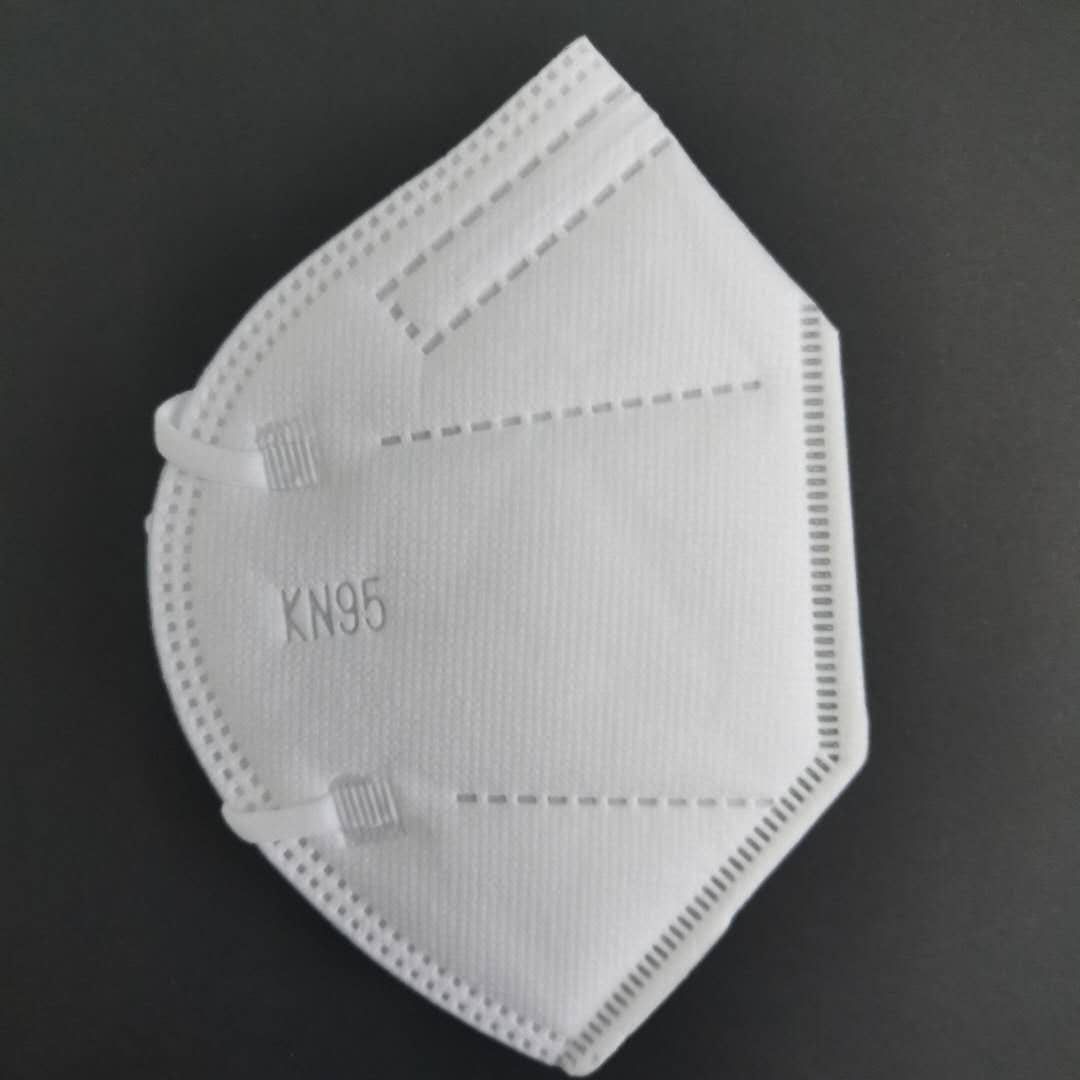
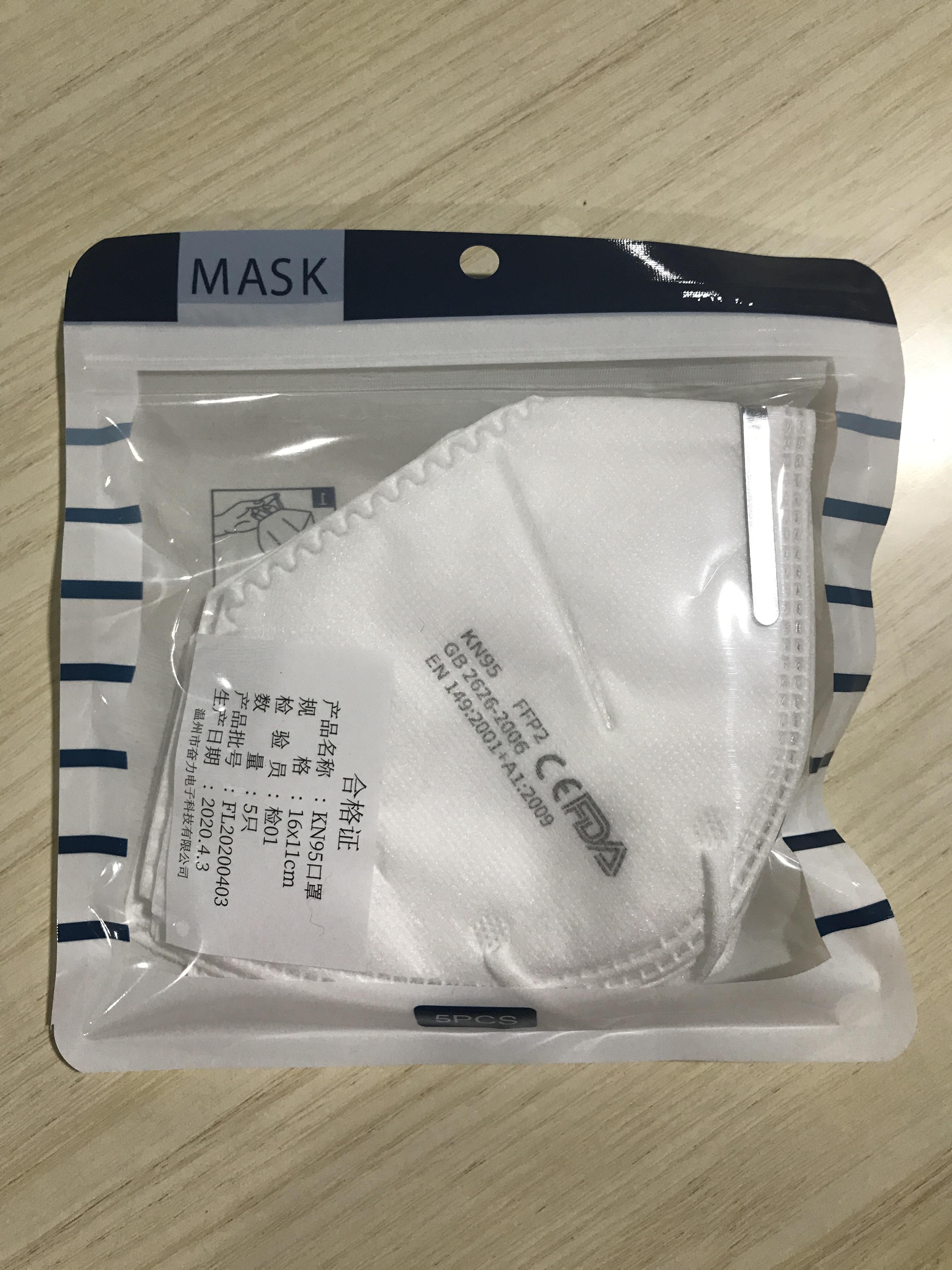
| KN95 (GB2626) | China | 95 percent | NaCl |
Beware of Fake Certificates
The respiratory protection market has historically seen a high volume of fraudulent CE and NIOSH certificates. Always verify the Notified Body number on the CE certificate against the official EU NANDO database, and check NIOSH approval numbers on the CDC's certified equipment list. Partnering with experts for Compliance & Testing can prevent costly customs rejections.
Manufacturing Quality Control: Where Batches Fail
Even with certified designs, mass production introduces variables. Factory floor execution determines whether a batch passes pre-shipment inspection.
Melt-Blown Fabric Sourcing
The electrostatic charge on the melt-blown layer degrades over time or under high humidity. Top-tier factories store raw materials in climate-controlled environments and test incoming fabric batches before production.
Ultrasonic Welding
Inconsistent ultrasonic welding on the ear loops or headbands is the leading cause of structural failure. Welding machines must be calibrated daily to ensure straps withstand minimum tension requirements (typically 10 Newtons).
Nose Wire Integration
If the nose wire is not properly centered or is made from brittle metal, the mask will fail fit tests. Dual-core wire is generally preferred over single-core or all-plastic alternatives for industrial use.
In-Line Testing
Reliable manufacturers pull samples from the line every few hours to test on their own automated filter testers (e.g., TSI 8130) to ensure filtration efficiency remains stable.
To mitigate these risks, implementing rigorous Quality Control & Inspection protocols—including AQL sampling and independent lab testing—is essential before the goods are loaded into containers.
Pricing Drivers, MOQs, and Lead Times
The cost of respiratory protection is highly elastic and tied directly to the spot price of polypropylene (the raw material for melt-blown fabric) and the stringency of the required certification.
- Minimum Order Quantities (MOQs): For standard, unbranded items, MOQs can be as low as 50,000 to 100,000 pieces. For private-label OEM production involving custom packaging and pad-printed logos, expect MOQs to start at 500,000 pieces.
- Pricing Variables: A NIOSH-approved N95 will cost significantly more than a KN95 due to the strict auditing and quality management systems required to maintain the certification. Headband models (required for NIOSH) are generally more expensive to produce than ear-loop models.
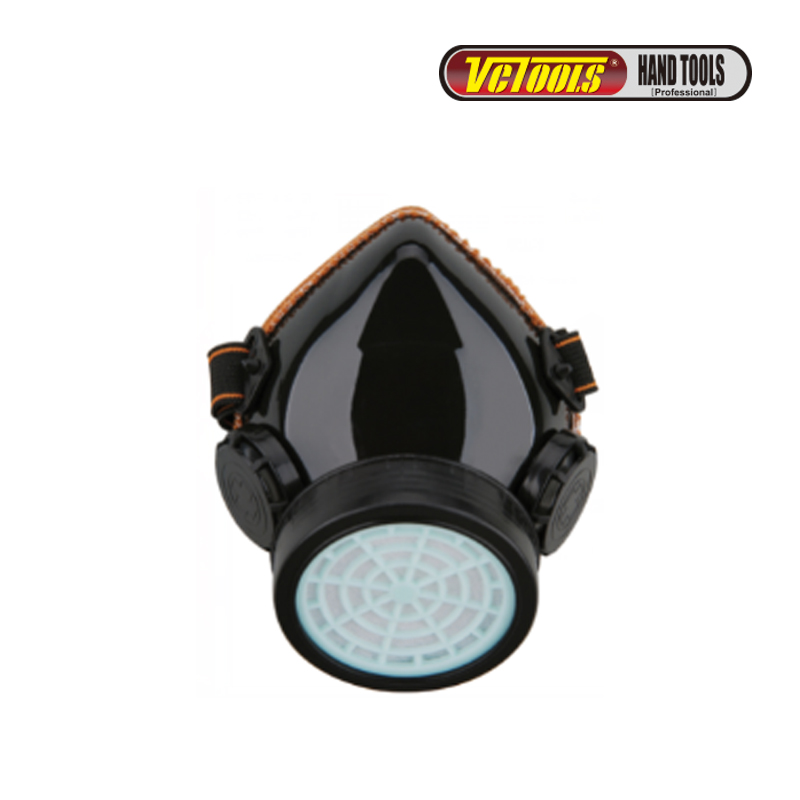
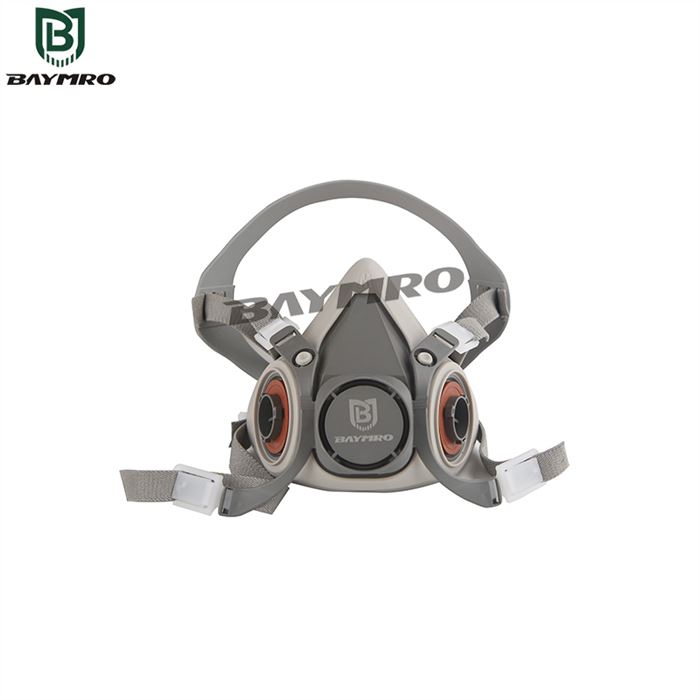
- Lead Times: Standard production runs typically take 15 to 30 days. However, if you are developing a custom mold (e.g., an elastomeric half-face respirator) or applying for new regulatory approvals, the timeline can extend by 3 to 6 months.
Need to lock in stable pricing and secure capacity for high-volume respiratory gear? Connect with us to discuss your supply chain needs.
Get a free consultationFrequently Asked Questions
Sourcing respiratory protection is an exercise in risk management. Success depends on partnering with manufacturers who prioritize consistent material quality and strict regulatory adherence over aggressive cost-cutting. By establishing clear specifications and verifying compliance at every step, buyers can build a reliable, secure supply chain for critical safety equipment.
Get Sourcing Help for Respiratory Protection
Tell us your requirements and our experts will connect you with verified manufacturers.