Remote Controls
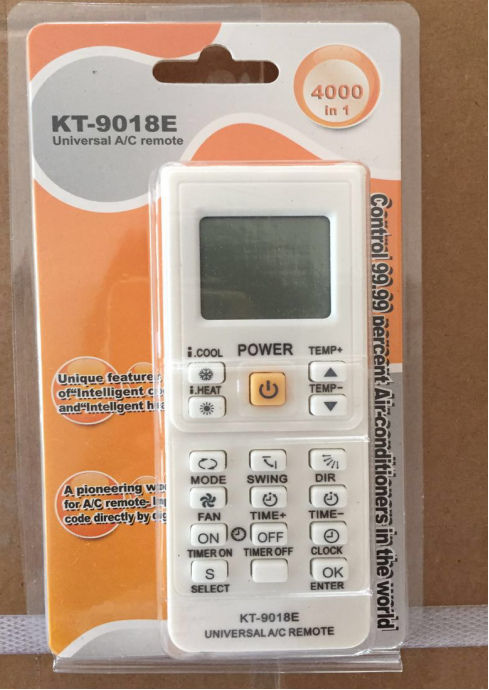
Source commercial-grade Remote Controls from vetted suppliers and manufacturers across Asia. Designed for importers, electronics wholesalers, distributors, and brands seeking reliable OEM/private-label production, this catalog covers everything from basic IR units to advanced BLE voice remotes for bulk procurement.
Sourcing remote controls in bulk requires navigating a highly fragmented supply base, ranging from basic infrared (IR) replacement units to advanced Bluetooth Low Energy (BLE) and RF models with integrated voice control. For volume buyers, the primary challenge is not just finding a factory, but securing a partner with reliable IC sourcing networks, precise injection molding capabilities, and stringent quality management to ensure consistent transmission range and button lifecycle across high-volume production runs.
Core Technologies and Protocol Specifications
Selecting the right transmission technology and internal architecture dictates the manufacturing cost, compliance requirements, and user experience.
| Specification | Infrared (IR) | Radio Frequency (RF 2.4GHz) | Bluetooth (BLE) |
|---|---|---|---|
| Line of Sight Required | Yes | No | No |
| Typical Range | Up to 10 meters | Up to 30 meters | 10 to 15 meters |
| Power Consumption | Very Low | Moderate | Low |
| Compliance Complexity | Minimal (RoHS/CE) | High (FCC Part 15/RED) | High (FCC/BQB Certification) |
| Primary Application | Basic TVs, AC units, Set-top boxes | Smart TVs, Drones, Presenters | Premium Smart TVs, Voice Control |
When specifying IR remotes, buyers must define the carrier frequency (typically 38 kHz) and the data protocol (such as NEC, RC5, or SIRC). For programmable or "learning" remotes, the capacity of the EEPROM and the sensitivity of the receiving IR diode are critical cost drivers.
Need help verifying supplier capabilities for advanced BLE or voice-enabled remotes?
Talk to our teamManufacturing Tolerances and Component Sourcing
A remote control's tactile feel and durability depend entirely on the factory's tooling precision and component selection.
- Casing Materials: Most housings use injection-molded ABS or an ABS/PC blend for higher impact resistance. The finish (matte, gloss, or UV coating) impacts both cost and scratch resistance.
- Keypad Engineering: The silicone rubber keypad is the most common failure point. Specifications should detail the Shore A hardness (typically 40 to 50) and the carbon pill resistance (under 100 ohms). High-end remotes often utilize metal dome switches mounted directly on the PCB for a crisper tactile response, though this increases assembly time.
- PCB Assembly: Reliable factories utilize automated SMT (Surface Mount Technology) lines for PCB assembly. Hand-soldering should be strictly limited to battery spring terminals or through-hole IR LEDs.
Running Factory Audits prior to placing an order is essential to verify that a supplier actually possesses in-house tooling and SMT capabilities, rather than outsourcing the core electronics assembly to unverified sub-tier workshops.
Quality Control and Compliance Testing
Defects in remote controls often manifest as unresponsive keys, poor transmission angles, or rapid battery drain. Implementing rigorous Quality Control & Inspection protocols at the factory level prevents these issues from reaching your warehouse.
Critical Pre-Shipment Inspection Checks
- Button Lifecycle Testing: Minimum 100,000 actuations per key without carbon pill degradation.
- Transmission Angle & Distance: Effective operation at 45-degree angles up to 8 meters.
- Drop Testing: 1-meter drop onto concrete (multiple faces/corners) without casing separation or functional loss.
- Quiescent Current Measurement: Verifying standby power drain to ensure expected battery life.
- Actuation Force Consistency: Ensuring uniform pressure requirements across all silicone keys.
Wireless models (RF and BLE) introduce stringent regulatory requirements. Depending on your target market, these devices must undergo Compliance & Testing for standards like FCC Part 15 (USA) or the Radio Equipment Directive (CE-RED for Europe). Failing to secure valid test reports from accredited labs can result in customs seizures.
Pricing Drivers, MOQs, and Lead Times
The cost structure of a remote control is heavily influenced by the IC type, wireless technology, and whether you are using a public mold or investing in OEM/ODM Services for a custom design.
Custom tooling for a new remote control design typically costs between $2,000 and $5,000, depending on the complexity of the housing and the number of keys. During periods of global semiconductor shortages, the lead time for specialized BLE or voice-processing ICs can stretch significantly, making proactive supply chain planning vital.
Navigating tooling costs and IC lead times? Speak to our sourcing experts.
Get a free consultationFrequently Asked Questions
Successfully importing remote controls at scale requires balancing unit cost with component reliability. Whether you are bundling standard IR remotes with consumer electronics or developing a custom BLE voice controller, rigorous specification management and factory-level oversight are the keys to a stable supply chain.
Get Sourcing Help for Remote Controls
Tell us your requirements and our experts will connect you with verified manufacturers.