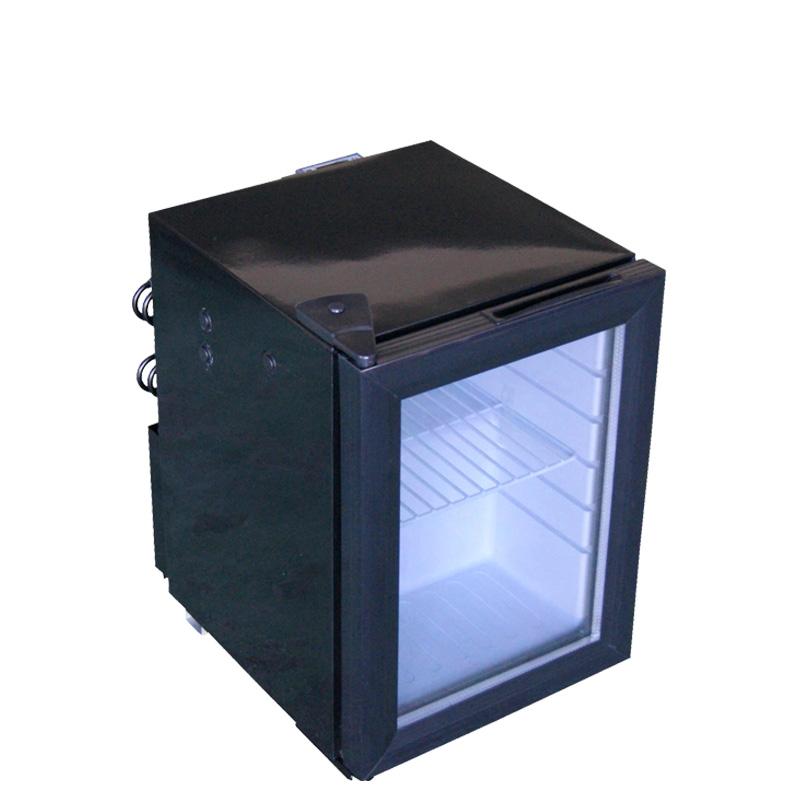
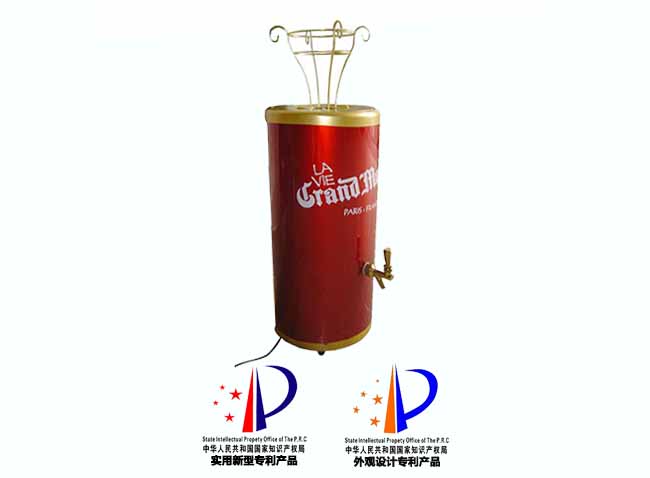
Refrigerators
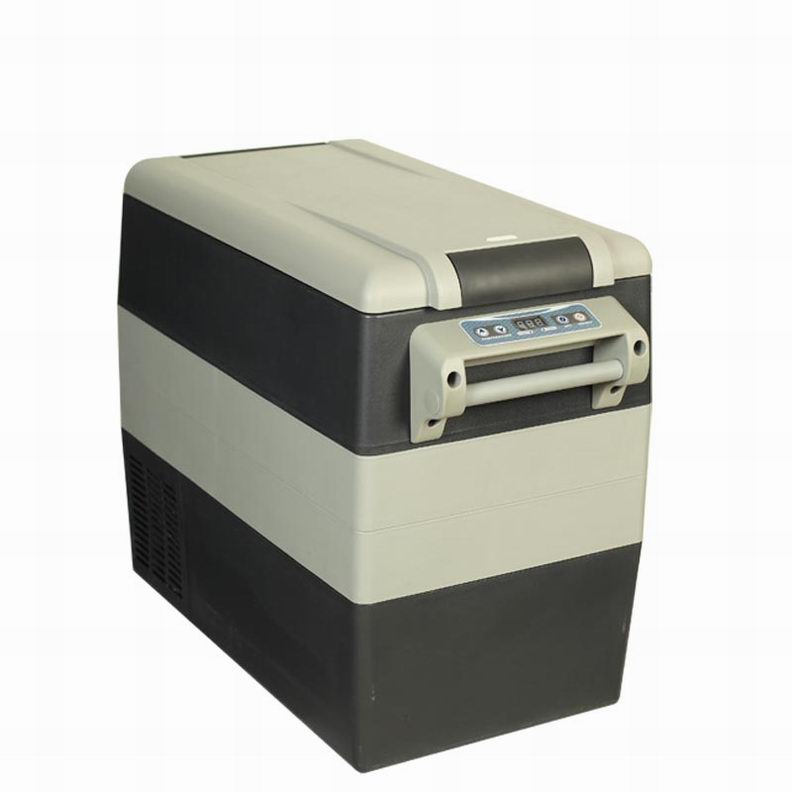
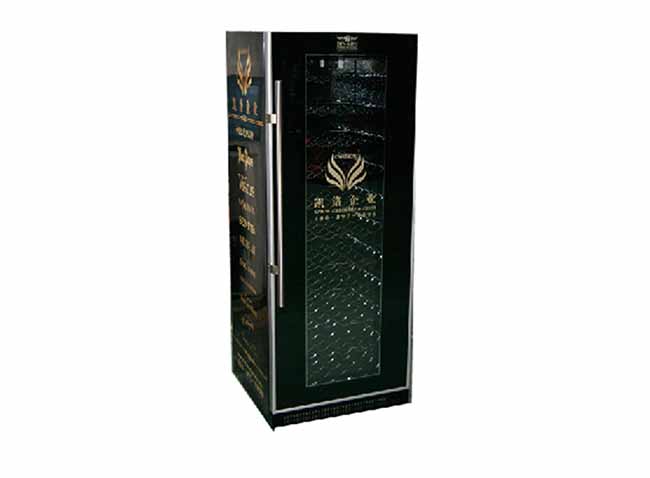
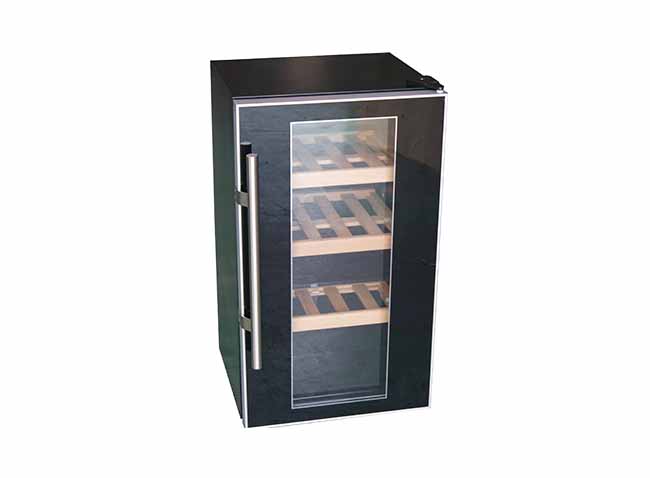
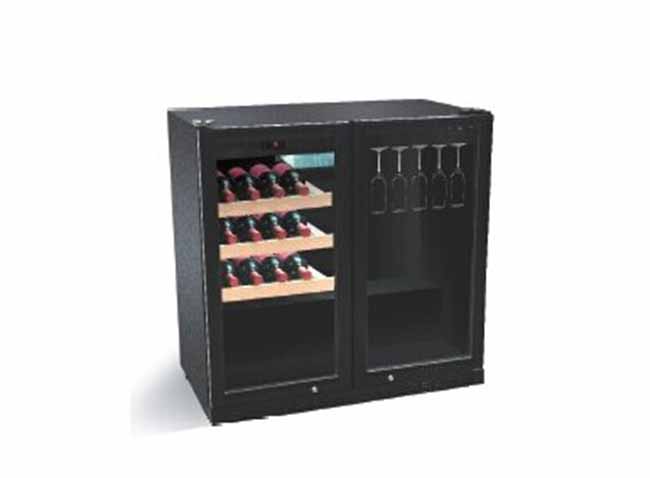
Source commercial and residential refrigerators from vetted suppliers and manufacturers across Asia. Designed for importers, appliance wholesalers, and brands seeking reliable OEM/ODM production, our network delivers bulk refrigeration units built to exact specifications and stringent international compliance standards.
Sourcing refrigerators in volume requires navigating a complex supply chain of compressor manufacturers, foaming lines, and stringent regional energy certifications. Whether you are importing standard residential units or developing custom commercial refrigeration, success depends on strictly aligning your technical specifications with a factory's actual production capabilities and quality management systems.
Core Specifications and Component Selection
The reliability and energy efficiency of a refrigerator are dictated by three main components: the compressor, the refrigerant, and the insulation density. When negotiating with manufacturers, these elements must be explicitly defined in your specification sheet.
- Compressors: The compressor is the heart of the refrigeration cycle. Specify whether your market requires fixed-speed or inverter (variable-speed) compressors. While inverters carry a higher upfront cost, they are often mandatory to meet strict energy ratings (like EU ERP A-class or US DOE standards). Specify acceptable compressor brands (e.g., GMCC, Donper, Secop) to prevent factories from quietly substituting cheaper alternatives.
- Refrigerants: R600a (Isobutane) is the global standard for residential units due to its low environmental impact and high thermodynamic performance. For commercial units, R290 (Propane) is widely used. Ensure the factory's charging stations are properly calibrated for these flammable refrigerants.
- Insulation (Foaming): High-density cyclopentane foaming is critical for thermal retention. Inconsistent foaming leads to cold loss, forcing the compressor to overwork and destroying the unit's energy rating.
| Cooling System | Mechanism | Manufacturing Cost | Typical Market Focus |
|---|---|---|---|
| Direct Cooling | Natural convection via evaporator plates | Lower | Budget residential, emerging markets |
| No-Frost (Fan Cooling) | Forced air circulation preventing ice buildup | Higher | Mid-to-premium residential, commercial |
Navigating compressor options and energy standards? Get expert guidance on matching your specifications to the right manufacturing facility.
Talk to our teamManufacturing Quality and Defect Prevention
Refrigeration manufacturing is highly automated, but critical failures often occur during manual assembly or inadequate testing phases. Relying solely on a final visual check is insufficient; you need robust Quality Control & Inspection protocols integrated into the production line.
Critical Factory-Floor Quality Checks
- Halogen Leak Detection: Ensuring the refrigerant loop is perfectly sealed before and after charging.
- Electrical Safety (Hi-Pot) Testing: Verifying grounding and insulation resistance to prevent shock hazards.
- Foaming Uniformity: Checking for voids in the cabinet insulation using thermal imaging or destructive sampling.
- Compressor Run-In Test: Operating the unit for a minimum duration to map the temperature pull-down curve.
- Door Seal Integrity: Testing the magnetic gasket for proper suction and gap-free closure.
For brands requiring custom designs, finishes, or smart-home integrations, leveraging structured OEM/ODM Services ensures your unique requirements are translated into standard operating procedures on the assembly line, minimizing prototype-to-production variance.
Production Realities: MOQs, Lead Times, and Pricing
Appliance manufacturing operates on strict economies of scale. Because refrigerators are bulky and require significant assembly line setup, minimum order quantities (MOQs) are almost always calculated by container volume rather than pure unit count.
Pricing is heavily influenced by raw material costs (steel, copper, aluminum) and the chosen compressor brand. Beware of quotes that are significantly below market average; this usually indicates the use of refurbished compressors, thinner cabinet steel, or low-density insulation that will fail regional energy compliance.
Need to lock in reliable pricing and production schedules? Let us help you structure your next bulk appliance order.
Get a free consultationNavigating Compliance and Certification
Importing refrigerators requires strict adherence to destination-market regulations. Customs authorities will impound shipments lacking proper documentation. Working with a partner who understands Compliance & Testing is non-negotiable.
- North America: UL/ETL for electrical safety, DOE for energy efficiency, and EPA SNAP compliance for refrigerants.
- Europe: CE (LVD/EMC), RoHS, REACH, and strict ERP energy labeling.
- Middle East & Asia: SASO (Saudi Arabia), G-Mark, MEPS, and CB scheme certifications.
Always verify that the factory holds the test reports for the exact model and compressor combination you are purchasing, as component changes invalidate existing certificates.
Successfully sourcing refrigerators at scale is not just about negotiating the lowest unit price; it is about securing a stable supply of compliant, defect-free appliances that protect your brand's reputation. By prioritizing component transparency and rigorous factory-level quality control, you can build a highly profitable appliance import program.
Get Sourcing Help for Refrigerators
Tell us your requirements and our experts will connect you with verified manufacturers.