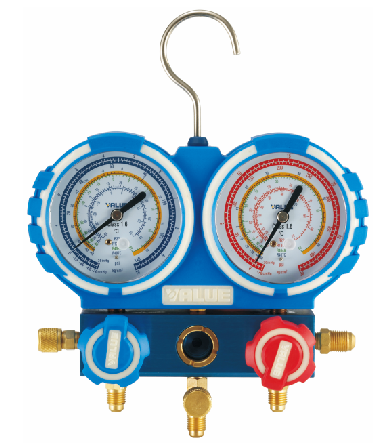
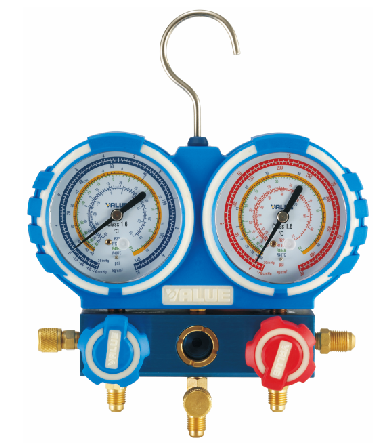
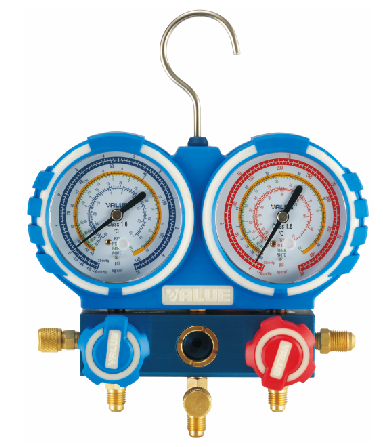
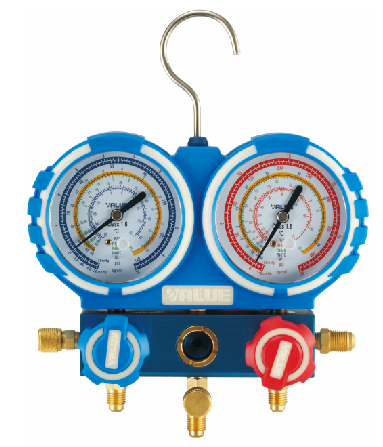
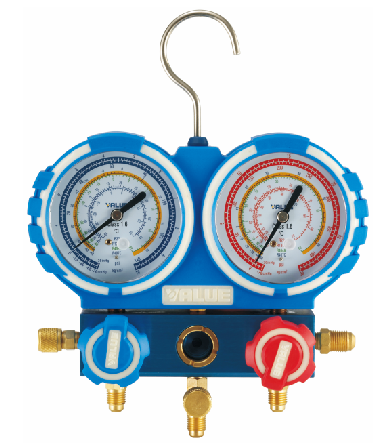
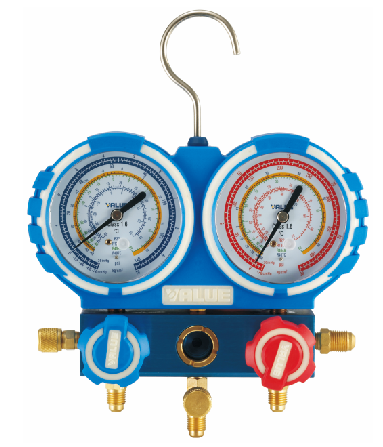
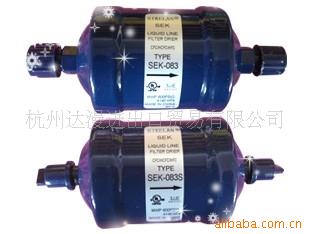
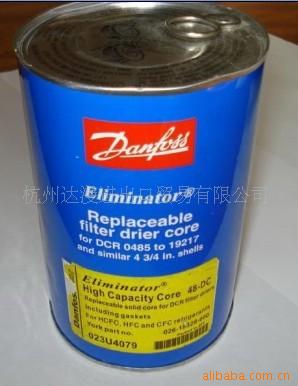
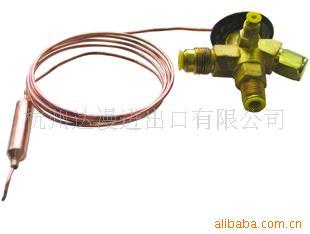
Refrigeration & Heat Exchange Parts
Source commercial-grade Refrigeration & Heat Exchange Parts from vetted manufacturers and suppliers across China and Asia. This catalog is built specifically for industrial importers, HVAC distributors, and equipment brands looking for reliable bulk purchasing, OEM production, and strict quality control.
Sourcing industrial refrigeration and heat exchange components at scale requires strict adherence to pressure tolerances, material purity, and refrigerant compatibility. Whether you are procuring replacement parts for distribution or commissioning custom heat exchanger plates for OEM equipment, the margin for error on the factory floor is zero. A single microscopic brazing defect or incorrect material grade can lead to catastrophic system failure, refrigerant leaks, and costly recalls.
Specifying Components for the Factory
When dealing with Asian manufacturers of refrigeration parts—such as valves, copper manifolds, evaporator coils, and heat exchanger plates—vague specifications lead to inconsistent production. Suppliers will often default to locally available, lower-grade materials unless explicitly instructed otherwise.
You must define exact parameters for your OEM/ODM production or bulk orders:
- Material Grades: Specify exact metallurgical standards (e.g., TP2 copper with 99.9 percent purity, or SUS316L for corrosive environments). Do not simply request "stainless steel."
- Refrigerant Compatibility: Components must be rated for the specific operating pressures and chemical properties of the target refrigerants (e.g., R410A, R32, R290, or R744/CO2). High-pressure CO2 systems require significantly thicker wall tolerances and specialized gasket materials compared to legacy HFC systems.
- Operating Pressures: Clearly state the Maximum Allowable Working Pressure (MAWP) and the required burst pressure threshold.
| Component Type | Critical Material Specs | Primary Manufacturing Risk |
|---|---|---|
| Heat Exchanger Plates | SS304 / SS316L / Titanium | Micro-cracking during deep drawing |
| Expansion & Solenoid Valves | Brass (CW617N) / Stainless Steel | CNC machining tolerances on valve seats |
| Copper Coils & Manifolds | TP2 Copper (High Purity) | Porosity in automated brazing joints |
Need reliable manufacturers for high-pressure refrigeration parts? We vet suppliers for technical capability, certifications, and production capacity.
Talk to our teamManufacturing Risks and Quality Control
The primary failure point in refrigeration parts manufacturing is joint integrity. Whether it is a brazed copper U-bend or a laser-welded plate heat exchanger, leaks are the most common and costly defect.
When conducting factory audits before selecting a supplier, evaluate their testing infrastructure. A facility relying solely on underwater air-bubble testing is not suitable for high-pressure industrial applications.
Essential QC Checks for Refrigeration Parts
- Helium Leak Testing: Mandatory for high-pressure valves and microchannel coils (detects leaks as small as 10^-5 mbar L/s).
- Burst Pressure Testing: Batch testing to verify components exceed designed safety margins (typically 3x to 5x MAWP).
- Metallurgical Analysis: PMI (Positive Material Identification) to ensure correct alloy composition before stamping or machining.
- Salt Spray Testing: Minimum 500-hour testing for protective coatings on condenser parts exposed to outdoor environments.
Implementing rigorous quality control and inspection protocols at the factory—both in-line and pre-shipment—is the only way to prevent defective batches from entering your supply chain.
Pricing Dynamics, Lead Times, and MOQs
Pricing for heat exchange and refrigeration parts is heavily tied to global commodity markets (LME copper, aluminum, and nickel). Most reputable factories will quote prices with a limited validity period (often 15 to 30 days) due to raw material volatility.
Tooling Ownership
When investing in custom molds for heat exchanger plates or specialized manifolds, ensure your manufacturing contract explicitly states that you own the tooling. Some suppliers subsidize tooling costs but retain ownership, locking you into their facility.
Struggling with inconsistent lead times or high defect rates? Let us manage your procurement, supplier negotiations, and quality control.
Get a free consultationFrequently Asked Questions
Securing reliable refrigeration and heat exchange parts requires looking past the initial unit price and evaluating a factory's engineering capabilities and testing rigor. By partnering with manufacturers who invest in automated brazing, helium leak detection, and strict material verification, you protect your brand from the massive liabilities associated with system failures.
Get Sourcing Help for Refrigeration & Heat Exchange Parts
Tell us your requirements and our experts will connect you with verified manufacturers.