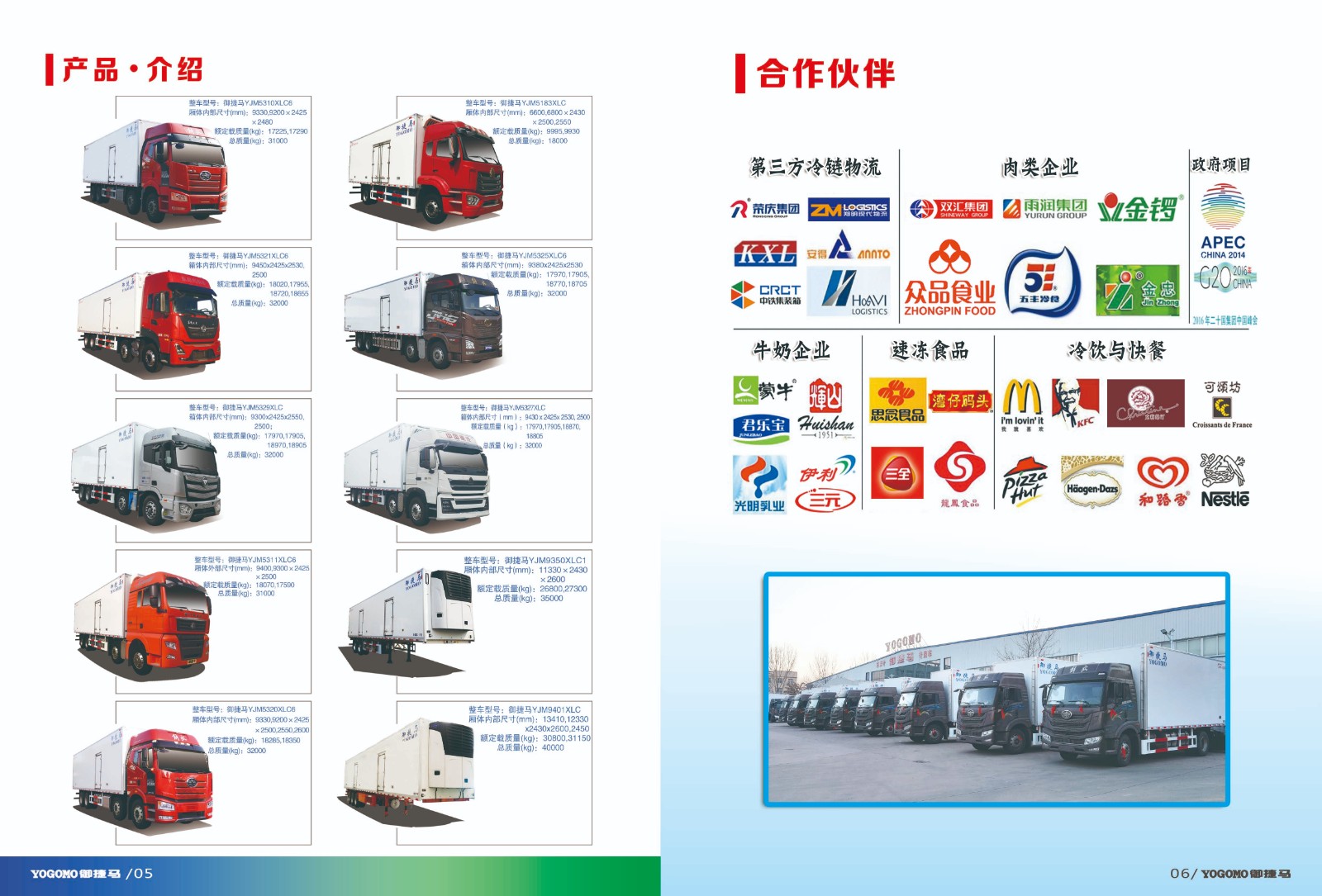
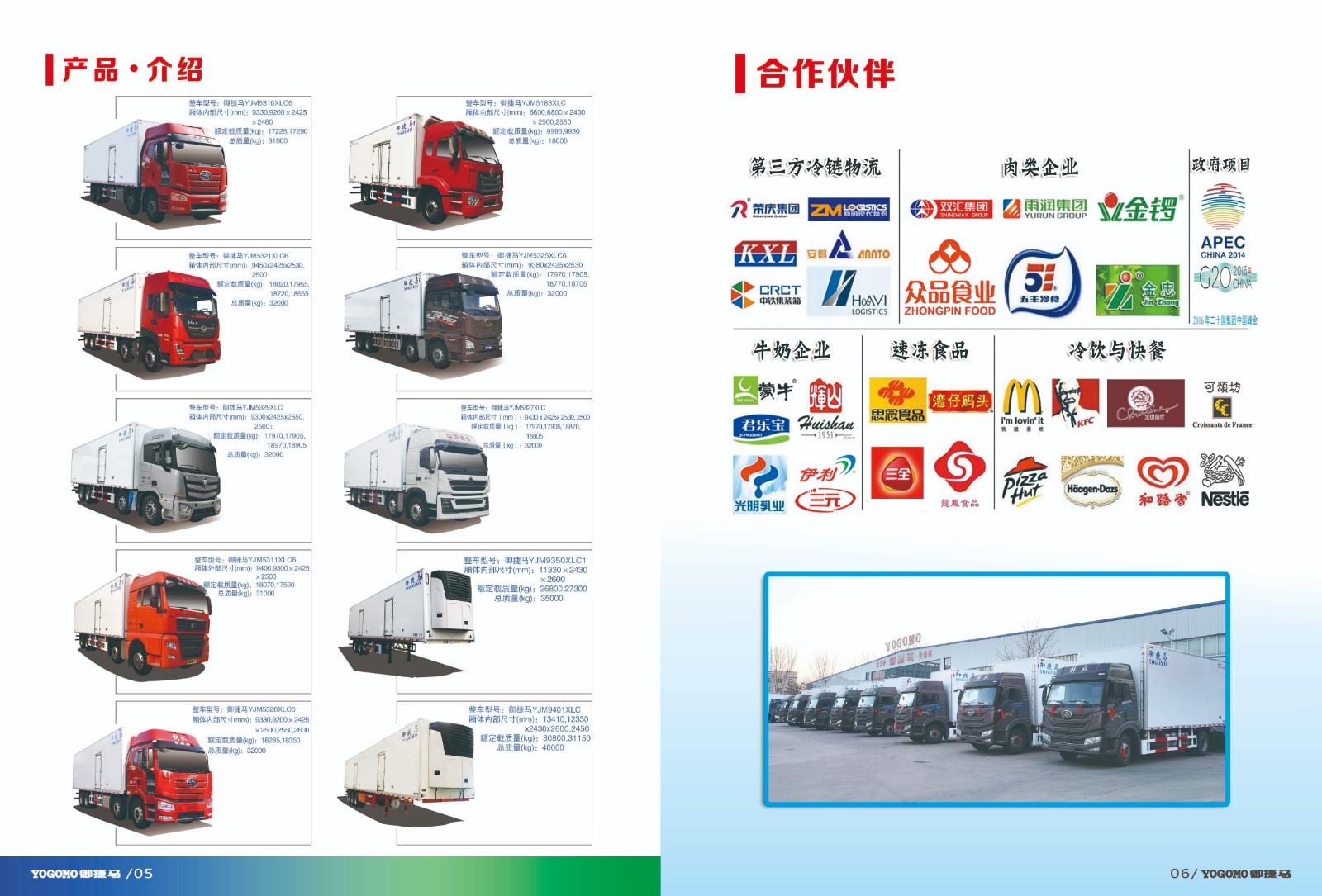
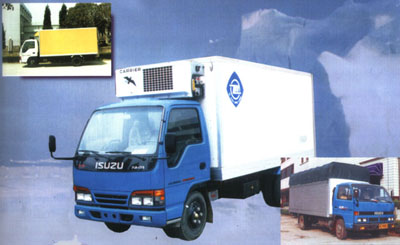
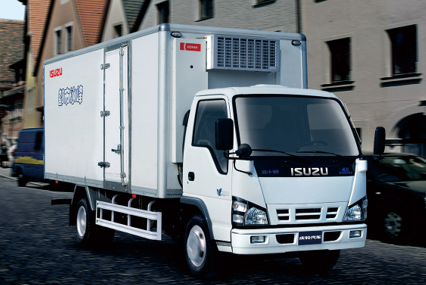
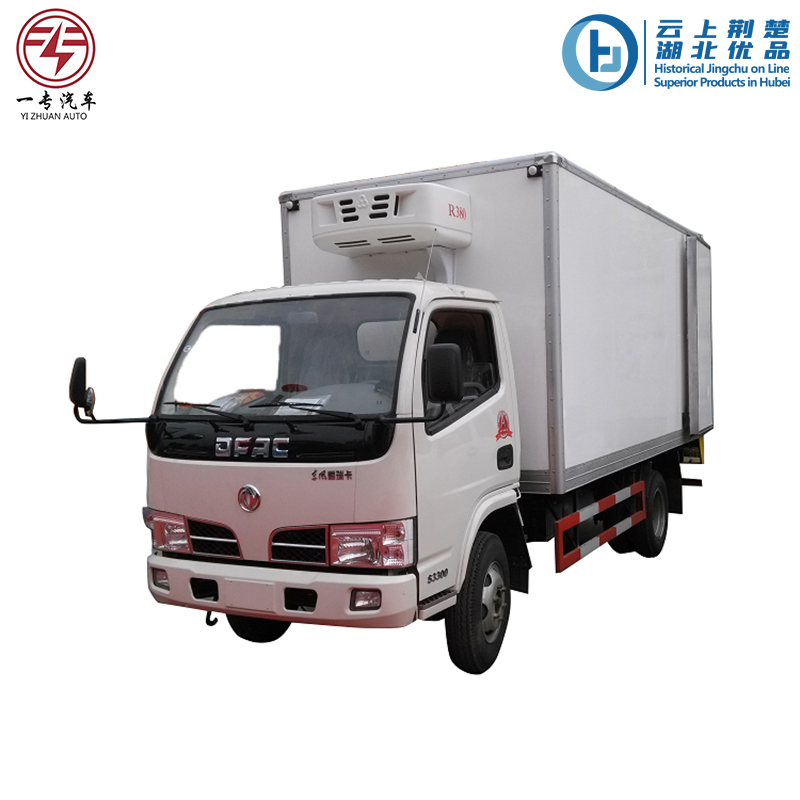
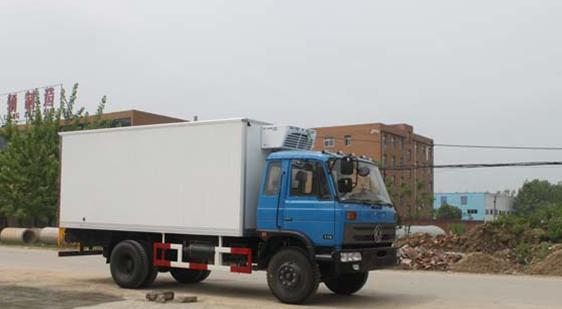
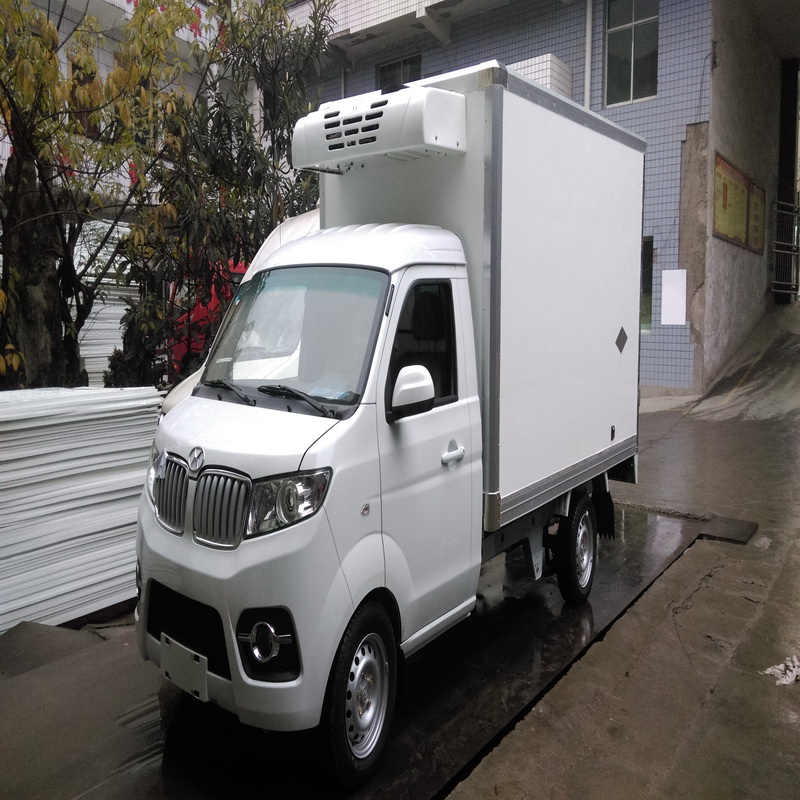
Refrigerated Trucks
Source commercial-grade refrigerated trucks from vetted manufacturers and suppliers. Designed for importers, fleet distributors, and procurement managers, our wholesale network delivers reliable cold-chain vehicles for OEM/ODM customization and bulk import.
Sourcing refrigerated trucks for commercial fleets requires balancing three distinct engineering challenges: chassis reliability, insulated box thermal efficiency, and refrigeration unit performance. A failure in any of these areas compromises the cold chain. When importing these vehicles in bulk, buyers must also navigate strict local homologation rules, emission standards, and complex shipping logistics.
Core Specifications: The Chassis, Box, and Unit
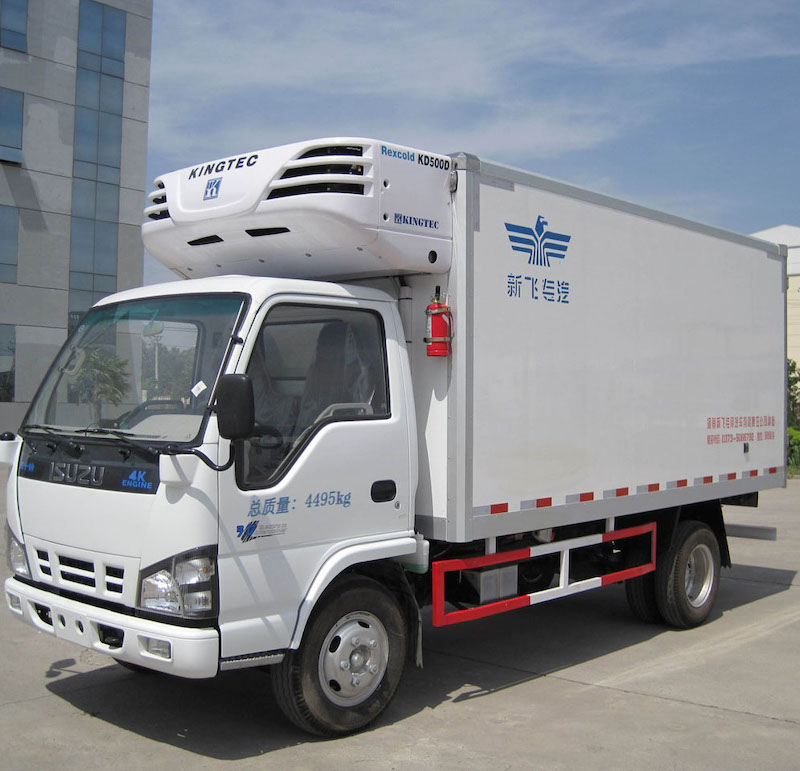
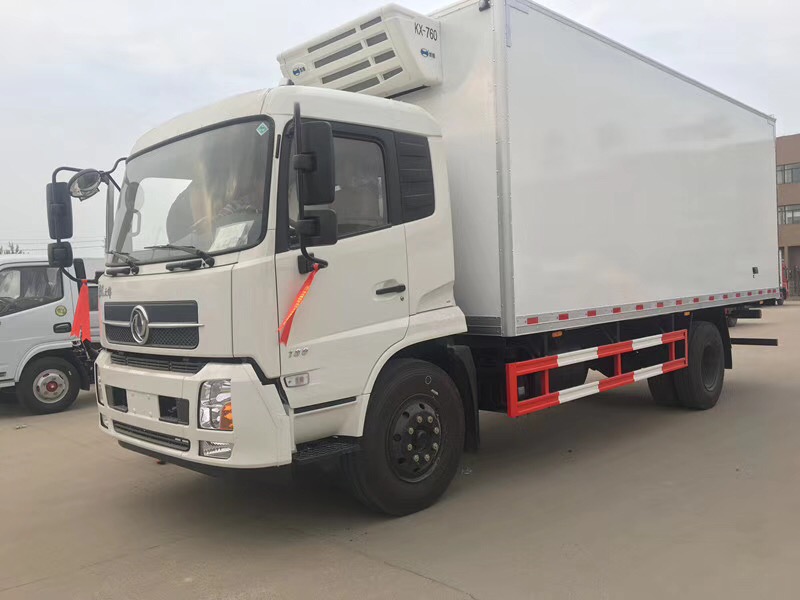
A refrigerated truck is not a single product; it is an integration of three distinct systems. Buyers must specify requirements for each component to ensure the final vehicle meets operational demands.
The Insulated Box (Cargo Body)
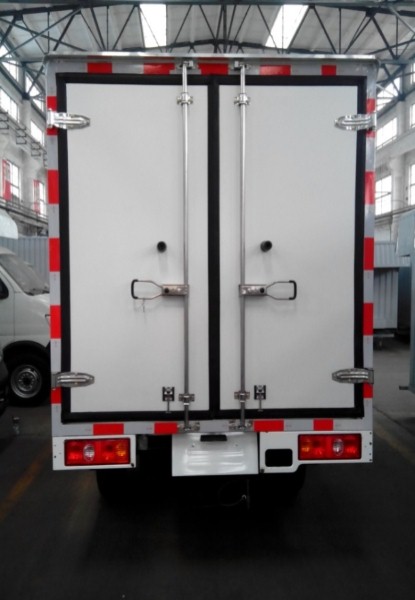
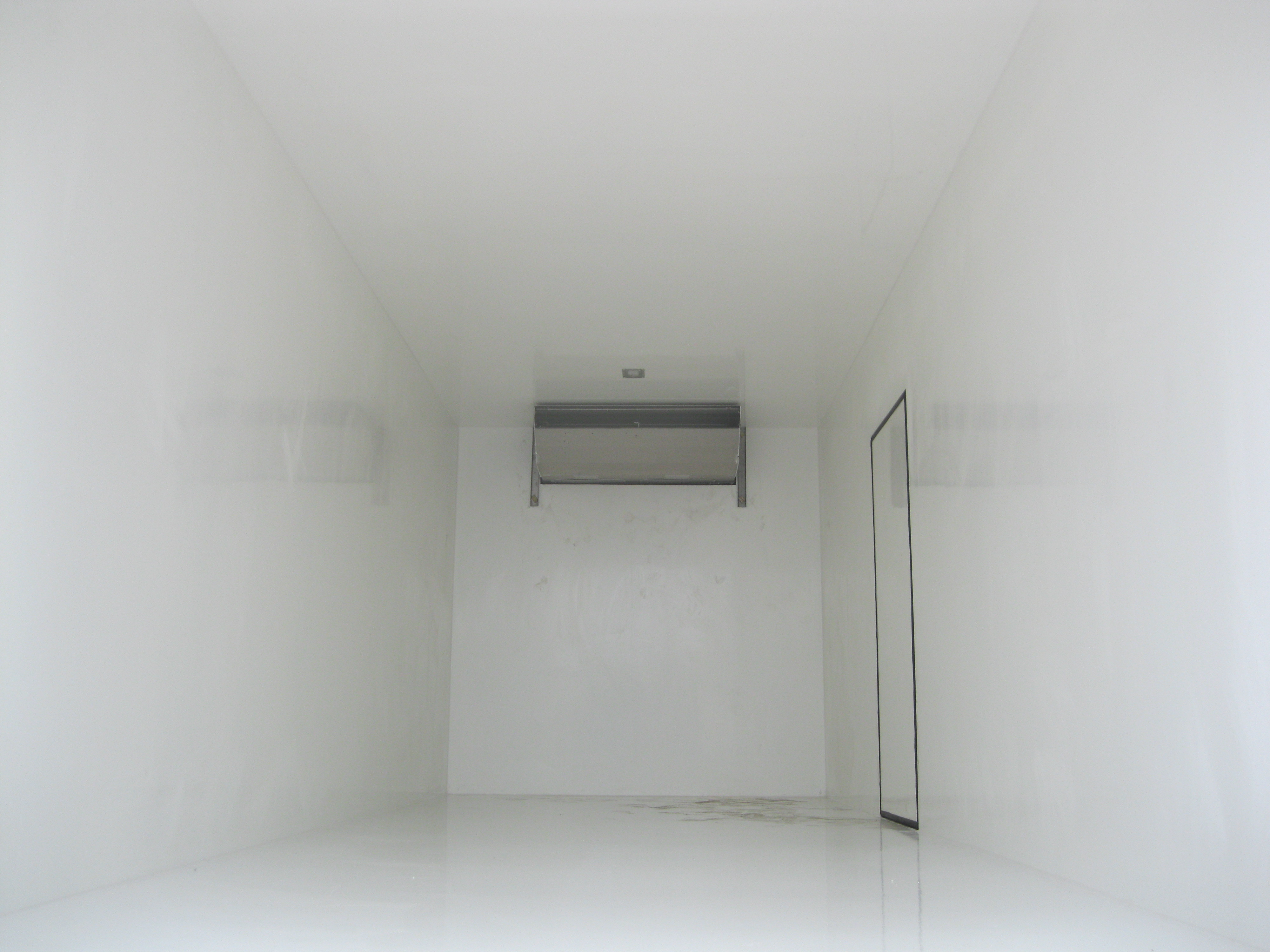
The core of thermal efficiency lies in the cargo box construction. High-quality manufacturers use a sandwich panel design, typically injecting high-density polyurethane (PU) foam between inner and outer skins.
- Skin Materials: Fiberglass Reinforced Plastic (FRP) is the industry standard due to its strength, low weight, and resistance to corrosion. Stainless steel or aluminum is often specified for the interior floor (typically T-shaped or corrugated) to allow airflow under pallets and withstand forklift traffic.
- Thermal Bridges: Subpar manufacturing often leaves metal connections between the inner and outer skins, creating thermal bridges that bleed cold air. Advanced factories use non-metallic structural supports within the panels.
The Refrigeration Unit
Units are categorized as independent (having their own diesel engine) or non-independent (driven by the truck's engine). For long-haul or deep-freeze applications, independent units are mandatory. While Chinese domestic brands offer cost advantages, many export-focused manufacturers can integrate global brands (like Thermo King or Carrier) to ensure local warranty coverage and parts availability in the destination country.
Need help matching refrigeration unit specs to your local climate and payload requirements?
Talk to our teamManufacturing Quality and Homologation
Procuring commercial vehicles requires strict verification of the supplier's assembly capabilities. Before committing to a manufacturer, conducting comprehensive Factory Audits is essential to verify their production licenses, ISO 9001/TS16949 certifications, and quality management systems.
Compliance and Emissions
The single biggest hurdle in importing complete refrigerated trucks is local compliance. The truck chassis must meet the destination market's emission standards (e.g., Euro V, Euro VI, EPA) and safety regulations (DOT, E-mark). If the chassis does not comply, the vehicle cannot be registered. To mitigate this, many importers utilize Compliance & Testing services early in the sourcing phase to verify chassis homologation documents.
Pre-Shipment Inspection Priorities
- Water tightness test: High-pressure spray to check door seals and panel joints.
- Cool-down rate test: Measuring the time taken to reach the target temperature in an empty box.
- Chassis verification: Cross-checking VINs, engine serial numbers, and emission certificates.
- Payload calibration: Verifying axle load distribution after the box and unit are mounted.
Implementing rigorous Quality Control & Inspection before the vehicle leaves the factory prevents catastrophic compliance and performance failures upon arrival.
Shipping Strategies: CBU vs. CKD/SKD
Shipping fully assembled trucks (CBU) is expensive and often requires specialized RoRo (Roll-on/Roll-off) or Flat Rack vessels. To optimize freight costs and bypass chassis emission restrictions, many buyers import only the insulated box and refrigeration unit, mounting them onto locally procured chassis.
| Format | Shipping Method | Assembly Required | Pros & Cons |
|---|---|---|---|
| CBU (Complete Built Up) | RoRo / Flat Rack | None | Ready to drive, but high freight costs and strict emission rules. |
| SKD (Semi-Knocked Down) | Standard Container | Moderate | Box is pre-assembled; requires local mounting to chassis. |
| CKD (Completely Knocked Down) | Standard Container | Extensive | Maximum freight efficiency; requires local panel bonding and assembly. |
Coordinating these complex shipments requires robust Shipping & Freight management to handle specialized loading and customs clearance.
Pricing, MOQs, and Lead Times
Refrigerated truck pricing is highly variable based on payload capacity, chassis brand, and refrigeration unit selection.
- Pricing: A light-duty refrigerated truck (2 to 4 tons payload) with a domestic Chinese chassis and non-independent unit typically ranges from $15,000 to $25,000. Heavy-duty, long-haul trucks (15+ tons) with independent, globally recognized refrigeration units can exceed $60,000 to $90,000.
- MOQ: For complete vehicles (CBU), MOQs are often as low as 1 to 2 units. For custom-sized insulated boxes (CKD/SKD) designed for OEM fleet applications, factories typically require an MOQ of 5 to 10 units to justify the panel molding setup.
- Lead Times: Standard configurations usually require 30 to 45 days. Custom box dimensions or specialized chassis configurations push lead times to 60 to 90 days.
Optimize your landed costs by analyzing CBU versus SKD sourcing strategies with our logistics team.
Get a free consultationFrequently Asked Questions
Successfully importing refrigerated trucks requires more than negotiating a good price; it demands precise engineering alignment, rigorous compliance verification, and strategic logistics planning. By controlling the quality at the factory level and choosing the right shipping configuration, fleet buyers can secure reliable cold-chain assets at a highly competitive cost.
Get Sourcing Help for Refrigerated Trucks
Tell us your requirements and our experts will connect you with verified manufacturers.