Refractories
Source high-performance refractories in bulk directly from vetted manufacturers. Tailored for industrial importers, distributors, and procurement managers, our network supplies premium shaped and monolithic refractory materials engineered for furnaces, kilns, and high-temperature applications.
Sourcing industrial refractories requires strict attention to raw material purity, firing processes, and mechanical strength. Whether you are procuring linings for cement rotary kilns, glass melting tanks, or steel ladles, consistency across bulk shipments is critical. Variations in apparent porosity or crushing strength can lead to premature spalling, catastrophic thermal failures, and costly operational downtime.
Critical Technical Specifications
When negotiating with manufacturers, specifying the correct physical and chemical parameters is non-negotiable. Industrial buyers must dictate exact testing standards (such as ASTM or ISO) for the following critical metrics:
Beyond mechanical strength, chemical composition dictates thermal performance. For example, high-alumina products must have strictly controlled Al₂O₃ to Fe₂O₃ ratios, as excess iron oxide acts as a flux and significantly lowers the melting point of the refractory lining.
Manufacturing Vulnerabilities and Quality Control
The durability of a refractory product is won or lost in two manufacturing stages: raw material preparation and the firing process.
To lower costs, some factories use excessive amounts of unclassified recycled grog (crushed used refractories). While a controlled amount of high-quality grog is standard to manage shrinkage, uncontrolled use introduces impurities that degrade thermal shock resistance. Furthermore, firing refractory bricks requires massive energy consumption. Manufacturers operating older, poorly maintained tunnel kilns may under-fire batches to save on natural gas or coal, resulting in a product that fails to achieve the necessary ceramic bond.
Dimensional Tolerances
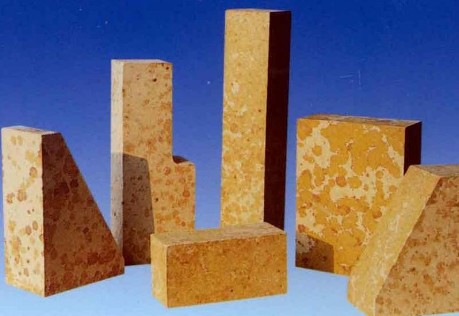
Under-fired or unevenly fired bricks will exhibit significant dimensional variations. If bricks do not meet strict dimensional tolerances (typically plus or minus 1.5 percent or better), mortar joints will be too thick, creating weak points susceptible to rapid slag erosion.
Mitigating these risks requires rigorous oversight. Conducting comprehensive factory audits prior to order placement ensures the supplier has modern pressing equipment (friction or hydraulic presses exceeding 1,000 tons) and automated temperature controls in their kilns.
Need to verify a refractory manufacturer's kiln capabilities and quality management systems? Speak with our sourcing experts.
Talk to our teamPackaging and Bulk Logistics
Refractories are dense, incredibly heavy, and surprisingly brittle prior to installation. Proper packaging is vital to minimize breakage rates during international transit.
Standard Export Packaging Requirements
- Heavy-duty, fumigated wooden pallets rated for high dynamic loads.
- Cardboard or plastic edge protectors on all corners to prevent strap damage.
- High-tension PET strapping (never cheap PP strapping) to secure the load.
- Thick shrink-wrapping or multi-layer stretch film to prevent moisture ingress.
- For monolithic/unshaped refractories: moisture-proof multi-wall paper bags or jumbo bags with inner PE liners.
Because refractory materials easily max out container weight limits before filling the volume, optimizing payload is a primary logistical challenge. Working with specialists in heavy-cargo shipping and freight ensures you maximize the tonnage per TEU (Twenty-foot Equivalent Unit) without violating maritime or inland road weight restrictions.
Typical MOQs, Pricing, and Lead Times
Refractory pricing is highly volatile, driven by global raw material indices (such as bauxite, magnesite, and silicon carbide) and industrial energy costs.
- Minimum Order Quantities (MOQs): Due to the continuous nature of tunnel kiln operations and freight economics, MOQs are almost exclusively set by the container load. Expect a minimum of one 20-foot Full Container Load (FCL), which typically holds 20 to 27 metric tons depending on the specific gravity of the material and destination weight limits.
- Lead Times: Standard production lead times range from 30 to 45 days. This accounts for raw material preparation, aging (for certain mixes), pressing, drying, and a firing cycle that can take several days to heat up and cool down safely.
- Pricing Drivers: Custom shapes (which require custom steel molds) will incur tooling fees and higher unit costs compared to standard straight or arch bricks.
Looking to optimize your refractory supply chain and secure reliable bulk pricing? Let's discuss your tonnage requirements.
Get a free consultationFrequently Asked Questions
Securing a reliable supply of industrial refractories means looking past the initial price per ton and focusing on total cost of ownership—which is dictated by material longevity and furnace uptime. Partnering with experienced sourcing professionals ensures your specifications are met, production is closely monitored, and heavy logistics are handled seamlessly from the kiln to your facility.
Get Sourcing Help for Refractories
Tell us your requirements and our experts will connect you with verified manufacturers.