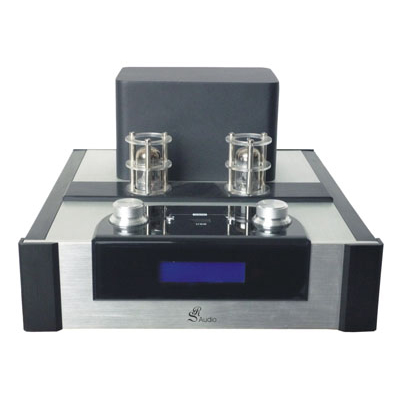
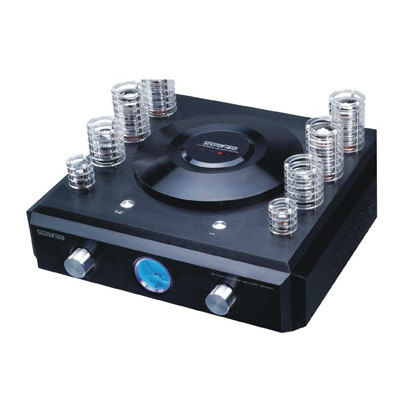
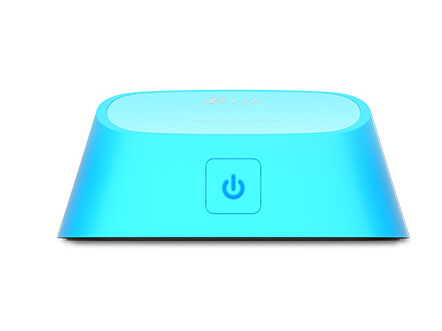
Receivers & Amplifiers
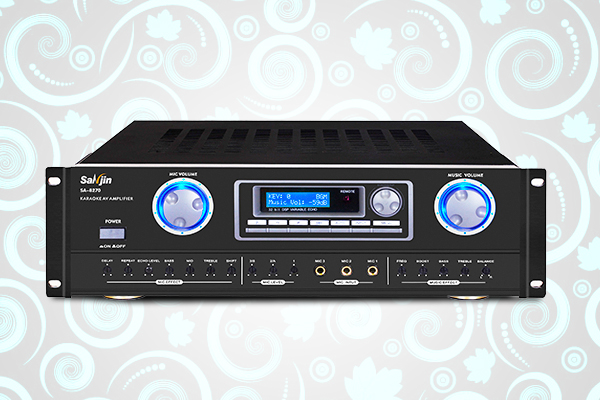
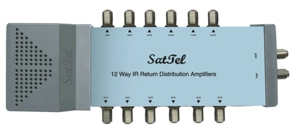
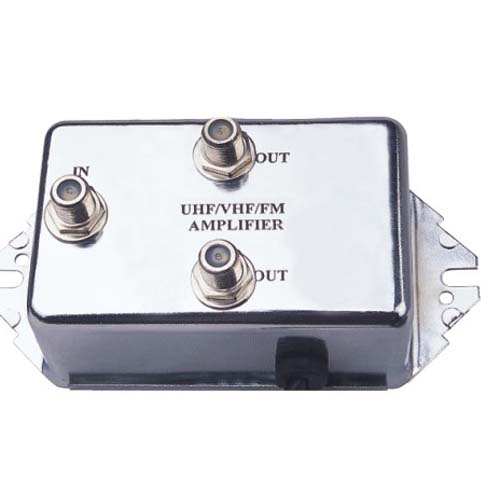
Source high-performance receivers and amplifiers from vetted suppliers and manufacturers across Asia. Designed for electronics importers, distributors, and audio brands seeking reliable bulk purchasing or custom OEM/ODM production. Partner with top-tier factories to secure competitive pricing and consistent build quality.
Sourcing AV receivers and audio amplifiers requires strict attention to component authenticity, thermal management, and accurate power ratings. Whether you are importing standard commercial units or developing high-fidelity equipment, securing a manufacturer capable of consistent assembly and rigorous testing is critical to avoiding high return rates and safety compliance failures.
Core Specifications & Amplifier Topologies
When evaluating manufacturers, clarify exactly which amplifier topology they specialize in, as this dictates their supply chain for critical components like MOSFETs, digital signal processors (DSPs), and power transformers. Factories generally optimize their production lines for specific classes of audio equipment.
| Topology | Efficiency | Thermal Management | Typical Application |
|---|---|---|---|
| Class AB | Moderate (50-70%) | Requires heavy extruded heatsinks | Audiophile amps, premium AV receivers |
| Class D | High (over 90%) | Minimal heatsinking required | Compact receivers, commercial audio, soundbars |
| Class H/G | High at variable loads | Moderate to complex | High-power PA systems, pro audio |
Beyond topology, the quality of the Digital-to-Analog Converter (DAC) and DSP chips (e.g., ESS Sabre, AKM, Texas Instruments) heavily influences the unit's final cost and audio fidelity. Ensure your supplier has direct, authorized supply chains for these silicon components to avoid counterfeit chips that degrade signal-to-noise ratio (SNR) and total harmonic distortion (THD).
Need help verifying factory capabilities and component supply chains for complex audio electronics?
Talk to our teamManufacturing Tolerances and Quality Control
The reliability of a receiver or amplifier is determined on the Surface Mount Technology (SMT) line and during final assembly. Poor soldering on power transistors or inadequate thermal paste application will lead to premature failure under heavy loads.
Conducting thorough Factory Audits prior to production ensures the facility has the necessary automated optical inspection (AOI) equipment and static-free environments required for high-grade PCB assembly.
During production, robust Quality Control & Inspection protocols are mandatory.
Critical QC Checks for Amplifiers
- THD+N Verification: Measuring Total Harmonic Distortion plus Noise at rated output power.
- Thermal Stress Testing: Continuous operation at 80% maximum load to verify heatsink and fan performance.
- Hi-Pot Testing: High potential testing to ensure electrical insulation and chassis grounding meet safety standards.
- Drop & Vibration Testing: Ensuring heavy internal components (like toroidal transformers) do not break PCB mounts during transit.
Compliance and Market Certification
Receivers and amplifiers are subject to strict regulatory oversight due to their power consumption and wireless capabilities (Bluetooth, Wi-Fi).
Certification Verification
Never accept a supplier's CE or FCC mark at face value. Always request the full test reports (LVD and EMC directives for CE) from a recognized third-party laboratory. If the unit includes wireless modules, ensure the specific module carries its own FCC ID or equivalent certification.
If you are modifying an existing white-label design, the product may require re-certification. Utilizing professional Compliance & Testing services ensures your shipment will not be seized by customs or rejected by major retail distributors.
Pricing Drivers, MOQs, and Lead Times
Volume pricing for receivers and amplifiers is highly dependent on the bill of materials (BOM). Heavy copper transformers, premium capacitors (e.g., Nichicon, WIMA), and licensed technologies (Dolby Atmos, DTS:X) significantly increase unit costs.
If you are developing a proprietary product, engaging specialized OEM/ODM Services can streamline the transition from prototype to mass production, ensuring your custom chassis and UI/UX requirements are met without inflating the BOM cost.
Looking for accurate pricing, MOQs, and lead times for your next production run?
Get a free consultationFrequently Asked Questions
Successful sourcing in the audio electronics sector requires moving beyond surface-level specifications to audit the underlying component supply chain and assembly standards. By enforcing strict QC and verifying certifications early, you protect your brand's reputation and your bottom line.
Get Sourcing Help for Receivers & Amplifiers
Tell us your requirements and our experts will connect you with verified manufacturers.