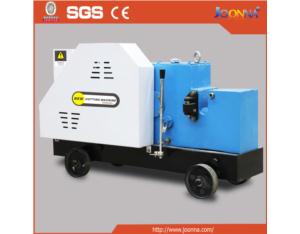
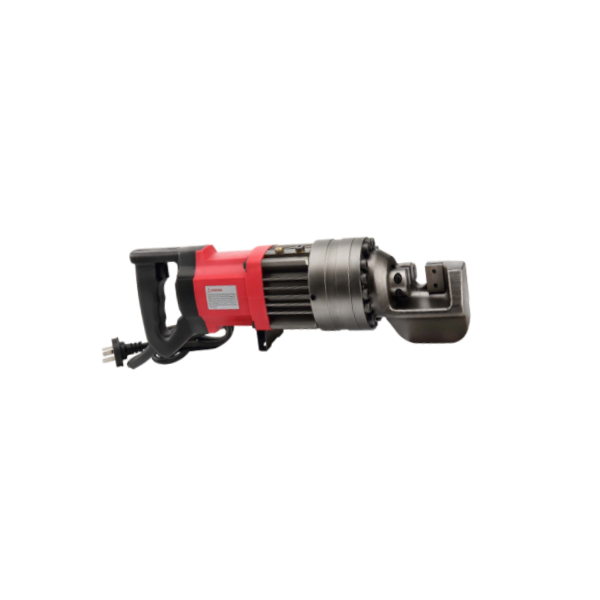
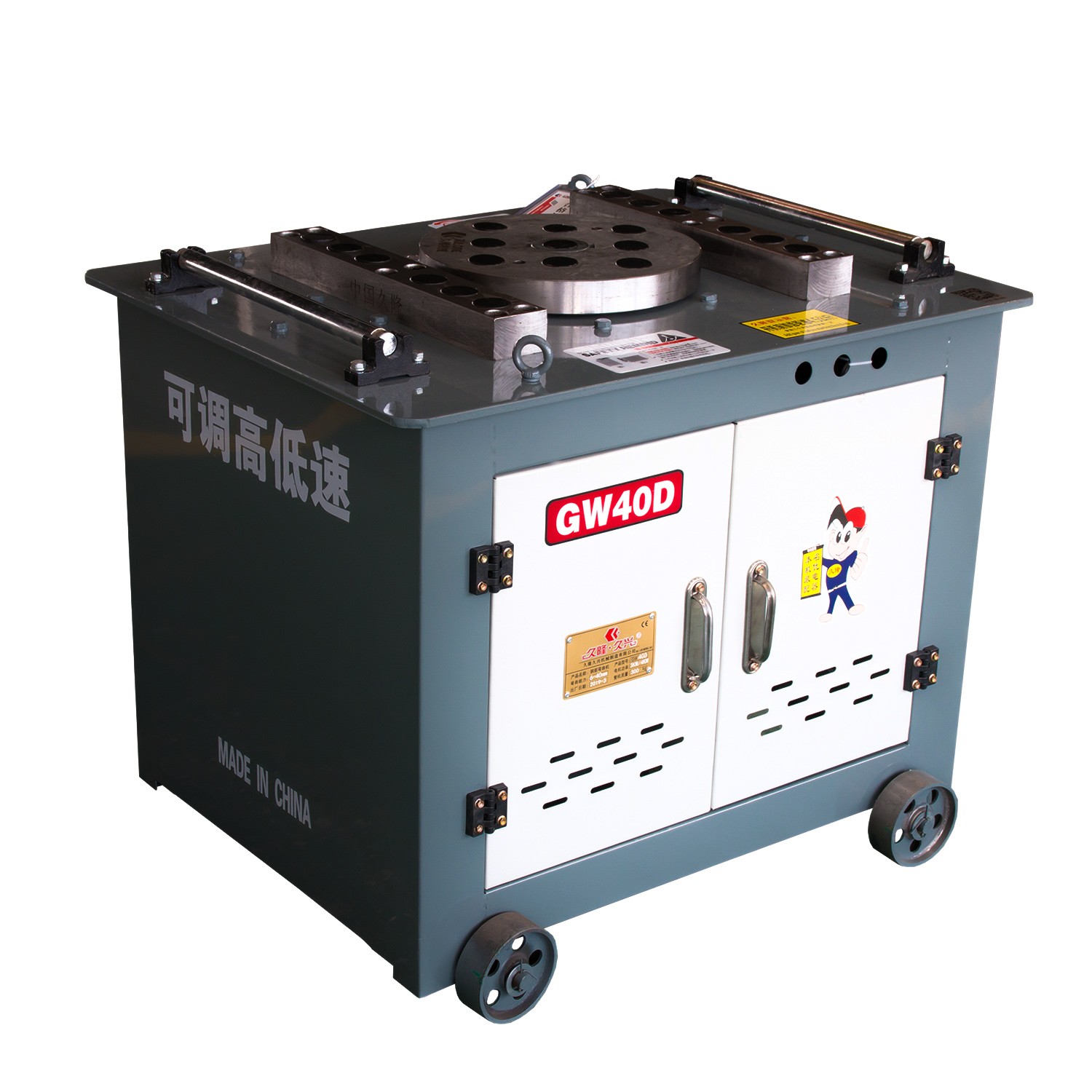
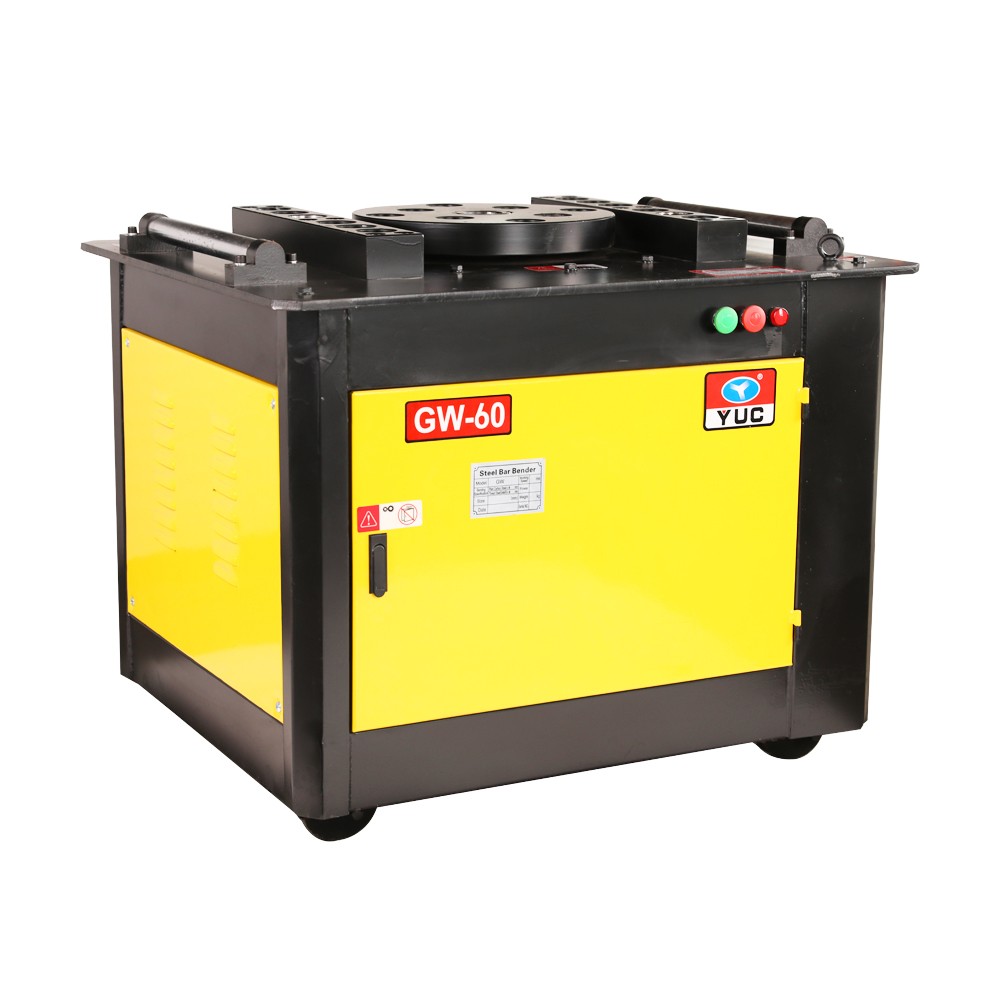
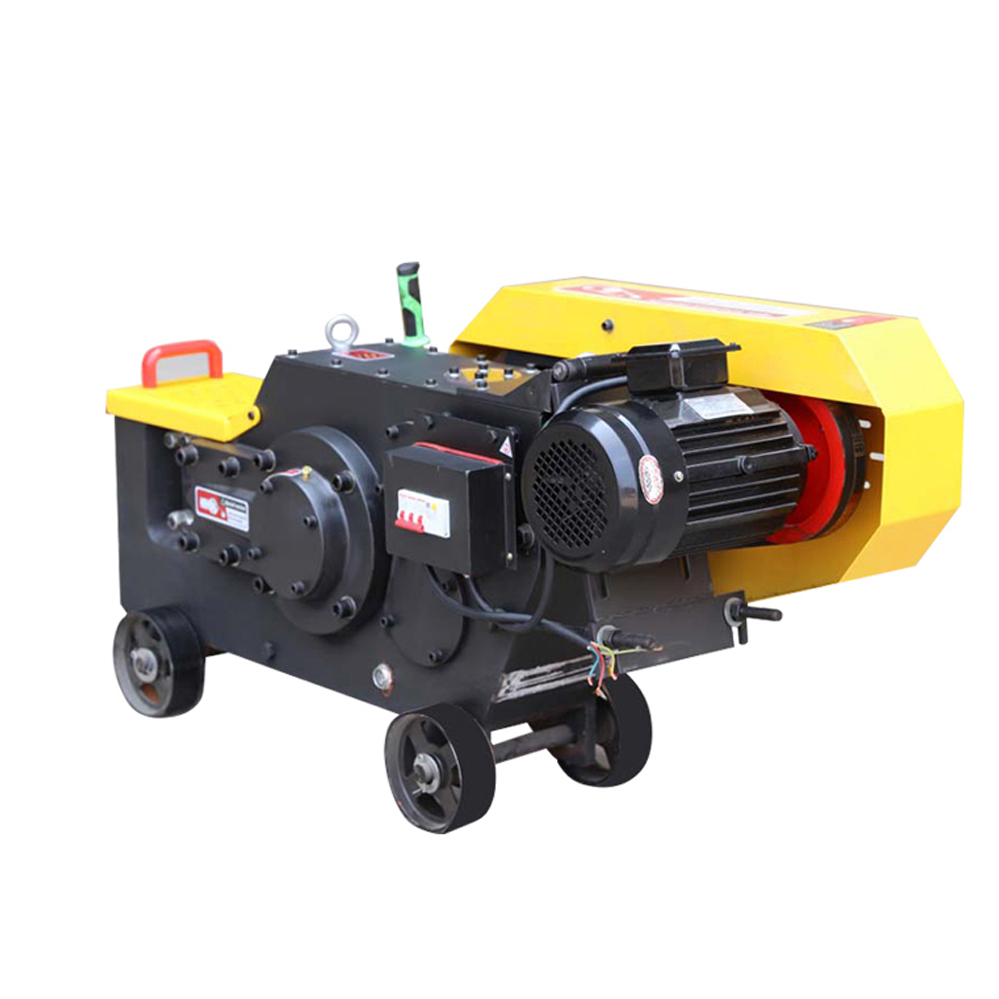
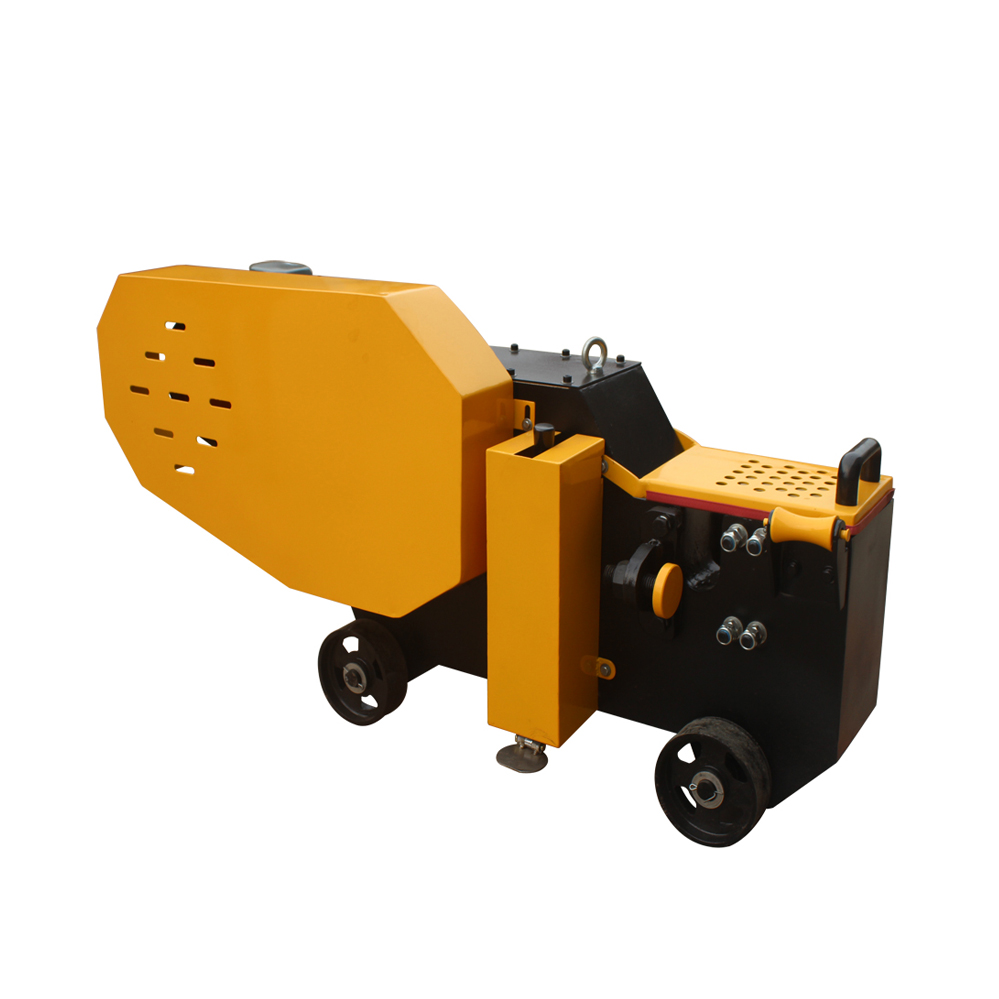
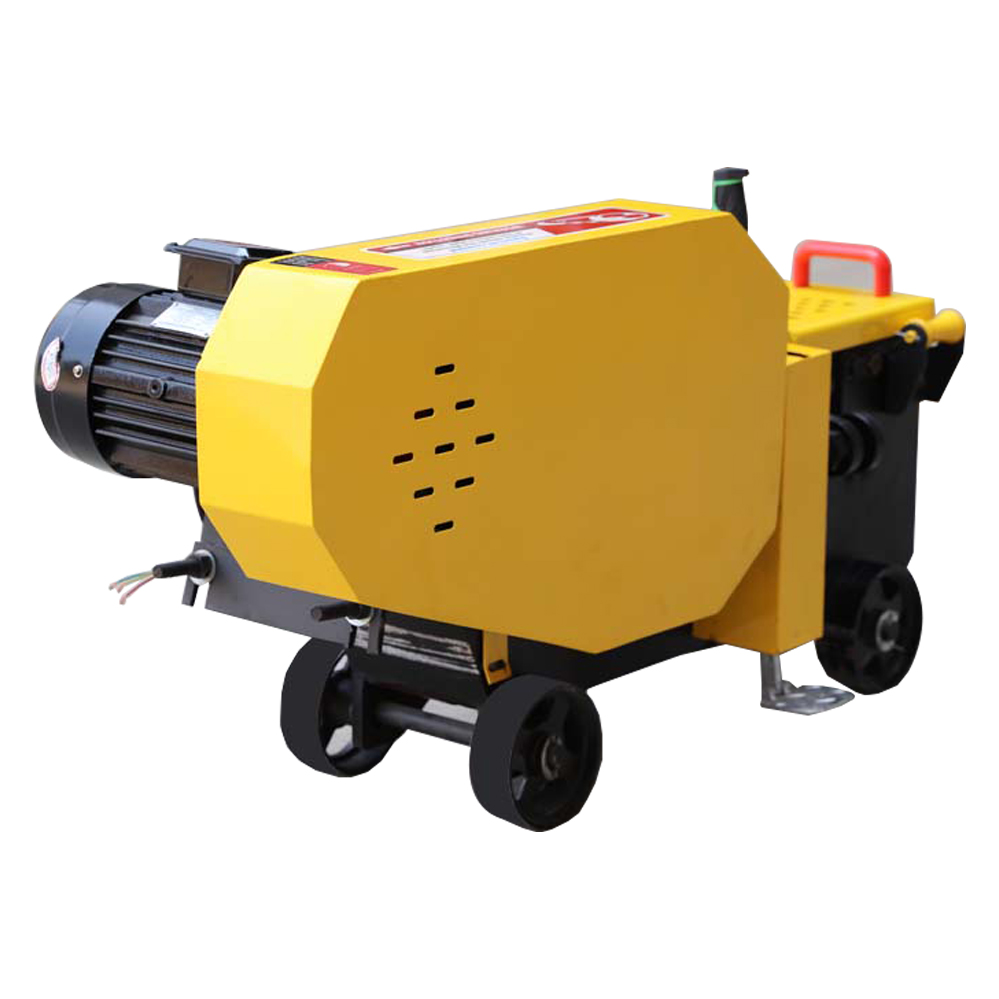
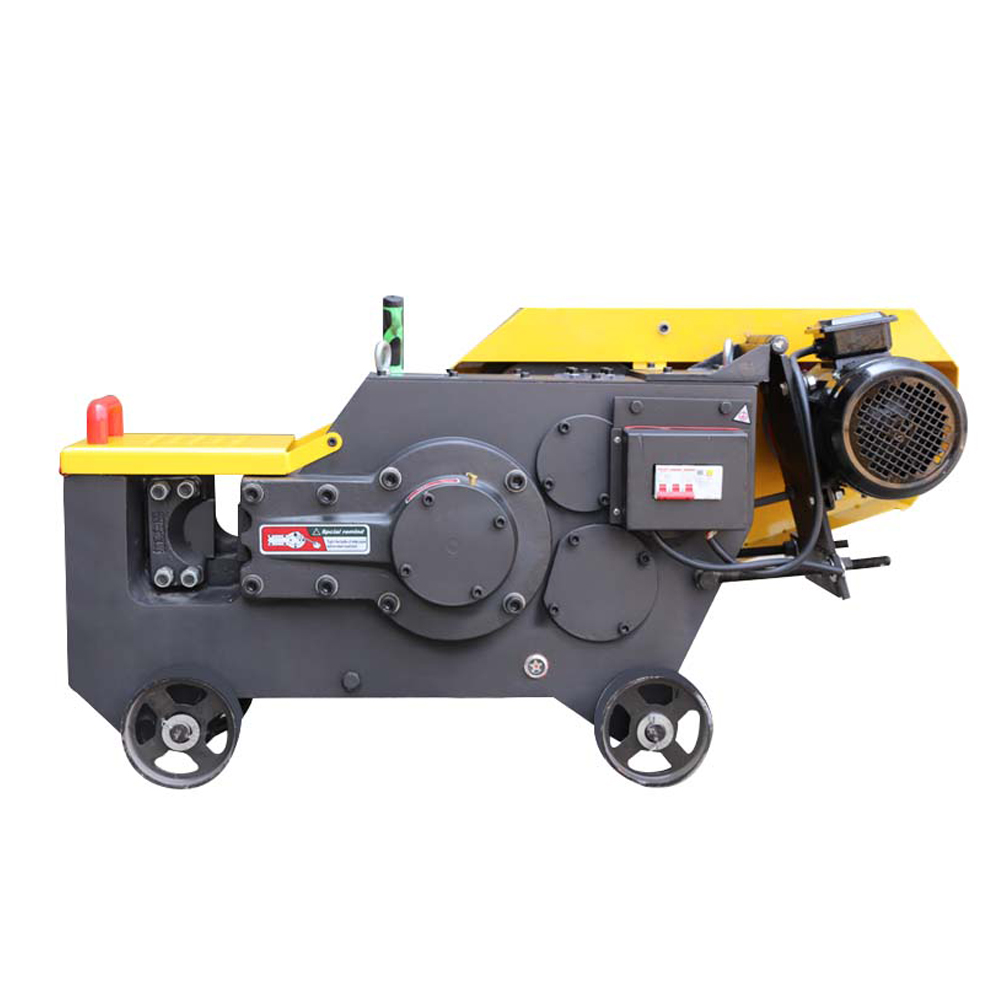
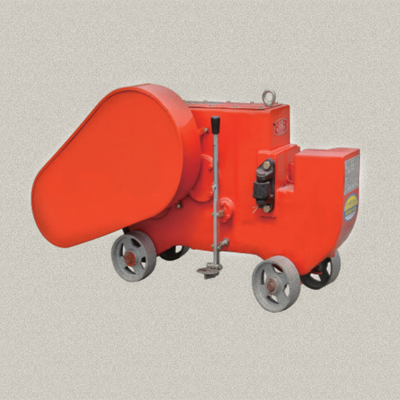
Rebar Tools
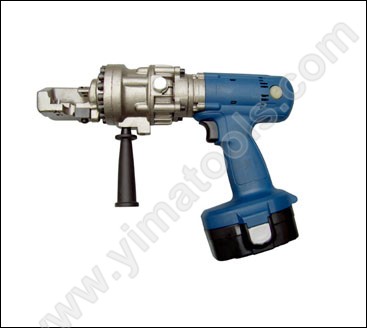
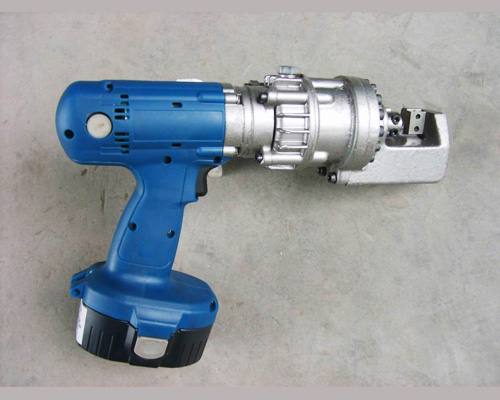
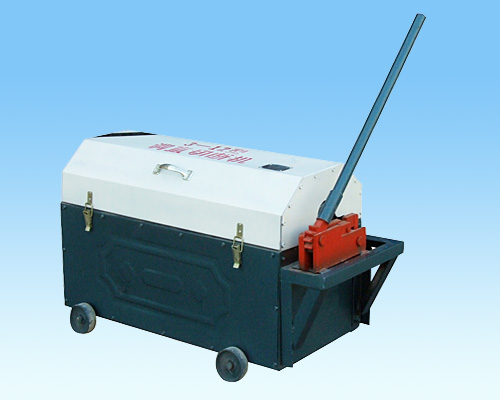
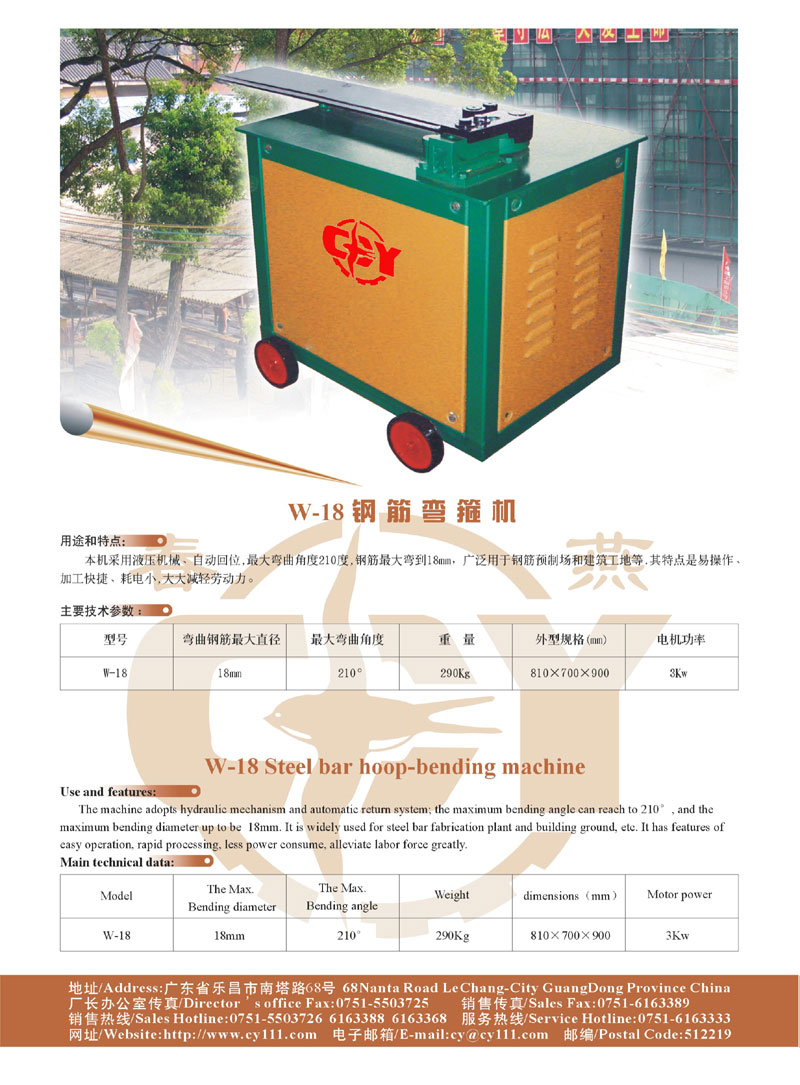
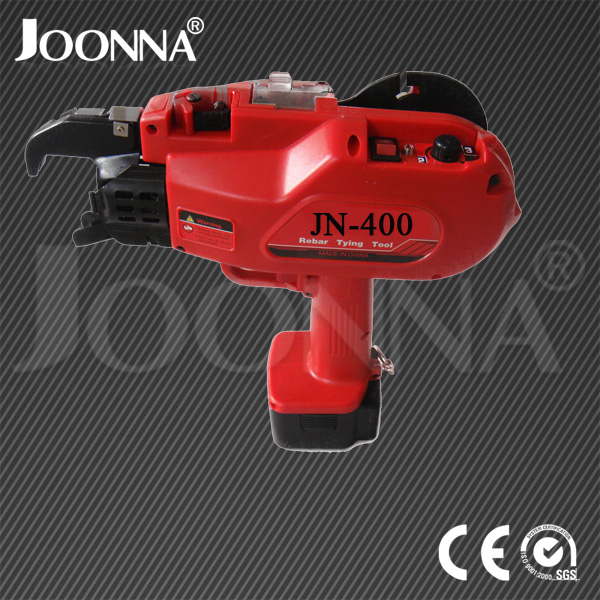
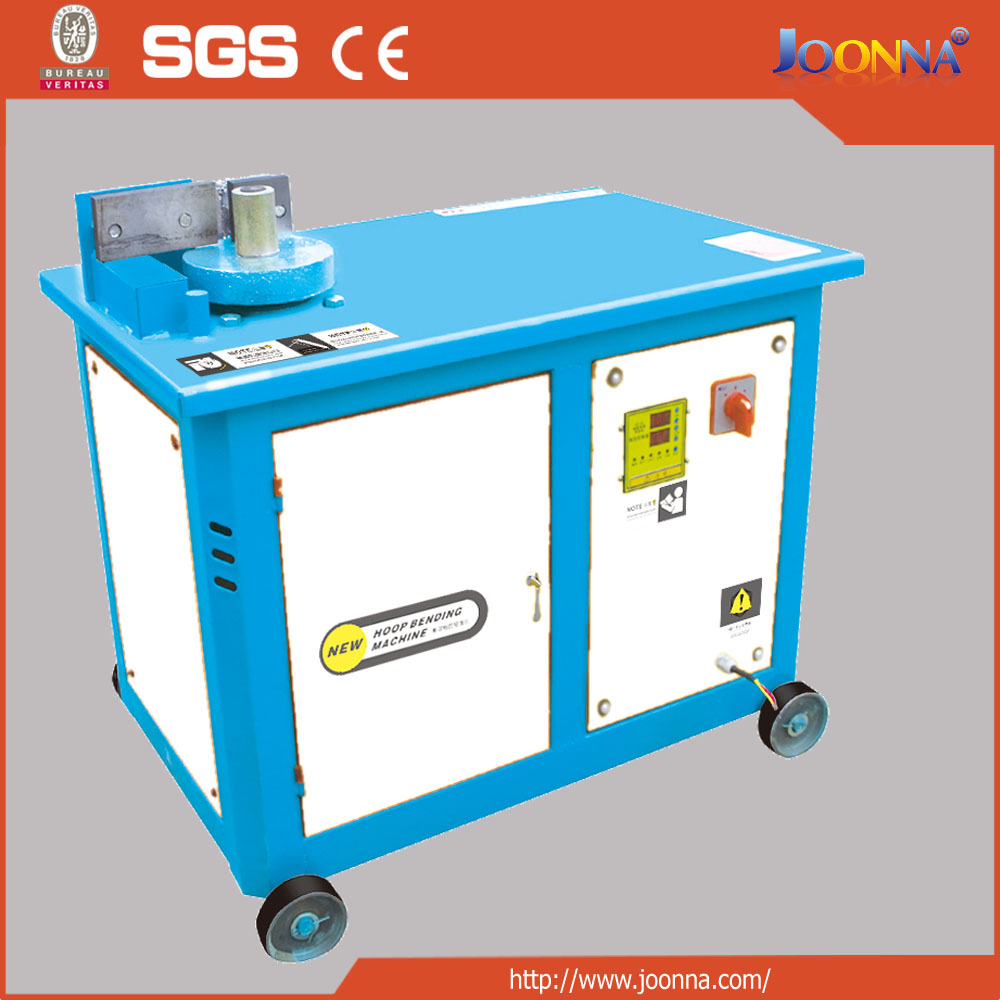
Source high-performance Rebar Tools from vetted suppliers and manufacturers across Asia. Designed for importers, wholesalers, distributors, and tool brands seeking reliable OEM or private-label production, our network delivers bulk access to heavy-duty rebar processing equipment engineered for demanding construction environments.
Sourcing rebar tools for the construction sector requires balancing extreme mechanical stress requirements with cost-effective manufacturing. Whether you are importing battery-powered tying machines or electro-hydraulic cutters and benders, the primary sourcing challenge is ensuring consistent internal component quality—specifically hydraulic seals, motor windings, and tool-steel durability—across bulk production runs.
Defining Performance Specifications
When negotiating with manufacturers, vague specifications lead to inconsistent product lifespans. Rebar tools operate in high-dust, high-vibration environments, meaning the bill of materials (BOM) must be strictly defined before production begins.
Key technical areas to specify include:
- Metallurgy of Wear Parts: Cutting blocks and bending rollers must be forged from high-alloy tool steel (such as Cr12MoV or equivalent) and heat-treated to over 55 HRC to withstand repeated friction against carbon steel rebar.
- Motor Architecture: Brushless DC (BLDC) motors are increasingly standard for cordless tools due to their efficiency and lack of carbon brushes, which degrade quickly in concrete dust. Ensure the factory uses 100 percent copper motor windings rather than copper-clad aluminum (CCA).
- Hydraulic Systems: For electro-hydraulic cutters, the pump's relief valve setting and the quality of the internal O-rings dictate the tool's lifespan. Cheap polyurethane seals will fail under continuous high-pressure cycles, leading to oil leaks and pressure loss.
Need help verifying a factory's technical capabilities and component sourcing?
Talk to our teamFactory Floor Realities and Quality Control
The manufacturing hubs for power tools are highly concentrated, primarily in regions like Zhejiang and Jiangsu provinces in China. While many factories can assemble a tool that looks robust, the true test is under the hood.
Conducting comprehensive Factory Audits is essential to verify that a supplier actually machines their own hydraulic cylinders rather than outsourcing them to low-tier workshops.
Critical Pre-Shipment Inspection Points
- Hydraulic Pressure Retention: Cycle testing cutters to max capacity to check for micro-leaks.
- Motor Temperature Rise: Running tools under load to ensure thermal cutoffs function correctly.
- Battery BMS Verification: Testing the Battery Management System for overcharge, deep discharge, and thermal protection.
- Housing Drop Tests: Verifying the impact resistance of glass-fiber reinforced nylon (PA6-GF30) casings.
Implementing strict Quality Control & Inspection protocols before shipment ensures that defective units—such as those with misaligned jaws or faulty triggers—never leave the factory floor.
OEM Customization and Battery Platforms
For brands looking to establish or expand their own tool lines, utilizing OEM/ODM Services allows for significant customization.
| Customization Level | Typical Requirements | Lead Time Impact |
|---|---|---|
| White Label (Standard) | Standard factory mold, custom brand colors/stickers. | Minimal (+0 days) |
| Modified OEM | Custom battery interface, specific motor upgrades. | Moderate (+15-20 days) |
| Full ODM | Unique housing molds, proprietary PCB/BMS design. | Significant (+45-60 days) |
A major consideration in cordless rebar tools is the battery platform. Many manufacturers offer tools compatible with popular market interfaces (like the Makita 18V LXT slide). If you are importing proprietary battery packs, you must ensure the supplier uses grade-A lithium cells (e.g., 18650 or 21700 formats) and provides necessary UN38.3 and MSDS documentation for freight.
MOQs, Pricing, and Lead Times
Procurement managers must align their purchasing schedules with realistic factory capabilities. Power tool manufacturing involves complex supply chains for electronic components, molded plastics, and machined steel.
- Minimum Order Quantities (MOQs): For standard, off-the-shelf models in factory colors, MOQs often sit between 50 and 100 units. If you require custom housing colors or branded injection molds, expect MOQs to rise to 300 to 500 units per model.
- Lead Times: Standard production runs typically require 35 to 45 days. Initial OEM orders involving new color matching, packaging design, and manual translations can extend this to 60 days.
- Pricing Drivers: The cost per unit fluctuates based on motor type (brushless adds a premium), battery capacity (Ah rating), and the inclusion of fast chargers.
Streamline your procurement, negotiate better MOQs, and secure reliable production schedules.
Get a free consultationFrequently Asked Questions
Successfully importing rebar tools requires moving past superficial aesthetics to dictate the exact internal components that guarantee job-site reliability. By controlling the BOM and enforcing strict in-line testing, buyers can secure professional-grade equipment that protects their brand reputation and bottom line.
Get Sourcing Help for Rebar Tools
Tell us your requirements and our experts will connect you with verified manufacturers.