Ranges
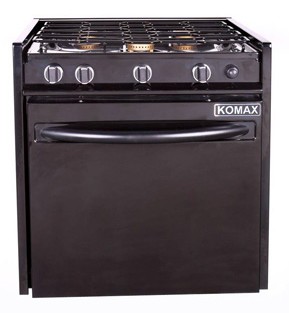
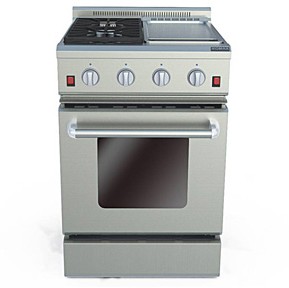
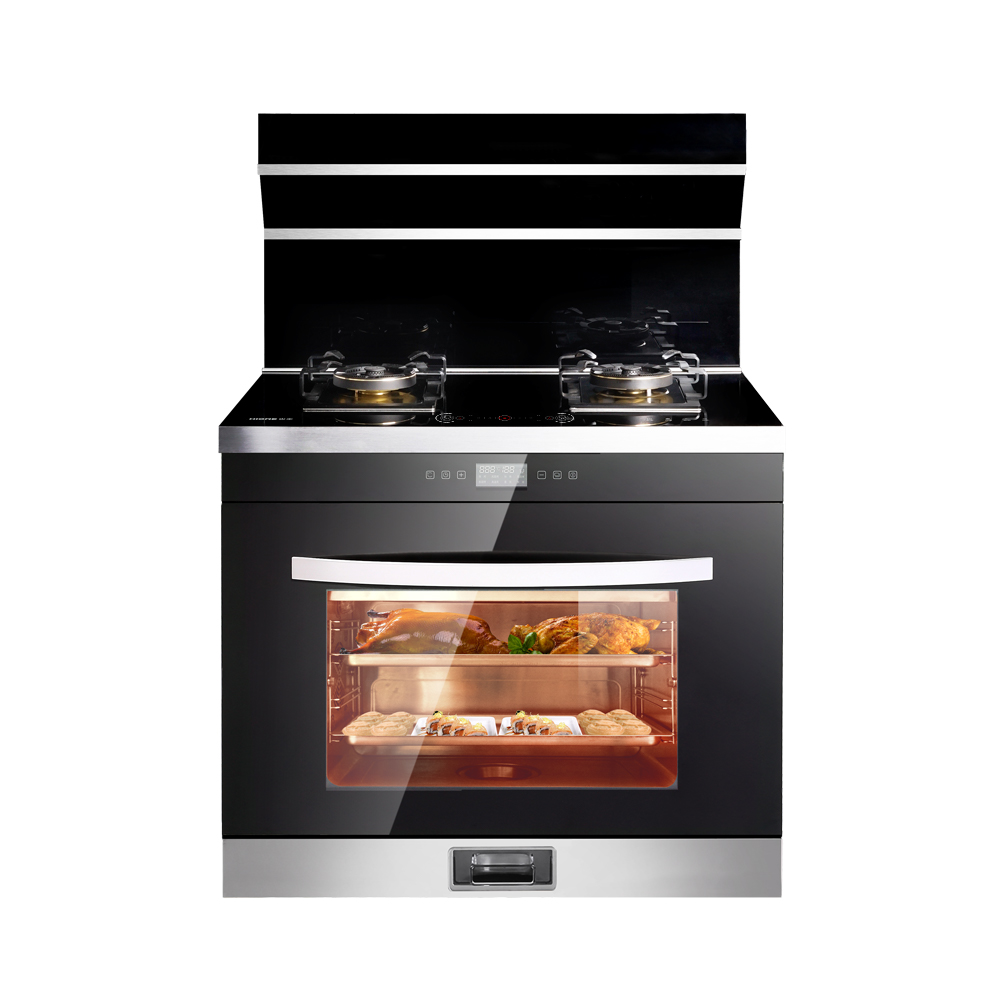
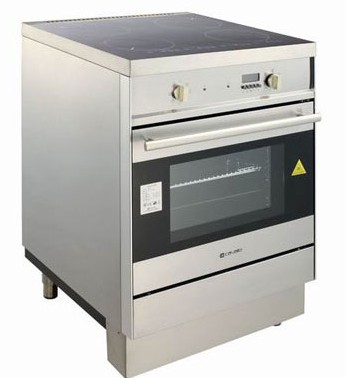
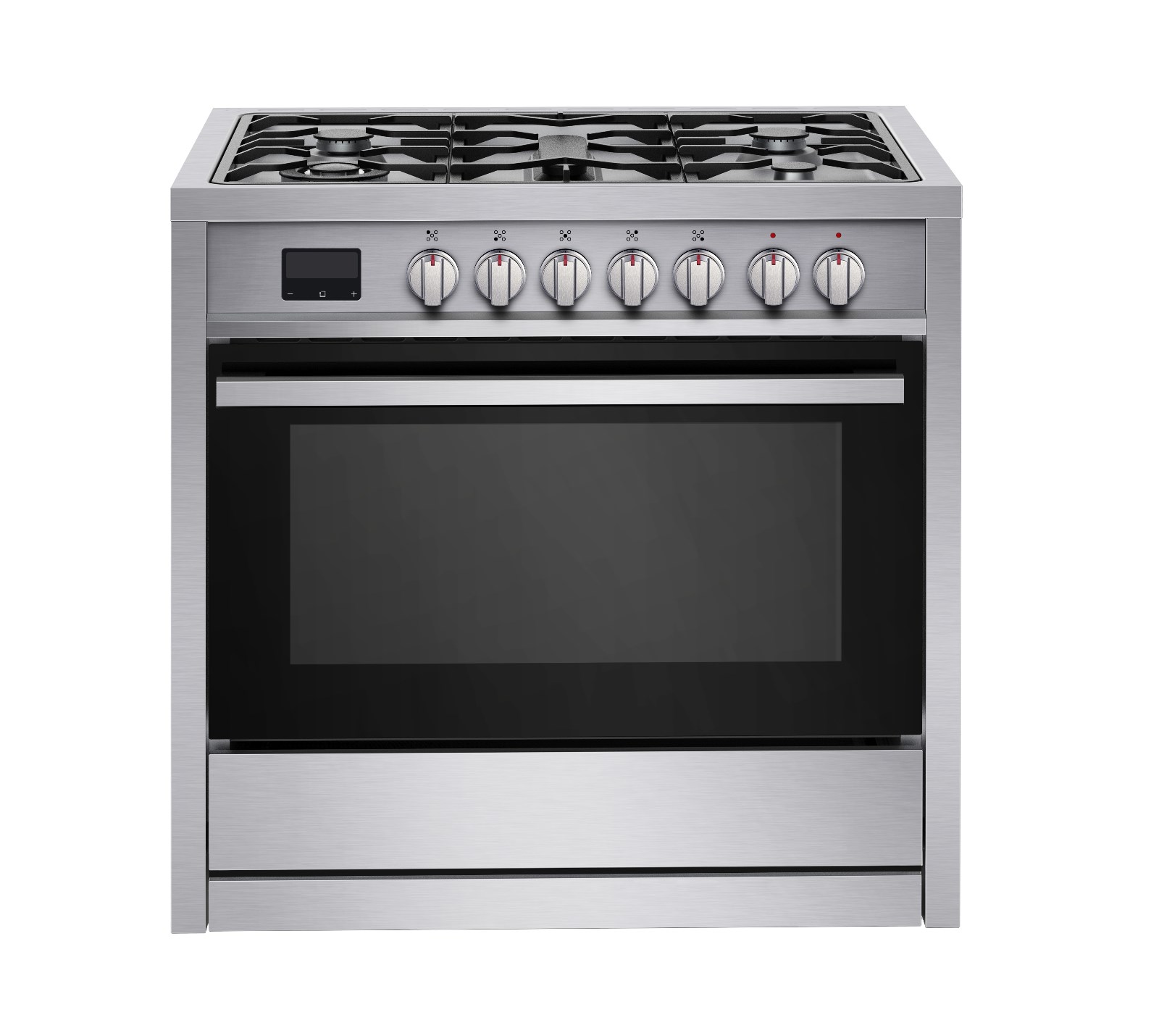
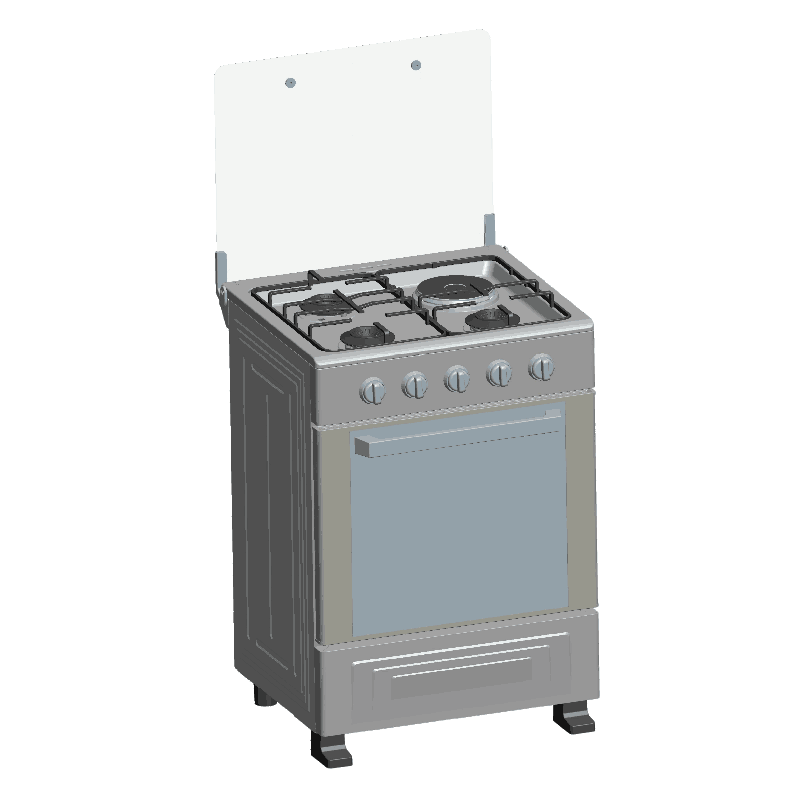
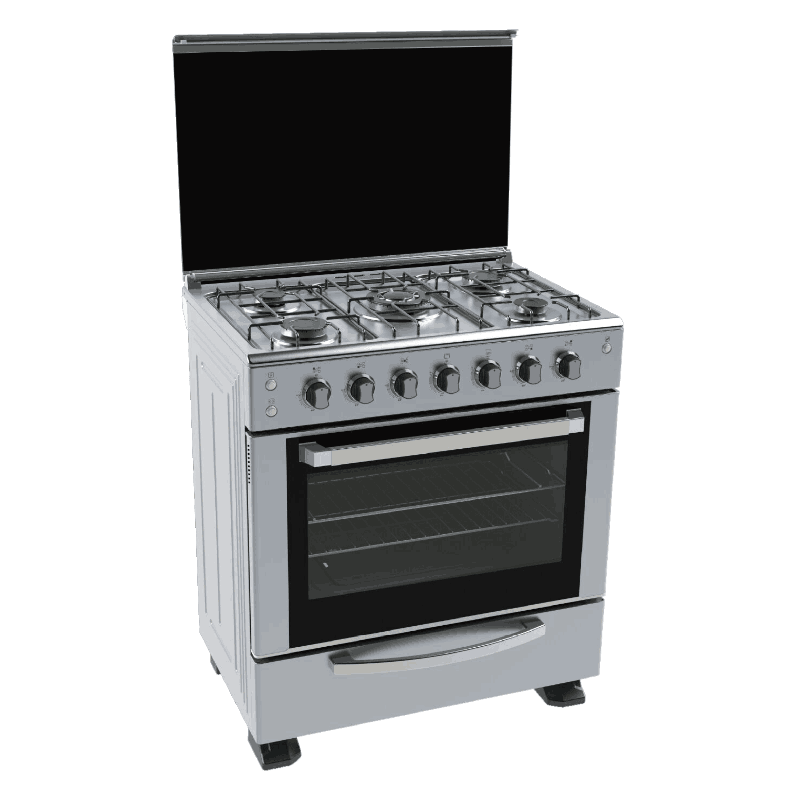
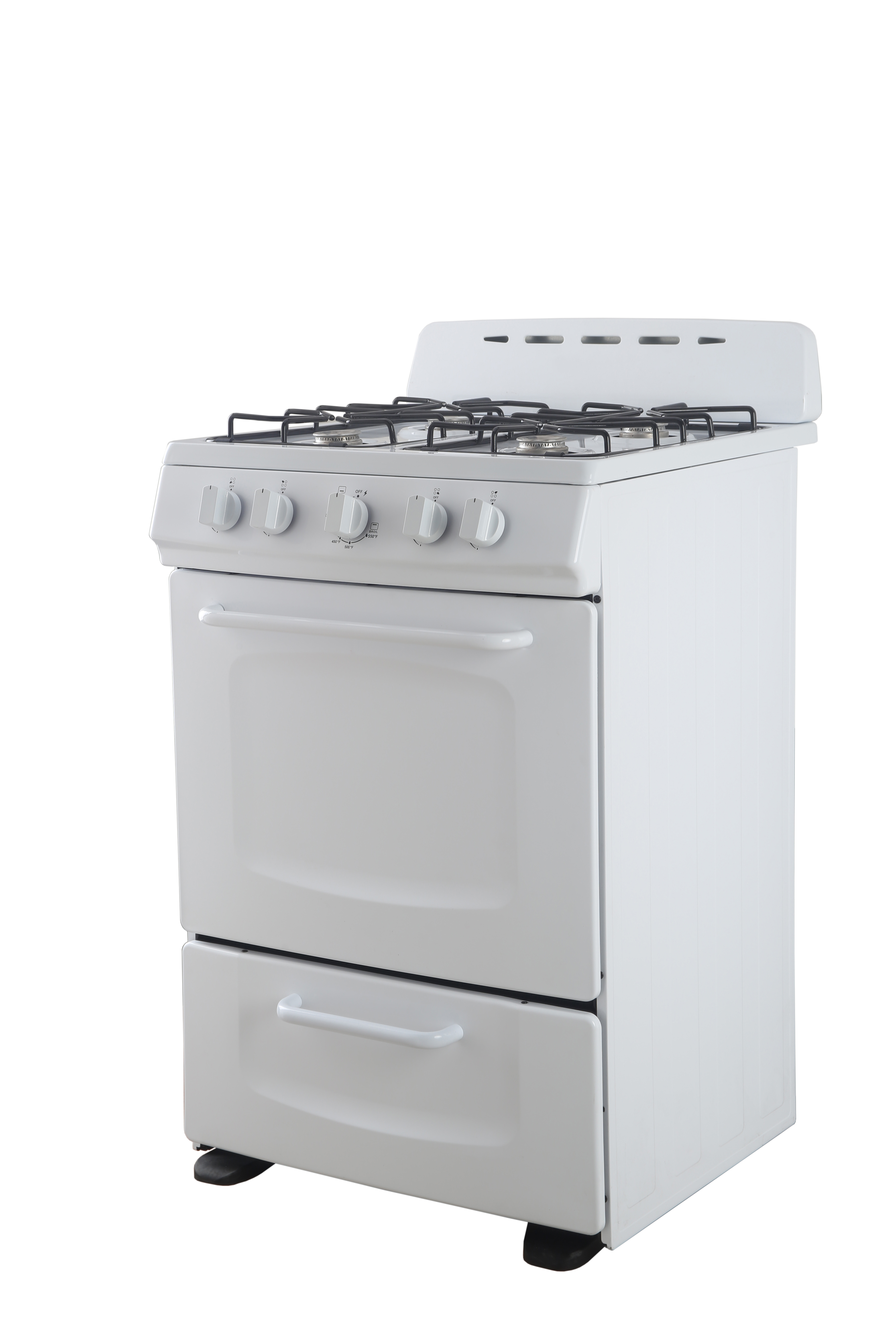
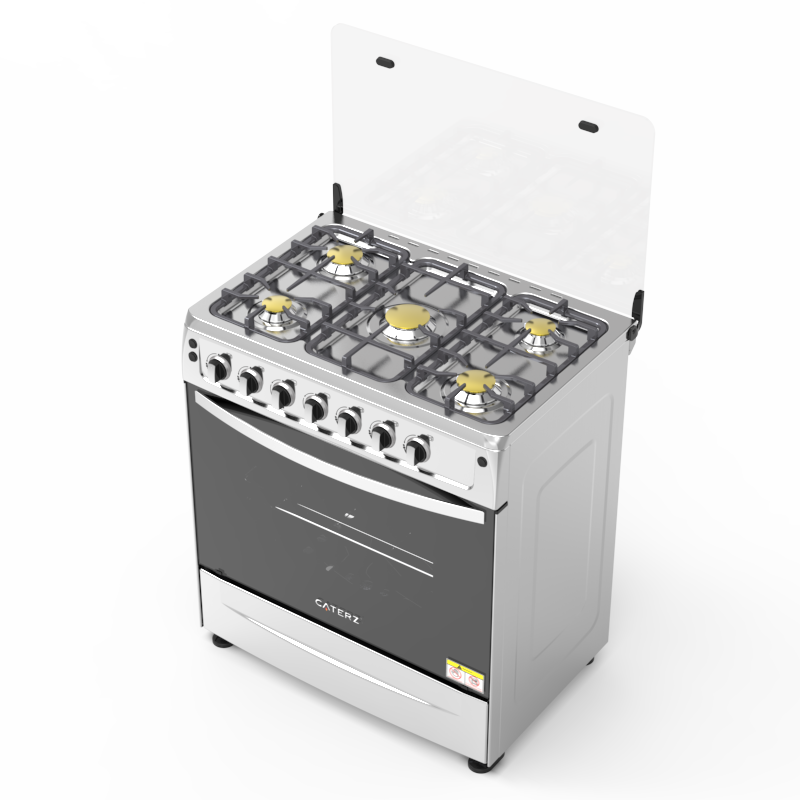
Source high-quality freestanding and slide-in ranges from vetted suppliers and manufacturers in China. Designed for importers, appliance wholesalers, distributors, and brands seeking reliable OEM or private-label production. Secure competitive bulk pricing on gas, electric, and induction models built to global compliance standards.
Sourcing major kitchen ranges in bulk requires navigating a complex matrix of thermal engineering, electrical safety, and cosmetic finishing. For importers and private-label brands, success depends on partnering with assembly lines that maintain strict component traceability and rigorous end-of-line testing. A minor defect in a gas valve or oven insulation can lead to catastrophic failures in the field, making supplier selection the most critical phase of your procurement cycle.
Critical Specifications & Component Selection
When negotiating with manufacturers—primarily clustered in the Guangdong appliance hubs of Shunde and Zhongshan—you must dictate the bill of materials (BOM) down to the component level. Relying on a factory's "standard export specification" often results in mismatched components that fail to meet Western market expectations.
| Component Area | Mid-Market OEM | Premium / Pro-Style OEM |
|---|---|---|
| Chassis & Fascia | 430 Stainless Steel (0.6mm - 0.8mm) | 304 Stainless Steel (0.8mm - 1.2mm) |
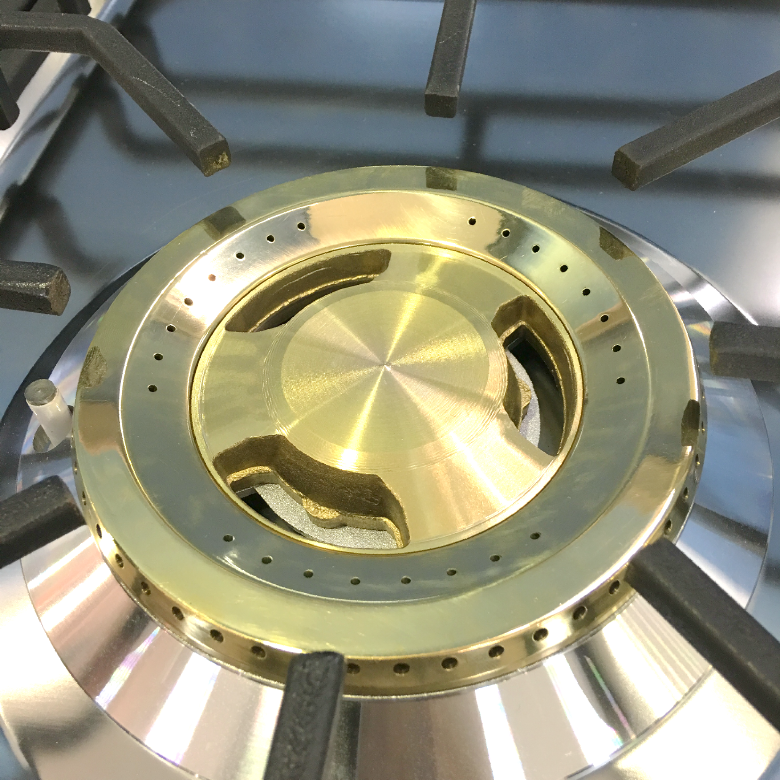
| Gas Burners & Valves | High-tier domestic brass | Imported European (e.g., Sabaf, Defendi) |
| Oven Cavity Finish | Standard single-coat enamel | Direct-on blue/black porcelain enamel |
| Insulation | Standard fiberglass batts | High-density fiberglass with foil backing |
For brands developing custom product lines, utilizing professional OEM/ODM Services ensures that your specific tooling for knobs, grates, and control panels is protected and manufactured to exact tolerances.
Need help standardizing your BOM and finding a factory capable of premium range assembly? We can vet suppliers and negotiate specifications on your behalf.
Talk to our teamManufacturing Quality & Factory Floor Realities
The difference between a reliable appliance and a costly liability is determined on the factory floor. Assembly lines for ranges must balance heavy sheet metal fabrication with delicate electronic and gas routing.
During production, quality is won or lost in the testing protocols. You cannot assume a factory performs 100 percent inline testing unless you verify their standard operating procedures. Conducting thorough Factory Audits before placing a deposit is non-negotiable for major appliances.
Mandatory Inline Testing Protocols to Verify
- 100 percent gas leak detection (using helium or pressure decay methods, not just soap solutions).
- Hi-pot (high potential) and ground bond testing for all electric and dual-fuel models.
- Thermal imaging or thermocouple testing to verify oven door exterior temperatures remain within safe limits.
- Enamel adhesion and impact testing to ensure the cavity will not flake under high heat.
- Door hinge cycle testing (minimum 30,000 cycles) to verify spring tension longevity.
Compliance, Certification, and Market Entry
Importing ranges into strictly regulated markets like North America, Europe, or Australia requires flawless compliance documentation. A common pitfall is sourcing a range where the factory holds a CE mark for the overall unit, but the specific gas valves used in your batch lack the required CSA or UL component-level certifications.
If you are modifying an existing OEM design (such as changing the burner layout or electrical control board), the unit will likely require re-certification. Engaging expert Compliance & Testing support early in the sourcing process prevents shipments from being held at customs or rejected by distributors.
MOQs, Lead Times, and Pricing Drivers
Because ranges are large, heavy items, procurement is almost entirely dictated by container yields. Shipping less than a full container load (LCL) is rarely cost-effective due to high freight costs and the increased risk of transit damage.
Pricing is highly volatile and tied to the global commodities market, specifically stainless steel, copper (for wiring and induction coils), and cast iron (for grates). When negotiating pricing, ensure your contracts specify the exact gauge and grade of steel, as this is the first place a factory will attempt to cut costs if raw material prices spike.
Managing supplier negotiations, compliance, and quality control for major appliances is complex. Let our on-the-ground experts secure your supply chain.
Get a free consultationBuyer FAQ
Successful range procurement requires constant vigilance over the bill of materials and factory assembly practices. By implementing robust Quality Control & Inspection procedures at every stage of production, you can eliminate defective units before they ever leave the factory floor, protecting your brand's reputation and bottom line.
Get Sourcing Help for Ranges
Tell us your requirements and our experts will connect you with verified manufacturers.