Range Parts
Source high-quality range parts directly from vetted manufacturers and wholesale suppliers. Designed for importers, distributors, and OEM brands buying in bulk, our catalog includes durable components for both gas and electric ranges built to meet strict safety and performance standards for your target market.
Sourcing range parts requires balancing thermal resilience, strict safety compliance, and cost-effective volume production. Whether you are procuring replacement parts for aftermarket distribution or custom components for OEM assembly, the margin for error is zero. A failed igniter, a leaking gas valve, or a poorly insulated heating element doesn't just cause a product return; it creates a severe safety liability. Success in this category demands working with manufacturers who possess specialized tooling and stringent in-house testing capabilities.
Critical Specifications and Material Selection
The longevity of a range part is dictated entirely by its material composition and its ability to withstand extreme, repeated thermal cycling. When negotiating with suppliers, vague specifications will result in cost-cutting on raw materials.
| Component Type | Critical Material Specs | Key Manufacturing Focus |
|---|---|---|
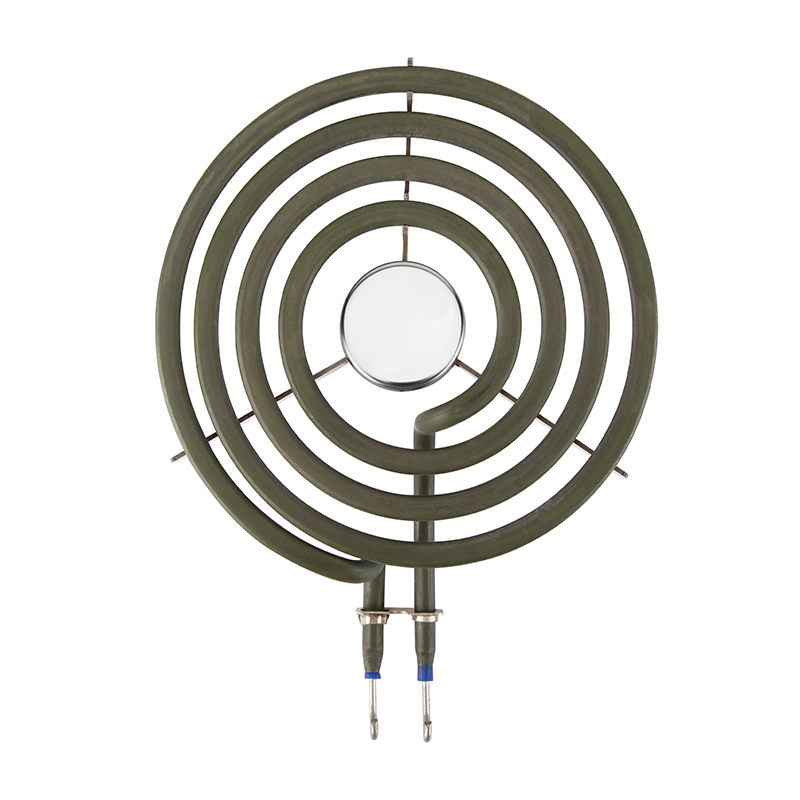
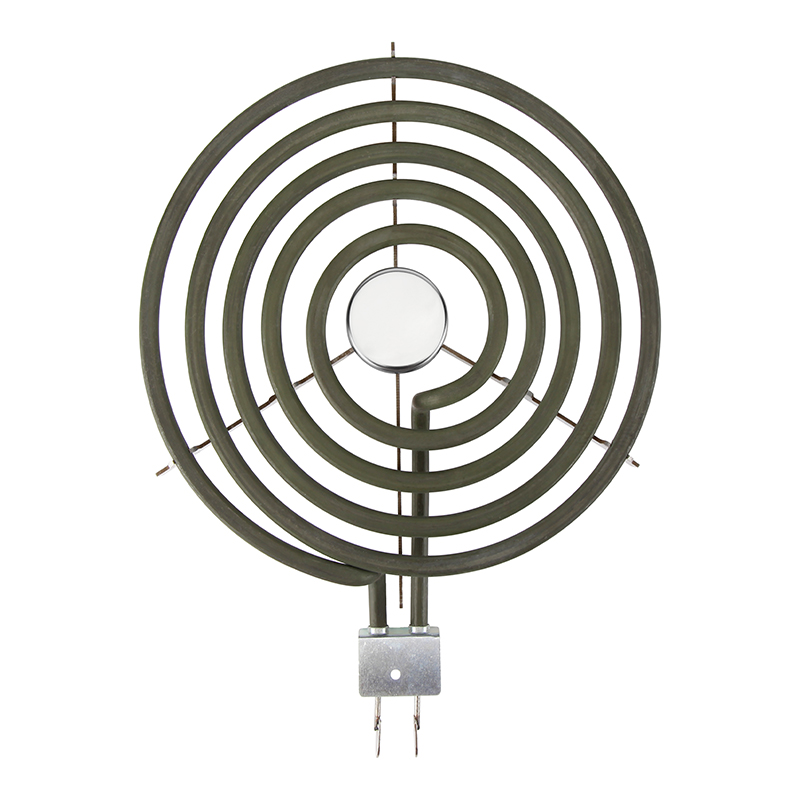
| Electric Heating Elements | Incoloy 800/840 sheathing, 80/20 Nichrome wire, high-purity MgO insulation | Uniform wire winding and precise swaging to prevent hot spots |
| Gas Burners & Valves | Die-cast aluminum or forged brass valves; enamel-coated cast iron grates | Machining tolerances for gas flow; high-temp enamel adhesion |
| Control Boards (PCBs) | High-temp FR4 substrate, conformal coating, high-cycle relays | Solder joint integrity under thermal expansion and contraction |
| Igniters | Silicon carbide or silicon nitride elements, high-temp PTFE lead wires | Resistance stability and mechanical shock resistance |
For electric elements, the purity of the Magnesium Oxide (MgO) powder used as insulation is paramount; impurities will cause dielectric breakdown and short circuits. For gas components, the alloy composition dictates whether a valve will warp or seize after prolonged exposure to heat.
Navigating supplier capabilities for high-heat appliance components? We verify factory tooling, material sourcing, and compliance track records before you commit to production.
Talk to our teamFactory Floor Realities: Quality Control & Testing
Not all appliance part factories are created equal. The best suppliers integrate automated testing directly into their assembly lines. If a factory relies solely on manual, end-of-line spot checks, batch consistency will suffer.
Conducting thorough Factory Audits is essential to verify that a supplier has the necessary ISO 9001 certifications and the specific testing equipment required for range components.
Essential In-Line Testing Requirements
- Hi-Pot (Dielectric Withstand) Testing: Mandatory for all electric heating elements and control boards to ensure insulation integrity.
- Mass Spectrometer Leak Testing: Required for gas valves and manifolds to detect micro-leaks under pressure.
- Thermal Cycling Chambers: For control boards and igniters to simulate years of rapid heating and cooling.
- Salt Spray Testing: Crucial for evaluating the corrosion resistance of enamel grates and exterior trim parts.
Catching defects before they leave the factory is critical. Executing rigorous Quality Control & Inspection protocols—including pre-shipment inspections focusing on dimensional tolerances and electrical safety—prevents non-compliant parts from entering your supply chain.
Compliance and Regulatory Standards
Range parts are heavily regulated. Importing non-compliant parts can result in customs seizures or catastrophic liability. Your supplier must be able to manufacture to the standards of your target market, which typically include:
- North America: UL 858 (Household Electric Ranges), ANSI Z21.1 (Household Cooking Gas Appliances), and CSA equivalents.
- Europe: CE marking, RoHS compliance for electronic components, and specific EN standards for gas appliances.
Navigating Compliance & Testing requires working with factories that maintain updated technical files and have existing relationships with recognized testing laboratories (like Intertek, TÜV, or UL). Do not accept generic "CE" marks without verifying the underlying test reports for the specific component.
Buying Mechanics: MOQs, Pricing, and Lead Times
Volume and customization dictate the commercial terms in this category. Standard aftermarket parts often utilize open molds, keeping initial costs low, whereas proprietary OEM designs require significant tooling investment.
When engaging in OEM/ODM Services for custom grates, manifolds, or control interfaces, tooling ownership must be explicitly negotiated upfront. Ensure your contract clearly states that you own the molds upon completion of payment, preventing the factory from selling your proprietary designs to competitors.
Need to negotiate tooling costs and production schedules for custom range parts? Let us handle the factory negotiations and supply chain logistics.
Get a free consultationFrequently Asked Questions
Sourcing reliable range parts is an exercise in risk management. By establishing rigid material specifications, demanding comprehensive in-line testing, and verifying factory compliance capabilities, you can secure high-quality components that perform safely under extreme conditions.
Get Sourcing Help for Range Parts
Tell us your requirements and our experts will connect you with verified manufacturers.