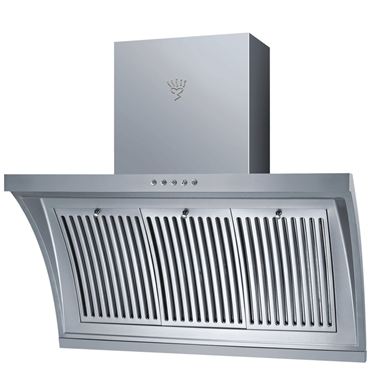
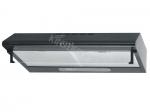
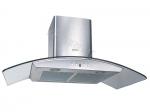
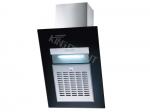
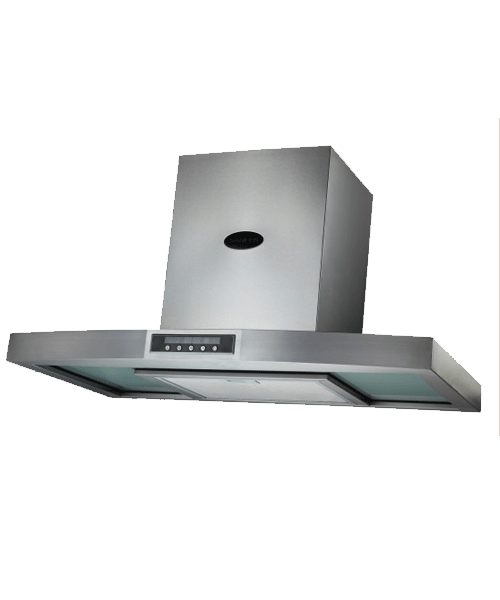
Range Hoods
Source commercial-grade and residential range hoods directly from vetted Chinese manufacturers and suppliers. Designed for importers, wholesalers, distributors, and appliance brands requiring reliable OEM and ODM production, strict quality control, and scalable manufacturing for high-volume orders.
Sourcing range hoods in volume requires balancing airflow performance, acoustic engineering, and flawless aesthetic finishes. For major kitchen appliances, the margin for error in motor balancing and sheet metal fabrication is practically zero. A poorly balanced impeller or a housing made from steel that is too thin will result in resonance, vibration, and unacceptable noise levels, directly impacting brand reputation and return rates.
Core Specifications and Performance Metrics
When specifying range hoods with a factory, the core components dictate both the cost and the target market tier. The most critical decisions revolve around the blower motor, the housing material, and the filtration system.
- Motor Technology: Traditional AC motors are standard for entry-level and mid-tier models. However, premium models increasingly utilize Brushless DC (BLDC) motors. BLDC motors offer variable speed control, higher energy efficiency, and significantly lower noise profiles, especially at lower RPMs.
- Airflow (CFM/CMH): Extraction power is typically measured in Cubic Feet per Minute (CFM) or Cubic Meters per Hour (CMH). Target specifications usually range from 400 CFM for standard residential units to over 1000 CFM for pro-style or commercial hoods.
- Housing Material: The industry standard is 430-grade stainless steel for indoor residential use, while 304-grade is reserved for premium or outdoor/BBQ hoods due to its superior corrosion resistance. Steel thickness is critical; anything under 0.7mm is prone to vibration. Premium units utilize 0.8mm to 1.2mm gauge steel.
| Specification | Standard/Mid-Tier | Premium/Pro-Style |
|---|---|---|
| Motor Type | Single/Dual AC Motor | High-Efficiency BLDC |
| Steel Grade & Thickness | 430 Stainless (0.6mm - 0.7mm) | 304 or 430 Stainless (0.8mm - 1.2mm) |
| Filtration | Aluminum Mesh | Stainless Steel Baffle |
| Control Interface | Mechanical Push Button | Capacitive Touch / Gesture Control |
Need to verify a factory's motor assembly and balancing capabilities before placing an order?
Talk to our teamManufacturing Tolerances and Quality Control
The manufacturing process for range hoods involves heavy sheet metal stamping, laser cutting, welding, and assembly. Defects often originate in the metalworking phase. Poor welding leaves visible seams, while inaccurate stamping results in uneven gaps between the hood body and the chimney cover.
Because range hoods are highly visible focal points in a kitchen, aesthetic defects are just as critical as mechanical failures. Scratches on the stainless steel grain, inconsistent powder coating, or misaligned control panels are common issues when sourcing from lower-tier suppliers. Implementing rigorous Quality Control & Inspection during the assembly phase is essential to catch these issues before shipment.
Furthermore, motor balancing is paramount. Impellers must be dynamically balanced at the factory. If a supplier lacks an anechoic chamber or proper vibration testing equipment, they cannot reliably guarantee their decibel or sone ratings.
Critical QC Checks for Range Hood Production
- Dynamic balancing verification of the motor and impeller assembly.
- Decibel (dB) and Sone measurement at maximum RPM in a controlled acoustic environment.
- Visual inspection of stainless steel grain direction and weld seam finishing.
- Verification of steel thickness using digital calipers (ensuring no negative tolerance substitution).
- High-pot (dielectric withstand) testing for electrical safety.
Customization and OEM/ODM Production
Most competitive brands do not buy off-the-shelf designs. Utilizing OEM/ODM Services allows you to customize the aesthetic and functional aspects of the hood. This includes integrating smart home features (Wi-Fi connectivity, voice control), upgrading LED color temperatures (e.g., adjustable 3000K to 5000K), or designing proprietary gesture-control interfaces.
When modifying electrical components or adding smart modules, ensure the factory coordinates proper Compliance & Testing to maintain valid UL, ETL, or CE certifications, as electrical modifications often require re-certification.
Pricing Drivers, MOQs, and Lead Times
Unit costs are heavily influenced by the raw material index (specifically stainless steel and copper for motors) and the complexity of the control board.
Because range hoods have a large volumetric footprint, shipping air is a common pitfall. Optimizing the packaging design to maximize container density (e.g., nesting chimney stacks or optimizing the EPS foam footprint) directly impacts your landed cost per unit.
Looking to optimize your container loads and reduce landed costs for large appliances?
Get a free consultationFrequently Asked Questions
Successfully sourcing range hoods at scale means looking past the polished exterior and scrutinizing the factory's metal fabrication tolerances and acoustic testing capabilities. Partnering with experienced professionals ensures that your specifications translate into a reliable, high-performance appliance on the production floor.
Get Sourcing Help for Range Hoods
Tell us your requirements and our experts will connect you with verified manufacturers.