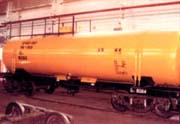
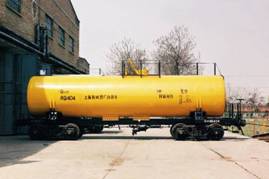
Rail Carriages
Source high-quality rail carriages from vetted manufacturers and suppliers. Designed for procurement managers, freight operators, and transit authorities, our network provides bulk purchasing and OEM production of rolling stock to meet strict international rail standards.
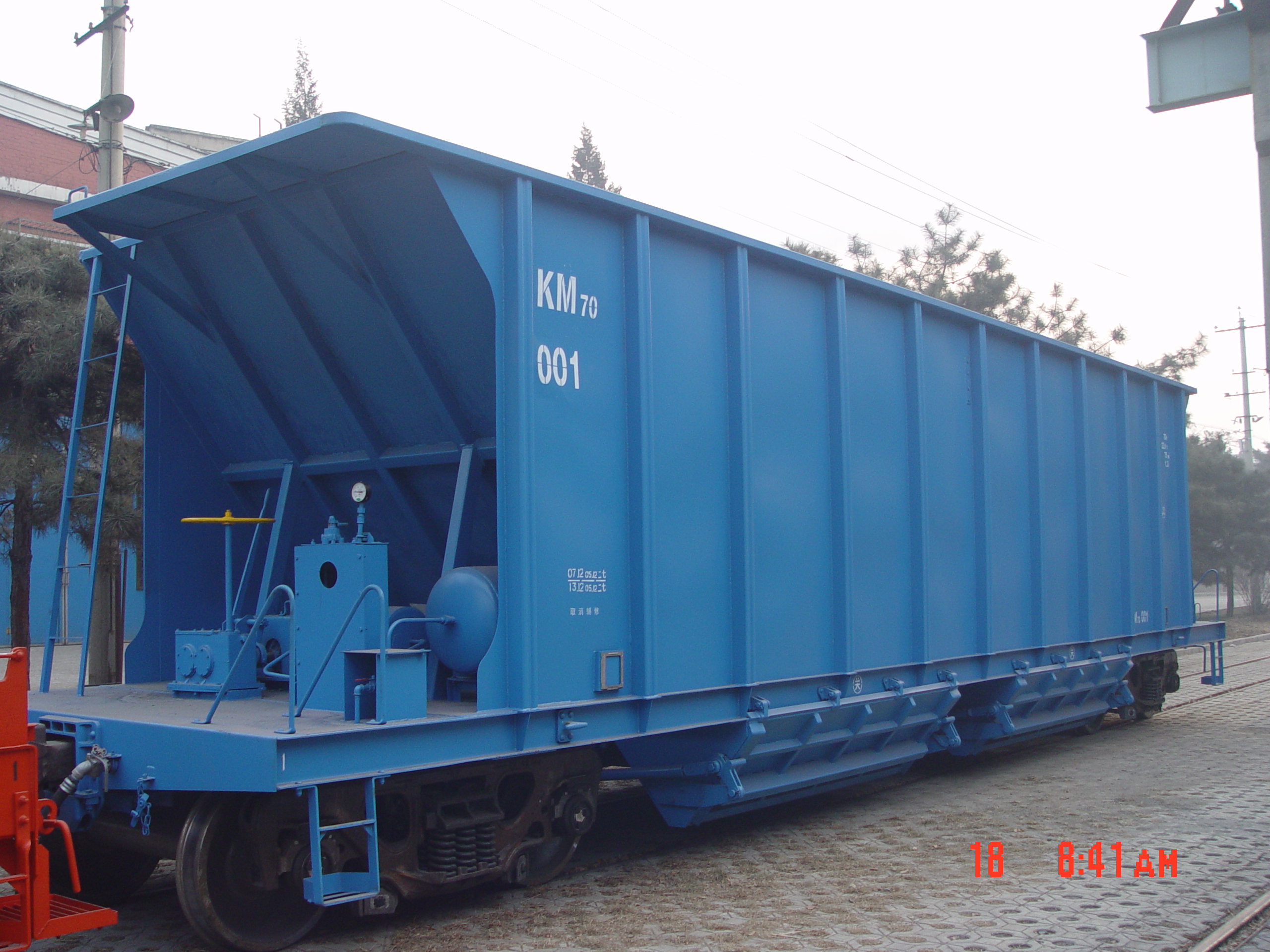
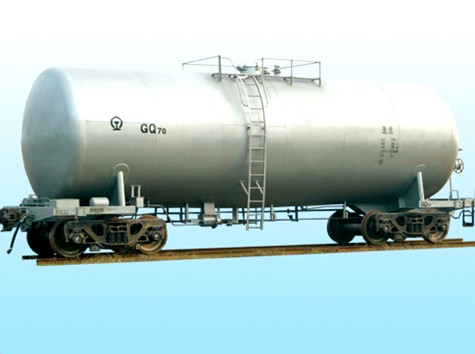
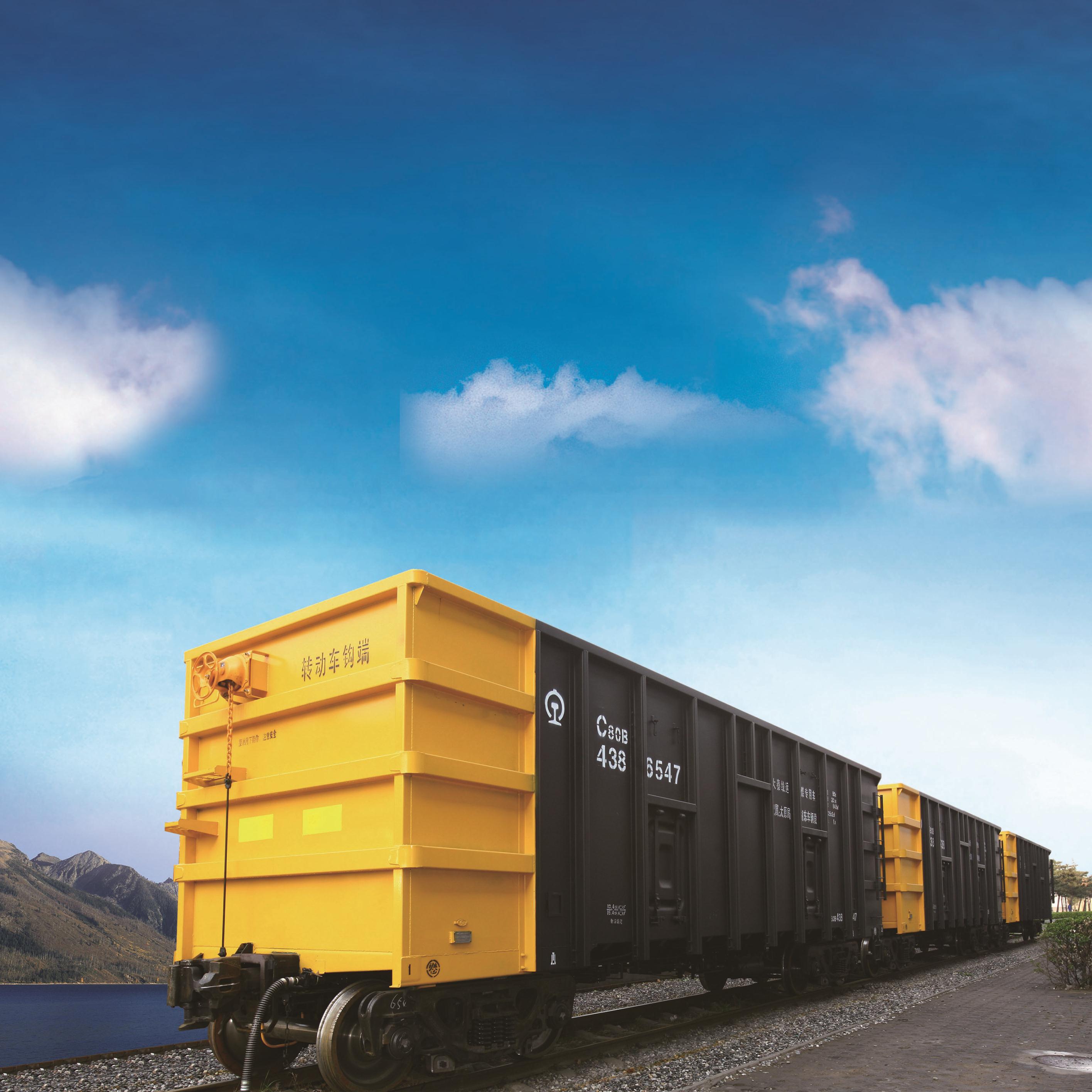
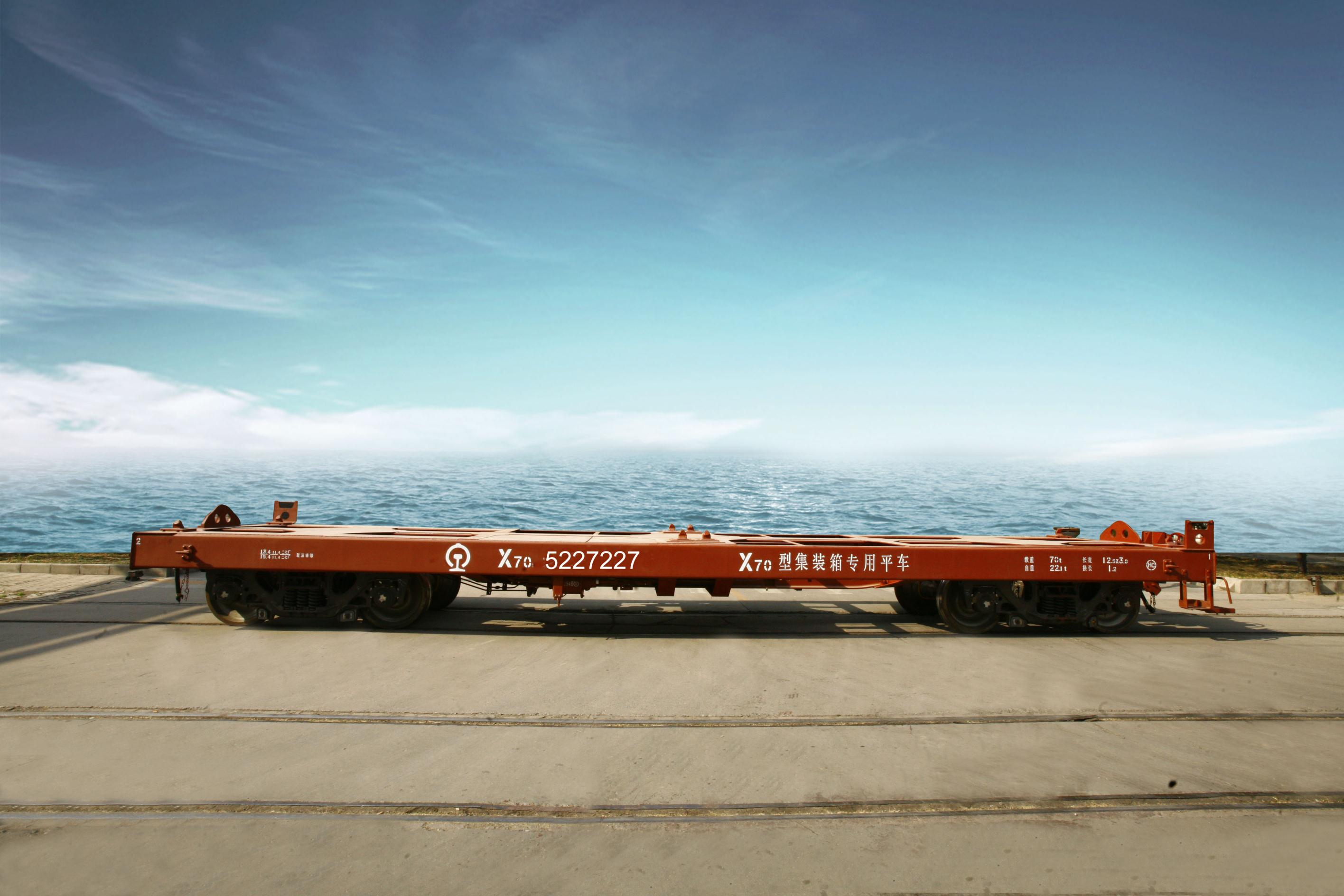
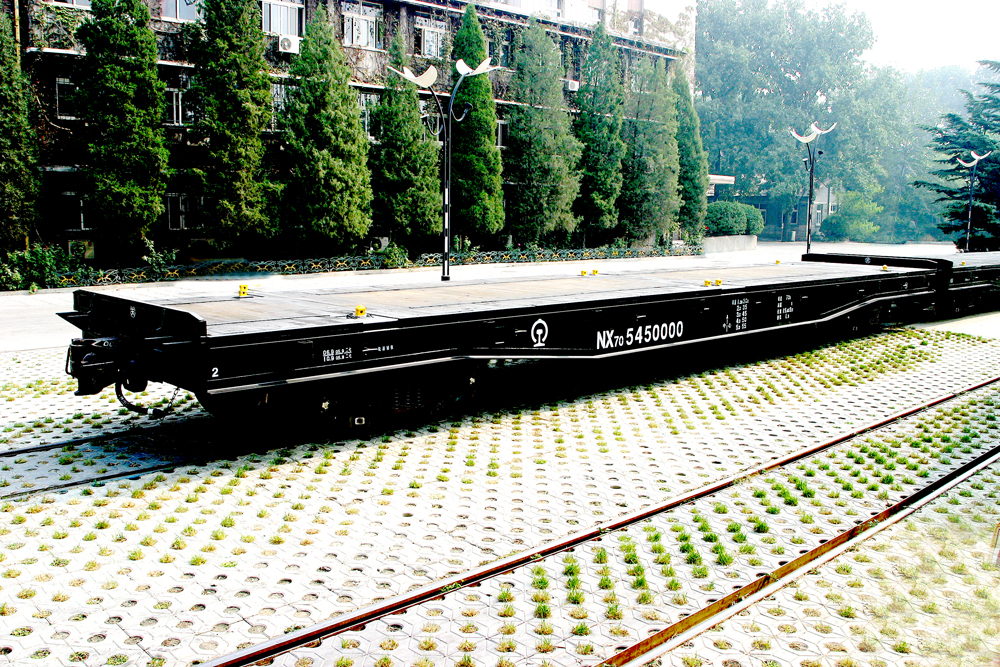
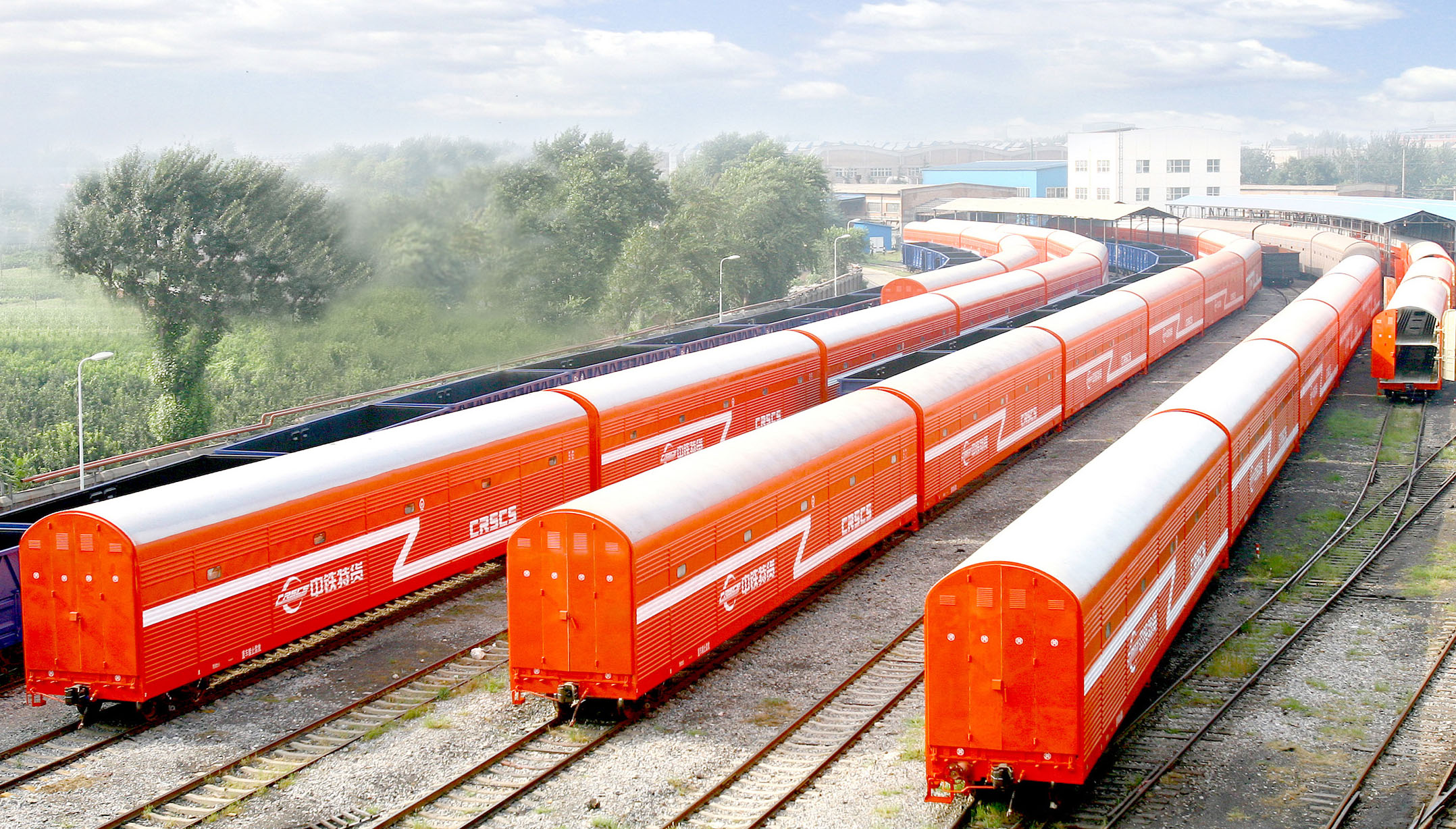
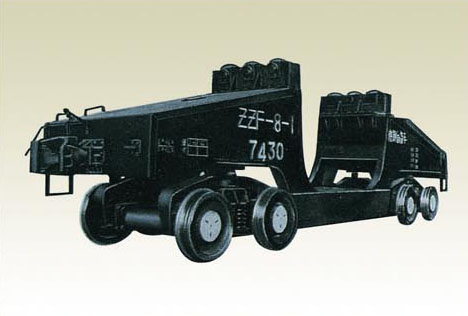
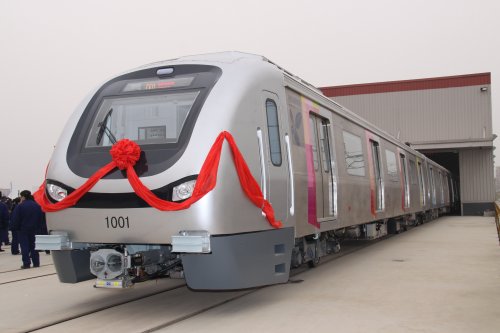
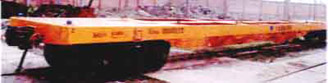
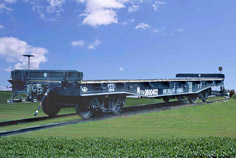
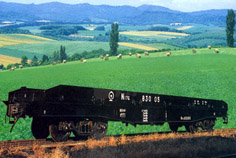
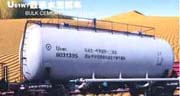
Sourcing rolling stock internationally requires balancing heavy manufacturing capabilities with rigid regional safety and interoperability standards. Procuring railway carriages—whether flatcars, hoppers, tank wagons, or passenger coaches—demands intense scrutiny of factory engineering, welding certifications, and component integration to ensure flawless operation on your specific network.
Core Specifications for Rolling Stock
Defining the technical parameters of a rail carriage early in the procurement cycle prevents costly redesigns. Asian manufacturers, particularly in China, operate some of the world's most advanced heavy rail fabrication facilities, but they require highly specific technical dossiers to adapt their production lines to your regional standards.
When evaluating supplier capabilities, focus on these primary engineering constraints:
- Track Gauge & Bogie Design: Carriages must be matched to the operational track gauge (Standard 1435mm, Broad, or Narrow gauges). The bogie (truck) design dictates the maximum axle load (typically 22.5 to 32 tonnes for freight) and maximum operational speed.
- Coupling & Draft Gear: Specify the exact coupling system required for interoperability with existing fleets, such as AAR standard knuckle couplers, UIC screw couplings, or Scharfenberg automatic couplers.
- Braking Systems: Pneumatic or electro-pneumatic braking systems must comply with regional pneumatic standards (e.g., Knorr-Bremse compatible systems, UIC or AAR compliant air brakes).
- Material Selection: Freight wagons often utilize high-yield weathering steel (Corten) for longevity in harsh environments, while modern passenger carriages rely on extruded aluminum or stainless steel shells to reduce tare weight.
Need help aligning your technical requirements with the right heavy manufacturing facility? Our engineering team can review your specifications and match you with capable production lines.
Discuss your specificationsManufacturing Tolerances and Quality Control
The structural integrity of a rail carriage is won or lost in the fabrication and welding stages. Because these vehicles endure immense dynamic loads and fatigue cycles over a 30 to 40-year lifespan, standard quality checks are insufficient.
You must verify that the facility holds the necessary international certifications, such as EN 15085 for welding of railway vehicles and components. Engaging in comprehensive factory audits before contract signing is mandatory to assess their heavy machining capabilities, non-destructive testing (NDT) facilities, and worker certifications.
Critical In-Production Inspections
- Ultrasonic and radiographic testing (NDT) of critical load-bearing welds.
- Bogie frame dimensional inspection and fatigue testing validation.
- Brake system pneumatic pressure retention and leakage tests.
- Surface treatment and anti-corrosion coating thickness verification.
- Static load testing of the assembled carbody.
If you are developing specialized rolling stock for specific industrial applications, utilizing OEM/ODM services allows you to customize hopper discharge mechanisms, tank car linings, or flatcar tie-down points directly with the factory's engineering team.
Navigating Compliance and Homologation
A rail carriage cannot enter service without passing rigorous homologation processes for the destination country. Whether you require TSI compliance for the European Union, AAR certification for North America, or specific national rail authority approvals, the manufacturer must be capable of producing to these exact codes.
| Standard Framework | Primary Region | Focus Areas |
|---|---|---|
| AAR (Assoc. of American Railroads) | North America | Interchangeability, heavy axle loads, knuckle couplers |
| TSI (Technical Specs for Interoperability) | European Union | Cross-border interoperability, noise reduction, safety |
| UIC (Intl. Union of Railways) | Global / Eurasia | Standardized braking, coupling, and testing parameters |
Partnering with facilities experienced in export markets reduces the friction of homologation. Implementing robust compliance testing protocols during the prototype phase ensures the first article meets all regulatory requirements before mass production begins.
Lead Times, Order Volumes, and Logistics
Procuring rail carriages is a capital-intensive, project-based endeavor. Minimum Order Quantities (MOQs) are generally low compared to standard consumer goods, often starting at 10 to 20 units for freight wagons, but the tooling and engineering setup costs are substantial.
The Challenge of Freight and Shipping
Transporting fully assembled rail carriages internationally is a complex logistical operation. Unlike standard containerized freight, rolling stock requires specialized heavy-lift breakbulk vessels or Roll-on/Roll-off (Ro-Ro) ships equipped with rail tracks on their decks.
Alternatively, carriages can be shipped as Completely Knocked Down (CKD) or Semi Knocked Down (SKD) kits for final assembly in the destination country. This approach significantly reduces shipping volume and can satisfy local manufacturing or content requirements. Coordinating this requires expert shipping and freight management to handle oversized cargo permits, port handling, and inland transport to the railhead.
Planning a heavy-lift shipment? We can help you evaluate the total landed cost of fully assembled delivery versus SKD/CKD shipping strategies.
Talk to our logistics teamSuccessfully sourcing rail carriages requires treating the procurement process as a major engineering project rather than a simple transaction. By enforcing strict quality gates from raw material selection through to final dynamic testing, buyers can secure reliable, compliant rolling stock that delivers decades of service.
Get Sourcing Help for Rail Carriages
Tell us your requirements and our experts will connect you with verified manufacturers.