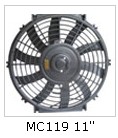
Radiator Fans
Source premium radiator fans from vetted manufacturers and suppliers in China and Asia. Designed for automotive aftermarket distributors, wholesalers, and brands requiring reliable OEM/ODM production. Secure competitive bulk pricing and ensure compliance with global automotive quality standards.
Sourcing automotive radiator fans at scale requires navigating a complex matrix of motor reliability, aerodynamic efficiency, and strict dimensional tolerances. Whether you are supplying the replacement aftermarket or developing a proprietary high-performance cooling system, a fan failure is a catastrophic engine event. Selecting the right manufacturing partner is critical to ensuring consistent thermal management and drop-in fitment across thousands of units.
Critical Specifications and Aerodynamic Design
When evaluating a manufacturer's technical capabilities, standard airflow metrics like CFM (Cubic Feet per Minute) only tell part of the story. Buyers must also account for static pressure, blade geometry, and the motor's sustained thermal performance under load.
- Blade Geometry: Curved blades offer quieter operation and are typical in passenger vehicle applications, while straight blades generate higher static pressure, making them suitable for heavy-duty or thick-core radiators where air resistance is significant.
- Material Composition: Shrouds and blades are typically injection-molded from Glass-Filled Nylon (PA66-GF30). Ensure the factory uses virgin materials rather than high percentages of regrind, which can become brittle under extreme engine bay temperatures.
- Current Draw and Startup Surge: High-performance fans can draw upwards of 30 amps on startup. Specifications must clearly define the maximum continuous current and startup surge to ensure compatibility with standard automotive relays and wiring harnesses.
| Motor Technology | Typical Lifespan | Efficiency / Control | Primary Application |
|---|---|---|---|
| Brushed DC | 2,000 to 4,000 hours | Standard (On/Off relay) | General Aftermarket Replacement |
| Brushless DC (BLDC) | Over 10,000 hours | High (PWM variable speed) | Performance, Heavy Duty, EVs |
Struggling to find a supplier capable of producing true PWM-controlled BLDC radiator fans? Let us match you with a vetted manufacturer.
Get a free consultationManufacturing Tolerances and Quality Control
The most common point of failure in imported radiator fans is premature motor bearing wear caused by improper dynamic balancing. Even slight imbalances in the blade assembly will induce high-frequency vibrations that destroy the motor from the inside out.
To mitigate this, sophisticated factories utilize automated dynamic balancing machines. Small metal clips are added to the blade edges, or material is carefully shaved away, to achieve a zero-balance state before the fan is mated to the shroud.
Critical Factory QC Checkpoints
- Dynamic balancing verification (vibration testing under maximum RPM).
- Motor winding inspection (verifying 100 percent copper wire, rejecting Copper-Clad Aluminum/CCA).
- High-pot (high potential) testing for electrical insulation integrity.
- Thermal cycling tests to simulate engine bay extremes (typically -40°C to 125°C).
- Ingress Protection (IP) verification, ensuring IP68 ratings for motors exposed to road spray.
Implementing rigorous Quality Control & Inspection protocols before shipment is non-negotiable. Catching an out-of-balance batch at the factory saves you from catastrophic warranty claim rates downstream.
Customization and Tooling
For brands building a private-label catalog, off-the-shelf designs often require modification to match OEM mounting points or electrical connectors. Utilizing OEM/ODM Services allows you to develop custom shrouds that integrate seamlessly with specific radiator cores.
When negotiating custom tooling for a shroud or blade assembly, clarify who owns the mold upon completion. High-quality steel molds for large injection-molded shrouds are a significant upfront investment, and you must ensure the contract explicitly grants you ownership of the intellectual property and the physical tooling.
Typical Pricing, MOQs, and Lead Times
Radiator fan pricing is heavily influenced by raw material costs—specifically copper for the motor windings and petroleum-based plastics for the shrouds.
Suppliers offering prices significantly below market average are almost certainly substituting copper windings with CCA (Copper-Clad Aluminum) or using low-grade recycled plastics. Conducting thorough Factory Audits is the most effective way to verify a supplier's raw material sourcing and actual production capacity before transferring a deposit.
Need to consolidate multiple fan SKUs to meet factory MOQs? We can help structure your orders and negotiate favorable terms.
Talk to our teamFrequently Asked Questions
Securing a reliable supply chain for radiator fans means looking past the surface specifications and auditing the factory's approach to motor longevity and dynamic balancing. Partnering with a team that understands the nuances of automotive electrical manufacturing ensures your shipments meet both performance expectations and strict safety standards.
Get Sourcing Help for Radiator Fans
Tell us your requirements and our experts will connect you with verified manufacturers.