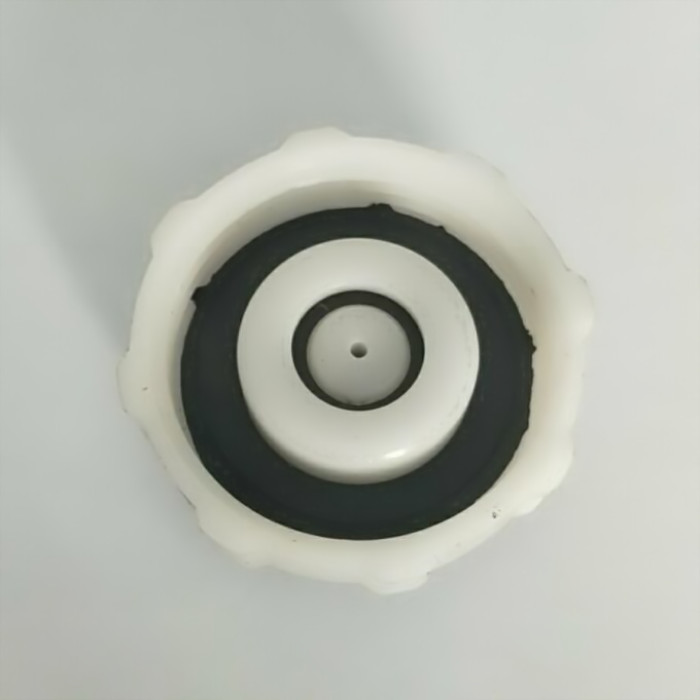
Radiator Caps
Source high-quality Radiator Caps from vetted manufacturers and suppliers in China and across Asia. Designed for auto parts importers, aftermarket wholesalers, distributors, and brands requiring OEM or private-label production, our network delivers precision-engineered cooling system components in bulk.
A radiator cap is not a simple lid; it is a precision two-way pressure-relief valve critical to the thermal management of internal combustion engines. By maintaining system pressure, the cap raises the boiling point of the coolant, while its vacuum valve allows coolant to return from the expansion tank as the engine cools. For bulk buyers, the primary sourcing challenge lies in ensuring consistent spring calibration and seal integrity across production runs of tens of thousands of units. A failure in either leads to engine overheating or collapsed hoses.
Critical Specifications for Bulk Sourcing
When engaging with manufacturers, your technical data pack must clearly define the operational parameters of the cap. Off-the-shelf options exist, but aftermarket brands often require specific material upgrades to differentiate their product line.
| Component | Standard Aftermarket | Premium / OEM Equivalent |
|---|---|---|
| Main Shell Material | Zinc-plated carbon steel | 304 Stainless Steel |
| Main Seal (Gasket) | Standard EPDM | High-temp Silicone |
| Spring Material | Carbon steel wire | Stainless steel spring wire |
| Pressure Tolerance | Plus/minus 0.15 bar | Plus/minus 0.05 bar |
Pressure Ratings and Calibration
The most critical specification is the pressure rating, typically expressed in bar, psi, or kPa (e.g., 0.9 bar, 1.1 bar, 1.3 bar, or 16 psi). The manufacturer must utilize automated spring coiling and calibration equipment to ensure the pressure valve opens exactly at the specified rating. Caps that open too early cause coolant loss; caps that open too late risk blowing radiator seams or heater cores.
Need to verify a factory's calibration equipment? Let us audit their production lines before you place an order.
Talk to our teamManufacturing Tolerances and Quality Control
The production of radiator caps involves metal stamping, spring manufacturing, rubber molding, and automated assembly. The difference between a reliable supplier and a high-risk one is often found in their end-of-line testing protocols.
To prevent catastrophic failures in the field, rigorous Quality Control & Inspection is non-negotiable. Do not rely solely on the factory's internal reporting; third-party verification is essential.
Essential Inspection Points for Radiator Caps
- 100 percent inline pressure testing: Every unit must be pneumatically tested for opening pressure.
- Vacuum valve operation: The center valve must hang open slightly or yield under minimal vacuum pressure to prevent hose collapse.
- Seal compression set: Rubber components must be tested for deformation after thermal cycling.
- Stamping burrs: Inspect the locking ears for sharp edges that could damage the radiator filler neck.
- Corrosion resistance: Salt spray testing (minimum 72 hours) for plated carbon steel components.
Thorough Factory Audits should confirm that the supplier has automated pressure testing rigs on the assembly line, rather than relying on batch sampling.
Sourcing Mechanics: MOQs, Pricing, and Customization
Radiator caps are high-volume, low-margin components. Understanding the baseline economics of the supply chain will help you negotiate effectively.
- Minimum Order Quantities (MOQs): For standard, unbranded caps using existing tooling, MOQs typically range from 1,000 to 2,000 pieces per SKU. If you require OEM/ODM Services for custom stamped logos on the shell, custom pressure ratings, or bespoke retail packaging, expect MOQs to rise to 3,000 to 5,000 pieces per SKU.
- Pricing Drivers: The shift from carbon steel to stainless steel, and from EPDM to silicone seals, are the primary cost drivers. Additionally, the inclusion of a pressure release lever (safety lever caps) adds mechanical complexity and assembly time, increasing the unit cost.
- Lead Times: Standard production runs generally take 30 to 45 days. However, if new tooling is required for a custom shell design or a proprietary neck fitment, add 20 to 30 days for mold development and sample approval.
Looking to consolidate your auto parts supply chain? We can negotiate MOQs and manage multi-factory production schedules.
Get a free consultationFrequently Asked Questions
Sourcing radiator caps requires a strict focus on metallurgical consistency and calibration accuracy. By partnering with suppliers who maintain rigorous end-of-line testing, you protect your brand from the high costs of aftermarket warranty claims and field failures.
Get Sourcing Help for Radiator Caps
Tell us your requirements and our experts will connect you with verified manufacturers.