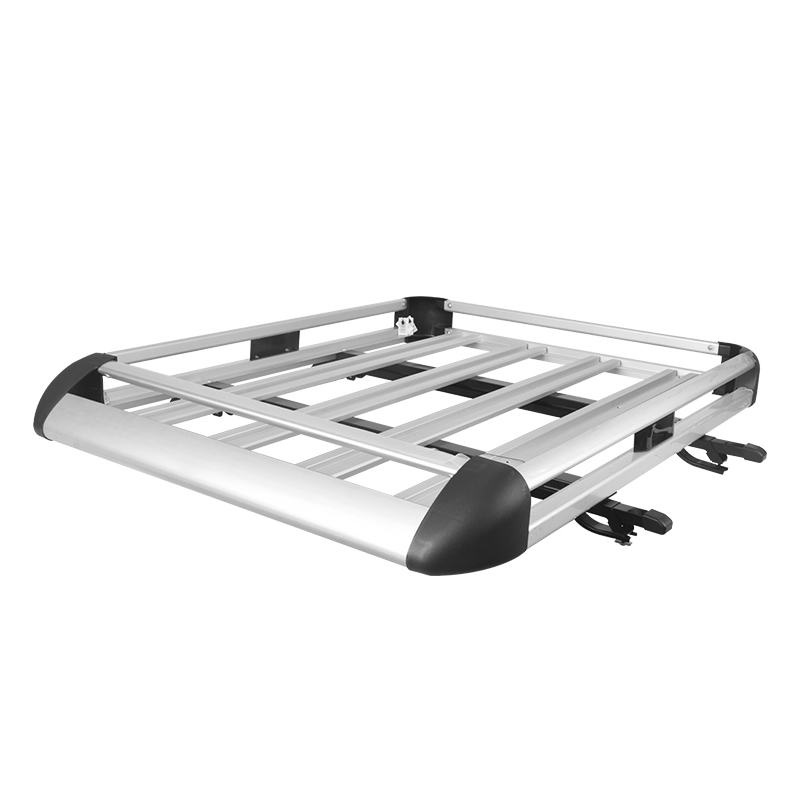
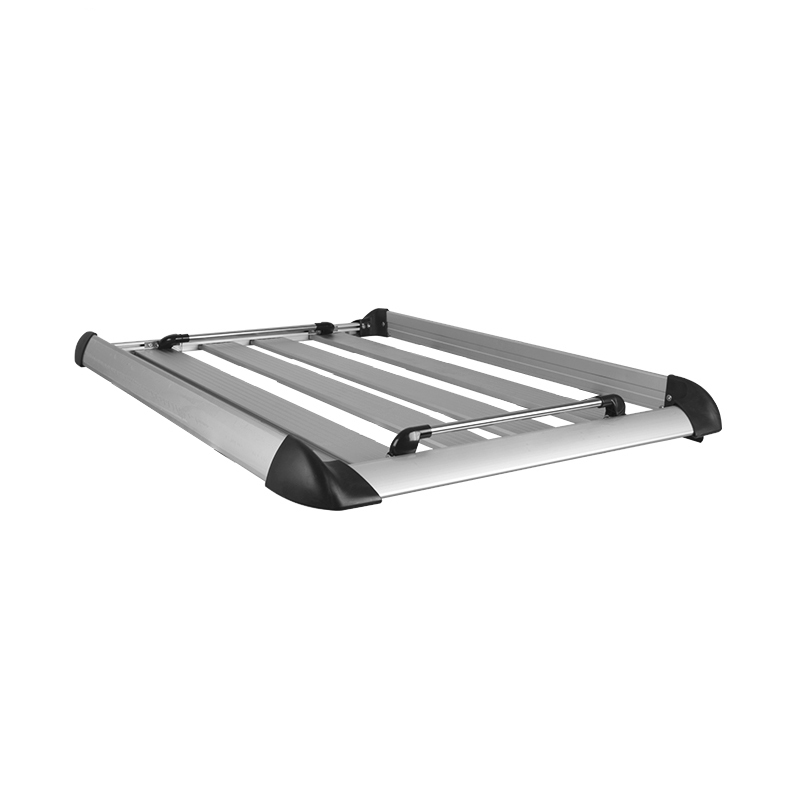
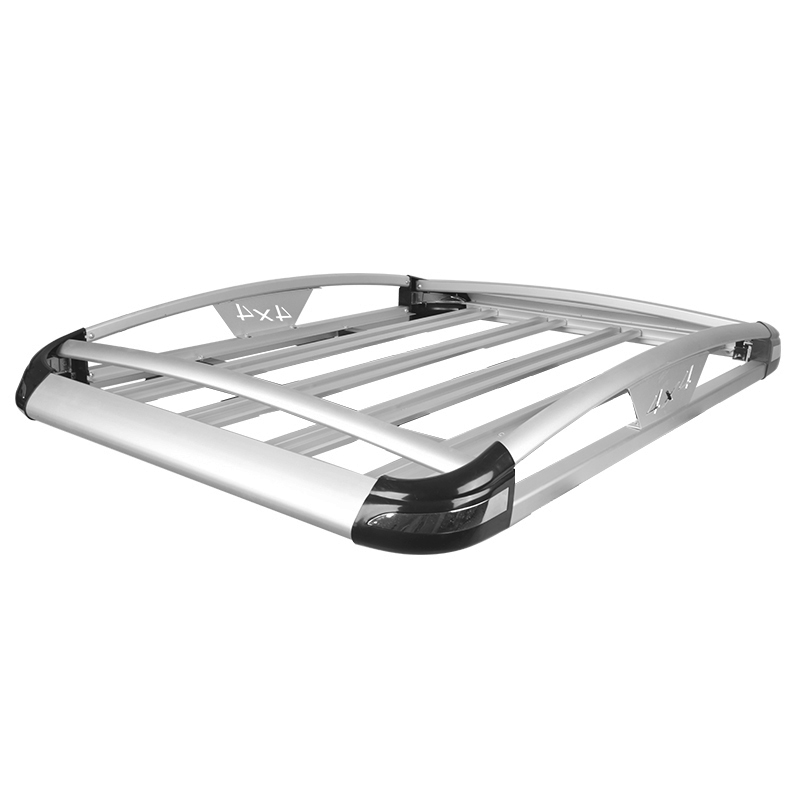
Rack Systems
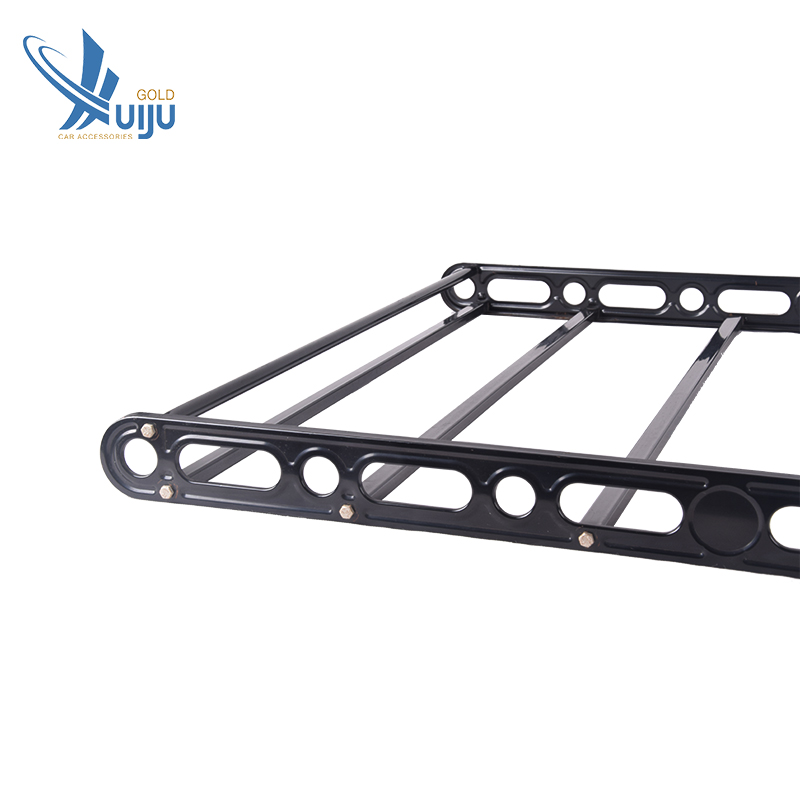
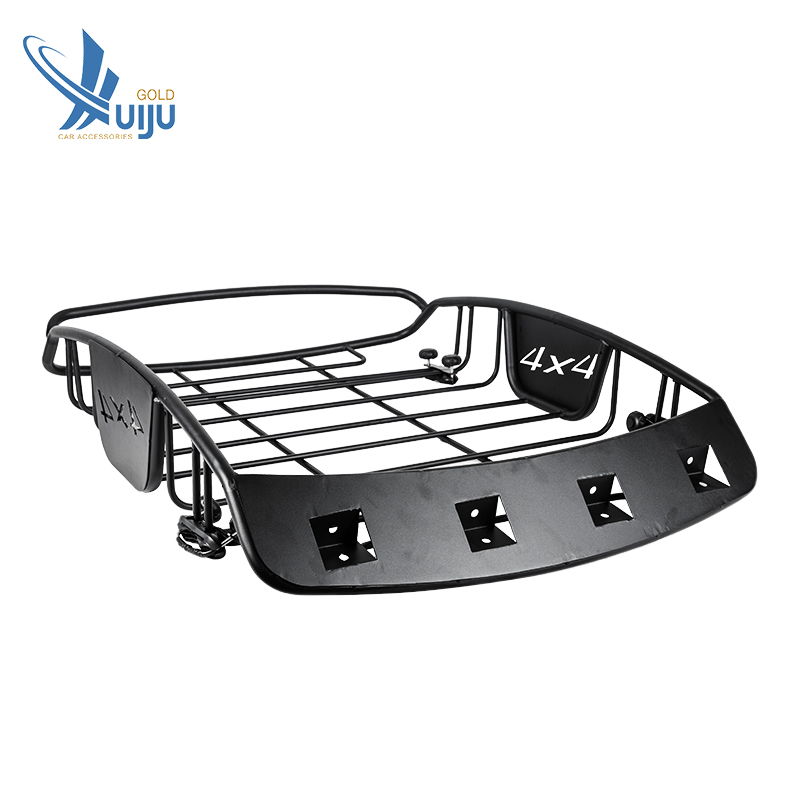
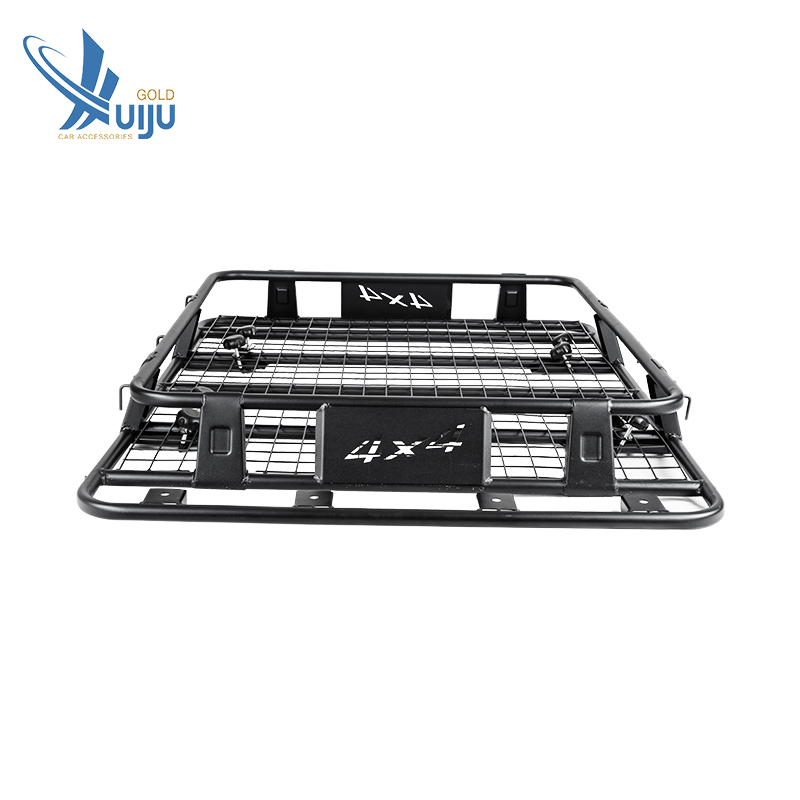
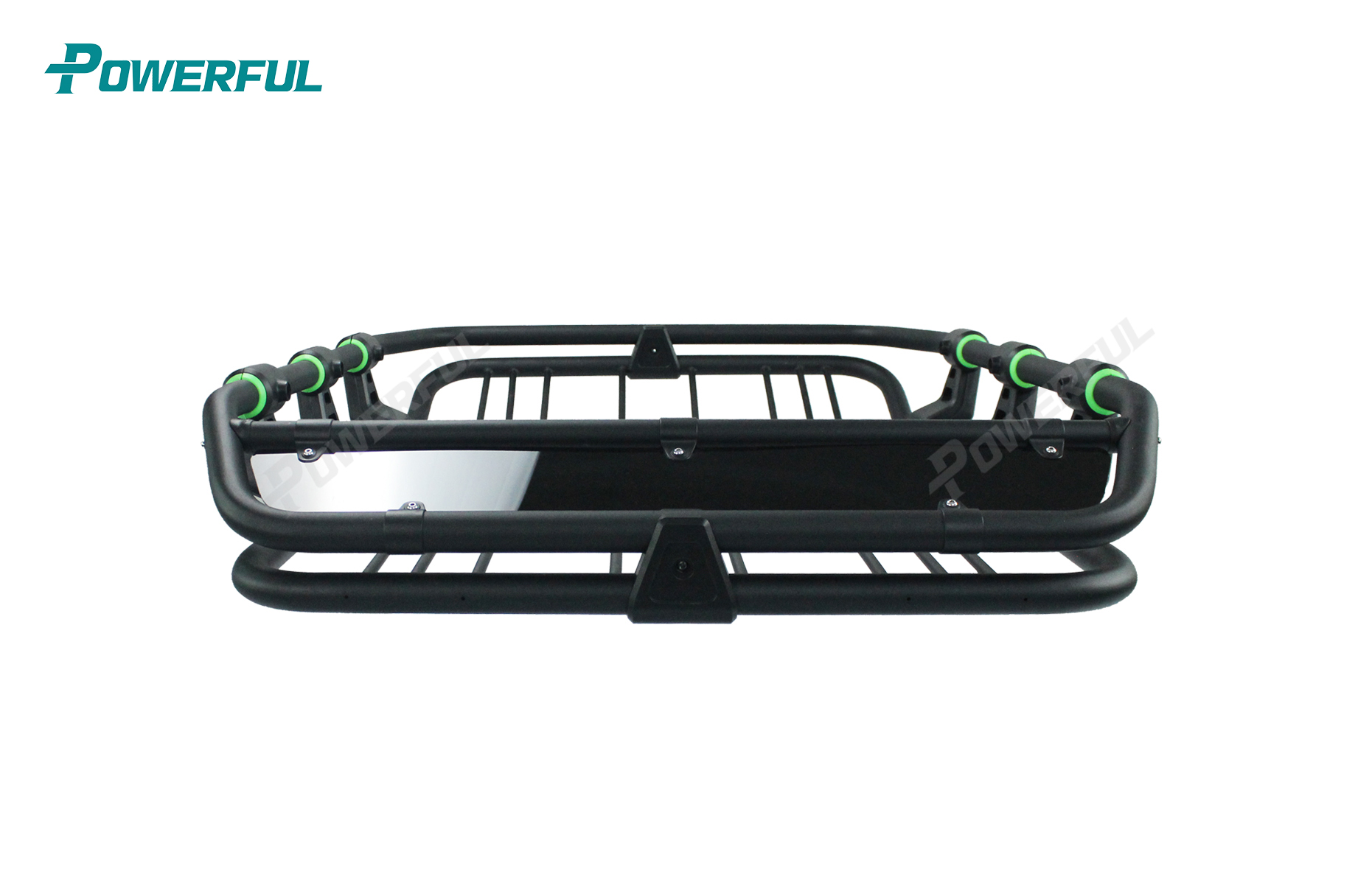
Source high-quality automotive Rack Systems in bulk from vetted manufacturers and suppliers. Designed for importers, wholesalers, distributors, and brands seeking reliable OEM/ODM production, our network delivers durable, high-capacity cargo solutions built to exact international standards.
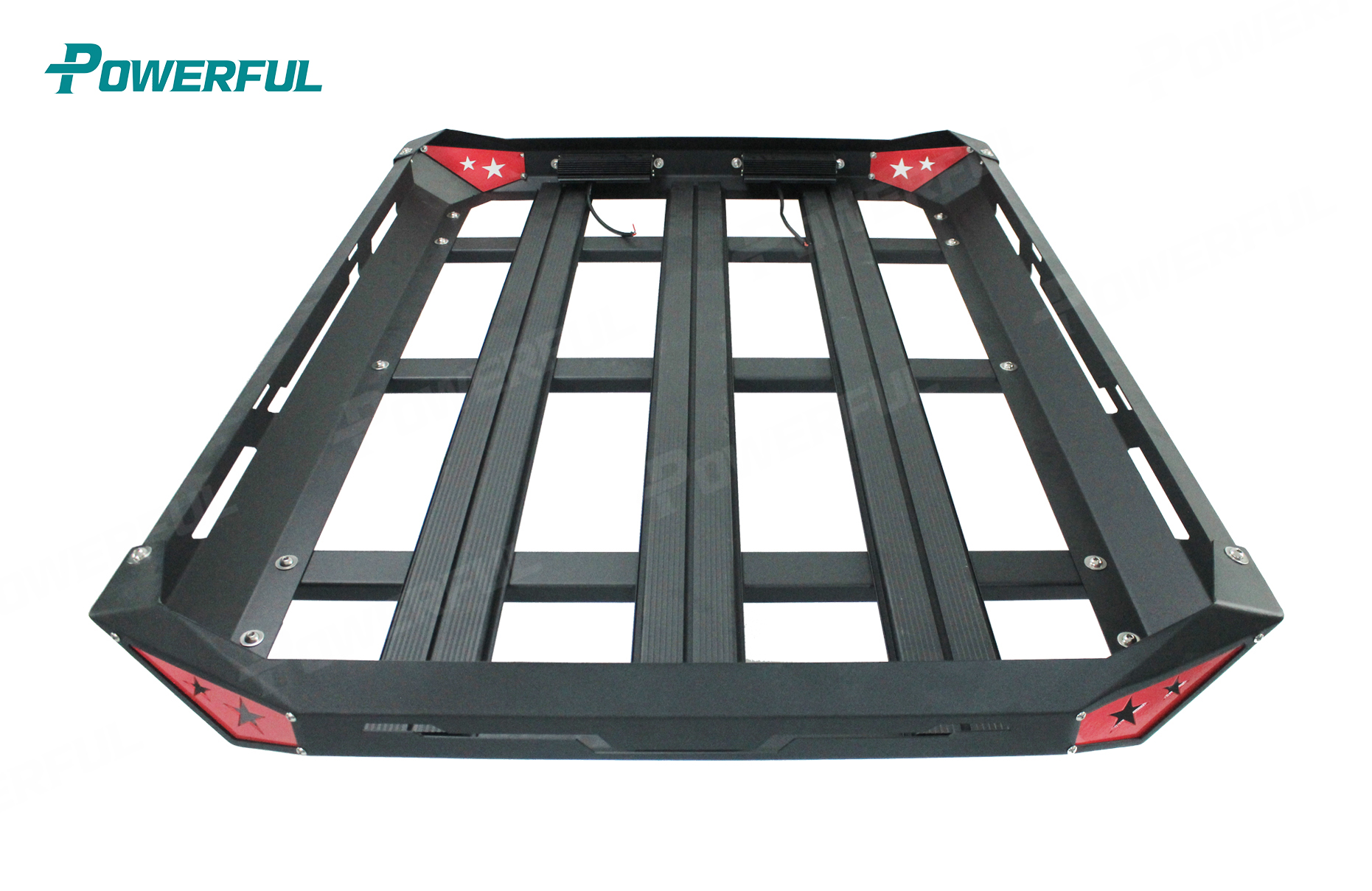
Sourcing automotive rack systems requires balancing structural integrity with aerodynamic performance and precise vehicle fitment. Whether you are importing universal crossbars, hitch-mounted carriers, or heavy-duty roof baskets, the margin for error on the factory floor is minimal. A structural failure at highway speeds is a massive liability, meaning your procurement strategy must be anchored by rigorous material standards and verifiable factory testing protocols.
Material Specifications and Extrusion Quality
The foundation of any reliable rack system lies in the raw materials and the precision of the extrusion or stamping process. Buyers must specify exact material grades on their purchase orders; relying on generic terms like "aluminum" or "heavy-duty plastic" will result in supplier substitutions that compromise load capacity and weather resistance.
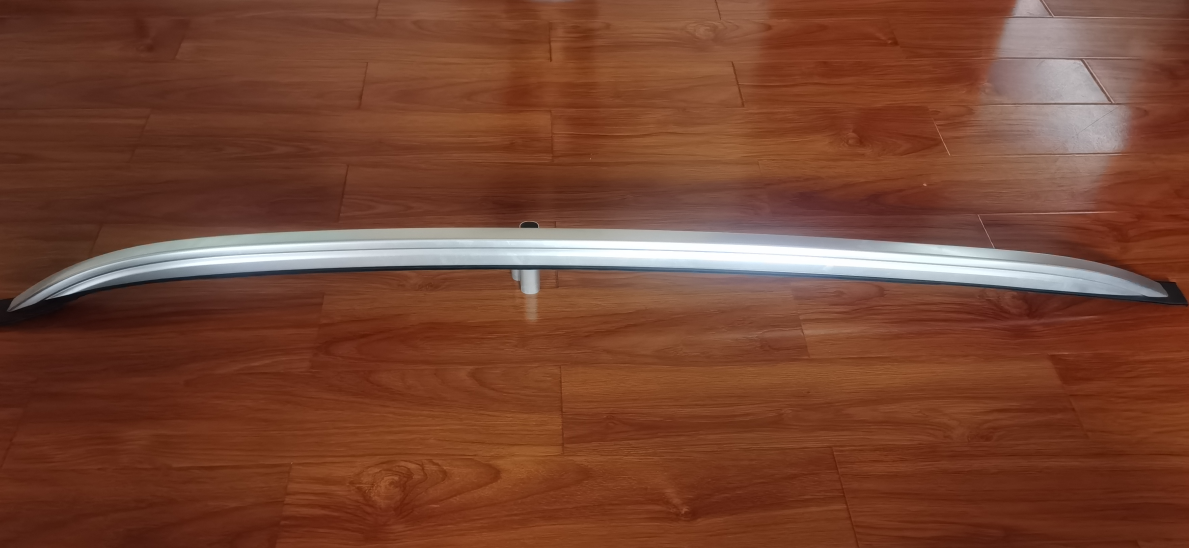
- Aluminum Crossbars: The industry standard for aerodynamic crossbars is 6063-T5 or 6063-T6 aluminum alloy. The T6 temper provides a higher yield strength (exceeding 200 MPa), which is critical for minimizing deflection under dynamic loads.
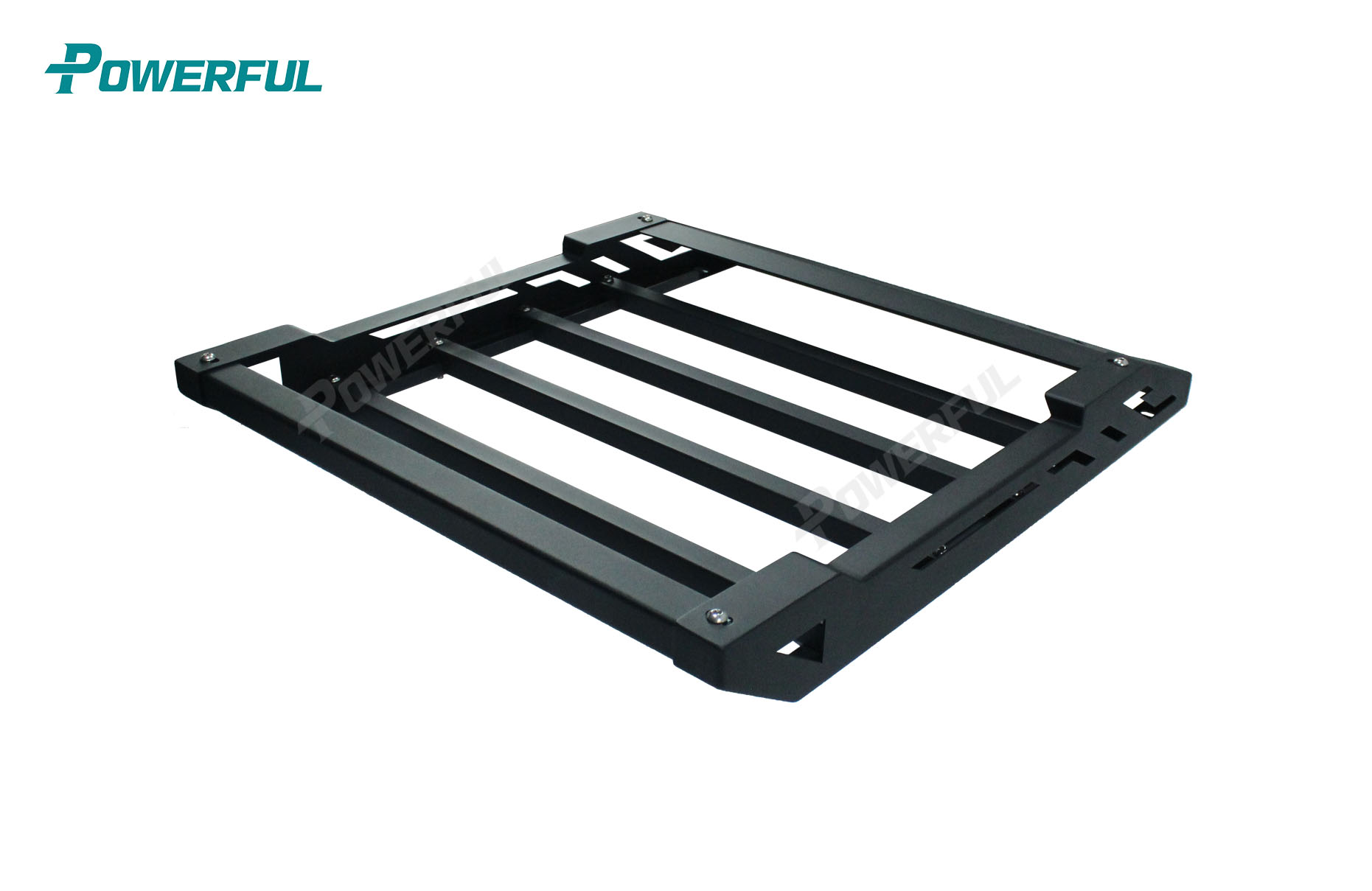
- Steel Components: For heavy-duty cargo baskets and hitch mounts, Q235 or Q345 high-tensile steel is typical. Welds must be robotic or highly controlled manual TIG/MIG to prevent stress fractures.
- Plastics and Polymers: End caps, mounting feet, and locking housings should be molded from Nylon 66 reinforced with glass fiber (PA66+GF) or high-impact ABS. UV stabilizers are non-negotiable; without them, plastics will turn brittle and fade within a single summer.
- Rubber Interfaces: Any part touching the vehicle's paint or exposed to the elements must be EPDM rubber, which resists ozone and thermal degradation far better than standard natural rubber or cheap PVC.
| Surface Treatment | Best Application | Durability | Cost Impact |
|---|---|---|---|
| Anodizing (Aluminum) | Aerodynamic crossbars | High scratch/corrosion resistance | Premium |
| Powder Coating (Steel/Alu) | Cargo baskets, hitch racks | Excellent impact resistance, prone to chipping if pre-treatment is poor | Standard |
| E-Coating + Powder Coat | Heavy-duty off-road racks | Maximum rust prevention (salt-spray resistant) | High |
Quality Control and Safety Testing
Automotive accessories face harsh environmental conditions and severe vibrational stress. Validating a supplier means verifying their in-house testing capabilities. A factory that cannot perform basic load and environmental testing is assembling blind. Before committing to a large order, conducting rigorous Factory Audits ensures the supplier actually possesses the Quality Management Systems (like ISO 9001 or IATF 16949) they claim on their Alibaba or Global Sources profile.
Critical Factory Testing Capabilities to Verify
- City Crash Testing (ISO 11154): Simulates collision forces to ensure the rack stays attached to the roof.
- Salt Spray Testing (ASTM B117): Minimum 480 to 720 hours for steel components to verify coating adhesion and rust resistance.
- Dynamic vs. Static Load Testing: Verifying the rack can hold the rated weight while subjected to simulated road vibration.
- Wind Tunnel/Aero Testing: For crossbars, identifying whistling or excessive wind noise caused by poor extrusion profiles.
Need to verify a rack system manufacturer's testing capabilities? We can audit their facility and validate their quality management systems before you place an order.
Talk to our teamOEM/ODM Fitment and Engineering
If you are building a private-label brand, you will likely engage in OEM/ODM Services to develop proprietary crossbar profiles or custom mounting brackets.
The primary challenge in rack system manufacturing is fitment. Universal racks use adjustable clamps that fit raised side rails, but flush-rail, bare-roof, and fixed-point mounting systems require exact vehicle data. When developing vehicle-specific kits, the factory must have access to accurate 3D scanning data of the vehicle's roofline. Misalignments of even a few millimeters can result in water leaks, paint damage, or mounting failure. Ensure your supplier has a robust engineering department capable of rapid prototyping (CNC or 3D printing) for fitment validation before cutting expensive steel tooling for injection-molded mounting feet.
Implementing strict Quality Control & Inspection protocols during the first production run is critical to catch dimensional variances in mounting hardware before the goods are containerized.
Pricing, MOQs, and Production Lead Times
Pricing in the rack system category is highly dependent on raw material costs (aluminum/steel indices), the complexity of the extrusion profile, and the locking mechanisms used.
When negotiating, clarify what is included in the unit price. Are the anti-theft locks included or an add-on? Are the keys uniformly coded or randomized? Upgrading to randomized, automotive-grade lock cylinders adds cost but is a critical selling point for premium brands.
Struggling to negotiate favorable tooling costs or consolidate SKUs to meet MOQs? Let us manage the sourcing and negotiation process for you.
Get a free consultationFrequently Asked Questions
Sourcing rack systems successfully means looking past the polished showroom samples and digging into the supplier's engineering tolerances, material grades, and testing protocols. Partnering with a team that understands automotive accessory manufacturing ensures your brand delivers safety and reliability without compromising your margins.
Get Sourcing Help for Rack Systems
Tell us your requirements and our experts will connect you with verified manufacturers.