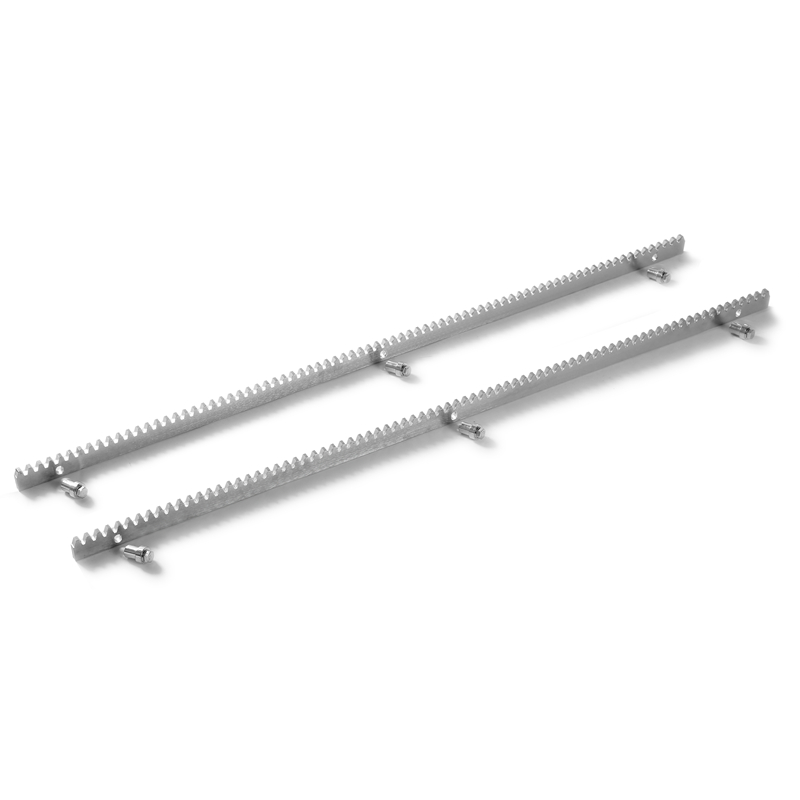
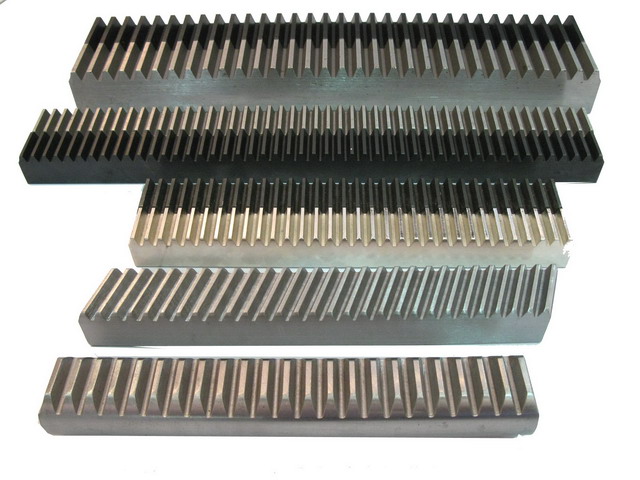
Rack Gears
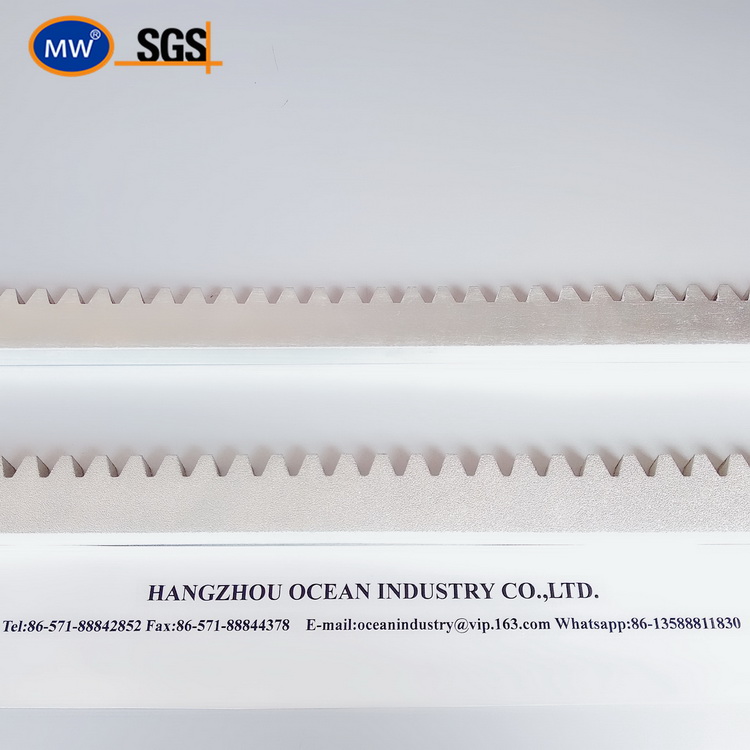
Source high-precision rack gears from vetted manufacturers and suppliers in China and across Asia. Designed for importers, wholesalers, distributors, and industrial brands seeking reliable OEM production in bulk, our network delivers custom and standard rack systems built to exacting specifications and strict quality standards.
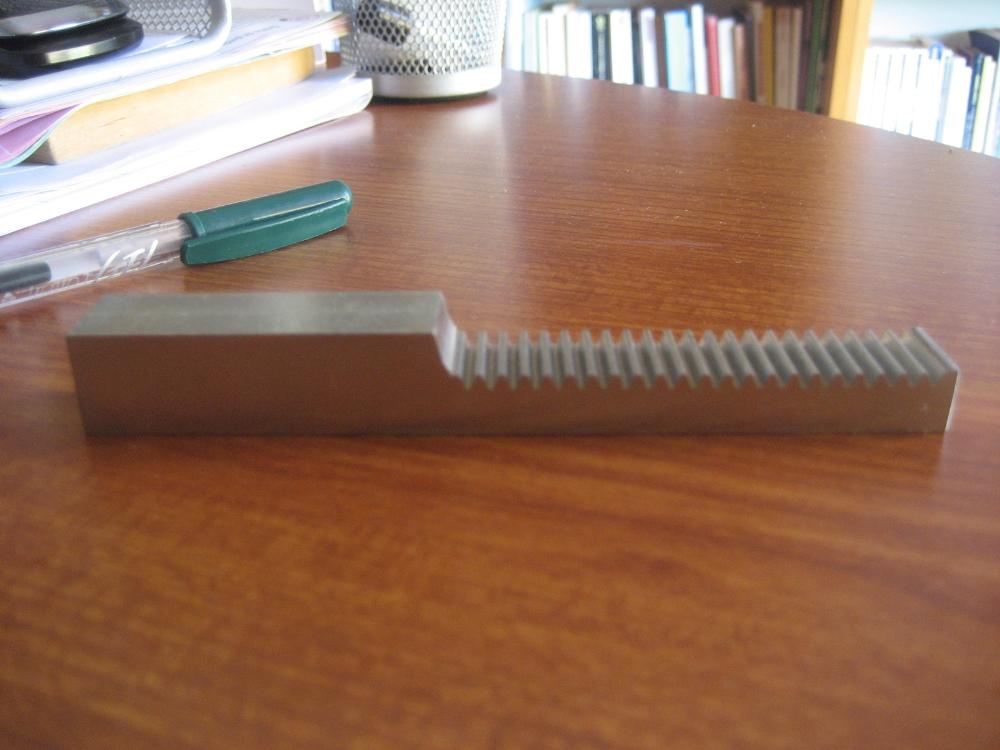
Rack gears are fundamental components for converting rotational motion into linear motion across CNC machinery, automation systems, and heavy industrial equipment. When sourcing these components in volume, the primary challenge is balancing the required precision grade with production costs, while ensuring absolute metallurgical consistency and dimensional stability across long production runs. A minor pitch error or inconsistent heat treatment can lead to premature wear, excessive backlash, and catastrophic system failure.
Critical Specifications for Bulk Sourcing
To secure accurate quotes and ensure the factory understands your technical requirements, your RFQ must clearly define the exact parameters of the rack gear. Specifying "high quality" is insufficient; you must dictate the physical and metallurgical properties.
- Module (M) or Pitch: The standard measure of gear tooth size. Common industrial sizes range from M1 to M10, though heavy machinery may require larger custom modules.
- Pressure Angle: Typically 20 degrees for standard industrial applications, though 14.5 degrees is still used in legacy systems.
- Material Grade: C45 medium carbon steel is the industry standard for general applications. For high-load or high-wear environments, 42CrMo4 alloy steel or 304/316 stainless steel should be specified.
- Heat Treatment: Specify the exact hardening requirement. Induction hardening of the teeth to HRC 50 to 55 is standard for balancing tooth hardness with core toughness.
- Precision Grade: Factories typically work to DIN 3962 standards. Defining whether you need a milled rack (DIN 8 to DIN 10) or a ground rack (DIN 5 to DIN 6) is the single biggest driver of unit cost.
Need help securing high-precision rack gears at scale? Our sourcing engineers can match your exact DIN requirements with capable factories.
Talk to our teamManufacturing Processes and Quality Control
The manufacturing method directly impacts the final precision and cost of the rack gear. Standard racks are typically milled, which is cost-effective and suitable for lower-speed or lower-precision applications. High-precision racks require an additional grinding process after heat treatment to remove distortion and achieve tight tolerances.
| Feature | Milled Racks | Ground Racks |
|---|---|---|
| Typical DIN Grade | DIN 8 to DIN 10 | DIN 5 to DIN 6 |
| Manufacturing Speed | Fast, highly scalable | Slower, requires secondary operations |
| Application | Material handling, sliding gates | CNC routers, robotics, automation |
| Cost Premium | Baseline | High (often double the milled cost) |
When dealing with overseas suppliers, confirming their quality control infrastructure is vital. You cannot rely on visual inspections for gear precision. Proper Quality Control & Inspection protocols must be established early.
Essential Quality Checks for Rack Gears
- Material composition verification via spectrometer before machining.
- Hardness testing (HRC) on the tooth flank and core to ensure proper induction hardening depth.
- Pitch error and cumulative pitch error measurement using a Coordinate Measuring Machine (CMM).
- Straightness and flatness checks, particularly critical for lengths over 1000mm.
- Surface roughness testing on the tooth flanks (especially for ground gears).
Supplier Vetting for OEM and Custom Orders
Not all gear manufacturers are equipped to produce long rack gears. Many excel at rotary gears but lack the specialized rack milling machines or long-bed grinders required for racks exceeding 1000mm.
If you are developing proprietary automation systems or require custom mounting hole patterns, engaging a factory capable of comprehensive OEM/ODM Services is necessary. Before committing to a large bulk order, executing thorough Factory Audits ensures the supplier actually owns the necessary CNC rack milling and grinding equipment, rather than subcontracting the critical steps to smaller, unverified workshops.
Pricing Drivers, MOQs, and Lead Times
Rack gear pricing is highly sensitive to material costs, machining time (grinding vs. milling), and order volume. Because rack gears are heavy and dense, shipping costs also play a significant role in your landed cost.
Note: Custom lengths, specialized alloys, or DIN 5 precision requirements will extend lead times and often require higher MOQs to justify machine setup times.
Optimize your gear sourcing strategy, negotiate better MOQs, and reduce your landed unit costs.
Get a free consultationFrequently Asked Questions
Securing a reliable supply of rack gears requires looking beyond unit price. By partnering with experts who understand the nuances of gear metallurgy, machining tolerances, and factory capabilities, you can build a resilient supply chain that consistently delivers the precision your industrial applications demand.
Get Sourcing Help for Rack Gears
Tell us your requirements and our experts will connect you with verified manufacturers.