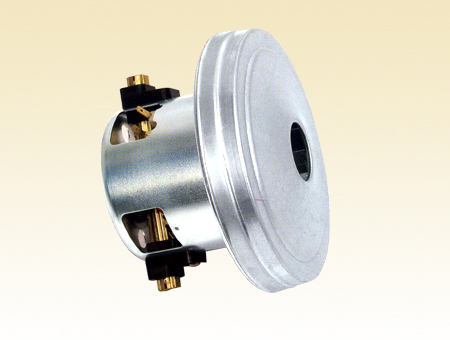
Pulley
Source industrial-grade pulleys from vetted manufacturers and suppliers to keep your production and supply chain moving. Designed for importers, distributors, and brands seeking reliable wholesale or OEM production, our network delivers precision-machined drive components built for demanding machine tool applications.
Sourcing machine tool pulleys in volume requires balancing tight dimensional tolerances with material integrity. Whether you are procuring standard V-belt pulleys, timing pulleys, or custom drive components, the core challenge lies in ensuring consistent dynamic balance, bore precision, and structural reliability across high-volume production runs. A minor defect in a pulley's groove profile or runout can cause accelerated belt wear, machine vibration, and premature bearing failure in the final equipment.
Critical Specifications and Material Selection
When dealing with industrial component manufacturers, specifying the exact physical and mechanical properties is non-negotiable. Pulleys for machine tools are typically cast or machined from solid billets, and the choice of material dictates both the manufacturing process and the final unit cost.
| Material | Primary Use Case | Machining Characteristics |
|---|---|---|
| Cast Iron (GG25/HT250) | Standard industrial drives, heavy machinery | Excellent vibration damping, highly cost-effective at scale |
| Aluminum Alloy | High-speed, low-inertia applications | Lightweight, requires hard anodizing for adequate wear resistance |
| Carbon/Alloy Steel | High-torque, high-stress environments | Maximum durability, higher tooling and machining costs |
Beyond material, you must clearly define the profile standard (e.g., SPZ, SPA, SPB, SPC for V-belts, or specific pitch profiles for timing pulleys). Buyers engaging in OEM/ODM Services for custom drive systems must also provide exact CAD files detailing the groove geometry and tolerance requirements.
Struggling with inconsistent runout or balancing issues from your current supplier? Let us help you qualify better manufacturing partners.
Talk to our teamManufacturing Quality and Tolerances
Quality is won or lost during the machining and balancing phases. Cast pulleys must be free of porosity and blowholes, which not only weaken the component but make accurate balancing impossible.
Key Manufacturing Quality Checks
- Bore Tolerance: Ensure the factory machines to precise standard fits (e.g., H7 tolerance) to prevent shaft slippage.
- Runout Accuracy: Radial and axial runout must be strictly controlled to minimize vibration at high RPMs.
- Dynamic Balancing: Verify the factory balances pulleys to ISO 1940 standards (typically G6.3 or G2.5 for high-speed machine tools).
- Surface Finish: Groove surfaces must be smooth (commonly Ra 3.2 or better) to prevent rapid belt degradation.
Relying solely on a factory's internal testing can be risky. Implementing independent Quality Control & Inspection before shipment ensures that runout and balancing metrics meet your specifications before the container is loaded.
Pricing Drivers, MOQs, and Production Realities
The cost of sourcing pulleys is heavily influenced by the manufacturing method, material, and required secondary operations (like phosphating or black oxide coating for rust prevention).
- Standard Off-the-Shelf: Factories producing standard taper-lock or pilot bore pulleys often hold inventory or run continuous batches. MOQs can be low (often under 100 pieces per size), and lead times are typically 15 to 30 days.
- Custom / OEM Pulleys: If you require custom profiles, non-standard diameters, or specific lightening holes, expect tooling costs for new casting molds. MOQs for custom cast pulleys generally start between 300 and 500 pieces to absorb the setup costs, with lead times extending to 45 or 60 days for the initial batch.
Before committing to tooling costs or large orders, it is highly recommended to conduct thorough Factory Audits. An audit verifies that the supplier actually owns the CNC and dynamic balancing equipment they claim, rather than outsourcing the critical finishing steps to unverified sub-tier workshops.
Need to negotiate better tooling terms or consolidate your industrial component purchasing? Our sourcing experts can optimize your supply chain.
Get a free consultationBuyer FAQ
Sourcing industrial machine tool accessories in bulk is fundamentally about risk management. By clearly defining your tolerance requirements, mandating strict balancing standards, and verifying factory capabilities firsthand, you can secure reliable drive components that protect both your margins and your brand's reputation for quality.
Get Sourcing Help for Pulley
Tell us your requirements and our experts will connect you with verified manufacturers.