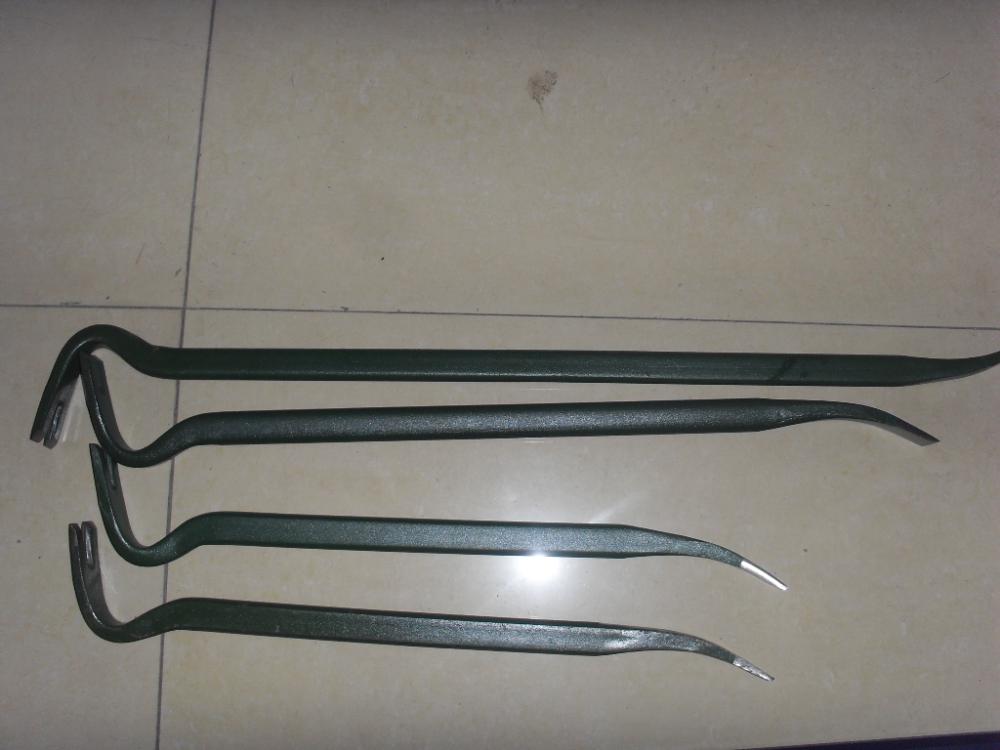
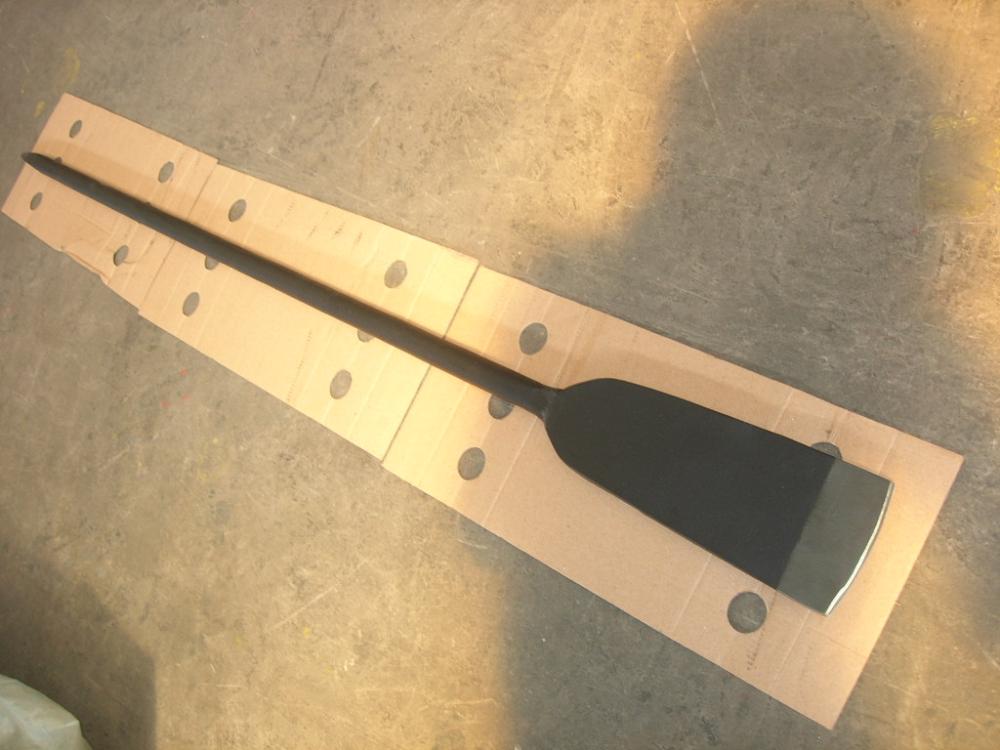
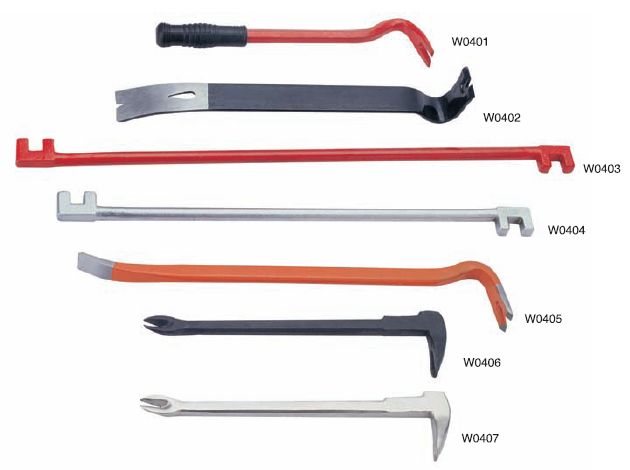
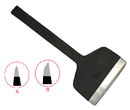
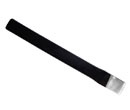
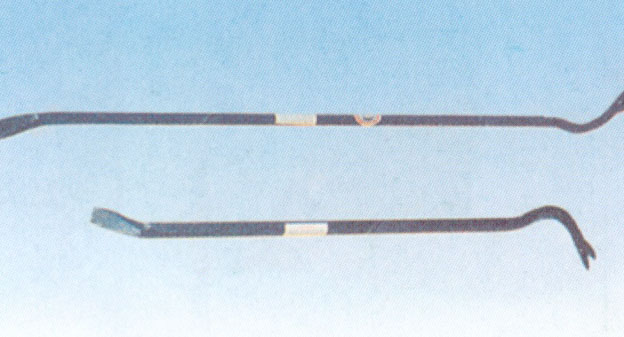
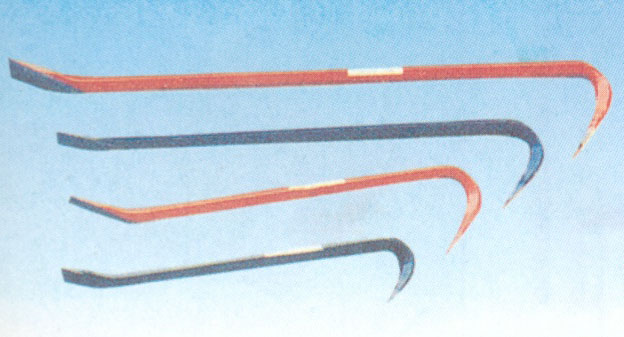
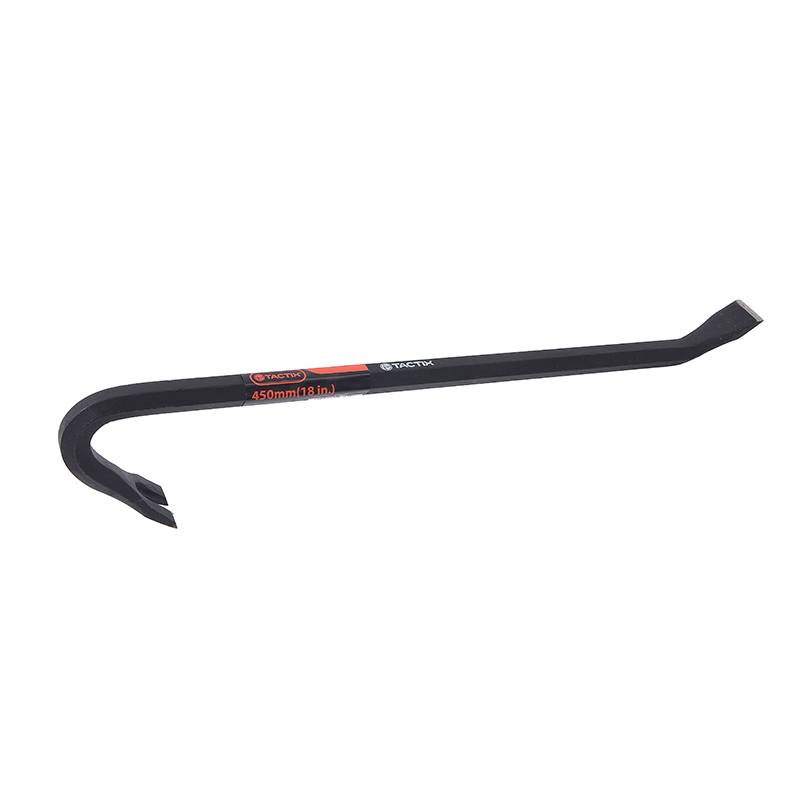
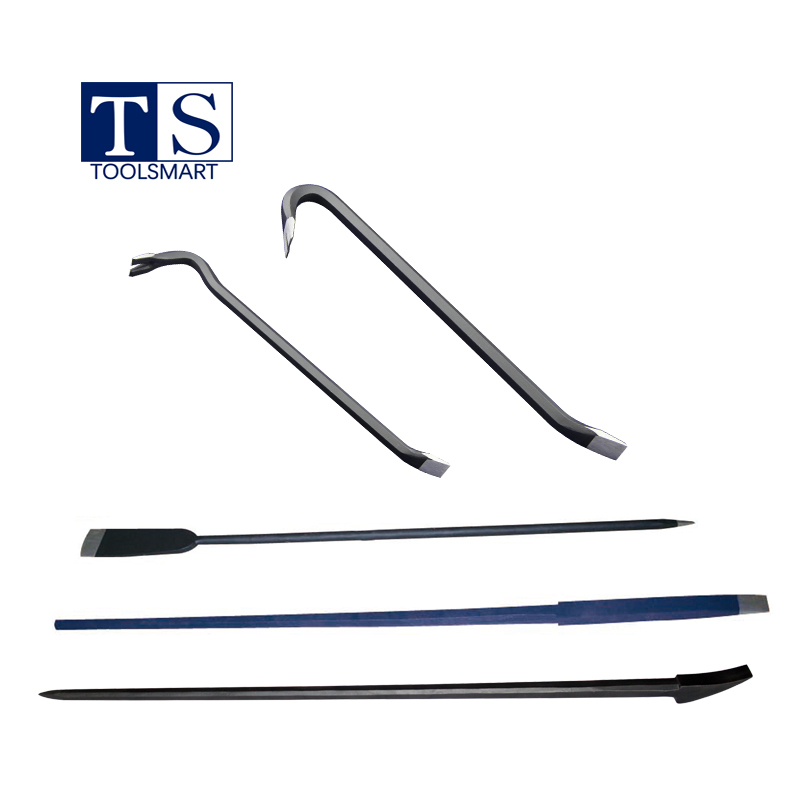
Pry Bars
Source high-quality pry bars from vetted suppliers and manufacturers in China and Asia. Designed for importers, hardware distributors, and tool brands looking for reliable wholesale purchasing or custom OEM production. Explore our network to secure competitive pricing, flexible MOQs, and consistent manufacturing quality.
Pry bars are fundamentally simple tools, but their performance relies entirely on precise metallurgy and controlled heat treatment. When sourcing hand tools in volume, the primary challenge is ensuring consistency across production runs. A batch with improper tempering will bend under load or, worse, shatter and cause injury, leading to costly returns and brand damage.
Specifying the Right Steel and Forging Method
The foundation of a reliable pry bar is the steel grade and the forging process. Standard casting or stamping is inadequate for tools meant to bear heavy leverage; drop forging is mandatory to align the steel's grain structure for maximum strength.
When negotiating with manufacturers, you must specify the exact steel grade. Vague terms like "carbon steel" leave room for factories to substitute lower-grade materials.
| Material | Typical Hardness | Best Application |
|---|---|---|
| Carbon Steel (1045/1055) | 40-48 HRC | General utility, cost-sensitive wholesale |
| Manganese Steel (65Mn) | 45-52 HRC | High impact resistance, demolition work |
| Chrome-Vanadium (Cr-V) | 48-55 HRC | Professional grade, high torque and leverage |
The Critical Role of Differential Heat Treatment
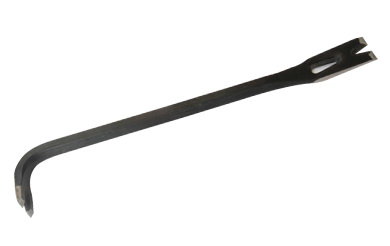
Quality is won or lost in the heat treatment facility. A professional-grade pry bar requires differential heat treatment. The working ends (claws, tips) need high hardness to resist wear and deformation, while the main shaft requires lower hardness to maintain toughness and flex without snapping.
If a factory skips differential tempering to save on energy costs, the entire tool becomes uniform in hardness. This results in either a brittle bar that snaps under leverage or soft claws that round off during the first use. Implementing rigorous Quality Control & Inspection protocols is essential to verify Rockwell Hardness (HRC) across different zones of the tool before the shipment leaves the factory.
What to Look for in a Pry Bar Manufacturer
- In-house drop forging capabilities to control grain structure.
- Induction hardening equipment for localized tip and claw treatment.
- Automated quenching systems with strict temperature controls.
- On-site Rockwell hardness testing and bend-test rigs.
Ensure your supplier's heat treatment process meets your exact specifications.
Talk to our teamFinishes and OEM Customization
Beyond the bare metal, the finish and grip dictate the tool's market positioning. Standard wholesale bars often use basic powder coating or paint. For higher-end applications, electrophoretic deposition (e-coating) provides superior rust resistance, especially when subjected to salt-spray testing.
If you are developing a private label line, you will likely want custom grips. Thermoplastic Rubber (TPR) or dual-compound PVC grips add ergonomic value but require specific injection molding capabilities. Utilizing specialized OEM/ODM Services allows you to customize handle molds, specify exact Pantone colors, and add stamped or laser-etched branding without compromising the tool's structural integrity.
Pricing, MOQs, and Production Lead Times
Pricing for pry bars is heavily dependent on raw material weight, steel grade, and the complexity of the finish. Because drop forging requires significant setup time, factories enforce Minimum Order Quantities (MOQs) to amortize the cost of heating the furnaces and changing dies.
While standard unbranded stock might be negotiated at lower MOQs, custom colors, branded TPR grips, or unique claw angles will push the MOQ to the higher end of the spectrum. Before committing to a large production run, conducting Factory Audits is a prudent step to verify the supplier's actual production capacity and environmental compliance, particularly regarding their coating and plating lines.
Navigate MOQs and negotiate better terms with vetted hand tool manufacturers.
Get a free consultationFrequently Asked Questions
Sourcing pry bars requires balancing material costs with strict metallurgical controls. By partnering with manufacturers who understand differential heat treatment and possess the right forging infrastructure, you can secure reliable tools that withstand the rigors of heavy industrial use.
Get Sourcing Help for Pry Bars
Tell us your requirements and our experts will connect you with verified manufacturers.