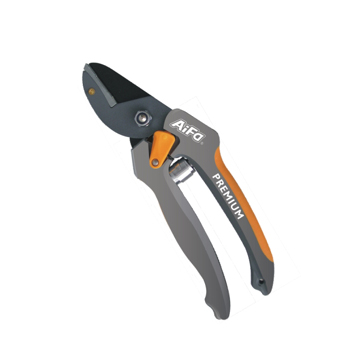
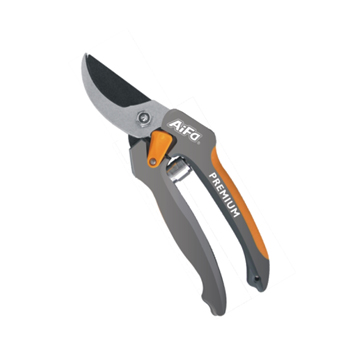
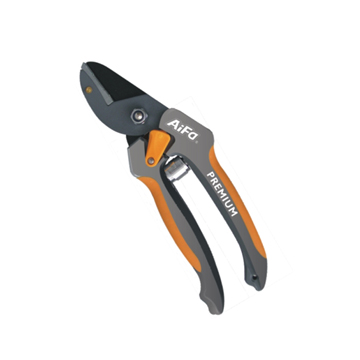
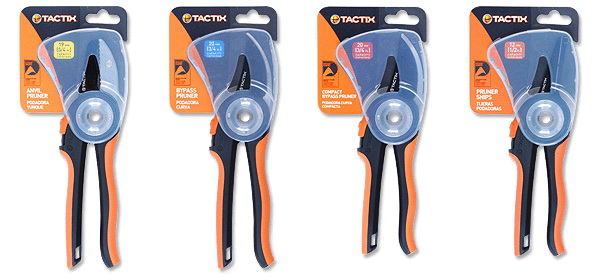
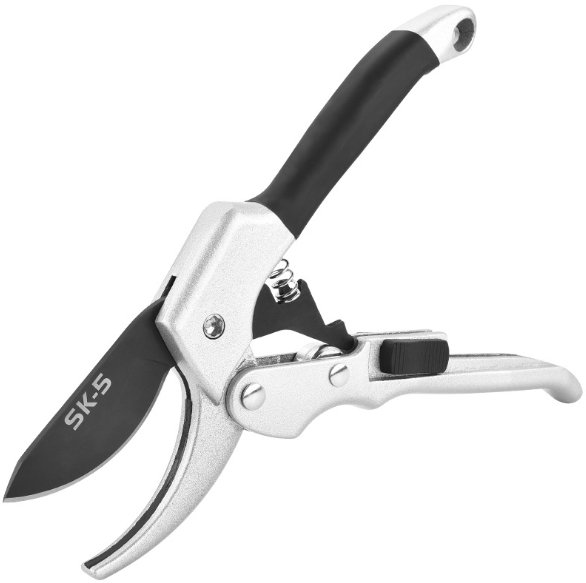
Pruners
Source professional-grade pruners from vetted manufacturers and suppliers across Asia. Designed for hardware importers, agricultural distributors, and garden tool brands looking for reliable bulk purchasing or custom OEM/ODM production. Secure competitive wholesale pricing directly from the factory floor.
Sourcing hand pruners (secateurs) at scale requires balancing cutting performance with long-term mechanical durability. The core manufacturing challenge lies in the heat treatment of the blade and the machining precision of the pivot mechanism. A fraction of a millimeter in the pivot tolerance or a slight deviation in blade hardness dictates whether the tool cuts cleanly or crushes the stem, ultimately defining the end-user's perception of your brand.
Blade Metallurgy and Handle Construction
The performance of a pruner is largely dictated by the steel grade used for the cutting and sap blades, alongside the structural integrity of the handles. When negotiating with suppliers, specifying the exact material grade is critical to avoid silent substitutions.
| Material Grade | Typical Hardness (HRC) | Corrosion Resistance | Primary Application |
|---|---|---|---|
| SK5 High-Carbon Steel | 58 to 60 | Low (Requires PTFE/chrome coating) | Professional & heavy-duty agricultural use |
| 65Mn Carbon Steel | 55 to 58 | Low (Requires coating) | Mid-range consumer garden tools |
| 420J2 Stainless Steel | 50 to 54 | High | Light floral work, humid environments |
| Drop-Forged Aluminum (Handles) | N/A | High | Premium bypass pruners, professional grade |
Beyond the blade, the handle construction separates premium tools from budget options. Die-cast aluminum handles are common in mid-tier models, but drop-forged aluminum is required for professional-grade tools to prevent snapping under high torque. Handle grips should be specified as TPR (Thermoplastic Rubber) over PVC for better UV resistance and ergonomic comfort.
Struggling to find a manufacturer capable of consistent drop-forging and precise heat treatment? Let us connect you with vetted factories that meet professional tooling standards.
Talk to our teamFactory Floor Realities: Heat Treatment and Assembly
The most common point of failure in imported pruners is inconsistent heat treatment. If the blade is too soft (under 54 HRC for carbon steel), it loses its edge quickly; if it is too hard (over 61 HRC), it becomes brittle and prone to chipping when cutting dead wood.
Verifying a supplier's in-house heat treatment capabilities is a standard part of our Factory Audits. Factories that outsource their heat treatment often struggle with batch-to-batch consistency.
Critical Quality Control Checkpoints for Pruners
- HRC Hardness Testing: Verify blade hardness at multiple points (tip, middle, base) to ensure uniform heat treatment.
- Pivot Tolerance: Check for lateral play in the pivot bolt; excessive play causes the blades to cross over or crush stems.
- Spring Fatigue Test: Volute or wire springs must withstand a minimum of 50,000 compression cycles without losing tension.
- Coating Adhesion: Perform cross-hatch adhesion testing on PTFE or titanium blade coatings to prevent flaking.
- Drop Testing: Drop from 1.5 meters onto concrete to test handle casting integrity and locking mechanism stability.
Catching these defects requires rigorous Quality Control & Inspection before the container is loaded. Once a container of poorly hardened pruners ships, the financial loss is entirely on the importer.
Customization and Private Label (OEM/ODM)
For brands looking to differentiate, pruners offer several avenues for customization. Most factories operate on an OEM/ODM Services model, allowing you to modify existing base designs or create entirely new molds.
Custom Handle Molds vs. Off-the-Shelf Designs
Advantages
- Unique ergonomic profile tailored to your target market.
- Proprietary design prevents direct price comparison by consumers.
- Ability to integrate custom locking mechanisms or shock absorbers.
Disadvantages
- Requires upfront investment in die-casting or forging tooling.
- Increases initial lead times by 30 to 45 days for mold creation and sampling.
- Higher initial MOQs to amortize the tooling costs.
Wholesale Pricing, MOQs, and Lead Times
Pricing in the hand tool sector is highly sensitive to raw material costs (steel and aluminum) and the complexity of the finishing processes (e.g., Teflon coating, precision grinding).
When negotiating, be wary of prices that fall significantly below the market average. A factory offering a heavy-duty bypass pruner for under $2.00 is almost certainly substituting SK5 steel for lower-grade 50Mn, or using hollow die-cast handles instead of solid forged aluminum.
Need accurate pricing for your specific pruner design? We can source quotes from our network of audited hand-tool manufacturers to give you a realistic cost breakdown.
Get a free consultationFrequently Asked Questions
Successfully importing pruners requires moving past superficial aesthetic choices and focusing intensely on metallurgy and machining tolerances. The right manufacturing partner will have transparent quality control systems for their heat treatment and assembly processes, ensuring your tools perform reliably season after season.
Get Sourcing Help for Pruners
Tell us your requirements and our experts will connect you with verified manufacturers.