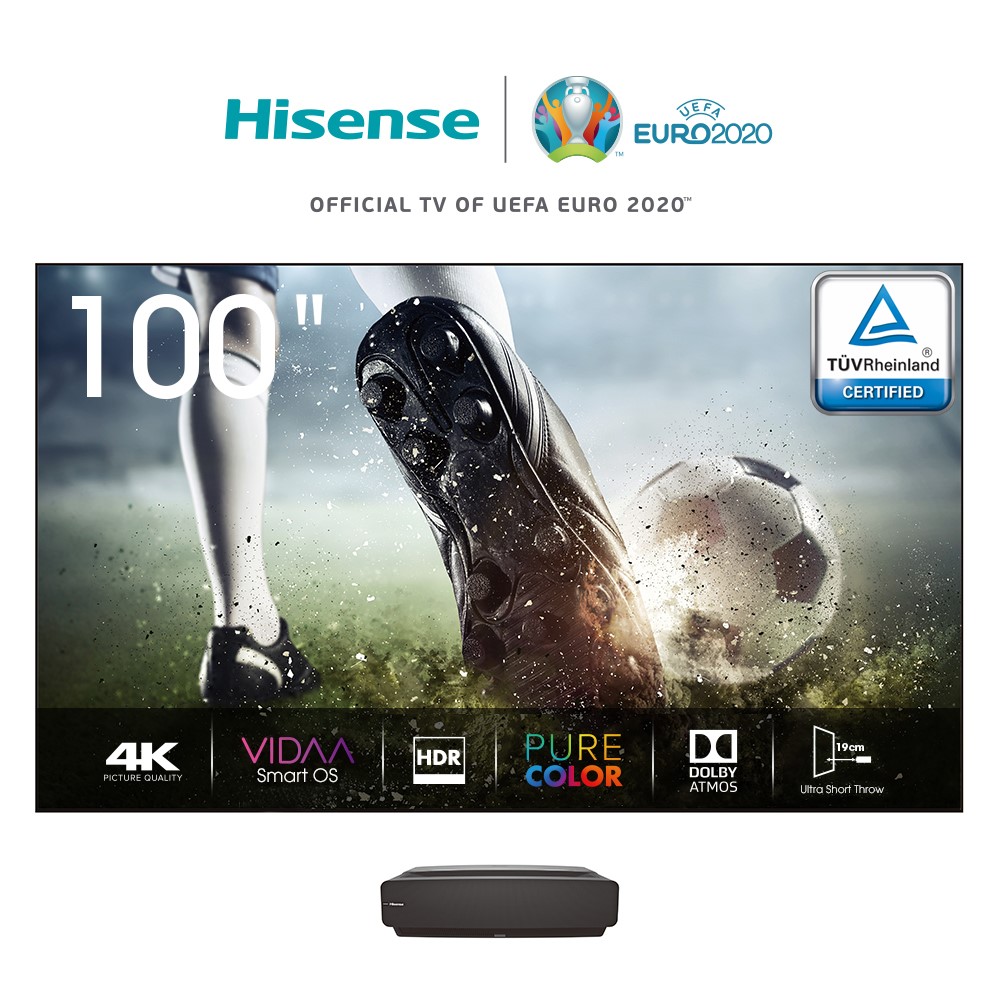
Projectors
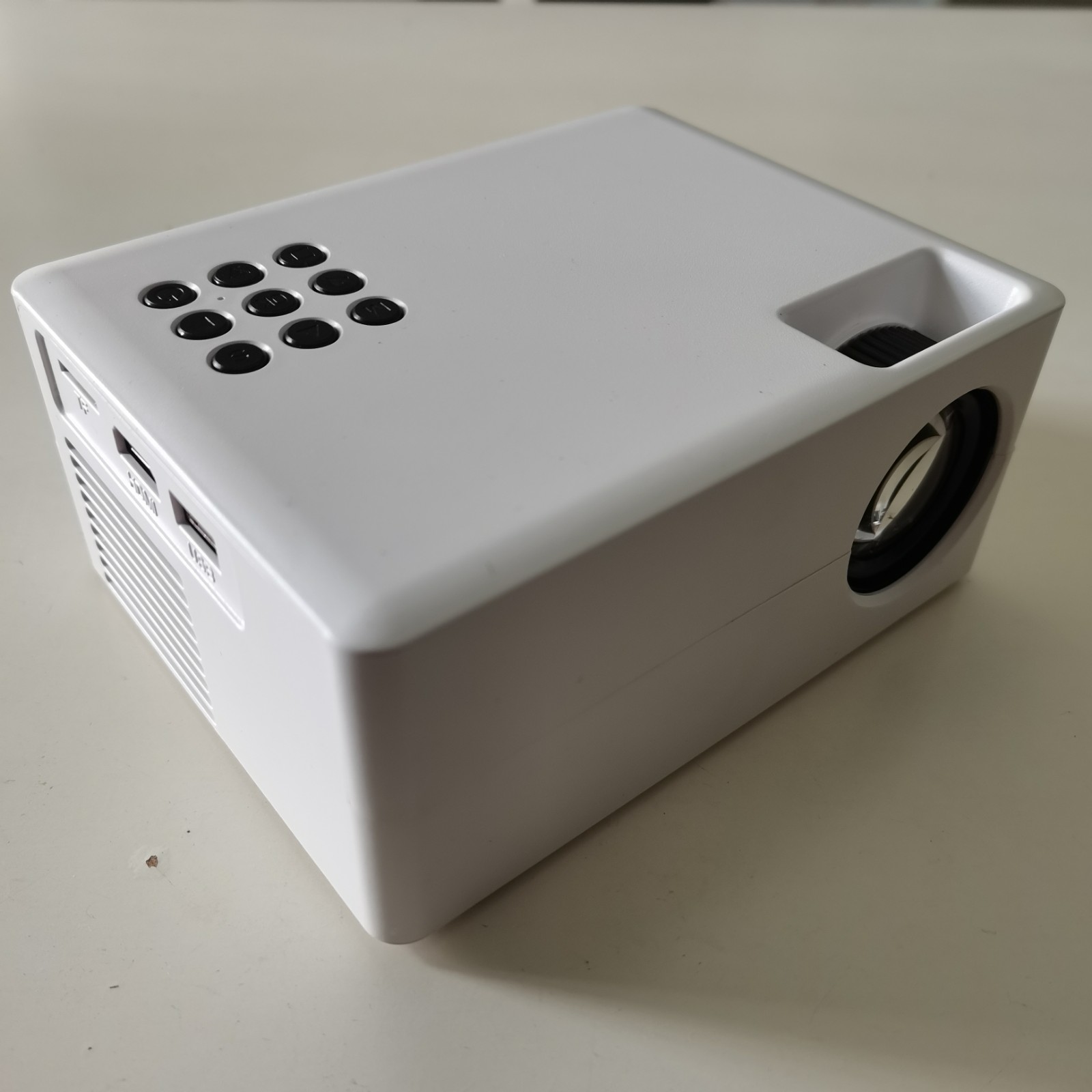
Source commercial and consumer projectors from vetted manufacturers and suppliers across Asia. Built for importers, electronics distributors, and brands seeking reliable OEM or private-label production. Ensure strict quality control and competitive wholesale pricing for volume orders.
Sourcing projectors requires navigating a notoriously opaque supply chain where specification inflation—particularly around brightness and resolution—is the industry norm. For volume buyers, the challenge lies in identifying manufacturers capable of delivering consistent optical precision, effective thermal management, and reliable smart-system integration, rather than simply assembling off-the-shelf components in a new chassis.
Navigating Optical Engines and Core Specifications
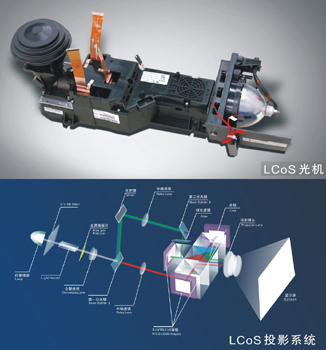
The optical engine is the defining component of any projector. Manufacturers typically specialize in either single-panel LCD (cost-effective, entry-level) or DLP (higher contrast, professional grade) architectures. When specifying your requirements, precise terminology is critical to avoid receiving underperforming units.
- Native vs. Supported Resolution: Many suppliers advertise "4K supported" while utilizing a native 720p or 1080p LCD panel. Always specify the native resolution of the imaging chip.
- Brightness Metrics: The most common trap in projector sourcing is the confusion between "LED Lumens," "Light Source Lumens," and standard "ANSI Lumens." A factory claiming 5,000 LED lumens may only deliver 200 ANSI lumens on the screen. Contractual specifications must strictly dictate minimum ANSI lumen output, tested at the center and corners of the projected image.
- Light Source: Transitions from high-pressure lamps to solid-state lighting (LED and Laser Phosphor) have changed thermal requirements. Laser engines offer superior longevity (often exceeding 20,000 hours) but require highly controlled cleanroom assembly environments.
| Architecture | Typical Application | Cost Profile | Key Manufacturing Challenge |
|---|---|---|---|
| Single-Panel LCD | Entry-level home theater, portable | Low | Dust ingress, poor corner focus |
| DLP (Digital Light Processing) | Business, premium home theater | Medium to High | Color wheel synchronization, DMD chip sourcing |
| 3LCD | Education, large venue | High | Precise panel alignment (convergence) |
Struggling to verify true ANSI lumen claims? Let us help you audit factory specifications and secure accurate optical components.
Talk to our teamManufacturing Quality and Common Failure Points
A projector's lifespan is dictated by how well the factory manages heat and dust. When evaluating a supplier, their assembly environment and testing protocols are just as important as their bill of materials (BOM).
Thermal Management and Acoustic Noise
High-brightness LEDs and lasers generate significant heat. If the factory uses inadequate heat sinks or cheap cooling fans, the light source will degrade rapidly, leading to color shift and premature failure. However, aggressive cooling increases acoustic noise. High-quality manufacturers balance this by using larger, slower-spinning fans and optimized internal airflow routing.
Sealed Optical Engines
Dust is the enemy of LCD and DLP systems. A single dust particle on the imaging panel creates a permanent dark or colored spot on the projected image. Demand "fully sealed" optical engines for any mid-to-high-tier product. Verifying this requires disassembling sample units to inspect the gasketing around the light path.
Critical Pre-Shipment Inspection Points
- Center-to-edge focus uniformity (checking for cheap plastic lens warping)
- ANSI lumen verification using a 9-point grid test
- Thermal imaging after 4 hours of continuous operation
- Acoustic noise measurement (dbA) at 1 meter distance
- Software stability testing for integrated Android/Smart OS interfaces
Implementing rigorous Quality Control protocols at the factory level prevents these common defects from reaching your warehouse.
Compliance and Regulatory Standards
Projectors are subject to strict regional compliance standards, combining electronic safety, wireless transmission, and optical safety regulations.
If your units include Wi-Fi or Bluetooth for screen mirroring, they require FCC (US) or CE-RED (Europe) certification. Furthermore, laser projectors must comply with specific FDA/CDRH regulations in the US (typically Class 1 or Class 2 laser safety) or IEC 60825-1 internationally. Relying on a supplier's existing certificates is risky; they are often outdated or apply to different BOMs. Professional Compliance & Testing ensures your specific production run meets all destination market legalities.
Buying Mechanics: MOQs, Pricing, and OEM Customization
Most projector manufacturers operate as assemblers, sourcing optical engines, mainboards, and lenses from specialized sub-tier suppliers. This modularity makes OEM/ODM Services highly accessible, allowing you to customize the outer casing, user interface, and connectivity ports.
Pricing is heavily volatile and tied directly to the cost of the DMD chip (for DLP) or the LCD panel, as well as the licensing fees for integrated operating systems (e.g., official Android TV vs. open-source Android).
Planning a custom projector line? We can help negotiate tooling costs, manage the BOM, and secure reliable production schedules.
Get a free consultationSuccessful projector sourcing requires looking past the spec sheet and understanding the engineering tolerances of the factory floor. By verifying optical capabilities, ensuring thermal stability, and enforcing strict compliance standards, you can build a highly profitable product line that performs reliably in the real world.
Get Sourcing Help for Projectors
Tell us your requirements and our experts will connect you with verified manufacturers.