Projection Screens
Source premium projection screens from vetted manufacturers and suppliers across Asia. Built for importers, AV distributors, and brands seeking reliable OEM/ODM production, our network delivers bulk quantities at competitive wholesale prices. Secure high-quality display solutions tailored to your specific market requirements.
Sourcing projection screens in volume requires balancing delicate optical performance with mechanical reliability. Whether you are importing motorized units for commercial integrators or fixed-frame setups for the premium AV market, the challenge lies in verifying fabric quality, coating consistency, and motor longevity before committing to a bulk order.
Core Specifications: Fabric and Optical Performance
The most critical component of any projection screen is the fabric. Buyers must specify the exact material composition and coating to match the intended projection technology (standard, short-throw, or ultra-short-throw) and lighting environment.
- Gain and Viewing Angle: Gain measures the reflectivity of the screen compared to a standard magnesium carbonate board. High-gain screens (over 1.2) reflect more light toward the center but suffer from narrower viewing angles and potential "hot-spotting." Standard matte white screens typically offer a 1.0 to 1.1 gain with a wide 160-degree viewing angle.
- Ambient Light Rejecting (ALR): ALR screens use specialized micro-structures (lenticular or Fresnel) to reflect light from the projector while absorbing off-axis ambient light. Manufacturing these requires high-precision coating lines; poor quality control here leads to visible banding or uneven brightness.
- Acoustically Transparent Materials: Used primarily in premium home cinemas, these screens feature micro-perforations or woven fabrics that allow sound to pass through. The perforation size must be specified (typically under 0.5mm) to avoid moiré effects with 4K and 8K projectors.
| Specification | Standard Matte White | ALR (Lenticular) |
|---|---|---|
| Typical Gain | 1.0 to 1.1 | 0.6 to 0.8 |
| Viewing Angle | 160 degrees | 140 degrees |
| Ideal Projector Type | Standard / Long Throw | Ultra-Short Throw (UST) |
| Manufacturing Complexity | Low (Standard PVC/Fiberglass) | High (Multi-layer optical coating) |
Mechanical Reliability and Manufacturing Tolerances
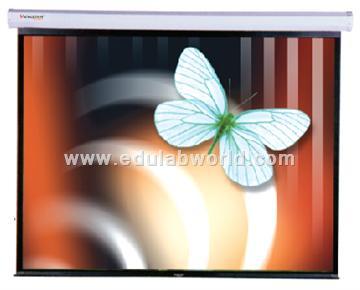
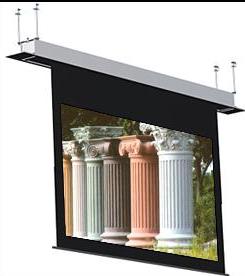
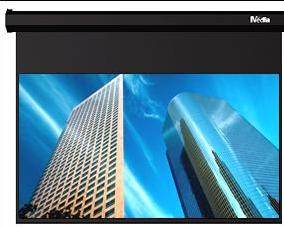
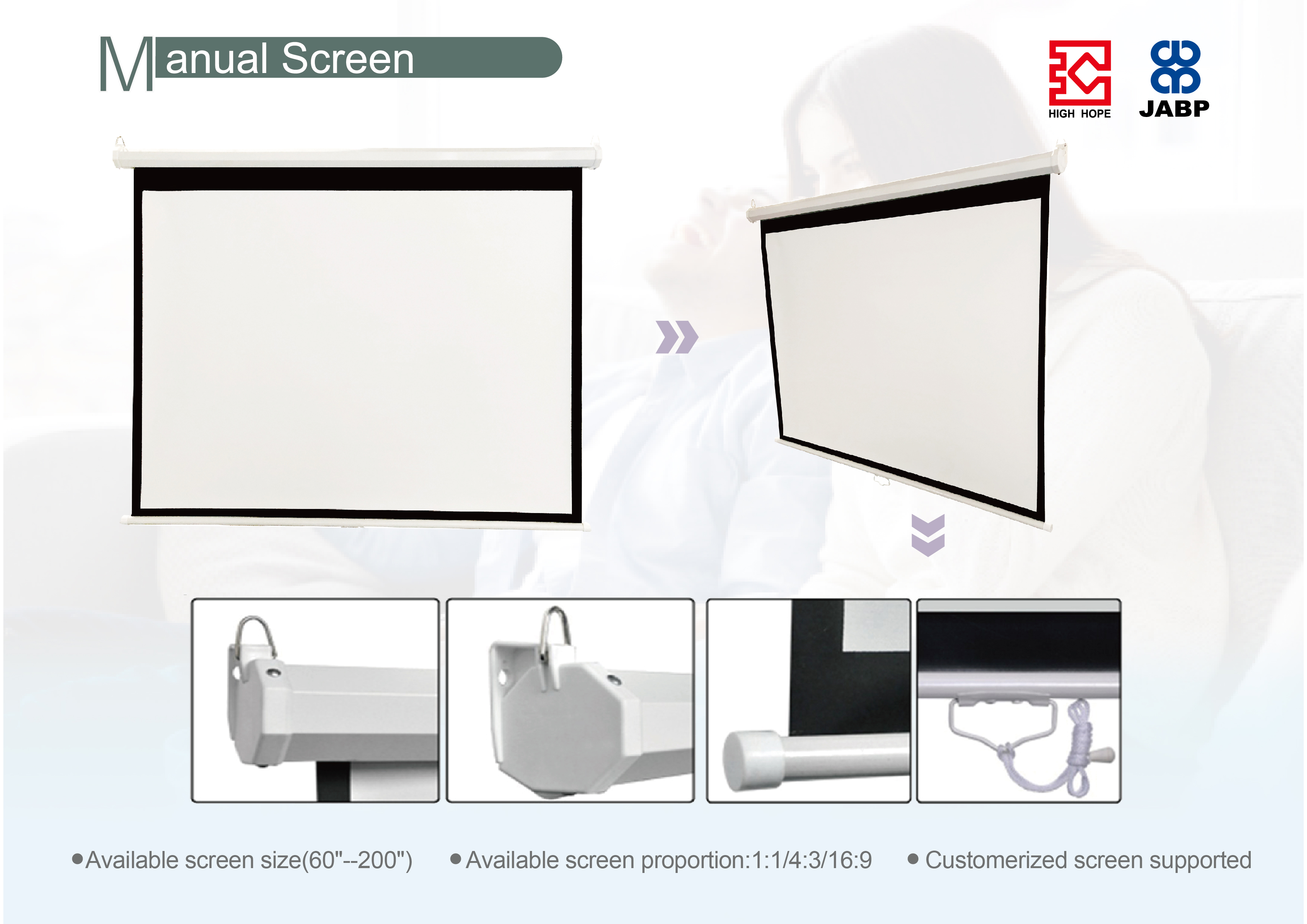
For retractable and motorized screens, the mechanical housing and internal components are common failure points. When auditing a supplier, you must evaluate their component sourcing and assembly tolerances.
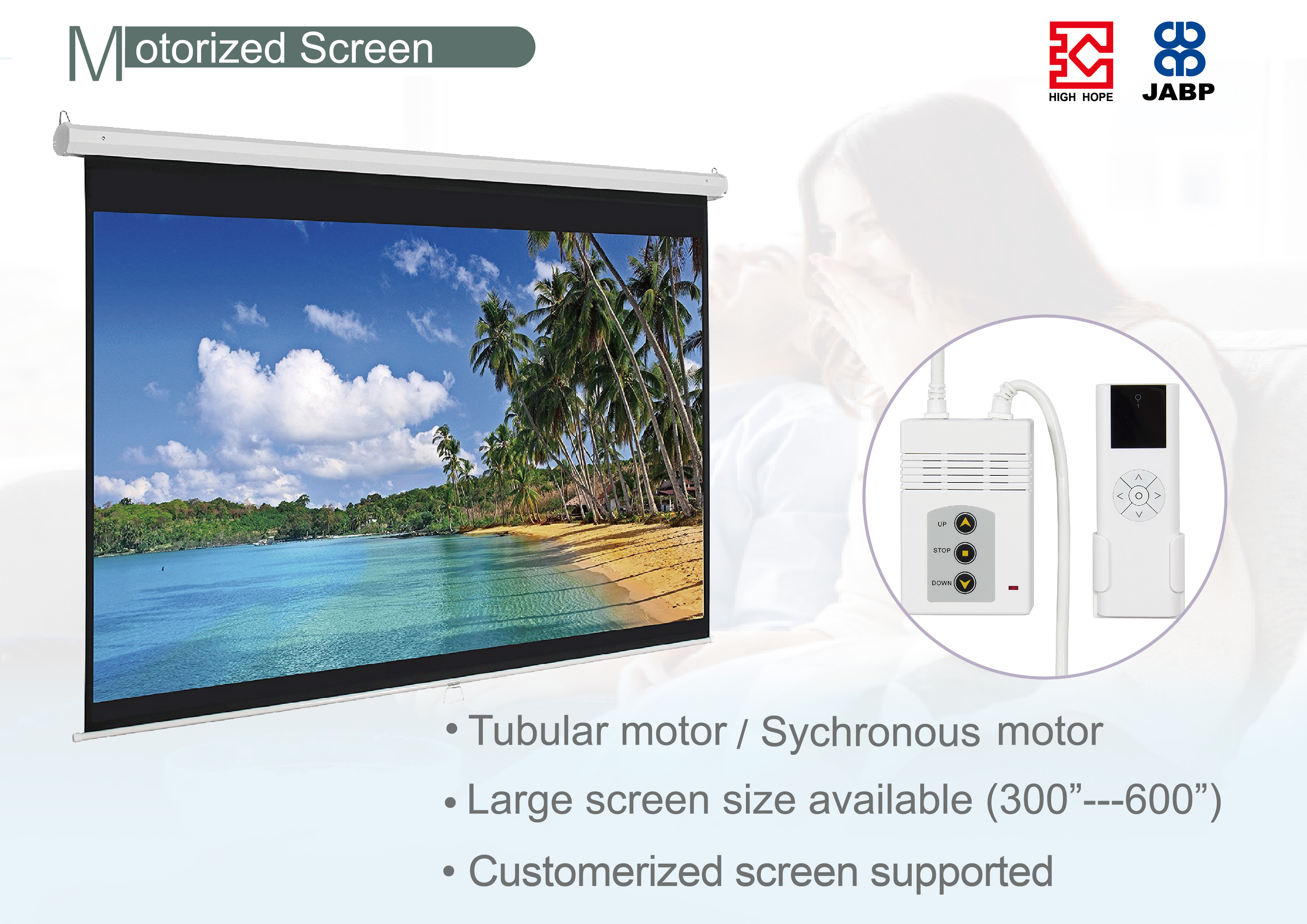
Motor Selection: Electric screens generally use either synchronous motors or tubular motors. Synchronous motors are cheaper but slower and noisier, making them suitable only for budget lines. Professional-grade screens require tubular motors, which fit inside the roller tube, operate quietly, and offer superior longevity.
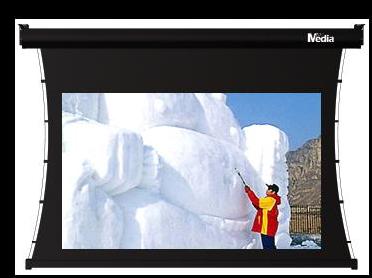
Tensioning Systems: Standard roll-up screens are prone to "V-waves" or edge curling over time. Tab-tensioned screens solve this by using an elastic cord threaded through tabs along the screen's sides, pulling the fabric taut. The tensioning mechanism must be calibrated perfectly at the factory; uneven tension will permanently warp the PVC fabric.
Struggling with high defect rates or inconsistent optical coatings? Let us vet and manage your screen manufacturing.
Talk to our teamEssential Quality Control Checkpoints
Catching defects after the screens have been packaged and shipped is a costly mistake. Implementing robust Quality Control & Inspection protocols at the factory is non-negotiable.
Pre-Shipment Inspection Focus Areas
- Surface Flatness: Visual inspection for V-waves, edge curling, or creases when fully deployed.
- Coating Consistency: Dark-room testing for hot-spotting, banding, or uneven ALR coating.
- Motor Cycle Testing: Running motorized units through minimum 50 continuous up/down cycles to test thermal overload protection.
- Housing Alignment: Verifying the bottom weight bar seats perfectly flush within the aluminum or steel casing.
- Drop Limits: Ensuring electronic limit switches are accurately pre-set and hold their position.
Pricing, MOQs, and Lead Times
Wholesale pricing for projection screens is highly dependent on the fabric type, housing material (aluminum vs. steel), and motor quality. Custom branding and packaging also play a role when utilizing OEM/ODM Services.
Most reliable manufacturers will require an MOQ of 50 to 100 units per SKU for custom branding. If you require specialized optical coatings (like Fresnel ALR screens for laser TVs), MOQs may be lower due to the high unit cost, but lead times often stretch to 45 days as the optical layers are frequently sourced from specialized sub-suppliers in Taiwan or Japan.
Need to negotiate better terms or consolidate shipments from multiple AV suppliers? We can streamline your supply chain.
Get a free consultationFrequently Asked Questions
Sourcing projection screens successfully requires more than just comparing unit prices; it demands a deep understanding of optical materials and mechanical assembly. By conducting thorough Factory Audits and enforcing strict quality standards, you can secure a reliable supply of screens that meet the exacting demands of the professional AV market.
Get Sourcing Help for Projection Screens
Tell us your requirements and our experts will connect you with verified manufacturers.