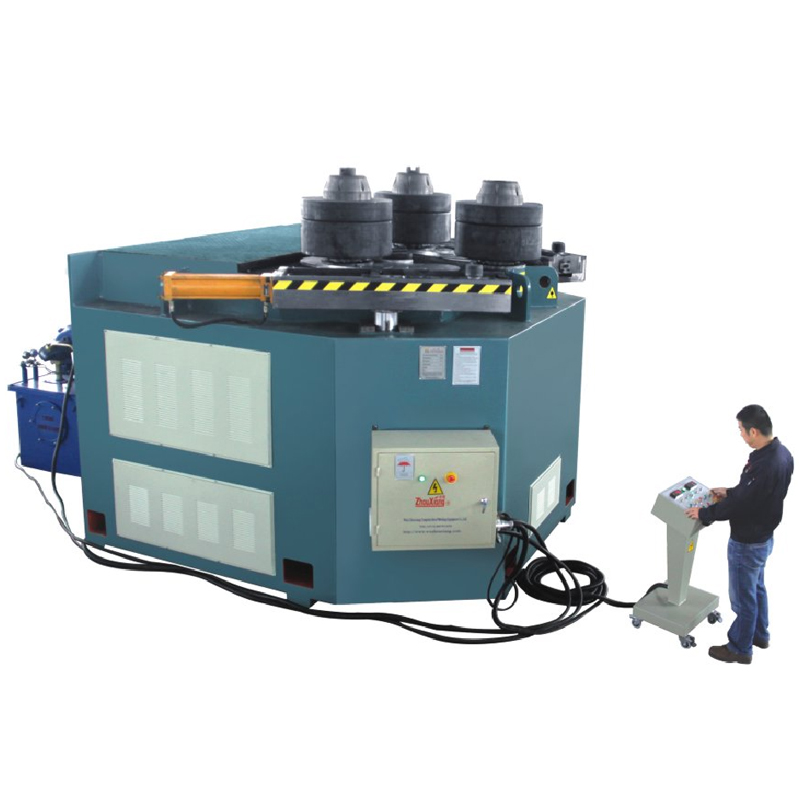
Profile Bending Machine
Source high-performance profile bending machines from vetted suppliers and manufacturers in China. Designed for industrial importers, wholesalers, and distributors, our network offers precision section benders for structural steel and aluminum. Explore bulk pricing, OEM options, and direct factory sourcing below.
Sourcing industrial profile bending machines requires balancing bending capacity with control precision. The primary procurement challenge lies in identifying manufacturers whose drive systems and frame rigidities match their stated specifications. A machine that looks robust on a spec sheet can fail to deliver repeatable accuracy across heavy structural profiles if the frame lacks proper stress relief or if the planetary gearboxes are undersized.
Core Specifications and Drive Systems
When evaluating suppliers, the configuration of the drive system and the shaft diameter dictate the machine's true capability. Shaft diameter is the primary indicator of bending capacity, but the power transmission method determines efficiency and precision.
| Drive Type | Best Application | Precision Level | Cost Profile |
|---|---|---|---|
| Mechanical Drive | Light aluminum and steel profiles | Moderate | Economical |
| Hydraulic (NC) | Heavy structural steel, high capacity | High | Mid-Market |
| Hydraulic (CNC) | Complex variable radii, aerospace/auto | Exceptional | Premium |
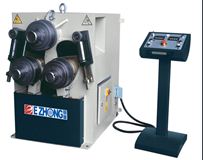
For heavy-duty applications, fully hydraulic machines where all three rolls are independently driven via planetary gearboxes and hydraulic motors offer the highest torque. When specifying these machines, ensure the supplier defines the section modulus capacity based on a specific material yield strength (typically mild steel at 260 N/mm²). If your end-users work with stainless steel or high-tensile alloys, this baseline capacity must be derated.
Need help matching machine specifications to your production requirements? Let our engineers evaluate factory technical data on your behalf.
Talk to our teamFactory Floor Realities: Where Quality is Won or Lost
The difference between a reliable industrial bender and a maintenance liability is often hidden in the manufacturing process. Many lower-tier factories cut costs on structural integrity and metallurgy.
Critical Manufacturing Checkpoints
- Frame Stress Relief: The steel frame must undergo thermal stress relief after welding. Without this, the frame will distort under heavy bending loads over time.
- Shaft Metallurgy: Main shafts should be forged steel (e.g., 42CrMo), induction hardened, and precision ground. Cast shafts are prone to catastrophic failure under peak torque.
- Hydraulic Components: Verify the origin of valves and pumps. Specifying recognized global brands (Rexroth, Bosch, Parker) ensures long-term serviceability and prevents costly downtime.
- Tooling Hardness: Standard universal rolls must be hardened to HRC 50-55 minimum to resist premature wear when working with structural steel.
To verify these manufacturing standards before placing a volume order, rigorous factory audits are essential. Evaluating a manufacturer's in-house machining capabilities and their quality management system separates true machine tool builders from basic assemblers.
Quality Control and Pre-Shipment Testing
You cannot rely on static visual inspections for heavy machine tools. A profile bending machine must be tested dynamically under load.
Run-Out Testing
Measure the rotational run-out of the shafts without rolls installed. Excessive run-out indicates poor machining and guarantees inaccurate bends.
Hydraulic Pressure Retention
Run the machine at maximum clamping pressure and hold. Pressure drops indicate internal leaks in the cylinders or valve blocks.
Load Testing (Run-Off)
Require the factory to perform a test bend on a profile matching your maximum specified capacity. Inspect the finished profile for twist and deformation.
Implementing strict quality control protocols, including video-documented run-off tests prior to crating, ensures the equipment meets your operational tolerances before it leaves the factory floor.
Pricing, MOQs, and Lead Times
Because profile bending machines are capital equipment, the sourcing dynamics differ significantly from standard consumer goods.
Pricing is heavily influenced by the control system (NC vs. CNC) and the inclusion of specialized tooling (e.g., custom Delrin rolls for aluminum extrusions or pipe dies). Furthermore, machines with shaft diameters exceeding 100mm often require specialized flat-rack containers. Coordinating shipping and freight for out-of-gauge equipment is a critical cost factor that must be calculated during the initial sourcing phase, not after production finishes.
Navigating heavy machinery logistics and factory negotiations is complex. Speak with our sourcing experts to streamline your procurement process.
Get a free consultationBuyer FAQ
Procuring profile bending machines requires looking past the spec sheet to understand the engineering and metallurgical realities of the factory producing them. By focusing on frame rigidity, drive system quality, and rigorous pre-shipment load testing, you can secure equipment that delivers decades of reliable service.
Get Sourcing Help for Profile Bending Machine
Tell us your requirements and our experts will connect you with verified manufacturers.