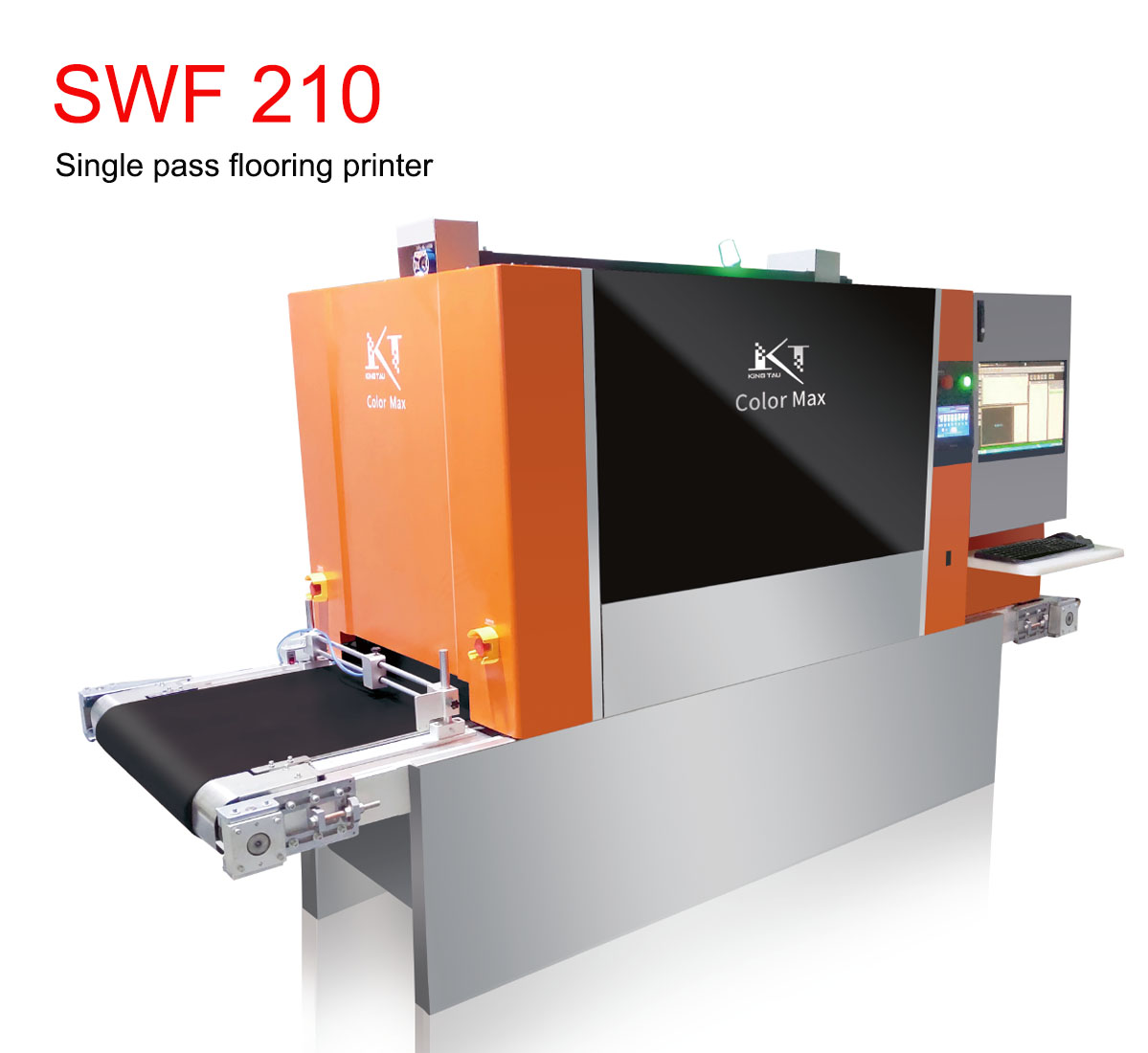
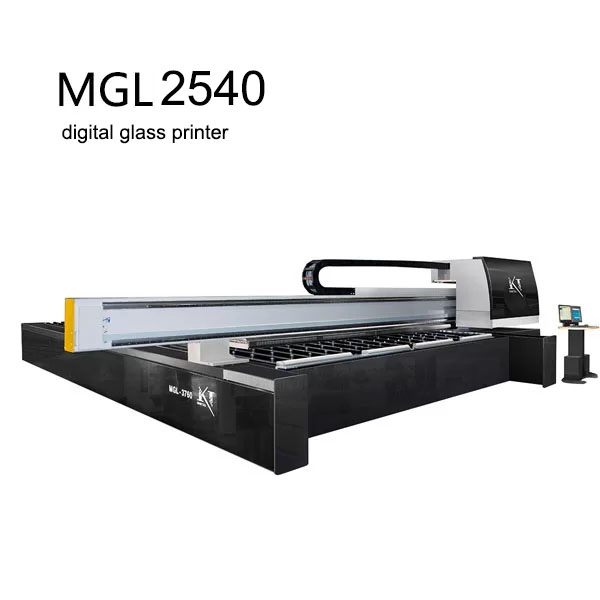
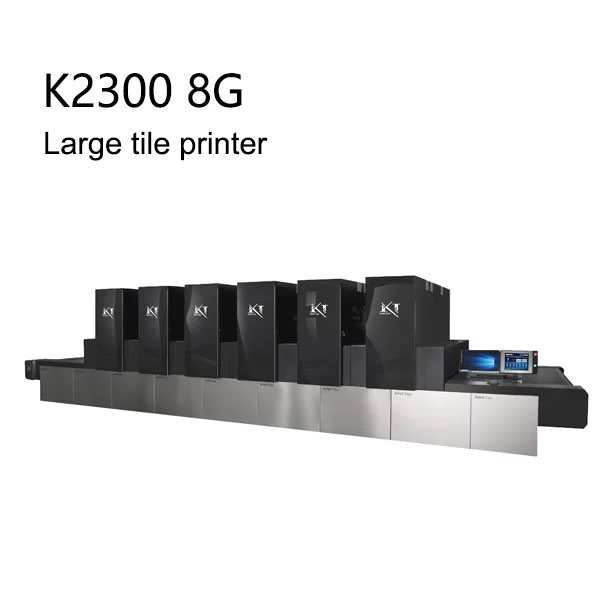
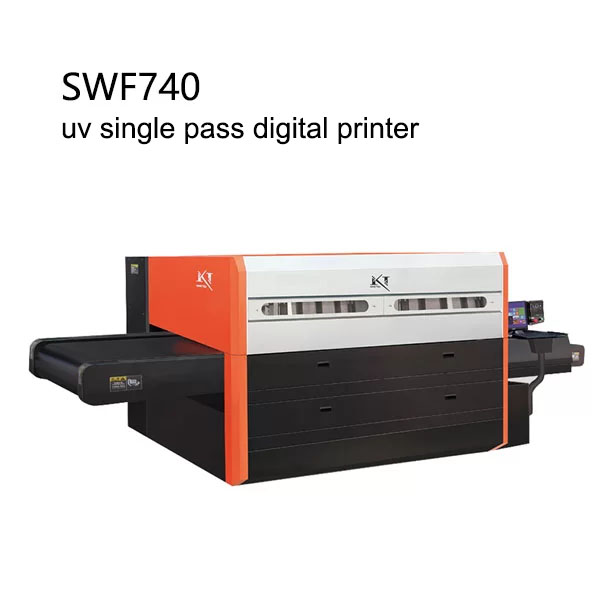
Printing Equipment
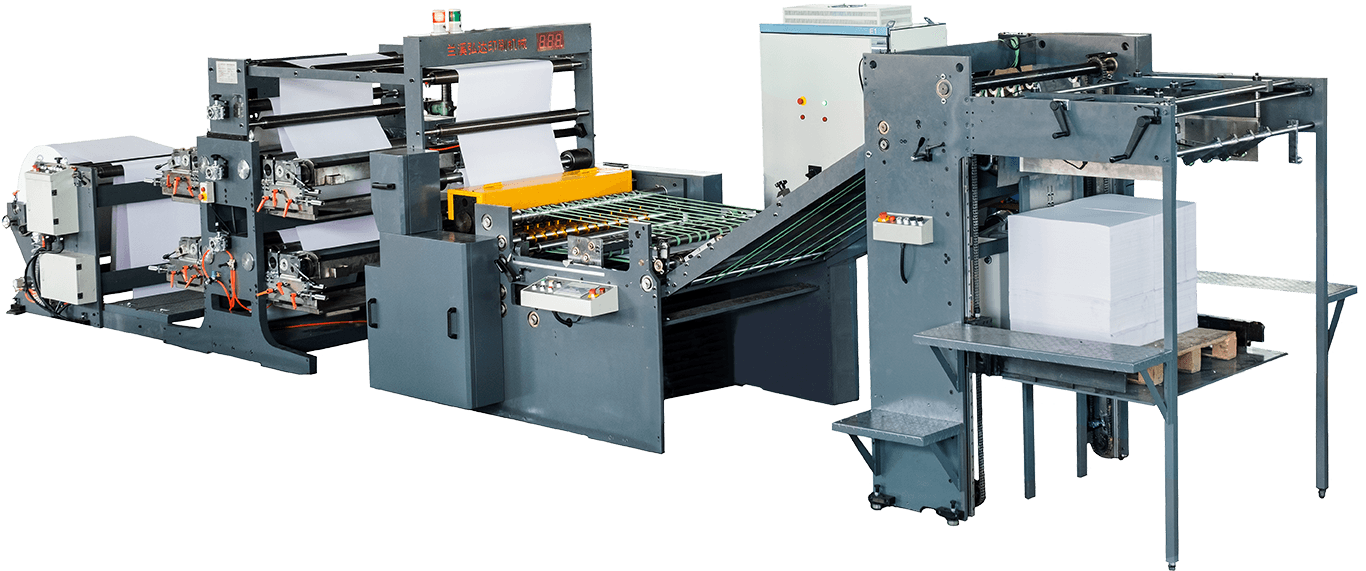
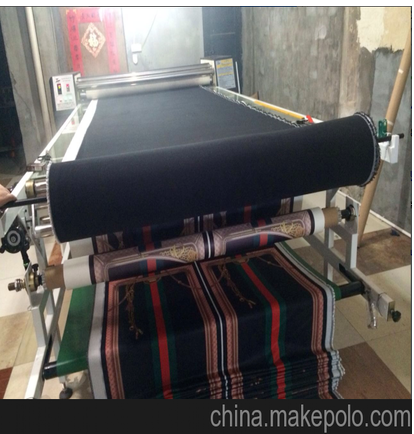
Source commercial-grade printing equipment directly from vetted manufacturers and suppliers in China. Designed for importers, distributors, and procurement managers, our network offers scalable OEM/ODM production and wholesale purchasing. Secure competitive pricing on reliable machinery built for high-volume industrial applications.
Industrial printing equipment represents a significant capital expenditure where precision, uptime, and media versatility dictate the ultimate return on investment. Sourcing these machines from Asian manufacturers requires strict oversight of core components—particularly printheads, servo motors, and control boards—to ensure they meet the rigorous demands of commercial production environments.
For wholesale buyers and distributors, the challenge lies in distinguishing true manufacturers from simple assemblers who rely on generic, off-the-shelf parts that fail under continuous operational stress.
Specifying Core Components for Production
When negotiating with overseas printing equipment suppliers, the technical specification sheet is your primary defense against substandard builds. Generic descriptions of "high speed" or "high resolution" are insufficient. You must lock in the exact specifications of the critical subsystems.
- Printhead Architecture: The printhead dictates both output quality and machine longevity. Specify the exact brand, model, and generation (e.g., Epson i3200, Ricoh Gen6, Kyocera). Verify whether the supplier has direct purchasing agreements with these component manufacturers or if they are sourcing through gray markets.
- Motion Control and Servos: High-speed printing requires flawless carriage movement. Specify industrial-grade servo motors and linear guide rails (e.g., THK or HIWIN) rather than cheaper stepper motors, which introduce banding and alignment issues over time.
- Curing and Drying Systems: Depending on the ink chemistry (UV LED, solvent, aqueous, sublimation), the curing system must be precisely matched to the throughput speed. Specify wattage, wavelength for UV systems, and independent temperature controls for multi-stage heaters.
- RIP Software Integration: Ensure the machine's control boards are fully compatible with industry-standard Raster Image Processor (RIP) software (like Photoprint, Onyx, or Caldera) rather than relying solely on proprietary, poorly localized software.
Struggling to verify component authenticity with overseas suppliers? Let our engineers review your technical specifications and source capable manufacturers.
Talk to our teamManufacturing Realities: Assemblers vs. True Manufacturers
The printing equipment supply chain in China is heavily fragmented. Many "manufacturers" are merely assembly workshops that purchase pre-fabricated chassis and drop in generic motherboards. While these units may function adequately during a sample run, they often lack the structural rigidity required to prevent vibration-induced banding during long production runs.
Conducting thorough Factory Audits is essential. You need to verify that the supplier has in-house CNC machining capabilities for the chassis and a dedicated clean-room environment for printhead installation and calibration.
| Capability | Standard Assembler | Tier 1 Manufacturer |
|---|---|---|
| Chassis Construction | Lightweight folded aluminum, prone to vibration | Heavy-duty welded steel, CNC milled for precision |
| Component Sourcing | Gray-market printheads, generic rails | Direct OEM partnerships, certified guide rails |
| Quality Control | Basic power-on test before shipping | Multi-day continuous print testing, laser alignment checks |
| Firmware/Software | Static generic firmware | Dedicated R&D team for firmware updates and RIP integration |
Critical Quality Control Checkpoints
To ensure the equipment arrives ready for deployment, robust Quality Control & Inspection must occur prior to crating. Heavy machinery is exceptionally difficult and expensive to return or rework once exported.
Pre-Shipment Inspection Focus Areas
- Laser alignment verification of the carriage and guide rails.
- Continuous 24-hour stress test at maximum rated print speed.
- Nozzle check patterns to confirm zero dead pixels or ink starvation.
- Verification of electrical components against destination market standards (CE, UL, RoHS).
- Inspection of export crating: vacuum sealing, moisture barriers, and shock-absorbing mounts.
Sourcing Economics: MOQs, Pricing, and Lead Times
Because printing equipment is high-value capital machinery, Minimum Order Quantities (MOQs) are typically low. However, custom branding, localized firmware, or specific chassis modifications will alter these requirements.
Pricing is highly volatile and directly tied to the cost of imported components (specifically Japanese or European printheads). When evaluating quotes, ensure the pricing is itemized. A quote that is 20 percent below the market average usually indicates the use of refurbished printheads, downgraded servo motors, or a lighter, less stable chassis.
Need to establish reliable pricing and production schedules for your wholesale printing equipment orders? We can help you negotiate directly with factory management.
Get a free consultationLogistics and Installation Challenges
Shipping heavy, sensitive printing equipment requires specialized logistics. Machines must be properly secured in heavy-duty wooden crates, often with shock indicators attached to the exterior. Furthermore, coordinate with a reliable Shipping & Freight partner who understands the customs classifications for industrial machinery to avoid delays or unexpected tariffs at the destination port.
Successfully importing commercial printing equipment requires more than just finding a supplier on a directory; it demands rigorous technical vetting and proactive quality management on the factory floor. By locking down component specifications and enforcing strict pre-shipment testing, buyers can secure high-performance machinery that delivers reliable margins and long-term operational stability.
Get Sourcing Help for Printing Equipment
Tell us your requirements and our experts will connect you with verified manufacturers.