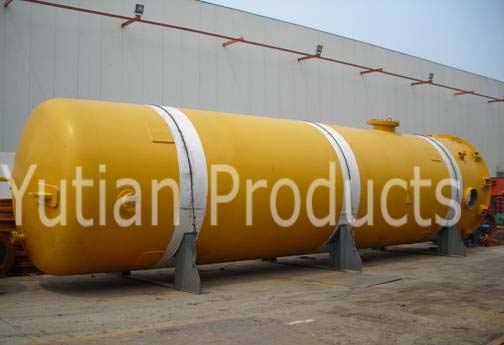
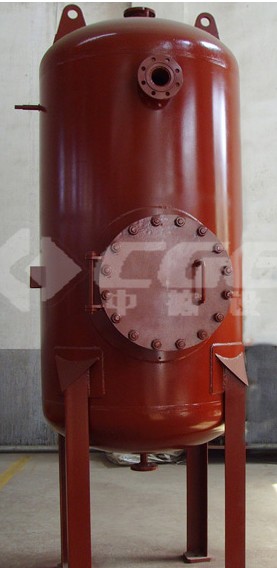
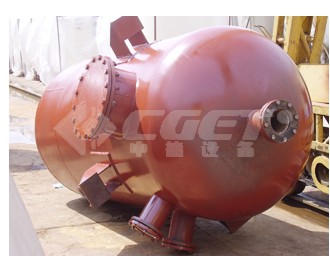
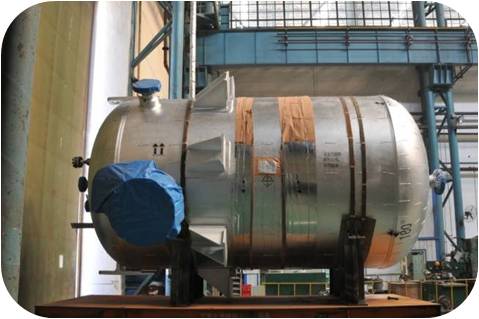
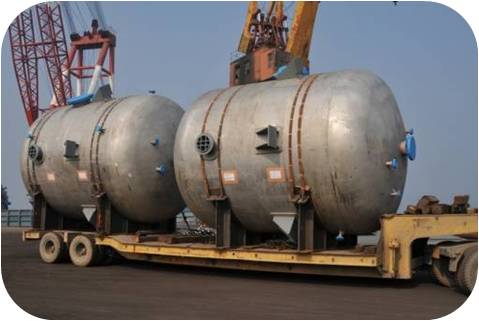
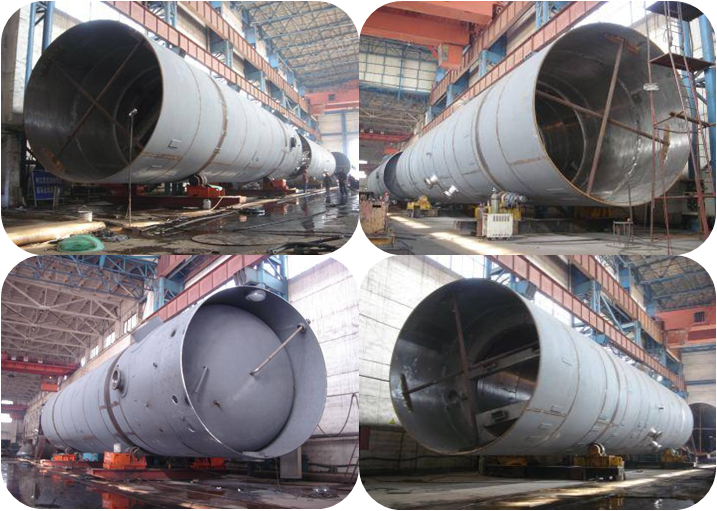
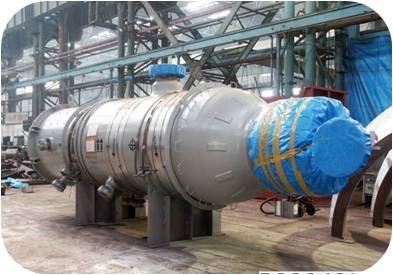
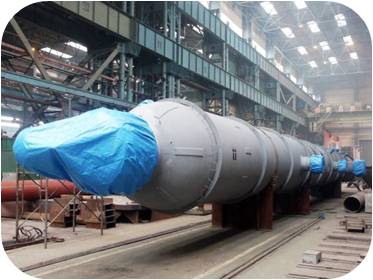
Pressure Vessels
Source industrial pressure vessels from vetted manufacturers and suppliers across Asia. Designed for procurement managers, distributors, and engineering firms buying in bulk or requiring custom fabrication, our factory-direct network delivers certified containment solutions built for strict compliance.
Sourcing pressure vessels overseas is fundamentally a risk-management exercise. Because these units operate under extreme physical stress and handle hazardous or high-value materials, a single manufacturing flaw can lead to catastrophic failure. Procuring them successfully requires looking past top-line pricing to interrogate a manufacturer's welding procedures, non-destructive testing (NDT) capabilities, and verifiable regulatory compliance.
Critical Specifications and Material Selection
When submitting RFQs to fabrication facilities, vague technical drawings will result in inaccurate pricing and potentially dangerous assumptions. Manufacturers need precise engineering parameters to calculate wall thickness, head design, and welding requirements.
Key parameters you must specify include:
- Design and Operating Pressures: Expressed in MPa or psi, including maximum allowable working pressure (MAWP).
- Temperature Ratings: Both maximum operating temperature and minimum design metal temperature (MDMT).
- Corrosion Allowance: Typically specified in millimeters (e.g., 1.5mm to 3mm) based on the chemical aggressiveness of the stored medium.
- Nozzle and Flange Specifications: ANSI, DIN, or JIS standards, including pressure classes (e.g., Class 150, Class 300).
| Material Family | Common Grades | Primary Applications |
|---|---|---|
| Carbon Steel | SA516 Gr.70, Q345R | Standard industrial air, water, and non-corrosive gas storage. |
| Austenitic Stainless | 304/304L, 316/316L | Chemical processing, food & beverage, pharmaceutical applications. |
| Duplex Stainless | S31803, 2205 | High-stress environments requiring superior chloride stress corrosion resistance. |
Manufacturing Process and Quality Control
The integrity of a pressure vessel is won or lost in the welding bay. Leading facilities utilize automated Submerged Arc Welding (SAW) for thick-walled longitudinal and circumferential seams, and Tungsten Inert Gas (TIG/GTAW) for precision nozzle attachments.
However, equipment alone does not guarantee safety. The factory must employ certified welders and maintain strict control over welding consumables (flux and wire). Before committing to a production run, conducting comprehensive factory audits is essential to verify the facility's actual engineering capabilities, ASME or PED certifications, and internal quality management systems.
Need to verify a pressure vessel manufacturer's credentials? Let our engineering sourcing experts audit the facility and validate their compliance before you place an order.
Talk to our teamNon-Destructive Testing (NDT) Requirements
Visual inspection is entirely insufficient for pressure vessels. You must mandate specific NDT protocols in your purchase agreement:
Essential NDT and Inspection Protocols
- Radiographic Testing (RT) on 100 percent of longitudinal and transverse weld seams for high-pressure units.
- Ultrasonic Testing (UT) to detect subsurface flaws in thick steel plates.
- Magnetic Particle (MT) or Dye Penetrant (PT) testing for nozzle and attachment welds.
- Hydrostatic testing at 1.3 to 1.5 times the design pressure, held for a specified duration.
- Positive Material Identification (PMI) to ensure the correct alloy was used.
Implementing rigorous quality control and inspection during manufacturing—including in-line inspections before final assembly—prevents you from receiving a vessel that fails domestic regulatory approval upon arrival.
Navigating Global Compliance Standards
A vessel manufactured to excellent physical standards is useless if it lacks the proper documentation for your target market. Ensure the factory can legitimately provide the required design appraisals and third-party inspection certificates.
- North America: Requires ASME Boiler and Pressure Vessel Code (BPVC) Section VIII compliance, often necessitating an ASME U-Stamp.
- Europe: Must comply with the Pressure Equipment Directive (PED 2014/68/EU) and carry the CE mark.
- China: Governed by GB/T 150 standards.
If you are importing into highly regulated markets, coordinating independent compliance and testing through authorized inspection agencies (like TÜV, SGS, or Lloyd's Register) during the fabrication process is a mandatory step.
Buying Mechanics: MOQs, Lead Times, and Pricing
Pressure vessels are rarely off-the-shelf commodities. Pricing is highly volatile and tightly correlated with global steel indices, the complexity of the internal structures (baffles, heating coils), and the required certification stamps (an ASME U-Stamp adds significant overhead).
Struggling to negotiate favorable terms or secure reliable production timelines for custom pressure vessels? We manage the entire procurement and production cycle for you.
Get a free consultationFrequently Asked Questions
Sourcing with Confidence
Procuring pressure vessels demands zero compromise on engineering integrity. Beyond the factory floor, the sheer size and weight of these units often require Out of Gauge (OOG) shipping, flat racks, or breakbulk cargo arrangements. Coordinating the factory output with specialized shipping and freight logistics is critical to avoiding massive port storage fees. If managing the technical vetting, third-party inspectors, and heavy logistics is straining your internal resources, bringing in an expert sourcing partner can streamline the process and mitigate your operational risk.
Get Sourcing Help for Pressure Vessels
Tell us your requirements and our experts will connect you with verified manufacturers.